Folliculitis: Causes, Symptoms, Types & Treatment Guide
Complete guide to folliculitis: understand causes, symptoms, types, and effective treatment options.
Understanding Folliculitis: A Complete Guide to Hair Follicle Infections
Folliculitis is a common and frequently occurring skin condition that affects people of all ages and backgrounds. This condition develops when hair follicles become infected or inflamed, often resulting in the appearance of small, red, uncomfortable bumps on the skin. While folliculitis may resemble acne at first glance, it is a distinct condition with its own set of causes, symptoms, and treatment approaches. Understanding the nature of folliculitis, its various types, and available treatment options can help you manage this condition effectively and know when to seek professional medical advice.
What Is Folliculitis?
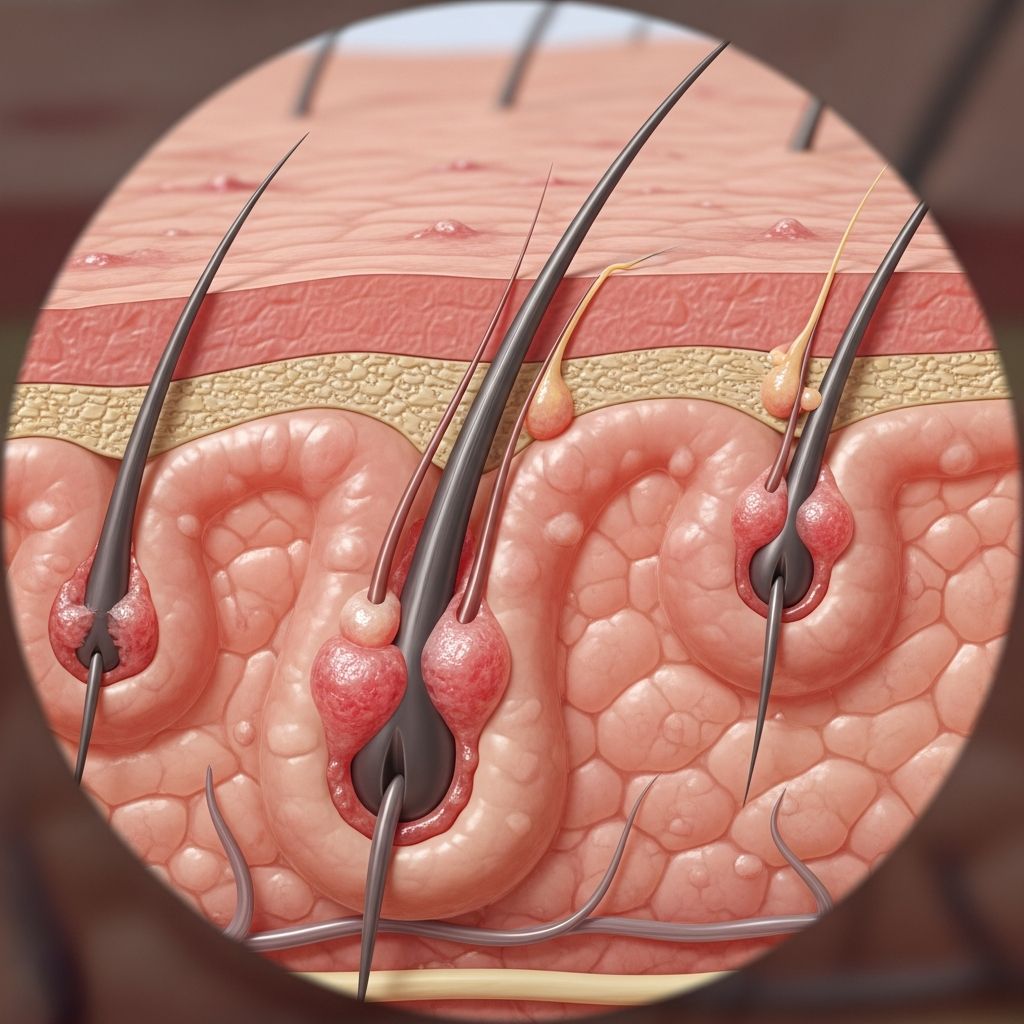
Folliculitis refers to the inflammation and infection of hair follicles, which are small cavities in the skin from which hair grows. When these follicles become damaged, blocked, or infected, they can develop into painful, itchy bumps that may contain fluid or pus. The condition can affect any area of the body where hair grows, including the arms, legs, face, back, and other regions. Folliculitis is considered a blanket term that encompasses many different specific types of skin conditions, each with potentially different causes, appearances, and symptoms.
The severity of folliculitis can range from mild cases that resolve on their own to more serious infections requiring professional medical treatment. Some individuals may experience a single infected follicle, while others may develop multiple affected follicles across larger areas of skin.
Types of Folliculitis
Folliculitis encompasses many different types of skin conditions, with each type potentially having its own distinct appearance, symptoms, and underlying cause. The primary classification distinguishes between two main categories:
Superficial vs. Deep Folliculitis
Superficial folliculitis involves inflammation and infection that affects only part of the hair follicle, typically the upper portions. This type is generally less severe and often resolves more quickly with minimal intervention.
Deep folliculitis involves infection of the entire hair follicle, extending deeper into the skin layers. This type is usually more severe and may require more aggressive medical treatment.
Common Types of Folliculitis
Different types of folliculitis are often distinguished by their specific cause. One well-known type is hot tub folliculitis (Pseudomonas folliculitis), which develops after exposure to contaminated hot tubs or swimming pools where Pseudomonas aeruginosa bacteria thrive in warm, moist environments. This type typically causes red, itchy bumps and often resolves within a few days without treatment.
Folliculitis decalvans is a more serious type characterized by painful, recurrent purulent follicular exudation and represents the most common neutrophilic scarring alopecia. This condition requires more intensive and prolonged treatment approaches.
Bacterial folliculitis is caused by bacterial infections, most commonly from Staphylococcus aureus, and may develop following skin injuries, shaving, or wearing tight clothing. Fungal folliculitis results from fungal infections and may require antifungal medications for treatment.
Causes and Risk Factors
Folliculitis can develop through various mechanisms and pathways. The primary causes include bacterial and fungal infections that invade damaged or compromised hair follicles. Several factors can increase your risk of developing folliculitis:
Related Stories



Common Causes Include:
– Hair follicle damage or blockage from tight clothing- Shaving injuries and razor-related skin trauma- Skin irritation and inflammation- Exposure to contaminated water in hot tubs or pools- Weakened immune system function- Poor hygiene practices- Friction from sports equipment or gear- Excessive sweating in warm environments- Use of certain medications
Individuals who are obese experience folliculitis more frequently than the general population, likely due to increased skin friction and moisture in skin folds. People with compromised immune systems are also at higher risk of developing more severe cases of folliculitis.
Recognizing Symptoms and Appearance
Folliculitis typically presents as small red bumps on the skin that may closely resemble acne or a simple rash. However, the appearance and severity of symptoms can vary depending on the specific type of folliculitis you have developed. Common symptoms include:
Physical Symptoms:
– Small red or inflamed bumps- Itching and discomfort- Pain or tenderness in affected areas- Fluid or pus drainage from bumps- Burning sensation on the skin- Mild to moderate fever in some cases
Folliculitis can be acute, developing suddenly and resolving relatively quickly, or chronic, persisting over an extended period. The condition may affect a single hair follicle or numerous follicles across larger skin areas.
Diagnosis of Folliculitis
Diagnosing folliculitis is typically straightforward and can usually be accomplished during a routine appointment with your primary care physician. Most cases do not require referral to a specialized dermatologist, though severe or persistent cases may benefit from specialist evaluation.
The Diagnostic Process
Your healthcare provider will begin by conducting a physical examination of your skin, carefully inspecting the affected areas. During your appointment, your provider will review your complete medical history and ask questions about your habits and activities. These questions typically include:
– Whether you have spent time in hot tubs or swimming pools recently- How frequently you shave and what methods you use- What medications you currently take- How much you tend to sweat- Whether you wear tight clothing regularly- Your personal hygiene practices
The answers to these questions often confirm a folliculitis diagnosis and help your healthcare provider determine which specific type you may have developed. This information is crucial for selecting the most appropriate treatment approach.
Advanced Diagnostic Testing
In severe, persistent, or unusual cases, your provider may recommend additional testing to rule out other medical conditions or confirm the diagnosis. A skin biopsy may be performed, which involves removing a small sample of skin tissue and sending it to a laboratory for microscopic examination and analysis. This procedure helps identify the specific organism causing the infection and ensures your folliculitis isn’t another medical condition.
Treatment Options for Folliculitis
Treatment approaches for folliculitis vary considerably depending on the specific type you have and the severity of your condition. Some types may require aggressive medical intervention, while others may resolve with minimal or no treatment.
At-Home Care for Mild Folliculitis
If your folliculitis is mild, you can often treat it effectively at home using simple care strategies:
– Clean the infected area twice daily with warm water and antibacterial soap- Use a fresh cloth and towel each time you wash to prevent bacteria spread- Apply warm saltwater solution (1 teaspoon table salt mixed with 2 cups water) using a clean washcloth- Use over-the-counter pain relievers or anti-inflammatory medications as needed- Avoid scratching or picking at the bumps- Keep the area dry and avoid tight clothing- Refrain from shaving the affected area until it heals
Medical Treatments
For more severe cases, medical intervention becomes necessary. Topical antibiotics can be applied directly to affected areas to combat bacterial infections. Oral antibiotics may be prescribed for deeper infections or widespread folliculitis that doesn’t respond to topical treatments. Studies have shown that extended courses of specific antibiotic combinations, such as clindamycin and rifampicin administered for 10 weeks, can achieve extended disease remission periods.
Antifungal medications in the form of shampoos, creams, or oral pills are prescribed when fungal folliculitis is diagnosed. Steroid creams may be recommended for eosinophilic folliculitis to help manage itching and inflammation.
Procedural Treatments
In severe cases involving deep infections such as boils and carbuncles, your healthcare provider may need to drain the infected follicle. This minor surgical procedure involves making a small incision to allow pus buildup to be removed, facilitating proper healing of the area.
Newer therapeutic options have emerged in recent medical literature, including red light photodynamic therapy, which has shown clinical improvement in patients, and laser hair removal for chronic cases of folliculitis.
Natural Course and Recovery
In less severe types of folliculitis, such as hot tub folliculitis caused by Pseudomonas aeruginosa, symptoms typically fade within a few days without any treatment. However, if symptoms persist beyond this timeframe, you should contact your healthcare provider for further evaluation and guidance.
Most cases of folliculitis eventually resolve on their own and do not lead to serious complications. However, prevention and prompt treatment when symptoms develop can minimize discomfort and prevent spread of the infection.
Prevention Strategies
Several practical steps can help reduce your risk of developing folliculitis:
– Keep your skin clean by washing regularly with gentle soap and water- Avoid wearing tight clothing that can cause friction and irritation- Use proper shaving techniques and keep razors clean and sharp- Moisturize your skin after washing to prevent dryness and irritation- Avoid sharing personal items like towels, razors, or clothing- Keep hot tubs and pools properly chlorinated if you use them regularly- Change out of wet swimwear promptly after pool or hot tub use- Maintain proper hygiene after exercise and perspiration- Avoid squeezing or picking at skin bumps or lesions- Protect your skin from unnecessary friction and trauma
When to Seek Medical Attention
While many cases of folliculitis can be managed at home and resolve independently, certain situations warrant immediate professional medical attention. Contact your healthcare provider right away if you experience:
– Signs of spreading infection beyond the initial area- Fever or chills accompanying folliculitis- Severe pain that doesn’t respond to over-the-counter pain relief- Symptoms that worsen despite home treatment efforts- Signs of abscess formation (collection of pus)- Folliculitis that persists longer than two to three weeks- Recurrent episodes of folliculitis- Folliculitis affecting large areas of your body- Signs of systemic infection or illness
Frequently Asked Questions About Folliculitis
Q: Is folliculitis contagious?
A: While folliculitis itself isn’t highly contagious, the bacteria or fungi causing it can potentially spread through shared items like towels, razors, or clothing. Practicing good hygiene and avoiding sharing personal items helps prevent transmission.
Q: Can folliculitis leave permanent scars?
A: Most cases of folliculitis resolve without scarring. However, severe cases, particularly folliculitis decalvans, may result in scarring and permanent hair loss in affected areas.
Q: How long does folliculitis typically last?
A: Mild cases often resolve within a few days to a couple of weeks. More severe cases may require several weeks of treatment. Chronic folliculitis may require ongoing management.
Q: Can I continue exercising if I have folliculitis?
A: You can continue exercising, but avoid tight-fitting workout clothes that create friction, and change out of sweaty clothes promptly after exercise to prevent worsening the condition.
Q: Is folliculitis the same as acne?
A: While folliculitis and acne may appear similar, they are different conditions. Folliculitis involves infection of hair follicles, while acne involves blocked pores and sebum accumulation. Treatment approaches differ accordingly.
Q: Do I need to see a dermatologist for folliculitis?
A: Most cases can be diagnosed and treated by your primary care physician. Dermatologist referral is recommended for severe, persistent, or recurrent cases.
Conclusion
Folliculitis is a common skin condition that affects many people throughout their lifetime. If you notice small red bumps on your arms, legs, face, back, or other areas and experience uncomfortable symptoms such as pain, fluid drainage, or fever, reach out to your healthcare provider. While many cases of folliculitis can be effectively managed at home without requiring a healthcare provider visit, it’s important not to hesitate in contacting your provider if you have concerns. A quick examination by your healthcare provider will typically determine whether you need treatment or if the condition will resolve on its own. Severe cases do require treatment and may involve oral medication or minor procedures. By understanding the causes, symptoms, and treatment options for folliculitis, you can take appropriate steps to manage the condition and prevent future occurrences.
References
- Folliculitis: Appearance, Causes, Symptoms & Treatment — Cleveland Clinic. 2021-06-10. https://my.clevelandclinic.org/health/diseases/17692-folliculitis
- Folliculitis – Symptoms & causes — Mayo Clinic. https://www.mayoclinic.org/diseases-conditions/folliculitis/symptoms-causes/syc-20361634
- Updates in therapeutics for folliculitis decalvans: A systematic review — National Center for Biotechnology Information (NCBI). https://pmc.ncbi.nlm.nih.gov/articles/PMC6363910/
- Folliculitis: Causes, Types, Triggers, and Treatment — WebMD. https://www.webmd.com/skin-problems-and-treatments/what-is-folliculitis
- Hot Tub Folliculitis: Rash, Symptoms, Causes & Treatment — Cleveland Clinic. https://my.clevelandclinic.org/health/diseases/23358-hot-tub-folliculitis
- Folliculitis — EBSCO Health. https://www.ebsco.com/research-starters/consumer-health/folliculitis
Similar Articles








Read full bio of medha deb