Folliculitis Treatment and Prevention Guide
Complete guide to treating and preventing folliculitis with evidence-based strategies.
Understanding Folliculitis: Treatment and Prevention
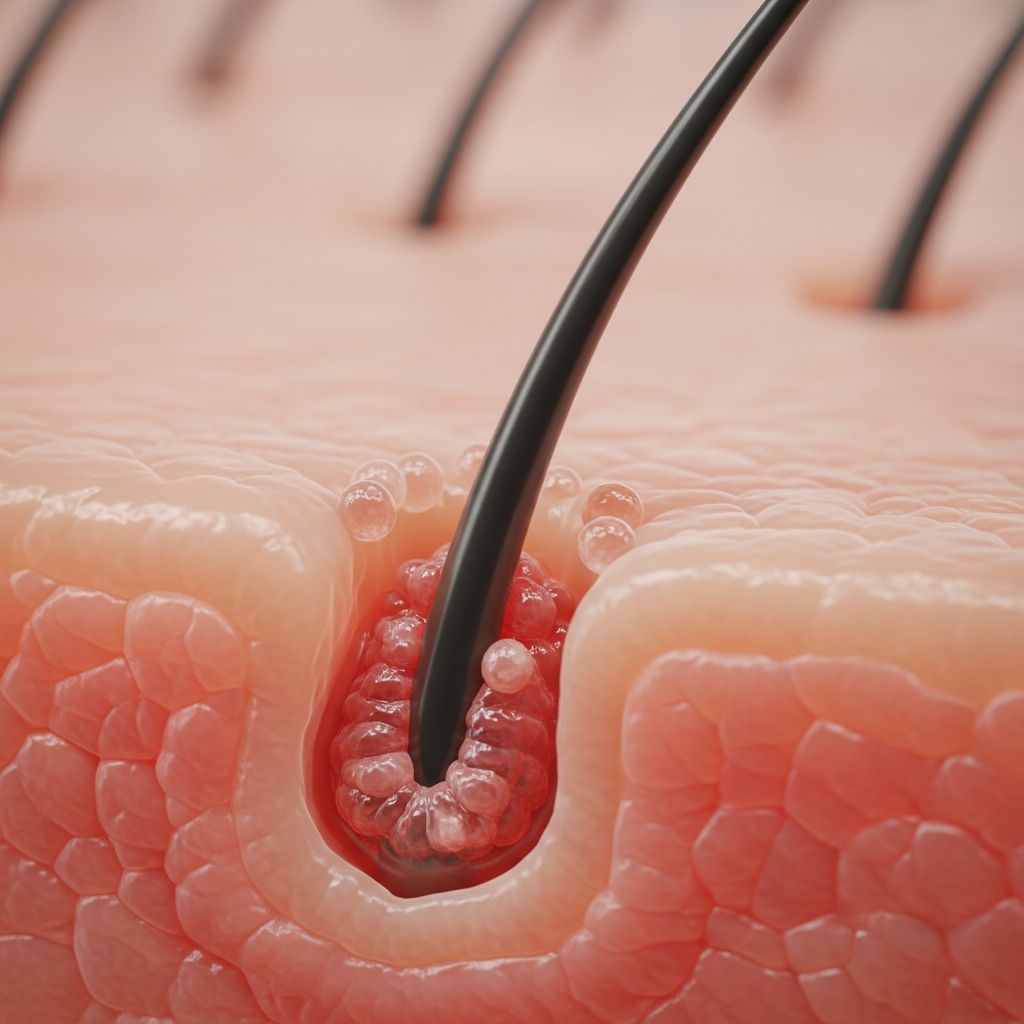
Folliculitis is a common skin condition characterized by inflammation of hair follicles, typically caused by bacterial or fungal infections. This condition affects people of all ages and can range from mild irritation to more severe infections. Understanding the appropriate treatment approaches and prevention strategies is essential for managing folliculitis effectively and reducing the likelihood of recurrence.
What is Folliculitis?
Folliculitis occurs when hair follicles become infected, usually by bacteria such as Staphylococcus aureus or by fungal organisms. The condition typically presents as small red bumps that may contain pus, often appearing on areas prone to friction or moisture, such as the face, neck, underarms, and legs. While folliculitis is generally not serious, it can cause discomfort and, if left untreated, may lead to more severe complications.
Types of Folliculitis
Several different types of folliculitis exist, each with distinct characteristics and treatment requirements:
- Bacterial folliculitis: The most common type, typically caused by Staphylococcus aureus bacteria and presenting as superficial pustules or deeper infections.
- Fungal folliculitis: Often caused by yeasts or dermatophytes, requiring antifungal rather than antibiotic treatment.
- Pseudomonas folliculitis (hot tub rash): A specific type of bacterial infection acquired from inadequately chlorinated hot tubs or spas.
- Pseudofolliculitis barbae: Affects the beard area, typically in men with curly hair, resulting from improper shaving techniques.
- Sycosis barbae: A deeper, more severe infection of the beard area requiring careful management.
Treatment Options for Folliculitis
Mild Cases and Home Care
For mild folliculitis cases, home care measures are often sufficient to resolve the condition. Keeping the affected area clean and dry is fundamental to recovery. Gently wash the infected skin at least twice daily using an antibacterial soap or cleanser, such as benzoyl peroxide. It is important to use a clean washcloth and towel each time and avoid sharing these items with others to prevent spreading the infection.
Over-the-counter antibiotic lotions and ointments can be applied directly to the affected area to help control bacterial growth. Additionally, applying a warm, moist washcloth to the infected skin followed by a soothing lotion or non-prescription hydrocortisone cream can help relieve itching and discomfort. Many mild cases of bacterial folliculitis improve within a few days with these self-care measures.
Topical Medications
For bacterial folliculitis that does not respond to basic home care, healthcare providers may prescribe antibiotic lotions or gels. These topical treatments can effectively control mild to moderate bacterial infections without requiring oral medications. Topical antifungals are recommended for folliculitis caused by yeast or fungal organisms, as antibiotics are ineffective against these types of infections.
For folliculitis affecting the scalp or face, antifungal or antiseptic shampoos can provide targeted treatment. These specialized products help eliminate the causative organisms while cleansing the affected area.
Oral Medications
More severe or persistent cases of folliculitis may require oral antibiotics to effectively treat the infection. Oral medications are typically reserved for cases that have not responded to topical treatments or for deeper infections that affect multiple follicles. Your healthcare provider will determine whether oral antibiotics are necessary based on the severity and type of folliculitis you have.
Related Stories



Surgical Interventions
When folliculitis progresses to form large boils or carbuncles, minor surgical intervention may be necessary. Your healthcare provider may make a small incision to drain the accumulated pus, which relieves pain, accelerates healing, and reduces the risk of scarring. After drainage, the area is typically covered with sterile gauze to absorb any remaining discharge.
Advanced Treatments
For pseudofolliculitis barbae that does not respond to conventional treatments, laser hair removal offers an alternative approach. This procedure works by permanently or semi-permanently reducing hair growth in the affected area, thereby preventing the irritation that causes the condition. However, laser treatment requires multiple visits and carries potential side effects including scarring and changes in skin pigmentation.
Managing Beard-Related Folliculitis
Pseudofolliculitis barbae and sycosis barbae, both of which heavily affect the beard area, require specialized management approaches. These conditions can be significantly improved by modifying your shaving habits. Key strategies include:
- Using a clean razor with each shave to minimize bacterial contamination
- Shaving in the direction of hair growth rather than against it
- Using a pre-shave oil or cream to protect the skin and reduce irritation
- Allowing facial hair to grow out periodically to allow follicles to heal
- Applying aftershave balm designed for sensitive skin
- Keeping the beard area clean and moisturized
Prevention Strategies
Daily Hygiene Practices
The foundation of folliculitis prevention is maintaining excellent personal hygiene. Wash your hands frequently throughout the day, especially before and after touching your face or other potentially affected areas. Keep your skin clean by bathing regularly and using mild cleansers appropriate for your skin type. If you have a skin injury such as a scrape, cut, or insect bite, clean it promptly and keep it covered to prevent bacterial or fungal infection.
Shaving and Hair Removal
Proper shaving techniques significantly reduce the risk of folliculitis. Use clean razors for each shave, and consider replacing razors frequently to minimize bacterial growth. Shave in the direction of hair growth rather than against it, as this reduces irritation to the follicles. Allow your skin to rest between shaving sessions, and use a high-quality shaving cream or gel to protect your skin.
Clothing and Personal Items
Wear clean, breathable clothing that does not cause excessive friction or moisture accumulation. Avoid sharing personal items such as washcloths, towels, razors, or undergarments, as these can transfer bacteria or fungi. Wash your hands for at least 20 seconds before and after touching any infected area, and change bandages frequently if you have active folliculitis.
Hot Tub and Spa Safety
If you enjoy using hot tubs or spas, ensure that the water is properly maintained with appropriate chemical levels. Pseudomonas folliculitis commonly develops from exposure to inadequately treated water. Use well-maintained facilities, and consider rinsing your skin with fresh water immediately after using a hot tub to remove any potentially harmful bacteria.
Identifying and Avoiding Triggers
Understanding what triggers your folliculitis is crucial for preventing recurrence. If you have experienced folliculitis in the past, identify the circumstances that preceded it and work to avoid those conditions in the future. Common triggers include excessive moisture, friction from tight clothing, poor hygiene, and exposure to contaminated water.
Risk Factors and Vulnerable Populations
Certain individuals have a higher risk of developing folliculitis. Those with diabetes or compromised immune systems are more susceptible to skin infections, as are individuals with other existing skin conditions. Close contact with someone who has an active skin infection increases transmission risk, as does having visible skin injuries. Additionally, individuals receiving intravenous medications may develop folliculitis around injection sites.
When to Seek Professional Care
While many cases of folliculitis can be managed at home, certain situations warrant professional medical attention. Contact your healthcare provider if:
- Symptoms persist for more than two weeks despite home treatment
- The infection spreads to a larger area of skin
- You experience fever or systemic symptoms
- The condition is extremely painful or uncomfortable
- Signs of spreading infection appear, such as increasing redness or warmth
- You develop boils or carbuncles
- You have recurrent episodes of folliculitis
- Your immune system is compromised
Complications to Avoid
Although folliculitis is typically not a serious condition, complications can occur if left untreated. Possible complications include the spread of infection to other areas of the body, permanent scarring of the skin, and in rare cases, the infection entering the bloodstream. Additionally, folliculitis tends to recur if underlying hygiene and lifestyle habits are not addressed. By following proper prevention strategies, you can significantly reduce the likelihood of these complications.
Comparison of Treatment Approaches
| Treatment Type | Effectiveness | Timeline | Best For |
|---|---|---|---|
| Home Care | Good for mild cases | 3-7 days | Mild bacterial folliculitis |
| Topical Antibiotics | Effective for surface infections | 5-10 days | Mild to moderate bacterial infections |
| Oral Antibiotics | Effective for deeper infections | 7-14 days | Severe or recurrent infections |
| Drainage (Minor Surgery) | Provides immediate relief | 1-2 days | Boils and carbuncles |
| Laser Hair Removal | Long-term solution | Multiple sessions | Pseudofolliculitis barbae |
Frequently Asked Questions
Q: How long does folliculitis typically last?
A: Mild cases of folliculitis often resolve within 3-7 days with appropriate home care. More severe infections may take 1-2 weeks to clear, particularly if oral antibiotics are required. Pseudomonas folliculitis from hot tubs typically fades within a few days without treatment.
Q: Can folliculitis be contagious?
A: Yes, folliculitis can spread through direct contact with infected areas or through shared personal items such as towels, razors, and washcloths. Practicing good hygiene and avoiding sharing personal items reduces transmission risk.
Q: What is the difference between folliculitis and acne?
A: While both conditions affect hair follicles, folliculitis is specifically an infection of the hair follicle caused by bacteria or fungi, whereas acne results from clogged pores and excess sebum production. Folliculitis typically appears as red pustules with a hair at the center, while acne varies in presentation.
Q: Is folliculitis permanent?
A: Folliculitis is not permanent, but it can recur if preventive measures are not maintained. By addressing hygiene habits and identifying triggers, you can significantly reduce the likelihood of recurrence.
Q: Can I prevent folliculitis completely?
A: While you cannot guarantee that you will never develop folliculitis, following proper hygiene practices, avoiding known triggers, and using appropriate skin care methods can substantially reduce your risk.
Q: What should I avoid if I have active folliculitis?
A: Avoid shaving or hair removal in the affected area until the infection clears, as this can worsen irritation. Also avoid tight clothing over the infected area, hot baths or showers that may increase moisture and heat, and using shared personal items.
Q: Are there natural remedies for folliculitis?
A: While warm compresses and soothing lotions can provide comfort, folliculitis requires proper antimicrobial treatment. Over-the-counter antibiotic ointments and medicated washes are appropriate first-line treatments. Consult your healthcare provider if symptoms do not improve within a few days.
References
- Folliculitis: Appearance, Causes, Symptoms & Treatment — Cleveland Clinic. 2024. https://my.clevelandclinic.org/health/diseases/17692-folliculitis
- Folliculitis, Boils, and Carbuncles — Massachusetts General Hospital. 2024. https://www.massgeneral.org/condition/folliculitis-and-carbuncles
- Folliculitis – Diagnosis & Treatment — Mayo Clinic. 2022. https://www.mayoclinic.org/diseases-conditions/folliculitis/diagnosis-treatment/drc-20361662
- Interactive: Help Your Blocked Hair Follicles at Home — WebMD. 2024. https://www.webmd.com/skin-problems-and-treatments/story/vce-hs-home-care-help
- Folliculitis – Inflammation of Hair Follicles — News Medical Life Sciences. 2024. https://www.news-medical.net/health/Folliculitis-Inflammation-of-Hair-Follicles.aspx
Similar Articles








Read full bio of medha deb