Food Additives And E Numbers: Expert Tips To Avoid Reactions
Comprehensive guide to E numbers, food additives, their uses, and potential skin reactions like urticaria and eczema flares.
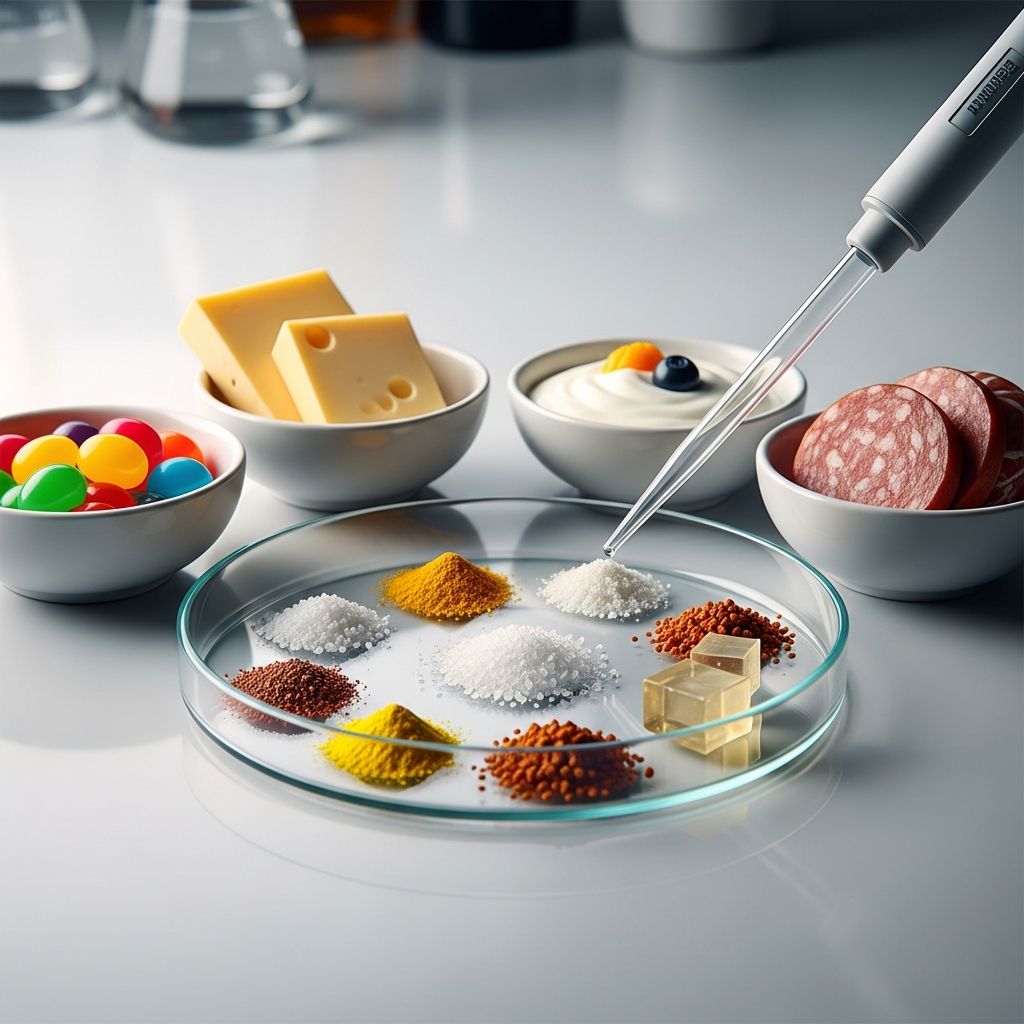
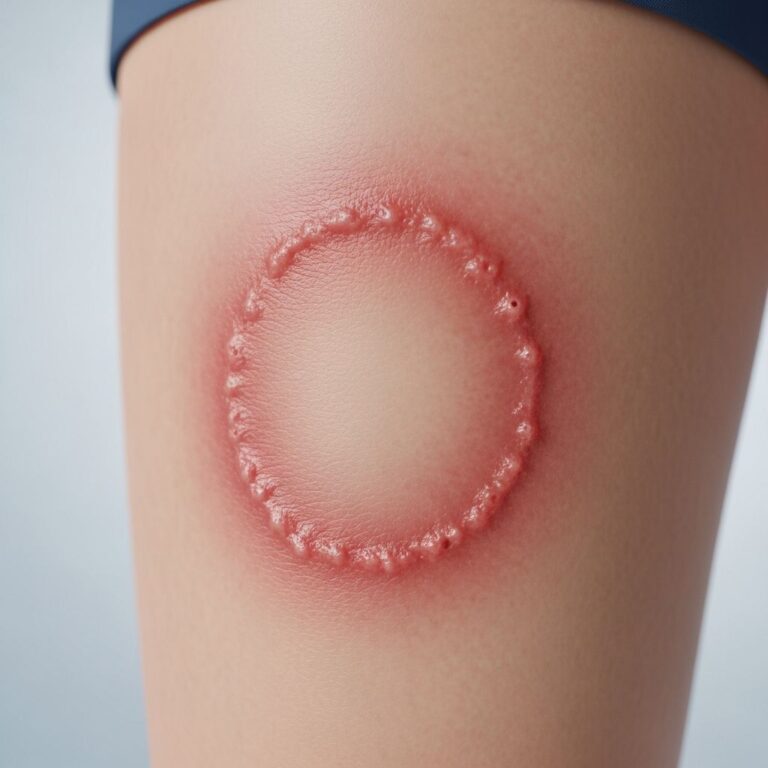
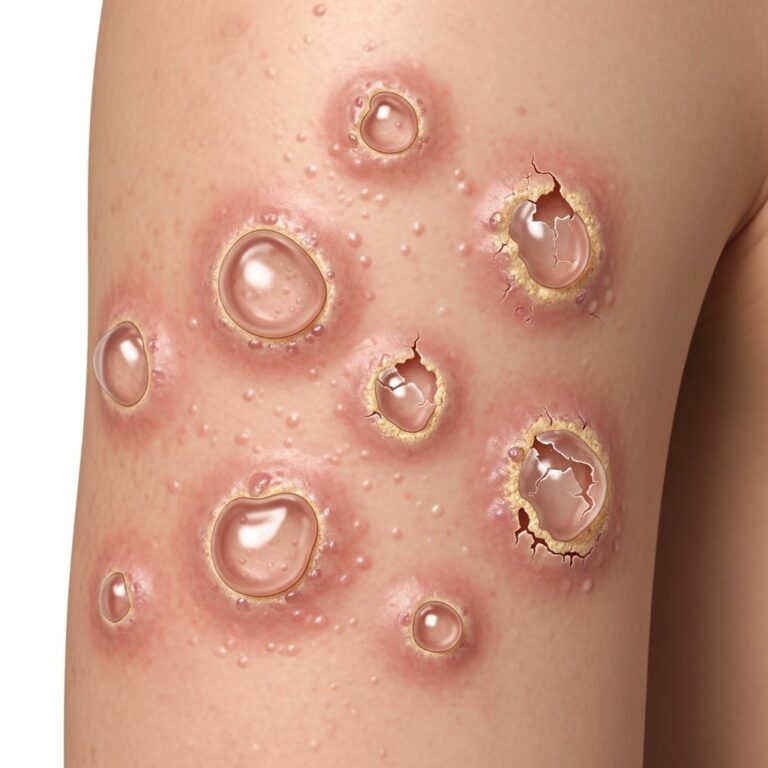
Food additives, identified by E numbers in the European Union and similar coding systems elsewhere, enhance food appearance, taste, texture, and shelf life. These substances include colours, preservatives, antioxidants, emulsifiers, stabilisers, flavour enhancers, and more. While generally safe, certain additives can trigger adverse reactions, particularly in sensitive individuals, manifesting as cutaneous symptoms such as flushing, pruritus, rash, urticaria, and angioedema. Benzoates and flavourings have been implicated in orofacial granulomatosis, and reactions may exacerbate conditions like atopic dermatitis or asthma.
What are food additives?
Food additives are substances added to food to preserve it, give it flavour or colour, or to improve its sensory qualities or stability. They are rigorously tested and regulated by authorities like the European Food Safety Authority (EFSA) and the U.S. Food and Drug Administration (FDA). E numbers denote approved additives in the EU, Australia, and New Zealand, with the ‘E’ signifying ‘Europe’. Over 300 E numbers exist, each assigned based on function and safety.
Common categories include:
- Colours: Enhance visual appeal (e.g., tartrazine E102).
- Preservatives: Prevent spoilage (e.g., sodium benzoate E211).
- Antioxidants: Inhibit oxidation (e.g., ascorbic acid E300).
- Emulsifiers: Stabilize mixtures (e.g., lecithin E322).
- Flavour enhancers: Boost taste (e.g., monosodium glutamate E621).
Reactions to additives vary from mild to severe, involving skin (urticaria, angioedema), respiratory (asthma flares), or gastrointestinal symptoms. In atopic dermatitis (AD), food additives like azorubine and carmine have shown positive atopy patch test (APT) results, suggesting contact sensitivity. Studies indicate 62% of AD children reacted positively, primarily to azorubine E122.
Clinical features of food additive hypersensitivity
Hypersensitivity to food additives can mimic IgE-mediated allergies but often involves non-IgE mechanisms like pseudoallergic reactions. Cutaneous manifestations predominate:
- Urticaria and angioedema: Hives and swelling, often rapid-onset after ingestion.
- Flushing and pruritus: Reddening and itching, especially facial.
- Rash and eczema flares: Exacerbation of atopic dermatitis.
Non-cutaneous symptoms include asthma worsening, rhinitis, nausea, and rarely anaphylaxis. Carmine (cochineal extract) is notorious for anaphylaxis and recurrent dermatitis. Monosodium glutamate (MSG, E621) links to ‘Chinese restaurant syndrome’—burning sensations, tightness—and aggravates chronic urticaria and asthma. In children with AD, APT positivity to additives like brilliant black, butylhydroxytoluene, cochineal red, and tartrazine occurs in up to 62%. Reactions are typically mild per challenge studies but can precipitate oxidative stress and inflammation.
History suggestive of food additive reactions
A suggestive history includes:
- Recurrent urticaria/angioedema shortly after eating processed foods.
- Consistent symptoms with specific foods (e.g., brightly coloured drinks, preserved meats).
- Exacerbations of eczema or asthma post-ingestion.
- Multiple food allergies or intolerances.
- Family history of atopy.
- Orofacial granulomatosis linked to benzoates.
Patients often report reactions to wine, confectionery, or takeaways rich in additives.
Diagnostic approach
Diagnosis relies on history, exclusion diets, and provocation tests, as skin prick tests are unreliable for non-IgE reactions.
- Exclusion diet: Remove common culprits (e.g., azo dyes, benzoates, sulphites) for 2-4 weeks, monitoring symptoms.
- Reintroduction challenges: Single-blind or open challenges with additives at typical doses.
- Atopy patch tests (APT): Useful in AD; positive to 23 additives in one study (e.g., azorubine 24.4%).
Related Stories



Rigorous oral challenges confirm mild reactions like urticaria/asthma exacerbations.
Treatment and management
Specific treatment targets symptoms:
- Antihistamines: For urticaria/pruritus.
- Topical steroids: For eczema flares.
- Adrenaline: Anaphylaxis.
- Avoidance: Read labels; E numbers mandatory in EU since 1980s.
Wear a medical alert bracelet for severe cases. Long-term: oligoantigenic diet under supervision.
Which food additives are implicated?
Azo dyes (e.g., tartrazine E102, sunset yellow E110) and benzoates frequently cause reactions. Carmine and MSG are high-risk.
Colouring agents (E100-199)
Artificial colours like tartrazine (E102) link to urticaria, asthma; banned/restricted in some foods.
| E Number | Name | Notes |
|---|---|---|
| E102 | Tartrazine | Azo dye; urticaria, asthma |
| E110 | Sunset yellow FCF | Azo dye; hyperactivity concerns |
| E122 | Azorubine (carmoisine) | Positive APT in 24.4% AD kids |
| E124 | Ponceau 4R | Asthma, urticaria aggravator |
| E129 | Allura red AC | Similar to tartrazine |
Preservatives (E200-299)
| E Number | Name | Notes |
|---|---|---|
| E210-213 | Benzoic acid salts | Urticaria, orofacial granulomatosis |
| E220-228 | Sulphites | Asthma trigger |
| E216 | Propyl paraben | Chronic dermatitis |
Antioxidants and others
BHA (E320), BHT (E321): Potential sensitizers. MSG (E621): Neurotoxic, urticaria.
Numbers without an E prefix (Table 7 examples)
| Name | Description | Examples of use |
|---|---|---|
| Arrowroot | Plant starch thickener | Glazes, jellies |
| Caffeine | Flavouring | Energy drinks |
| Carmine | Red dye from insects | Yogurts; anaphylaxis risk |
| MSG | Flavour enhancer | Processed foods |
| Gelatine | Gelling agent | Jellies |
Frequently Asked Questions (FAQs)
Q: Can food additives cause eczema?
A: Yes, additives like azorubine and carmine can exacerbate atopic dermatitis via contact sensitivity, confirmed by APT in studies.
Q: Are E numbers safe?
A: Most are safe for the general population, but hypersensitive individuals may react to specific ones like tartrazine or sulphites.
Q: How to avoid problematic additives?
A: Check labels for E numbers, opt for fresh foods, use apps for scanning.
Q: Is MSG dangerous?
A: MSG can worsen urticaria and asthma; linked to Chinese restaurant syndrome.
Q: What if I suspect a reaction?
A: Consult an allergist for exclusion diets and challenges.
References
- Evaluation of contact sensitivity to food additives in children with atopic dermatitis — Termedia Publishing. 2016-10-12. https://www.termedia.pl/Evaluation-of-contact-sensitivity-to-food-additives-in-children-with-atopic-dermatitis,7,40898,1,1.html
- Food Additives and E Numbers — DermNet NZ. 2023-05-15. https://dermnetnz.org/topics/food-additives-and-e-numbers
- What are THE MOST DANGEROUS E-NUMBERS — Talking About The Science. 2022-01-01. https://www.talkingaboutthescience.com/studies/E-numbers.pdf
- Hypersensitivity to food additives — University of Manchester. 2024-06-20. https://sites.manchester.ac.uk/foodallergens/allergy-facts/hypersensitivity-to-food-additives/
- Adverse reactions to food additives — National Institutes of Health (PMC). 2024-08-01. https://pmc.ncbi.nlm.nih.gov/articles/PMC11250194/
Similar Articles








Read full bio of Sneha Tete