Food Allergies: Causes, Symptoms & Treatment
Understand food allergies, their causes, symptoms, and effective treatment options for lasting relief.
Understanding Food Allergies
A food allergy occurs when the body’s immune system mistakenly identifies a food ingredient—usually a protein—as harmful and mounts a defense response against it. Unlike food intolerance, which affects the digestive system, food allergies involve the immune system and can trigger reactions ranging from mild to life-threatening. Even trace amounts of an allergen can provoke symptoms in highly sensitive individuals, making food allergies a serious health concern that requires careful management and medical supervision.
Common Food Allergens
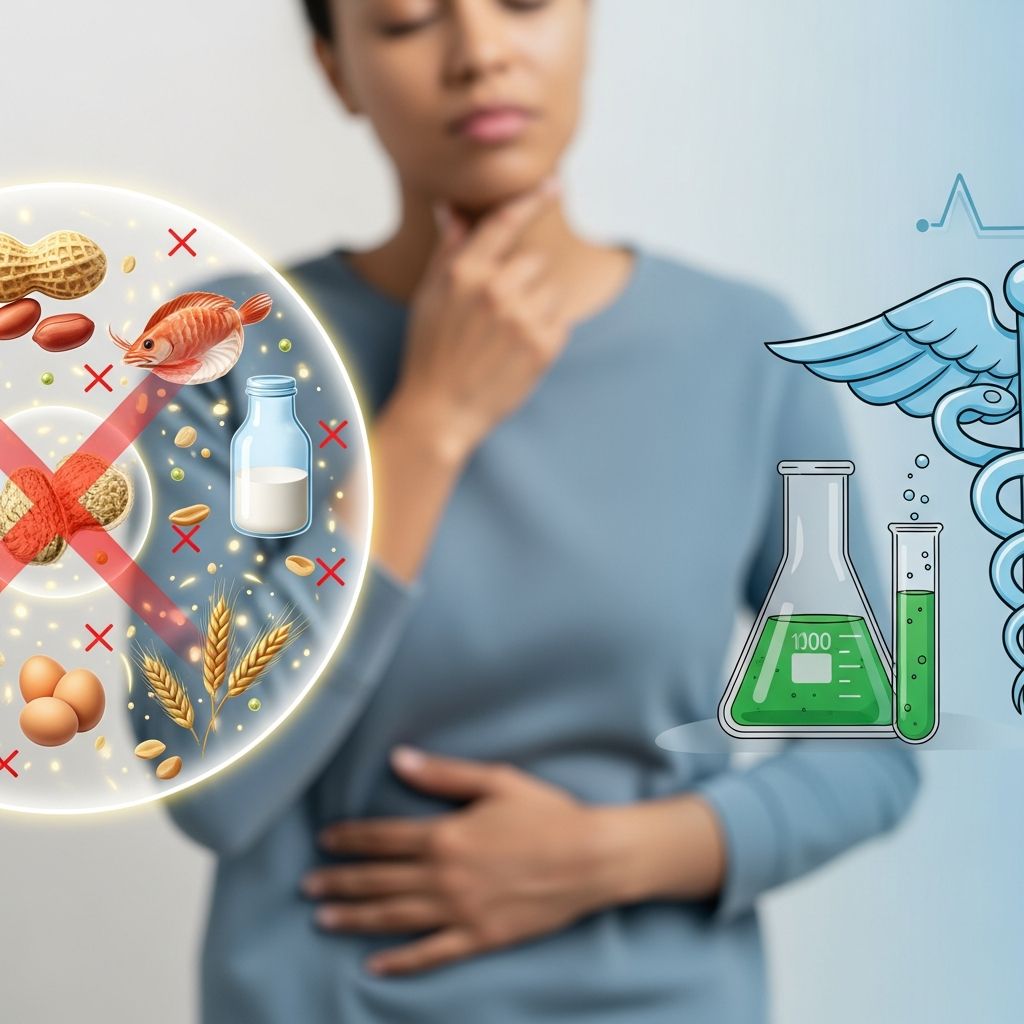
While a person could theoretically develop an allergy to almost any food, eight foods account for approximately 90% of all food-related allergic reactions. Understanding these common culprits is essential for effective prevention and management:
- Milk
- Eggs
- Peanuts
- Tree nuts (such as cashews, walnuts, and almonds)
- Fish
- Shellfish
- Soy
- Wheat
These eight allergens represent the majority of cases requiring medical intervention, though reactions can occur to virtually any food product. Some individuals develop allergies to multiple foods simultaneously, which requires comprehensive dietary planning and medical oversight.
Symptoms and Signs of Food Allergies
Food allergy symptoms can manifest in various ways and with different severities. Symptoms typically appear within minutes to two hours of consuming the trigger food, though the exact timeline varies by individual. Recognizing these signs is crucial for prompt treatment:
Mild to Moderate Symptoms
Common symptoms include itching or tingling in the mouth and throat, swelling of the lips, mouth, tongue or throat, skin reactions such as hives or eczema flares, gastrointestinal distress including nausea, abdominal cramping, vomiting, or diarrhea, and nasal congestion or sneezing.
Severe Symptoms
Severe allergic reactions can include difficulty breathing, throat tightness, dizziness or fainting, and anaphylaxis—a life-threatening condition requiring immediate emergency medical attention. Anaphylaxis is characterized by a rapid drop in blood pressure, loss of consciousness, and can be fatal without immediate treatment with epinephrine.
Diagnosis of Food Allergies
Accurate diagnosis is essential for developing an effective management plan. Healthcare providers use several diagnostic methods to identify food allergies:
Patient History Assessment
During the initial consultation, your healthcare provider will ask detailed questions about your allergic reactions. This includes what and how much food you consumed, how long before symptoms appeared, what symptoms developed, and how long they lasted. This comprehensive history helps identify potential trigger foods.
Skin Prick Testing
Skin prick testing involves placing small amounts of different allergens on your arms and back, then making tiny pricks or scratches in those areas. If the skin develops redness and itching within 15 minutes, it indicates an allergy to that specific substance. This test is quick, affordable, and provides immediate results.
Related Stories



Blood Testing
Blood tests measure levels of immunoglobulin E (IgE) antibodies against specific allergens. A higher number of antibodies to particular foods indicates an allergic reaction. Blood testing can be particularly useful for patients with extensive skin conditions or those taking medications that interfere with skin testing.
Oral Food Challenges
In some cases, physicians may recommend an oral food challenge under controlled medical supervision. During this test, you gradually consume increasing amounts of the suspected allergen while medical professionals monitor for reactions. This test confirms suspected allergies and helps establish safe consumption thresholds.
Treatment Options
Food allergy treatment approaches vary based on severity, individual circumstances, and treatment goals. Modern medicine offers several evidence-based strategies:
Dietary Avoidance
The most effective and immediate treatment is eliminating trigger foods from your diet. Working with registered dietitians helps you navigate label reading, identify hidden allergens, make nutritious food substitutions, and maintain proper nutrition despite dietary restrictions. This approach prevents allergic reactions from occurring in the first place.
Emergency Medication Management
For individuals with a history of severe reactions, healthcare providers prescribe epinephrine auto-injectors for emergency use. Additional medications may include antihistamines for mild reactions, corticosteroids to reduce inflammation, and other medications tailored to individual symptoms.
Oral Immunotherapy (OIT)
Oral immunotherapy represents a promising newer treatment approach. This desensitization therapy involves gradually introducing small, increasing amounts of the allergen under medical supervision, helping the immune system become less reactive to the food. Cleveland Clinic is among the few healthcare systems in the country offering early OIT treatment to children as young as four years old and younger, with excellent outcomes based on clinical research and established safety guidelines.
Sublingual Immunotherapy
Sublingual immunotherapy, where allergen extracts are placed under the tongue, represents another emerging treatment option being explored to reduce allergic reactions to food. This approach may offer advantages for certain patients seeking desensitization therapy.
Living With Food Allergies
Food allergies extend beyond physical health considerations. They can significantly impact social life, emotional well-being, and daily routines. Many individuals experience anxiety about eating outside the home, social isolation, and stress about cross-contamination risks.
Social and Emotional Support
Comprehensive food allergy management includes addressing psychological and emotional impacts. Working with pediatric psychologists and mental health professionals helps develop relaxation strategies and anxiety management techniques for both patients and families. Support groups and educational resources provide valuable community connection and practical guidance.
Nutrition Counseling
Registered dietitians specializing in food allergies provide personalized nutrition plans ensuring adequate nutrient intake despite dietary restrictions. They assist with recipe development, label reading strategies, food substitutions, and ensure nutritional goals are met throughout treatment and recovery.
Eating Away From Home
Managing food allergies while dining out or attending social events requires preparation and clear communication. Strategies include researching restaurant menus in advance, clearly communicating allergies to staff, bringing safe snack alternatives, and understanding how to recognize and respond to accidental exposures.
Prevention Strategies
Emerging research suggests that early food introduction may help prevent food allergy development in susceptible children. Introducing potential allergens early in life, rather than delaying exposure, appears to reduce the likelihood of developing full-blown allergies. This represents a significant shift in prevention strategies from previous recommendations.
Related Conditions
Individuals with food allergies frequently experience other allergic conditions, including hay fever (allergic rhinitis), eczema, and asthma. Additionally, some patients may have related food-associated conditions such as eosinophilic esophagitis, food protein-induced enterocolitis syndrome (FPIES), or food protein proctocolitis, which require specialized diagnostic and treatment approaches.
Comprehensive Medical Care
Effective food allergy management requires a multidisciplinary approach. Care teams typically include allergists specializing in food reactions, pediatric psychologists addressing emotional aspects, registered dietitians providing nutritional expertise, and other medical specialists as needed. This coordinated team approach ensures all dimensions of food allergy—physical, nutritional, and psychological—receive appropriate attention.
When to Seek Medical Care
Seek immediate emergency medical attention if you experience symptoms of anaphylaxis, including difficulty breathing, throat tightness, rapid heartbeat, dizziness, or loss of consciousness. Contact your healthcare provider if you suspect a food allergy, experience recurring symptoms after eating certain foods, or need guidance about dietary management and treatment options.
Frequently Asked Questions
Q: Can food allergies develop at any age?
A: Yes, food allergies can develop at any age, from infancy through adulthood. While many begin in childhood, some individuals develop new allergies later in life. Some children may outgrow certain allergies, while others persist into adulthood.
Q: What is the difference between food allergy and food intolerance?
A: Food allergies involve immune system responses and can cause severe, potentially life-threatening reactions. Food intolerance affects the digestive system and causes symptoms like bloating, gas, and abdominal pain but is not life-threatening.
Q: Is there a cure for food allergies?
A: While complete cures are not yet available, dietary avoidance effectively prevents reactions, and emerging treatments like oral immunotherapy show promise in desensitizing patients to allergens. Some children naturally outgrow certain food allergies over time.
Q: How can I safely introduce potential allergens to my child?
A: Consult your pediatrician or allergist before introducing potential allergens. Early introduction at home under medical guidance may help prevent allergy development, but individualized recommendations are essential based on family history and risk factors.
Q: What should I do if someone has an anaphylactic reaction?
A: Call emergency services immediately (911 in the United States). If an epinephrine auto-injector is available, administer it according to package directions. Do not delay emergency care, as anaphylaxis is life-threatening and requires immediate professional medical intervention.
Q: Can food allergies be managed without complete avoidance?
A: For some patients, emerging treatments like oral immunotherapy may allow increased tolerance. However, dietary avoidance remains the primary prevention strategy. Consult with allergists to determine the best approach for your specific situation.
References
- Food Allergy Treatment Services — Cleveland Clinic. 2025. https://my.clevelandclinic.org/services/food-allergies-treatment
- Food Allergy Treatment and the Food Allergy Center — Cleveland Clinic. 2025. https://my.clevelandclinic.org/departments/respiratory/depts/food-allergies
- Nutrition Essentials: Could a Child’s Diet Prevent Food Allergies? — Cleveland Clinic. 2025. https://my.clevelandclinic.org/podcasts/health-essentials/nutrition-essentials-could-a-childs-diet-prevent-food-allergies
- Living With Food Allergies — Cleveland Clinic. 2025. https://my.clevelandclinic.org/watch/living-with-food-allergies
- Food Intolerance: Symptoms, Causes and Treatment Options — Cleveland Clinic. 2025. https://my.clevelandclinic.org/health/diseases/21688-food-intolerance
- Allergy Blood Testing: A Practical Guide for Clinicians — Cleveland Clinic Journal of Medicine, Vol. 78, No. 9. 2011. https://www.ccjm.org/content/ccjom/78/9/585.full.pdf
Similar Articles








Read full bio of Sneha Tete