Food Allergies and Intolerances: Understanding Differences and Management
Learn the critical differences between food allergies and intolerances, recognize symptoms, and discover effective management strategies.
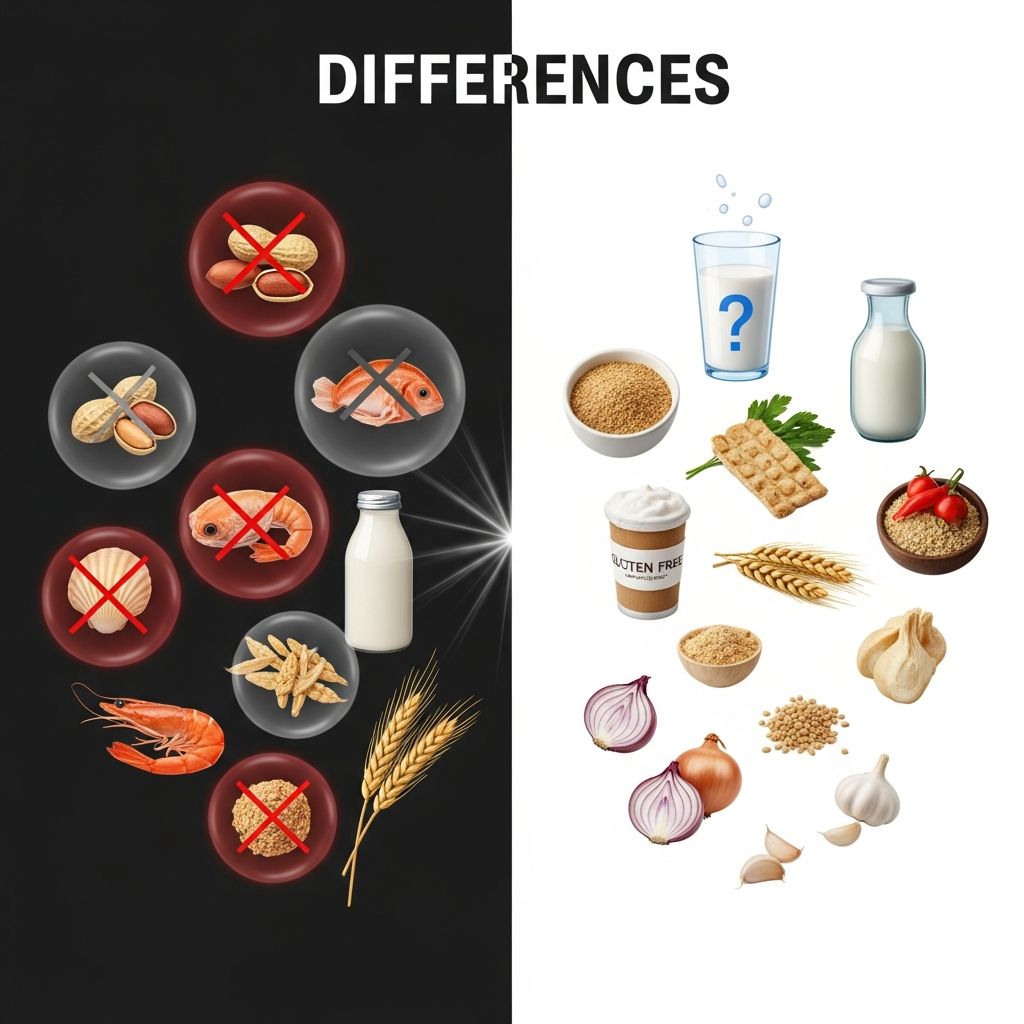
Food allergies and intolerances affect millions of people worldwide, yet they are frequently misunderstood and confused with one another. While both conditions involve adverse reactions to specific foods, they differ significantly in their biological mechanisms, severity, and management approaches. Understanding these distinctions is essential for anyone experiencing food-related health concerns, as proper diagnosis and treatment can dramatically improve quality of life and prevent serious health complications.
What Are Food Allergies?
A food allergy is an immune-mediated reaction that occurs when the body’s immune system mistakenly identifies a protein in food as harmful. When someone with a food allergy consumes the offending food, their immune system triggers a cascade of responses involving immunoglobulin E (IgE) antibodies and mast cells, leading to the release of histamine and other chemical mediators. This immune response can occur within minutes to a few hours after food consumption and may range from mild discomfort to life-threatening anaphylaxis.
Food allergies represent a significant public health concern, with common allergens including milk, eggs, peanuts, tree nuts, fish, shellfish, soy, and wheat. These eight foods account for the majority of food allergic reactions in both children and adults. The prevalence of food allergies has increased substantially over recent decades, affecting approximately 3-4% of adults and up to 8% of children in developed countries.
What Are Food Intolerances?
Food intolerance, by contrast, is a non-immune reaction that primarily affects the digestive system. Unlike allergies, intolerances do not involve the immune system or produce IgE antibodies. Instead, they result from difficulty digesting certain foods or from sensitivity to food additives and components. Common causes include lactose intolerance, fructose malabsorption, celiac disease (which has an immune component but differs mechanically from allergies), and sensitivities to food additives like sulfites or MSG.
Food intolerances tend to be lifelong conditions. However, many people find that they can manage symptoms by reducing or eliminating problem foods from their diet, and some individuals may tolerate small quantities without experiencing significant reactions.
Distinguishing Symptoms and Signs
Symptoms of Food Allergies
Food allergy symptoms can vary widely in severity and onset. Common symptoms include:
- Hives or red, itchy skin
- Stuffy or itchy nose, sneezing, or itchy, teary eyes
- Vomiting, stomach cramps, or diarrhea
- Angioedema or swelling of lips, tongue, or throat
- Tingling in the hands, feet, lips, or scalp
In severe cases, food allergies can trigger anaphylaxis, a life-threatening reaction requiring immediate emergency treatment. Signs of anaphylaxis include hoarseness, throat tightness, wheezing, chest tightness, trouble breathing, and persistent dizziness or collapse. Up to 5% of people with food allergies experience anaphylactic reactions, making emergency preparedness essential.
Symptoms of Food Intolerances
Food intolerance symptoms typically develop more gradually than allergic reactions and primarily affect the digestive and nervous systems. Common symptoms include:
- Diarrhea, bloating, gas, and stomach pain
- Headaches or migraines
- Fatigue or exhaustion
- Nausea or constipation
- Joint pain or skin rashes
- Nervousness, tremor, or sweating
- Palpitations or rapid breathing
Symptoms of food intolerance typically appear a few hours after eating the offending food and may last for hours or days. Importantly, food intolerances are not life-threatening and do not involve immune system activation.
Diagnosis Methods
Diagnosing Food Allergies
Accurate diagnosis of food allergies requires a comprehensive approach combining multiple diagnostic methods:
- Clinical History: Detailed information about when symptoms occur, which foods trigger reactions, and symptom severity
- Skin Prick Tests: A healthcare provider applies small amounts of allergen extract to the skin and observes for reactions
- Serum-Specific IgE Testing: Blood tests that measure immunoglobulin E antibodies specific to particular allergens
- Oral Food Challenges: Under medical supervision, patients consume the suspected allergen in controlled amounts to confirm diagnosis
Healthcare providers emphasize the importance of evidence-based testing rather than unproven diagnostic methods.
Diagnosing Food Intolerances
Food intolerances are diagnosed primarily through elimination diets and careful observation of symptoms. The gold standard involves strict ingredient avoidance followed by gradual reintroduction of the suspected food to determine the extent of tolerance.[10] Healthcare professionals recommend consulting with a registered dietitian or clinical immunology specialist before making significant dietary changes to ensure nutritional adequacy. Some intolerances, such as lactose intolerance, can be identified through hydrogen breath tests or other functional tests.
Special Consideration: Oral Allergy Syndrome
Oral allergy syndrome (OAS) represents a unique category of food reaction that bridges allergies and intolerances. This condition typically affects individuals with pollen allergies and occurs when raw fruits or vegetables containing proteins that cross-react with pollen allergens are consumed. Common foods associated with OAS include apples, peaches, cherries, and bananas.
Interestingly, cooking significantly alters these allergenic proteins through heat-induced protein denaturation, rendering them unrecognizable to the immune system. As a result, most individuals with OAS can tolerate cooked forms of these foods without experiencing symptoms, despite reacting to the same foods when consumed raw.
Management and Treatment Strategies
Food Allergy Management
The primary management strategy for food allergies is strict avoidance of the offending allergen. This requires careful attention to food labels, asking about ingredients when eating at restaurants or consuming foods prepared by others, and maintaining awareness of potential cross-contamination. Patient education plays a crucial role in successful allergen avoidance and should include information about reading labels, identifying hidden allergens, and recognizing early symptoms of allergic reactions.
Pharmaceutical Interventions
Epinephrine Auto-Injectors: For individuals at risk of severe allergic reactions, epinephrine auto-injectors (such as EpiPen or AUVI-Q) represent the first-line emergency treatment. These devices deliver adrenaline, which relaxes muscles in the airway and tightens blood vessels, counteracting the effects of anaphylaxis. Individuals with severe food allergies should carry their epinephrine auto-injectors at all times and understand how to use them properly.
Omalizumab and Biologics: Newer biological therapies have revolutionized food allergy treatment. Omalizumab, an anti-IgE monoclonal antibody, was approved by the FDA in 2024 for treating food allergies. This medication reduces the severity of allergic reactions by raising the threshold of reactivity to food allergens, particularly when used in conjunction with oral immunotherapy. Additional biologics are currently under investigation to evaluate their safety and effectiveness.
Immunotherapy Approaches
Allergen immunotherapy, including oral, sublingual, and epicutaneous approaches, aims to desensitize individuals with food allergies to specific antigens. This treatment induces tolerance by gradually increasing exposure to allergenic extracts over weeks to months. For peanut allergies in children aged 4-17, an FDA-approved form of oral immunotherapy is available to reduce the incidence and severity of allergic reactions.
Food Intolerance Management
Management of food intolerances focuses on dietary modification and symptom relief rather than immune intervention. Most people can manage symptoms by reducing or eliminating problem foods from their diet. Many individuals find that consuming small amounts of the offending food causes minimal or no symptoms.
Lactose Intolerance Solutions: People with lactose intolerance can consume lactose-free milk and dairy products, or purchase lactase enzyme preparations from drugstores. Lactase pills can be taken before consuming dairy products, or lactase drops can be added directly to milk to break down the lactose.
Symptomatic Relief: Over-the-counter medications can help manage intolerance symptoms. Antacids address heartburn and acid reflux, while antidiarrheals manage digestive symptoms. It is important to read medication instruction labels or consult a healthcare provider for appropriate dosage and frequency.
Emergency Action Plans and Preparedness
For individuals with severe food allergies, developing a comprehensive Anaphylaxis Action Plan is essential. This plan should outline:
- Specific allergens to avoid
- Early warning signs of allergic reactions
- Steps to take immediately when a reaction begins
- Location and proper use of epinephrine auto-injectors
- Contact information for emergency services and healthcare providers
- Emergency procedures in schools, workplaces, and other community settings
The American College of Allergy, Asthma & Immunology’s 2023 Practice Parameter Update emphasizes the importance of eliminating food allergens from the diet, utilizing epinephrine, and ensuring education and preparedness in managing allergic reactions in community settings.
Working with Healthcare Professionals
Proper diagnosis and management of food allergies and intolerances require collaboration with qualified healthcare professionals. Registered dietitians and clinical immunology/allergy specialists can provide individual dietary management plans that ensure adequate nutrition while avoiding problematic foods. These professionals help patients understand their specific conditions, develop appropriate management strategies, and identify potential hidden allergens or intolerances that may not be immediately obvious.
Frequently Asked Questions
Q: Can a food intolerance develop into a food allergy?
A: No. Food intolerances and allergies are fundamentally different conditions involving different biological mechanisms. A food intolerance will not develop into an allergy, though a person may experience both conditions with different foods.
Q: Is there a cure for food allergies?
A: Currently, there is no cure for food allergies. However, new treatments like immunotherapy and biological therapies can reduce the severity of reactions and improve quality of life. Some children may outgrow certain food allergies, particularly milk, egg, wheat, and soy allergies, though peanut allergies are less likely to be outgrown.
Q: How can I tell if I have a food allergy or intolerance?
A: The timing and type of symptoms differ between the two conditions. Allergies typically cause immediate reactions affecting multiple body systems (skin, respiratory, digestive, cardiovascular), while intolerances cause delayed digestive symptoms. A healthcare provider can perform appropriate diagnostic tests to confirm which condition you have.
Q: Can I outgrow food allergies?
A: Some children do outgrow certain food allergies, particularly to milk, eggs, wheat, and soy. However, allergies to peanuts, tree nuts, fish, and shellfish are more likely to persist into adulthood. A healthcare provider can monitor your tolerance over time.
Q: What should I do if I experience anaphylaxis?
A: Anaphylaxis is a medical emergency requiring immediate action. Use an epinephrine auto-injector if available, then call 911 immediately, even if symptoms improve after using epinephrine. Always seek emergency medical care for suspected anaphylaxis.
References
- Food Allergies – StatPearls — National Center for Biotechnology Information (NCBI). 2024. https://www.ncbi.nlm.nih.gov/books/NBK482187/
- Food Intolerance: Symptoms, Causes and Treatment Options — Cleveland Clinic. 2024. https://my.clevelandclinic.org/health/diseases/21688-food-intolerance
- Food Allergies Symptoms, Diagnosis & Treatment — American Academy of Allergy, Asthma & Immunology (AAAAI). 2024. https://www.aaaai.org/conditions-treatments/allergies/food-allergy
- Food Intolerance — Children’s Hospital of Philadelphia. 2024. https://www.chop.edu/conditions-diseases/food-intolerance
- Food Allergy and Intolerance — Better Health Channel, State Government of Victoria, Australia. 2024. https://www.betterhealth.vic.gov.au/health/conditionsandtreatments/food-allergy-and-intolerance
- Consumers with Food Sensitivities — Food Allergy Research & Resource Program (FARRP), University of Nebraska-Lincoln. 2024. https://farrp.unl.edu/farrp-resources/consumers/consumers-food-sensitivities/
- Food Allergies: Symptoms and the Common Allergens That Cause Them — HealthPartners. 2024. https://www.healthpartners.com/blog/food-allergies-symptoms-and-allergens/
Similar Articles





Read full bio of medha deb