Food And Drug Interactions: 5 Key Mechanisms To Know
Discover essential tips to avoid dangerous interactions between your medications and everyday foods for safer health management.
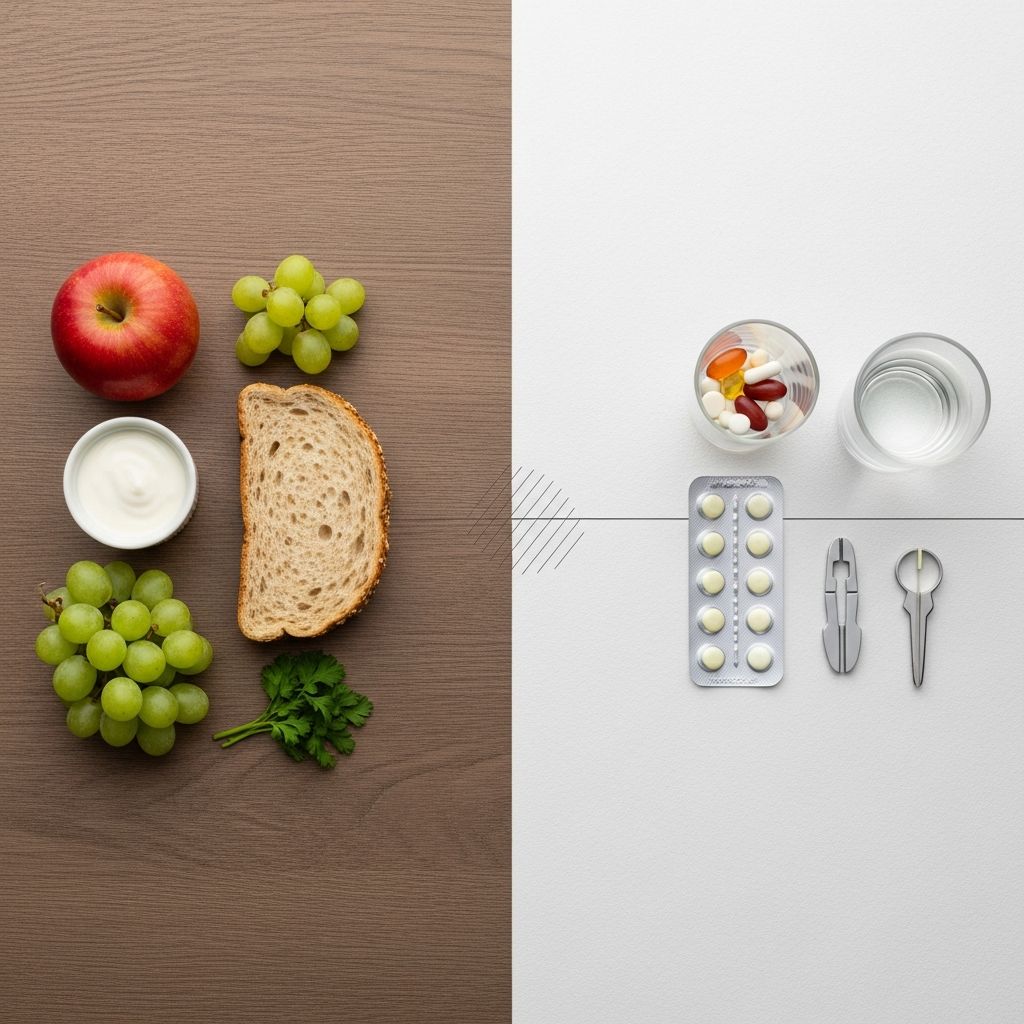
Many people take medications daily without realizing that their meals can significantly impact how these drugs work in the body. Foods can either enhance, reduce, or completely block a medicine’s absorption, metabolism, or effects, leading to treatment failure or unexpected side effects. Understanding these interactions is crucial for optimizing health outcomes and preventing risks like dangerously high blood pressure or diminished drug efficacy.
Why Food Affects Medications
The body processes drugs through absorption in the gut, distribution via the bloodstream, metabolism primarily in the liver, and excretion through the kidneys. Foods influence these stages in various ways. For instance, high-fat meals can delay gastric emptying, slowing drug release from tablets. Dairy products rich in calcium and magnesium form insoluble complexes with certain antibiotics, slashing their bioavailability. Acidic fruit juices might alter stomach pH, affecting drug stability.
Individual factors like age, weight, genetics, and overall health amplify these effects. Children, elderly patients, and those with gastrointestinal issues face higher risks. Always check medication labels for instructions like “take with food” or “on an empty stomach,” as these guide safe administration.
Key Mechanisms of Interaction
- Absorption Interference: Foods with fibers, fats, or minerals bind to drugs, preventing uptake. Examples include dairy blocking tetracyclines.
- Metabolism Changes: Components like grapefruit’s furanocoumarins inhibit liver enzymes (CYP3A4), causing drug buildup and toxicity.
- pH Alterations: Juices or antacids shift gut acidity, impacting drugs needing specific environments for dissolution.
- Nutrient Competition: Some drugs hinder vitamin or mineral absorption from food, leading to deficiencies over time.
- Pharmacodynamic Effects: Foods amplify or counteract drug actions, such as tyramine boosting blood pressure with MAOIs.
Common Foods and Their Risks
Certain everyday items pose widespread threats. Here’s a breakdown:
Grapefruit and Other Citrus Juices
Grapefruit juice is notorious for inhibiting CYP3A4 enzymes in the gut and liver, increasing blood levels of drugs like statins (simvastatin), calcium channel blockers (felodipine), and immunosuppressants (cyclosporine). This can lead to toxicity, including muscle damage or excessive blood pressure drops. Pomelo, Seville oranges, and cranberry juice show similar, though milder, effects. Avoid consuming these within 4-6 hours of affected medications.
Dairy and High-Mineral Foods
Milk, yogurt, cheese, and supplements with calcium, magnesium, iron, or aluminum chelate with antibiotics like tetracyclines (doxycycline, minocycline) and quinolones (ciprofloxacin), reducing absorption by up to 90%. Space intake by 2 hours before or 4-6 hours after dairy.
| Drug Class | Problem Foods | Recommended Timing |
|---|---|---|
| Tetracyclines | Dairy, antacids | 1 hour before or 2 hours after meals |
| Quinolones | Calcium-rich foods | 2 hours apart |
| Bisphosphonates | Any food, coffee, juice | 30-60 min before food |
Tyramine-Containing Foods
Tyramine, found in aged, fermented, or spoiled foods, interacts severely with monoamine oxidase inhibitors (MAOIs) like phenelzine, tranylcypromine, and linezolid. It triggers hypertensive crises via norepinephrine release. Irreversible MAOIs demand total avoidance; reversible ones allow small amounts. Key foods: aged cheeses (cheddar, blue), cured meats (salami, pepperoni), soy sauce, sauerkraut, beer, red wine, and overripe bananas.
- Aged cheeses: cheddar, gouda, stilton
- Fermented items: kimchi, miso
- Protein-rich: smoked fish, liver
- Drinks: tap beer, chianti
Related Stories



High-Fat and High-Fiber Meals
Fatty foods delay absorption of drugs like griseofulvin (antifungal) but enhance others like itraconazole. Fiber in bran or pectin binds statins (lovastatin), lowering cholesterol control. Take statins without regard to meals unless specified, but limit oat bran.
Drug Categories at High Risk
Antibiotics
Many require empty stomachs. Tetracyclines and ethambutol clash with meals; take 1 hour before or 2 hours after. Rifampin and isoniazid follow suit.
Statins and Cardiovascular Drugs
Simvastatin levels rise with grapefruit; avoid entirely. MAOIs demand tyramine vigilance. Proton pump inhibitors (PPIs) like omeprazole vary: some with food, others without.
Thyroid Medications and Others
Levothyroxine absorption drops with fiber, soy, or calcium; take on empty stomach. Bisphosphonates (alendronate) need fasting states.
| Medication Example | Interaction Type | Avoid or Adjust |
|---|---|---|
| Warfarin | Vitamin K foods (greens) | Consistent intake |
| Theophylline | High-fat/carbs | Monitor levels |
| Linezolid | Tyramine | Limit large amounts |
Practical Tips for Safe Consumption
To minimize risks:
- Read labels and consult pharmacists/doctors about interactions.
- Maintain consistent meal timing relative to doses.
- Take problematic meds first thing in morning, 30-60 min before breakfast.
- Use pill organizers with meal reminders.
- For grapefruit-sensitive drugs, switch if possible or eliminate juice.
- Monitor for symptoms like unusual fatigue, bleeding, or palpitations.
Alcohol exacerbates many: it boosts sedative effects, irritates stomachs with NSAIDs, and risks tyramine spikes with MAOIs.
Special Considerations for Vulnerable Groups
Pregnant individuals, children, and seniors need extra caution. Kids’ developing systems amplify absorption changes; mineral oil laxatives block fat-soluble vitamins (A, D, E, K). Elderly often polypharmacy, multiplying interaction chances.
Frequently Asked Questions (FAQs)
Can I take my antibiotic with yogurt?
No, for tetracyclines or quinolones—wait 2+ hours to avoid reduced effectiveness.
Is grapefruit risky with all statins?
Primarily lovastatin and simvastatin; others like pravastatin are safer.
What if I forget and eat dairy before my pill?
Wait the full interval before redosing; don’t double up.
Do supplements count as food interactions?
Yes, calcium/iron pills mimic dairy effects.
How does alcohol fit in?
Avoid with most meds; it alters liver enzymes and increases side effects.
Monitoring and Professional Advice
Track symptoms and drug levels via blood tests when advised. Pharmacogenomics tests predict personal risks. Always inform healthcare providers of your diet.
References
- Medicines and food: interacting combinations — Medsafe. 2024-09. https://www.medsafe.govt.nz/profs/PUArticles/September2024/Medicines-and-food-interacting-combinations.html
- Medication Interactions: Food, Supplements and Other Drugs — American Heart Association. Accessed 2026. https://www.heart.org/en/health-topics/consumer-healthcare/medication-information/medication-interactions-food-supplements-and-other-drugs
- How to Avoid Common Food & Medication Interactions — University Hospitals. 2025-02-14. https://www.uhhospitals.org/blog/articles/2025/02/how-to-avoid-common-food-and-medication-interactions
- Medications and Food Interaction — California Childcare Health Program, UCSF. Accessed 2026. https://cchp.ucsf.edu/resources/fact-sheets-families/medications-and-food-interaction
- Food-Drug Interactions — PMC (PubMed Central). 2011. https://pmc.ncbi.nlm.nih.gov/articles/PMC3191675/
- Avoid Food and Drug Interactions — FDA via Cure HHT. 2017. https://curehht.org/wp-content/uploads/2017/11/Food_and_Drug_Interactions_FDA.pdf
- Some Medication-Food Interactions — Merck Manuals. Accessed 2026. https://www.merckmanuals.com/home/multimedia/table/some-medication-food-interactions
Similar Articles








Read full bio of medha deb