Food and Drug Interactions: Essential Guide
Understand how foods and medications interact to protect your health and medication effectiveness.
Understanding Food and Drug Interactions
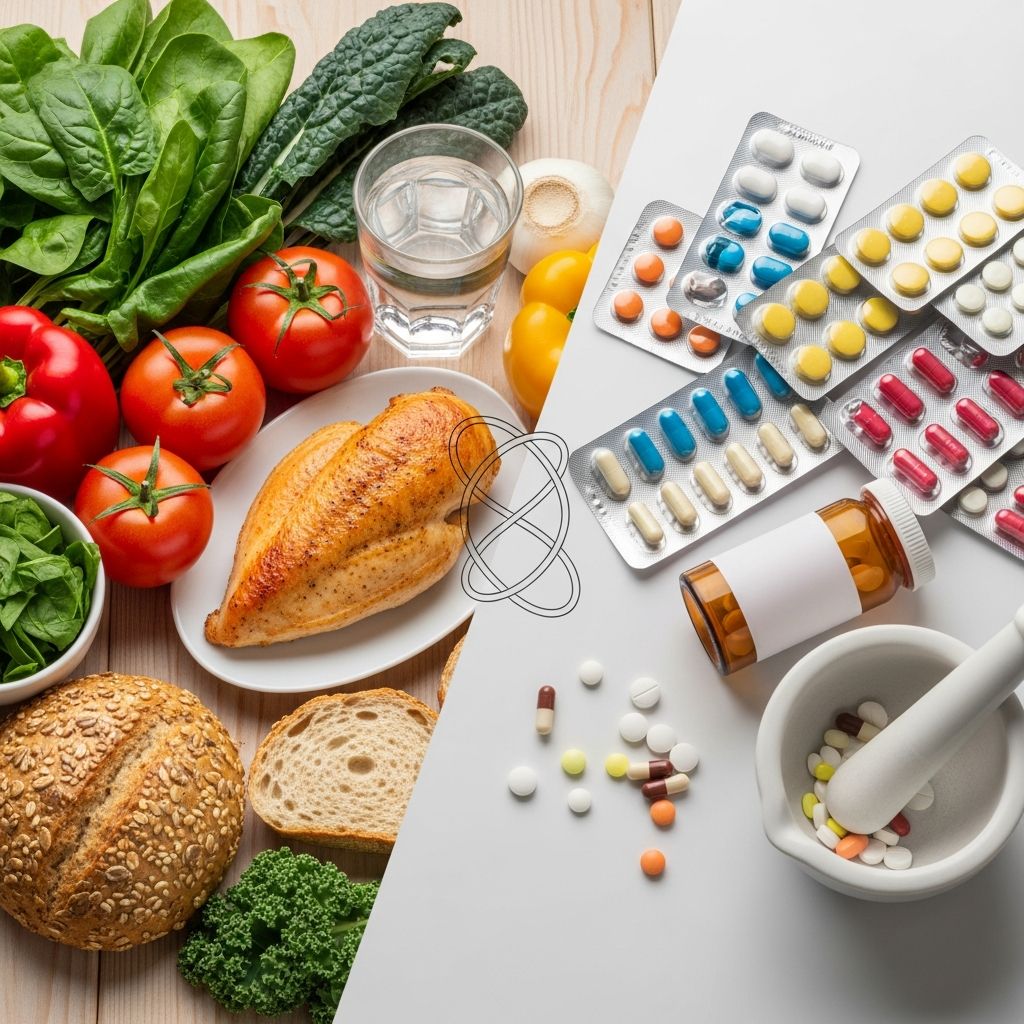
Food and drug interactions occur when the foods, beverages, or dietary supplements you consume affect how your medications work in your body. These interactions are an important consideration for anyone taking prescription or over-the-counter medications, as they can significantly impact treatment effectiveness and safety. Understanding these interactions helps you get the most benefit from your medications while minimizing potential risks.
A food-drug interaction can prevent a medicine from working as intended, cause side effects to become worse or better, or create entirely new side effects. Additionally, medicines can change the way your body processes certain foods. These complex interactions involve various mechanisms, including how medications are absorbed, distributed, metabolized, and eliminated from your body.
How Food and Drugs Interact
The interaction between food and medications operates through several different mechanisms. Understanding these processes helps explain why certain foods and medications should not be taken together, while others may be safely combined.
Absorption and Bioavailability
One of the primary ways food affects medications is by altering their absorption into the bloodstream. Some medications require an empty stomach for optimal absorption, while others need to be taken with food to enhance their effectiveness. Food can slow down stomach emptying and affect the pH environment in your digestive system, both of which influence how much medication your body actually absorbs.
Nutrient Interactions
Specific nutrients in foods can bind to medications or interfere with their absorption. For example, calcium-rich foods can reduce the absorption of certain antibiotics, while fiber can decrease the effectiveness of some heart medications. Vitamin K in leafy green vegetables can interfere with blood thinners, requiring consistent dietary intake to maintain proper medication levels.
Enzyme Metabolism
Your liver contains enzymes responsible for breaking down medications. Some foods and beverages contain compounds that either speed up or slow down these enzymes, affecting how quickly your body metabolizes drugs. This can result in either too little or too much medication remaining in your system at any given time.
Common Medication Categories and Their Food Interactions
Blood Thinners (Anticoagulants)
Blood thinners like warfarin are among the most critical medications requiring dietary monitoring. Vitamin K, found abundantly in leafy green vegetables such as broccoli, cabbage, collard greens, spinach, kale, turnip greens, and Brussels sprouts, can reduce the medication’s effectiveness. The key is maintaining a consistent intake of vitamin K rather than eliminating it entirely, as sudden changes can affect your medication’s therapeutic effect.
Cranberry juice and cranberry products should be avoided while using anticoagulants, as they can alter how warfarin works in your body. Many dietary supplements and vitamins can also interact with anticoagulants, making it essential to discuss any supplements with your healthcare provider.
Related Stories



Beta Blockers
Beta blockers, such as carvedilol and metoprolol, are used to treat high blood pressure and heart conditions. Food can help decrease certain side effects, so taking these medications with food may be recommended. Never stop or suddenly decrease your dose without medical guidance, as this can result in chest pain, irregular heartbeat, or even heart attack.
Heart Medications (Digoxin)
Digoxin, a medication used to treat heart rhythm problems and heart failure, requires careful timing with meals. Take digoxin one hour before or two hours after eating food, and try to take it at the same time each day. Foods high in fiber, such as bran, may decrease digoxin levels in your body, so maintain at least a two-hour separation between taking the medication and consuming high-fiber foods.
Avoid taking digoxin with senna and St. John’s wort, as these substances may decrease the amount and action of the medication. Black licorice should also be avoided, as it contains glycyrrhizin that can interfere with digoxin effectiveness.
Antibiotics
Different antibiotic classes have varying food interactions. Fluoroquinolones like ciprofloxacin should not be taken with dairy products alone, but can be taken with meals containing dairy products. When using ciprofloxacin, inform your doctor if you consume foods or drinks containing caffeine, as caffeine may accumulate in your body.
Tetracycline antibiotics, including doxycycline, minocycline, and tetracycline, should be taken one hour before meals or two hours after meals with a full glass of water. Dairy products can interfere with absorption, so avoid them one to two hours before or after taking these medications. However, minocycline and some forms of doxycycline can be taken with milk if the medication upsets your stomach.
Proton Pump Inhibitors
Medications like omeprazole, lansoprazole, and pantoprazole can be taken with or without food. These medications reduce stomach acid production and are used to treat acid reflux and ulcers. Follow your doctor’s specific instructions regarding timing and food intake.
Antidepressants
Selective serotonin reuptake inhibitors (SSRIs) like sertraline, fluoxetine, and paroxetine can be taken on a full or empty stomach. However, when taking certain antipsychotics like clozapine, you should avoid caffeine, as it can increase medication levels in your blood and cause unwanted side effects.
Tuberculosis Medications
Most tuberculosis medications should be taken one hour before meals or two hours after meals. Ethambutol is an exception and can be taken with or without food. Take these medicines exactly as prescribed with proper timing relative to meals.
Caffeine and Medication Interactions
Caffeine is a commonly overlooked substance that can interact with various medications. When taking certain antibiotics like ciprofloxacin, caffeine consumption may cause the drug to build up in your system, potentially leading to side effects. Similarly, caffeine should be avoided when using clozapine and certain other antipsychotics, as it can increase medication levels and cause adverse effects.
If you consume caffeinated beverages or foods while taking medications, inform your healthcare provider so they can monitor you appropriately and adjust your treatment if necessary.
Alcohol and Medication Interactions
Alcohol can interact with many medications, potentially enhancing side effects or reducing medication effectiveness. The interaction between alcohol and drugs depends on the specific medication, the amount of alcohol consumed, and individual factors like liver function. Always discuss alcohol consumption with your healthcare provider when taking medications.
Dietary Supplements and Medications
Over-the-counter dietary supplements, including vitamins and herbal products, can interact with prescription medications. St. John’s wort, for example, can reduce the effectiveness of certain heart medications and anticoagulants. Other supplements may increase the risk of bleeding when combined with blood thinners, or interfere with the absorption of specific drugs.
Before starting any dietary supplement, discuss it with your healthcare provider or pharmacist to ensure it won’t interact with your current medications.
Tips for Managing Food and Drug Interactions
Taking proactive steps to manage potential food-drug interactions helps ensure your medications work effectively and safely:
- Read Medication Labels: Always read the label on your medication package, which often includes information about food interactions and whether the medication should be taken with or without food.
- Communicate with Your Healthcare Provider: Inform your doctor and pharmacist about all foods, beverages, supplements, and over-the-counter medications you consume regularly.
- Take Medications as Directed: Follow timing instructions carefully regarding meals and medication administration.
- Maintain Consistency: For medications affected by vitamin K or other dietary components, maintain a consistent intake rather than eliminating foods entirely.
- Avoid Sudden Changes: Don’t abruptly stop taking medications or significantly change your diet without consulting your healthcare provider.
- Ask Questions: If you’re unsure about an interaction, ask your pharmacist or doctor before combining medications with foods or beverages.
- Keep a Medication List: Maintain an updated list of all medications, supplements, and dietary concerns to share with healthcare providers.
When to Contact Your Healthcare Provider
Seek medical attention if you experience unexpected side effects after starting a medication, notice changes in how your medication is working, or have questions about whether specific foods interact with your drugs. Your healthcare provider can adjust your medication timing, dosage, or recommend alternative medications if necessary.
Frequently Asked Questions
Q: Can I take all medications with food?
A: No, some medications require an empty stomach for proper absorption, while others work better with food. Always check your medication label or ask your pharmacist about the best timing for your specific drugs.
Q: Does grapefruit juice interact with medications?
A: Yes, grapefruit juice can interact with many medications by affecting how enzymes in your body break down drugs. If you take regular medications, ask your healthcare provider whether grapefruit juice is safe for you to consume.
Q: Can herbal supplements interact with prescription medications?
A: Absolutely. Many herbal supplements, including St. John’s wort, ginseng, and others, can interact with prescription medications. Always inform your healthcare provider about any supplements you take.
Q: How long should I wait between taking medication and eating?
A: The timing varies by medication. Generally, allow one hour before eating or two hours after eating for medications that require an empty stomach, but always follow your specific medication instructions.
Q: Is it safe to take medications with coffee?
A: Coffee contains caffeine, which can interact with certain medications. Check with your pharmacist or doctor about whether caffeine is safe to consume with your specific medications.
Q: What should I do if I accidentally take my medication with food when I shouldn’t have?
A: Don’t panic. Contact your pharmacist or doctor for guidance. Depending on the medication, one instance may not cause harm, but they can advise you on next steps and monitoring.
References
- Avoid Food and Drug Interactions — National Consumer League and U.S. Food and Drug Administration. 2017. https://curehht.org/wp-content/uploads/2017/11/Food_and_Drug_Interactions_FDA.pdf
- Food-Drug Interactions — PubMed Central (PMC3191675). https://pmc.ncbi.nlm.nih.gov/articles/PMC3191675/
- Drug Information — MedlinePlus.gov / American Society of Health-System Pharmacists (ASHP). https://medlineplus.gov
- DailyMed Database — National Library of Medicine. https://dailymed.nlm.nih.gov
- Drugs@FDA — U.S. Food and Drug Administration. https://www.fda.gov/drugs
Similar Articles








Read full bio of Sneha Tete