Food And Medication Interactions: 5 High-Risk Foods To Avoid
Discover how everyday foods can alter drug effectiveness, prevent serious side effects, and optimize your treatment outcomes through informed choices.
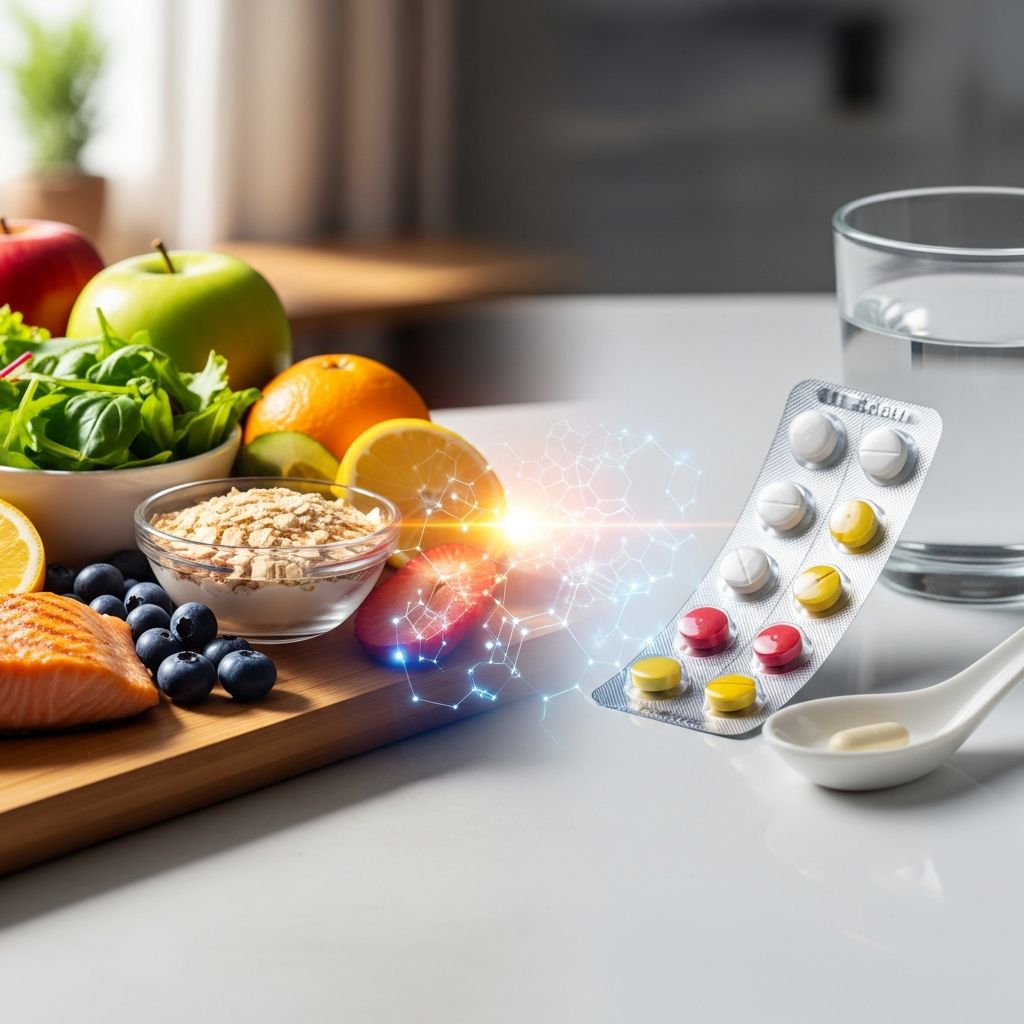
Many people unknowingly consume foods or beverages that can significantly change how their prescription drugs work in the body. These interactions may reduce a medication’s effectiveness, amplify side effects, or trigger unexpected health issues. Recognizing and managing these combinations is vital for safe treatment.
Why Food Affects Medications
Drugs taken orally must pass through the digestive system before entering the bloodstream. Foods can influence this process in several key ways: slowing absorption, binding to the drug, or altering stomach conditions like acidity. For instance, high-fat meals might delay uptake of certain antibiotics, while acidic juices can degrade others.
Bioavailability—the amount of drug that reaches circulation—often shifts with meals. Fatty or fibrous foods may bind medications, preventing proper absorption, whereas some juices inhibit liver enzymes that break down drugs, leading to higher concentrations and toxicity risks.
Mechanisms of Drug-Food Interference
Interactions primarily occur through three pathways:
- Absorption changes: Food can bind drugs or slow gastric emptying, reducing how much enters the blood.
- Metabolism alterations: Components like grapefruit compounds block enzymes (e.g., CYP3A4), prolonging drug activity.
- Direct chemical reactions: Certain foods produce harmful byproducts when combined with drugs, such as elevated blood pressure from tyramine-rich items.
These effects vary by drug class, individual metabolism, and meal composition. High-protein diets might enhance some absorptions, while fiber-heavy ones impede others.
High-Risk Foods and Their Impacts
Certain everyday items pose frequent threats. Here’s a breakdown:
| Food/Beverage | Affected Drugs | Potential Effect |
|---|---|---|
| Grapefruit juice | Statins (e.g., simvastatin), calcium channel blockers, cyclosporine | Increases drug levels, risking toxicity like muscle damage |
| Dairy products | Antibiotics (tetracyclines, fluoroquinolones), bisphosphonates | Calcium binds drugs, blocking absorption |
| High-tyramine foods (aged cheese, cured meats, soy sauce) | MAOIs, linezolid | Causes hypertensive crisis |
| Alcohol | Bronchodilators (theophylline), sleep aids, anticoagulants | Heightens sedation, bleeding risk, or liver strain |
| Fiber-rich foods (bran, oats) | Digoxin, lovastatin | Reduces drug uptake |
Common Medication Categories at Risk
Statins for Cholesterol Control
Cholesterol-lowering statins like simvastatin and lovastatin interact notably with diet. Grapefruit juice inhibits breakdown enzymes, elevating blood levels and myopathy risk. High-fiber meals, such as pectin or oat bran, bind lovastatin, lowering efficacy. Take most statins without regard to meals, but avoid these interferers.
Antibiotics and Absorption Barriers
Many antibiotics demand empty stomachs. Tetracyclines and ciprofloxacin bind to dairy calcium or iron supplements, slashing absorption by up to 50%. Tuberculosis drugs like isoniazid and rifampin require dosing one hour before or two hours after meals to maximize uptake.
Heart Medications and Timing Precision
Beta-blockers like carvedilol absorb better with food, reducing dizziness. Digoxin, for heart rhythm, avoids high-fiber or licorice, which diminish its action and risk arrhythmias. Warfarin users must stabilize vitamin K intake from greens to prevent clotting imbalances.
Acid Suppressors and Meal Flexibility
Proton pump inhibitors (PPIs) like omeprazole work best before meals to block acid production effectively. Esomeprazole needs at least one hour pre-meal, while others like pantoprazole tolerate food.
Sleep Aids and Evening Habits
Zolpidem and eszopiclone fall short if taken with or post-meal, delaying sleep onset. Alcohol exacerbates respiratory depression.
Strategies for Safe Medication Use
To minimize risks:
Related Stories



- Review labels and consult pharmacists for specific instructions.
- Maintain consistent meal patterns, especially for warfarin.
- Space dairy or supplements two hours from drug doses.
- Avoid grapefruit entirely if on interacting meds.
- Track symptoms and report changes promptly.
Pharmacists and doctors can adjust timings or alternatives. Apps and guides listing 500+ interactions aid daily management.
Special Considerations for Vulnerable Groups
Elderly patients, often on multiple drugs, face compounded risks. Children and pregnant individuals need tailored advice. Those with GI disorders may experience amplified effects from motility changes.
Frequently Asked Questions (FAQs)
Can I take my pills with coffee or juice?
Often no—caffeine or acidic juices alter absorption for drugs like thyroid meds or antibiotics. Opt for water.
Does alcohol always interact badly?
Yes for most CNS drugs, painkillers, and antibiotics; it intensifies sedation and liver burden.
What if I forget and eat the wrong food?
Monitor for side effects like nausea or inefficacy. Contact your provider; one instance rarely causes harm but patterns do.
Are herbal supplements safe?
No—St. John’s wort speeds drug clearance; ginseng affects blood pressure meds. Treat as foods.
How do I check interactions?
Use pharmacy resources, apps, or ask professionals. Books covering 500+ drugs provide comprehensive lists.
Long-Term Benefits of Awareness
Avoiding pitfalls ensures therapies succeed, cuts adverse events, and saves healthcare costs. Patients who time doses properly report better control of conditions like hypertension or infections. Educating families enhances compliance.
References
- Drug-Food Interactions — Pharmacy Times. 2004-02. https://www.pharmacytimes.com/view/2004-02-7648
- Food-Drug Interactions — PMC (National Library of Medicine). 2011. https://pmc.ncbi.nlm.nih.gov/articles/PMC3191675/
- Avoid Food and Drug Interactions — FDA (via Cure HHT). 2017. https://curehht.org/wp-content/uploads/2017/11/Food_and_Drug_Interactions_FDA.pdf
- MedEd101 Guide to Drug Food Interactions — ThriftBooks (book reference). N/A. https://www.thriftbooks.com/w/meded101-guide-to-drug-food-interactions/26934320/
- Guide to Drug Food Interactions — Helm Publishing. N/A. https://www.helmpublishing.com/products/guide-to-drug-food-interactions
- Some Medication-Food Interactions — Merck Manuals. 2023 (updated). https://www.merckmanuals.com/home/multimedia/table/some-medication-food-interactions
Similar Articles








Read full bio of medha deb