Food Poisoning Symptoms: Signs, Duration, And When To Seek Care
Recognize the signs of food poisoning early, understand causes, treatments, and when to seek urgent medical help for quick recovery.
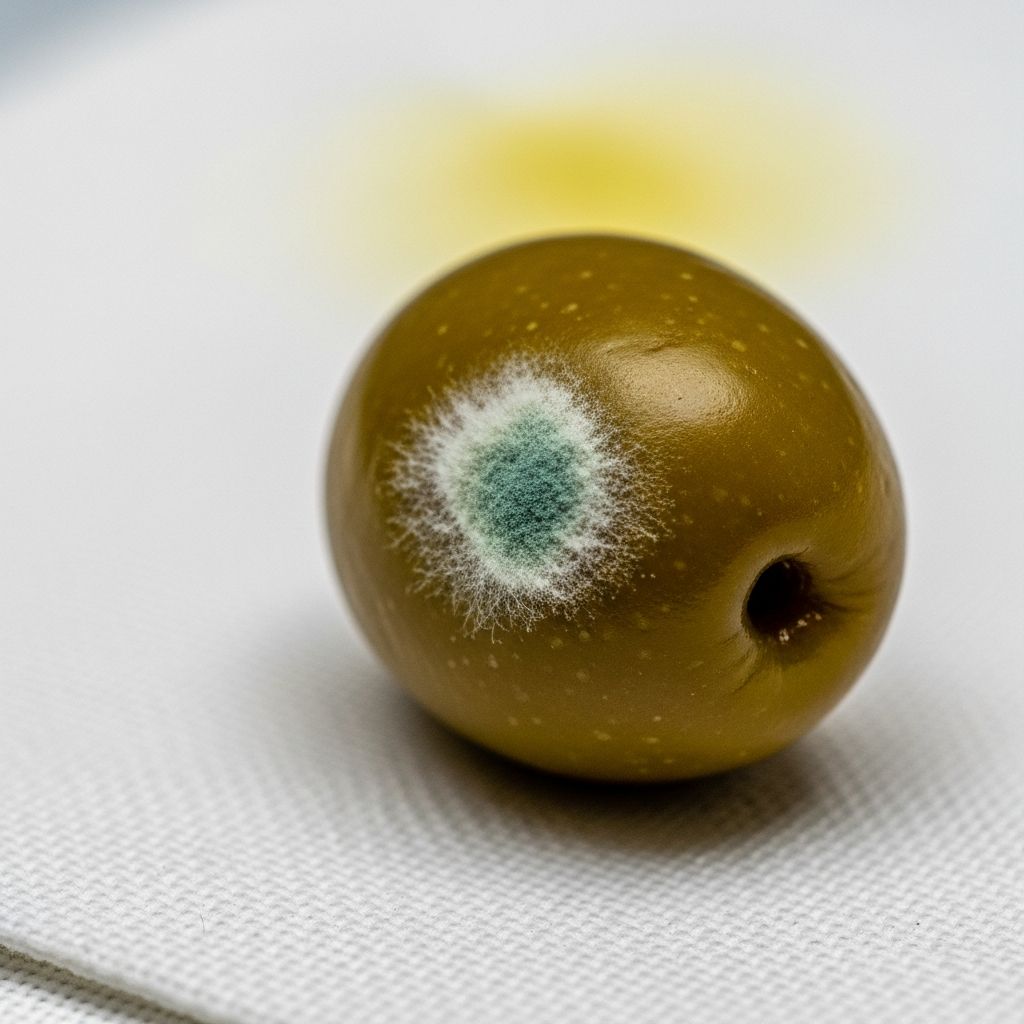
Food poisoning, also known as foodborne illness, affects millions annually and strikes when harmful germs or toxins contaminate food or water. Common symptoms include diarrhea, stomach cramps, nausea, vomiting, and fever, typically appearing within hours to days after consumption. While most cases resolve within a few days, severe instances can lead to dehydration or worse, especially in vulnerable groups like young children, older adults, and those with weakened immune systems.
What Is Food Poisoning?
Food poisoning occurs when you ingest food or water tainted with bacteria, viruses, parasites, or toxins. Your body responds by trying to expel the invaders through vomiting and diarrhea, which can be intensely uncomfortable but often effective. In the United States, approximately 48 million cases happen each year, with symptoms ranging from mild discomfort to life-threatening conditions. Unlike viral stomach bugs, food poisoning is directly linked to contaminated edibles, and outbreaks can stem from improper handling or cooking.
The illness varies by contaminant: bacteria like Salmonella or E. coli are frequent culprits, but viruses such as norovirus and parasites also play roles. Onset can be rapid—some germs act in 30 minutes—while others take days or weeks. Understanding this helps in early recognition and management.
Food Poisoning Symptoms
The hallmark signs of food poisoning are gastrointestinal distress. Most people experience a combination of the following, starting 2-6 hours after exposure but potentially delayed up to several days:
- Diarrhea: Often watery; may be bloody in severe bacterial cases like E. coli or Campylobacter.
- Stomach pain or cramps: Sharp or cramping sensations in the abdomen.
- Nausea: A queasy feeling that frequently precedes vomiting.
- Vomiting: Forceful expulsion to rid the body of toxins; not always present.
- Fever: Low-grade to high (over 102°F in serious cases), with chills possible.
Additional symptoms might include headache, muscle aches, fatigue, and loss of appetite. Duration is usually 12-48 hours, though some linger longer. Unlike flu, respiratory symptoms are absent.
How Long Does Food Poisoning Last?
Most food poisoning episodes are short-lived, resolving in 1-2 days as the body clears the pathogen. However, specifics depend on the germ:
- Staph toxin: Peaks in 30 minutes to 8 hours, gone in 24 hours.
- Norovirus: 12-48 hours of intense symptoms.
- Salmonella: Up to a week or more.
- Listeria: Weeks in invasive cases, especially risky for pregnant individuals.
Persistent symptoms beyond 3 days signal potential complications.
Food Poisoning Symptoms by Type of Germ
Different pathogens produce distinct symptom profiles, onset times, and sources. The CDC outlines key examples in the table below:
| Germ | Symptoms | Onset | Common Sources |
|---|---|---|---|
| Staphylococcus aureus (Staph) | Nausea, vomiting, cramps, diarrhea | 30 min-8 hrs | Sliced meats, pastries, sandwiches not cooked post-handling |
| Vibrio (e.g., from oysters) | Watery diarrhea, nausea, cramps, vomiting, fever | Within 24 hrs | Raw/undercooked shellfish |
| Clostridium perfringens | Diarrhea, cramps (<24 hrs); rare vomiting/fever | 6-24 hrs | Bulk-cooked meats, gravies held warm unsafely |
| Salmonella | Diarrhea (bloody), fever, cramps, vomiting | 6 hrs-6 days | Raw poultry, eggs, unpasteurized milk/juice, produce |
| Norovirus | Diarrhea, vomiting, nausea, pain; possible fever/headache | 12-48 hrs | Leafy greens, shellfish, contaminated water/surfaces |
| Botulism | Swallowing issues, weakness, blurred vision, drooping eyelids | 18-36 hrs | Improperly canned/fermented foods |
| Campylobacter | Bloody diarrhea, fever, cramps | 2-5 days | Raw poultry, unpasteurized milk, pets |
| E. coli | Severe cramps, bloody diarrhea, vomiting (HUS risk in 5-10%) | 3-4 days | Ground beef, raw milk, sprouts, water |
| Cyclospora | Watery diarrhea, appetite loss, cramps, nausea | 1 week | Raw fruits/veggies/herbs |
| Listeria | Fever, flu-like, headache, stiff neck (pregnancy risks) | 2 weeks | Unpasteurized dairy, deli meats, soft cheeses |
Related Stories



This breakdown aids in pinpointing likely sources and gauging severity.
Food Poisoning vs. Stomach Flu
Food poisoning and stomach flu (gastroenteritis, often viral like norovirus) overlap in symptoms but differ in transmission. Food poisoning ties to specific contaminated items, while stomach flu spreads person-to-person or via surfaces. Food poisoning resolves faster (hours-days) versus stomach flu’s 1-3 days or more. Both cause dehydration risk, but food poisoning may involve toxins acting quicker. If multiple people eating the same food fall ill simultaneously, suspect food poisoning.
Who’s at Risk for Food Poisoning?
Anyone can succumb, but high-risk groups face worse outcomes:
- Children under 5: Prone to rapid dehydration.
- Adults over 65: Slower recovery, complication risks.
- Pregnant women: Listeria threatens fetus.
- Immunocompromised: Cancer, HIV, diabetes, or transplant patients.
Travelers to areas with poor sanitation are also vulnerable, often getting ‘traveler’s diarrhea’.
Food Poisoning Treatment
Home care suffices for mild cases: prioritize hydration with oral rehydration solutions, water, or clear broths to counter fluid loss. Avoid dairy, caffeine, alcohol, and fatty foods. Rest and bland diet (BRAT: bananas, rice, applesauce, toast) aid recovery. Over-the-counter anti-diarrheals like loperamide may help adults but skip in bloody diarrhea cases. Antibiotics are rare, reserved for specific bacteria.
Hydration is critical: Signs of dehydration include dry mouth, dizziness, reduced urine, rapid heartbeat. Infants or elderly need monitoring.
Complications of Food Poisoning
Though rare, complications include:
- Dehydration: Most common, potentially severe.
- Hemolytic Uremic Syndrome (HUS): From E. coli, kidney failure risk.
- Neurological issues: Botulism paralysis.
- Pregnancy loss: Listeria.
- Reactive Arthritis: Salmonella/Campylobacter.
Long-term effects possible in 5-10% of certain infections.
When to See a Doctor for Food Poisoning
Seek immediate care for:
- Bloody diarrhea
- Diarrhea >3 days
- Fever >102°F
- Frequent vomiting preventing fluid intake
- Dehydration signs
- Neurological symptoms (blurred vision, weakness)
- Symptoms in high-risk groups
Providers may test stool/blood; hospitalization for IV fluids if needed.
How to Prevent Food Poisoning
Prevention hinges on safe handling:
- Wash hands, produce, surfaces thoroughly.
- Cook to safe temps: poultry 165°F, ground meats 160°F.
- Avoid cross-contamination.
- Refrigerate promptly (<2 hrs room temp).
- Steer clear of raw/undercooked risky foods if vulnerable.
- Pasteurize dairy; cook eggs.
Travel wisely: Peelable fruits, bottled water.
Frequently Asked Questions (FAQs)
What are the first signs of food poisoning?
Initial signs are nausea, vomiting, or diarrhea within hours of eating contaminated food.
Can food poisoning start immediately?
Yes, Staph can onset in 30 minutes; others take longer.
Is food poisoning contagious?
Some types (norovirus, bacteria) spread via vomit/poop on surfaces.
How do you know if it’s food poisoning or a virus?
Linked to recent meal and rapid onset suggest food poisoning.
Should you induce vomiting for food poisoning?
No, let body handle it; focus on hydration.
References
- Food Poisoning Symptoms | Food Safety — Centers for Disease Control and Prevention (CDC). 2023-10-17. https://www.cdc.gov/food-safety/signs-symptoms/index.html
- Food Poisoning & Contamination: 10 Common Causes — American Academy of Pediatrics (healthychildren.org). 2024-05-15. https://www.healthychildren.org/English/health-issues/conditions/abdominal/Pages/Food-Poisoning-and-Food-Contamination.aspx
- Food Poisoning: Symptoms, How You Get It & Treatment — Cleveland Clinic. 2024-08-22. https://my.clevelandclinic.org/health/diseases/21167-food-poisoning
Similar Articles








Read full bio of Sneha Tete