Food Poisoning Treatment: Home Remedies and Medical Care
Learn effective strategies to treat food poisoning at home and when to seek medical care.

Food Poisoning Treatment: A Comprehensive Guide to Recovery
Food poisoning occurs when you consume food or water contaminated with bacteria, parasites, viruses, or the toxins produced by these harmful microorganisms. While the experience can be deeply uncomfortable, the good news is that most people recover fully within a few days without requiring medical intervention. Understanding how to properly treat food poisoning at home and recognizing when professional medical care is necessary can significantly improve your recovery experience and prevent serious complications.
Understanding Food Poisoning Recovery
Most people with food poisoning experience relief from symptoms within 12 to 48 hours, though some cases may take longer. The body’s natural response—vomiting and diarrhea—serves a protective purpose by attempting to expel the contaminated material from your digestive system. Rather than fighting these symptoms, the primary goal of treatment is to manage discomfort while supporting your body through the recovery process.
The Importance of Fluid and Electrolyte Replacement
The single most critical aspect of food poisoning treatment is replacing lost fluids and electrolytes. When you experience vomiting and diarrhea, your body loses essential water and minerals that maintain proper bodily function. Dehydration can quickly become serious, particularly in vulnerable populations such as infants, young children, older adults, and individuals with weakened immune systems.
Hydration Strategies for Adults
Most healthy adults can effectively rehydrate using common household beverages and foods. If vomiting is a significant issue, sipping small amounts of clear liquids gradually is more effective than consuming large quantities at once, which may trigger additional vomiting.
Recommended fluids for adults include:
- Water
- Fruit juices diluted with water to reduce sugar concentration
- Sports drinks containing electrolytes
- Broths and clear soups
- Saltine crackers, which help replace electrolytes
However, older adults, individuals with compromised immune systems, and those experiencing severe diarrhea or signs of dehydration should use oral rehydration solutions. These specially formulated drinks contain precise ratios of glucose and electrolytes designed to optimize absorption and fluid retention.
Hydration Strategies for Children and Infants
Children with food poisoning should receive oral rehydration solutions such as Pedialyte, Naturalyte, Infalyte, or CeraLyte, administered according to package directions. Infants require special consideration—they should continue to drink breast milk or formula as usual, though you should consult with a pediatrician before introducing oral rehydration solutions.
Dietary Management During Food Poisoning
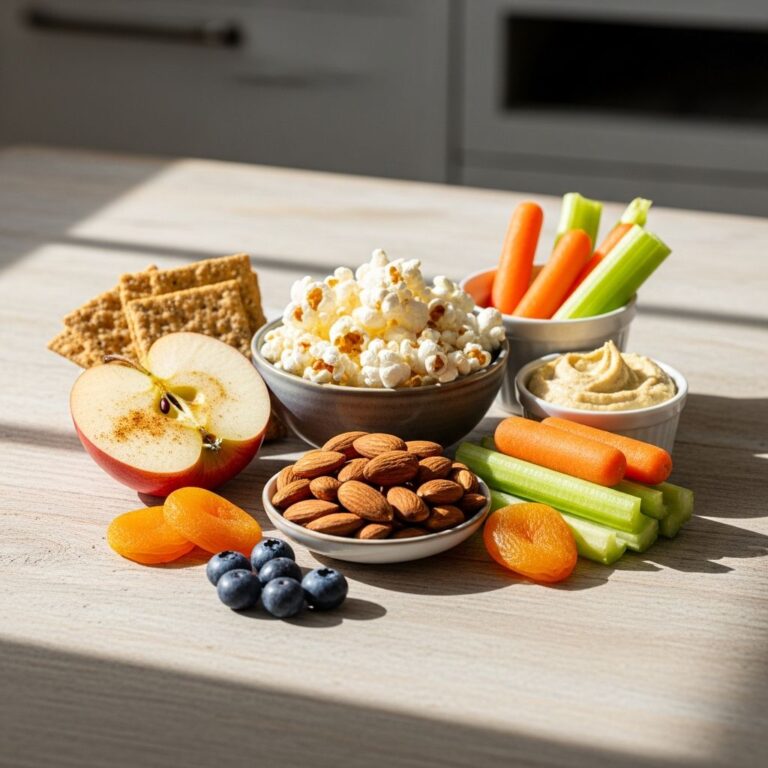
Many people worry about eating while recovering from food poisoning, but when your appetite returns, you can typically resume your normal diet even if diarrhea persists. Initially, however, it’s wise to avoid solid foods and dairy products until diarrhea has completely stopped.
Foods to eat during early recovery:
- Small, bland, low-fat meals
- Saltine crackers
- Clear broths
- Plain rice
- Applesauce
- Banana
Foods and beverages to avoid:
- Milk and dairy products (until recovery is complete)
- High-fat foods
- Spicy foods
- High-fiber foods
- Caffeinated beverages
Over-the-Counter Medications
Several over-the-counter medications can help manage food poisoning symptoms in adults, though they should be used with caution and only in appropriate circumstances.
Related Stories



Antidiarrheal Medications
Loperamide (Imodium) and bismuth subsalicylate (Pepto-Bismol, Kaopectate) can reduce diarrhea symptoms in adults. However, these medications carry important warnings and should be avoided entirely in certain situations. Do not use these medications if you have bloody diarrhea or fever, as these signs indicate bacterial or parasitic infection that requires different treatment. Additionally, these medications should never be given to infants or children without explicit medical guidance, as they can be dangerous for young patients.
Why Not Anti-Diarrheal Medications for Everyone?
Healthcare providers typically discourage anti-diarrheal medication use in food poisoning because these drugs can actually prolong the illness by trapping pathogens in your digestive system. Your body’s diarrhea response is protective, and interfering with it may extend your recovery period.
Rest and Symptomatic Relief
Beyond hydration and dietary management, adequate rest is essential for recovery. Your body is working hard to fight infection and restore normal digestive function. Allow yourself sufficient sleep and minimize physical activity until symptoms resolve.
Managing nausea can also improve your comfort level. Taking frequent small sips of fluids rather than large drinks, resting in an upright position, and avoiding strong odors can help reduce nausea symptoms.
When to Seek Medical Treatment
While most food poisoning cases resolve independently, certain situations require professional medical evaluation and treatment.
Medical Treatment for Severe Cases
For food poisoning caused by bacteria or parasites, doctors may prescribe antibiotics or antiparasitic medications in addition to rehydration solutions. However, it’s important to understand that most common food poisoning cases do not require antibiotics, and unnecessary antibiotic use can sometimes worsen symptoms or contribute to antibiotic resistance.
People experiencing severe dehydration or life-threatening complications such as hemolytic uremic syndrome or paralysis may require hospitalization for intravenous fluid administration and intensive monitoring.
Signs You Need Medical Attention
Contact your healthcare provider if you experience:
- Persistent symptoms lasting more than a few days
- Signs of dehydration, including extreme thirst, dry mouth, dark urine, or dizziness
- Bloody diarrhea or severe abdominal pain
- High fever (above 102°F or 39°C)
- Severe vomiting that prevents fluid intake
- Symptoms of dehydration in vulnerable individuals (children under 5, adults over 65, pregnant women, or immunocompromised individuals)
Emerging Treatments: Probiotics
Some research suggests that certain probiotics—live beneficial microorganisms—may help shorten diarrhea duration. However, researchers are still studying probiotic effectiveness for food poisoning treatment. Before using probiotics or any complementary or alternative medicine, consult with your healthcare provider, especially if treating children, older adults, or immunocompromised individuals.
Travelers’ Diarrhea: Special Considerations
Travelers’ diarrhea, a specific type of food poisoning contracted while traveling, sometimes requires different treatment approaches. For mild cases without fever or bloody stools, hydration and supportive care suffice. However, severe travelers’ diarrhea may warrant prescription antibiotics such as azithromycin (Zithromax, Zmax) or ciprofloxacin (Cipro). Some individuals with weakened immune systems may even benefit from taking antibiotics before and during travel to prevent travelers’ diarrhea.
Prevention: Your Best Defense
While effective treatment is important, preventing food poisoning through safe food handling is far preferable. Prevention strategies should be followed by everyone, but are especially critical for vulnerable populations.
Safe Food Handling Practices
At the store and home:
- Keep raw meat, poultry, seafood, and eggs separate from other foods
- Prepare salads and refrigerate before handling raw animal products
- Promptly refrigerate or freeze perishable foods
- Wash hands with soap and water before and after handling food
- Wash fruits and vegetables before eating, cutting, or cooking
During cooking and storage:
- Cook foods to proper internal temperatures to kill harmful microorganisms
- Wash utensils and surfaces after each use
- Never leave perishable foods at room temperature for more than 2 hours (or 1 hour if the temperature exceeds 90°F)
Water and Beverage Safety
When traveling or in areas with questionable water safety, take these precautions:
- Avoid unbottled or untreated water; do not brush teeth with untreated tap, well, lake, or river water
- Avoid ice, foods, and drinks prepared with untreated water
- Choose pasteurized juice, milk, and dairy products, as pasteurization kills harmful microorganisms
Recovery Timeline and Prognosis
Most people fully recover from common types of food poisoning within 12 to 48 hours. Serious complications and death from food poisoning in otherwise healthy individuals remain rare in developed countries with modern medical care.
As you recover, remember that your body is actively fighting the infection. Symptoms like diarrhea and vomiting, while unpleasant, represent your immune system’s protective response. By maintaining hydration, getting adequate rest, and knowing when to seek medical help, you can safely guide your body through recovery.
Frequently Asked Questions About Food Poisoning Treatment
Q: How long does food poisoning typically last?
A: Most people recover within 12 to 48 hours, though some cases may take a few days. The duration depends on the specific pathogen causing the illness and individual immune response.
Q: Should I stop eating solid food entirely during food poisoning?
A: You should avoid solid foods initially if you have diarrhea, but you can resume your normal diet once your appetite returns and diarrhea has stopped, even if other symptoms persist.
Q: Are antibiotics always necessary for food poisoning?
A: No. Most food poisoning cases resolve independently without antibiotics. Antibiotics are prescribed only for certain bacterial or parasitic infections and can sometimes worsen symptoms if used unnecessarily.
Q: Can I take over-the-counter anti-diarrheal medications?
A: Adults can use medications like Imodium or Pepto-Bismol in some cases, but avoid them if you have bloody diarrhea, fever, or severe symptoms. Never give these medications to children without medical guidance, as they can be dangerous.
Q: What’s the most important thing to do when treating food poisoning?
A: Replacing lost fluids and electrolytes is the most critical treatment. Staying hydrated prevents dehydration, which is the primary concern with food poisoning.
Q: When should I see a doctor for food poisoning?
A: Seek medical attention if symptoms persist beyond a few days, you show signs of severe dehydration, experience bloody diarrhea or high fever, or if you belong to a vulnerable population (very young, elderly, pregnant, or immunocompromised).
Q: Are oral rehydration solutions better than water and juice?
A: Oral rehydration solutions contain the optimal balance of glucose and electrolytes for absorption. Water and diluted juice work for mild cases, but solutions are superior for severe dehydration or vulnerable individuals.
Q: Can probiotics help treat food poisoning?
A: Some research suggests certain probiotics may shorten diarrhea duration, but evidence is still being studied. Always consult your healthcare provider before using probiotics, especially for children or immunocompromised individuals.
References
- Treatment for Food Poisoning — National Institute of Diabetes and Digestive and Kidney Diseases (NIDDK). 2024. https://www.niddk.nih.gov/health-information/digestive-diseases/food-poisoning/treatment
- Food Poisoning: MedlinePlus Medical Encyclopedia — U.S. National Library of Medicine. 2025. https://medlineplus.gov/ency/article/001652.htm
- Food Poisoning: Symptoms, How You Get It & Treatment — Cleveland Clinic. 2024. https://my.clevelandclinic.org/health/diseases/21167-food-poisoning
- Food Poisoning Treatment Guide — Nemours KidsHealth. 2024. https://kidshealth.org/en/parents/food-poisoning.html
- Food Poisoning – Symptoms, Diagnosis and Treatment — BMJ Best Practice. 2025. https://bestpractice.bmj.com/topics/en-us/203
Similar Articles








Read full bio of medha deb