Food Safety Risks For Pregnant Women: Essential Guide
Essential guide to safer eating during pregnancy: Avoid Listeria, Salmonella, and other foodborne risks to protect you and your baby.
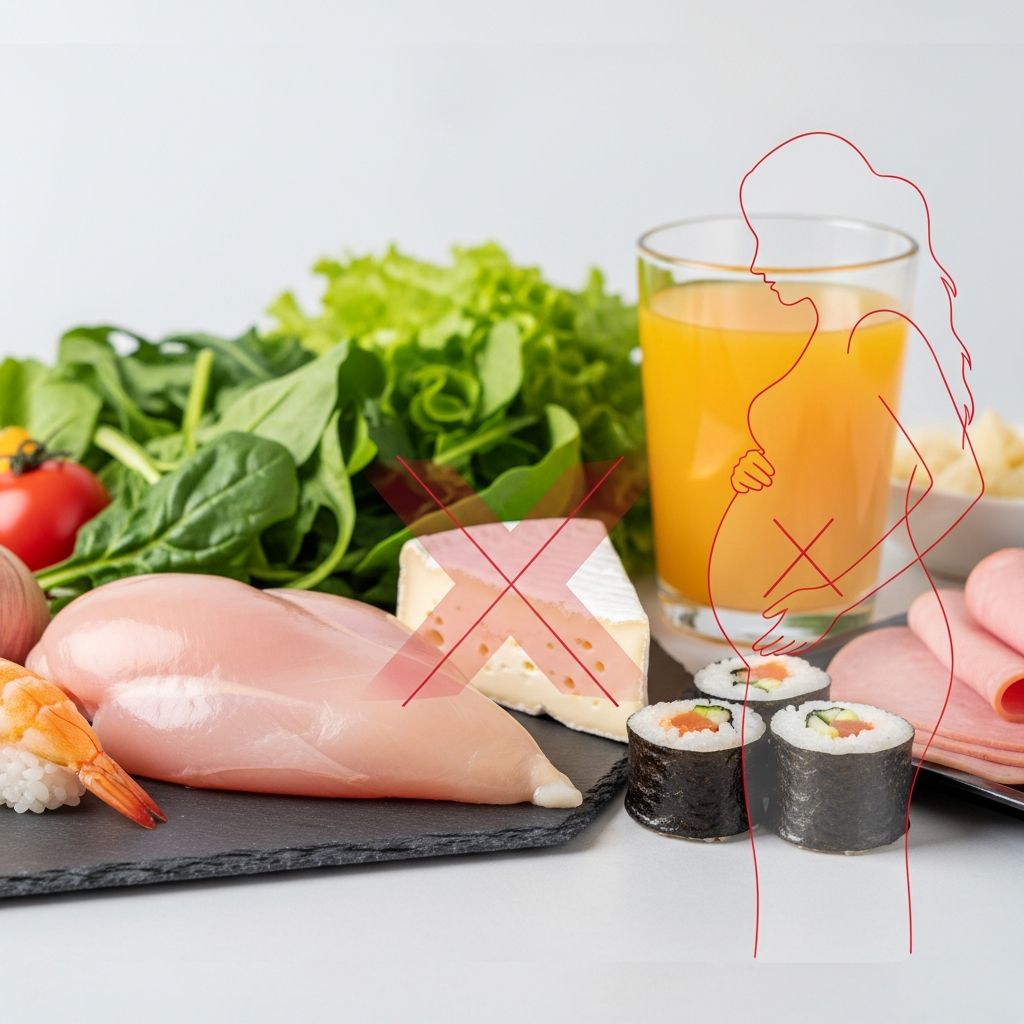
Food Safety Risks for Pregnant Women
Pregnant women face heightened risks from foodborne illnesses due to changes in their immune systems, making it crucial to choose safer foods and follow strict hygiene practices to safeguard both mother and baby.
Why Food Safety Matters During Pregnancy
During pregnancy, the body’s immune response is naturally suppressed to tolerate the developing fetus, increasing susceptibility to infections like Listeria, Salmonella, and Toxoplasma. Pregnant women are 10 times more likely to contract Listeria, which can lead to severe outcomes such as miscarriage, stillbirth, premature delivery, or life-threatening illness in newborns. These pathogens thrive in certain foods, underscoring the need for vigilant food choices.
Foodborne illnesses can cause dehydration, fever, and other complications that indirectly harm the fetus by stressing the mother’s body. According to health authorities, simple precautions like proper cooking and pasteurization can drastically reduce these risks. Maintaining food safety supports overall prenatal nutrition, ensuring the baby receives essential nutrients without exposure to harmful germs.
Riskier vs. Safer Food Choices
The following table outlines riskier and safer options across food categories, based on CDC guidelines. Always prioritize pasteurized, thoroughly cooked, and washed foods.
| Food Category | Riskier Choices | Safer Choices |
|---|---|---|
| Poultry and Meat | Raw or undercooked meat/poultry; deli meats, cold cuts, hot dogs (unless reheated to 165°F) | Poultry and meat cooked to safe internal temperatures (use food thermometer: 165°F for poultry, 145°F for steaks with 3-min rest) |
| Deli Salads | Homemade or store-bought deli salads (e.g., egg salad, chicken salad) | Salads made with cooked, cooled ingredients and consumed immediately |
| Vegetables and Fruits | Unwashed produce; raw sprouts | Washed fresh fruits and vegetables; cooked sprouts |
| Juice | Unpasteurized juice or cider | Pasteurized juice |
| Milk | Unpasteurized (raw) milk and products made from it | Pasteurized milk and dairy products |
| Cheese | Soft cheeses like feta, brie, Camembert, blue-veined cheeses (unless labeled pasteurized) | Hard cheeses; pasteurized soft cheeses |
| Eggs | Raw or undercooked (runny) eggs; foods with raw eggs (e.g., homemade mayo, cookie dough) | Cooked eggs (yolks and whites firm) |
| Seafood | Raw or undercooked fish/shellfish (sushi, oysters); high-mercury fish (shark, swordfish, king mackerel) | Cooked low-mercury seafood (e.g., salmon, shrimp, catfish); 8-12 oz/week |
| Flour | Raw dough or batter | Baked goods fully cooked |
Use this table daily when meal planning to minimize exposure. For seafood, the FDA recommends 8-12 ounces weekly of low-mercury varieties for omega-3 benefits crucial for fetal brain development.
Listeria: The Hidden Threat
Listeria monocytogenes is a primary concern, surviving refrigeration and growing in unheated foods. It’s commonly found in deli meats, unpasteurized dairy, and soft cheeses. Reheat deli meats until steaming hot (165°F) to kill the bacteria. Listeria infections during pregnancy often present mild flu-like symptoms in the mother but can devastate the fetus, crossing the placenta easily.
Other Common Pathogens
- Salmonella: From raw/undercooked eggs, poultry, and sprouts. Causes fever, diarrhea, and vomiting.
- Toxoplasma: From undercooked meat or unwashed produce contaminated with cat feces. Can lead to birth defects.
- E. coli: In undercooked beef or unpasteurized products, risking kidney issues.
Prevent these by following the Four Steps to Food Safety: Clean hands/surfaces; Separate raw meats from ready-to-eat foods; Cook to safe temperatures; Chill promptly.
Food Handling and Preparation Tips
Proper handling is as important as selection:
- Wash hands with soap for 20 seconds before/after handling food.
- Rinse fruits/vegetables under running water; scrub firm produce.
- Use separate cutting boards for raw meats and produce.
- Store perishables below 40°F; thaw in fridge or microwave, not counter.
- Avoid cross-contamination by cleaning utensils/sponges.
For seafood, cook to 145°F. Limit high-mercury fish and check local advisories for sport fish.
Safe Seafood During Pregnancy
Seafood provides DHA for baby’s brain/spine development. Aim for 8-12 oz/week of “Best Choices” like salmon, sardines, tilapia.
| Best Choices (2-3 servings/week) | Good Choices (1 serving/week) |
|---|---|
| Salmon, Trout, Anchovies, Sardines, Shrimp, Pollock, Catfish, Canned light tuna | Cod, Mahi-mahi, Yellowfin tuna, Albacore tuna (limit) |
Avoid raw sushi and high-mercury species. Children under 11 have age-specific servings.
Pasteurized vs. Unpasteurized Products
Pasteurization kills harmful bacteria. Always check labels for “pasteurized” on milk, juice, and cheeses. Avoid raw milk entirely, as it harbors Listeria, E. coli, and Salmonella.
Foods to Avoid Completely
- Raw dough/batter (flour can contain E. coli; raw eggs, Salmonella).
- Raw sprouts (hard-to-remove bacteria).
- Herbal teas/supplements (limited safety data).
- Alcohol (no safe amount).
Limit caffeine to <200mg/day (about 12 oz coffee); consult your doctor.
Building a Healthy Prenatal Diet
Combine safety with nutrition: Focus on nutrient-dense foods like lean proteins, whole grains, fruits/veggies, low-fat dairy, and safe seafood. Additional calories (340-450 in 2nd/3rd trimesters) should come from quality sources. Key nutrients include choline (eggs, lean meats), iron, folic acid.
Frequently Asked Questions (FAQs)
Can I eat deli meat during pregnancy?
Yes, if heated to steaming hot (165°F) until steaming to kill Listeria. Avoid cold.
Is it safe to eat sushi?
No, due to raw fish risks like parasites and bacteria. Choose cooked alternatives.
How much seafood is safe?
8-12 oz/week of low-mercury fish for omega-3 benefits.
What about soft cheeses?
Avoid unless pasteurized; opt for hard cheeses like cheddar.
Should I avoid all raw vegetables?
No, wash thoroughly. Avoid raw sprouts.
Is pasteurized juice safe?
Yes; unpasteurized carries E. coli/Salmonella risk.
Consult Professionals
Work with a registered dietitian for personalized advice. If symptoms of foodborne illness appear (fever, nausea), seek medical help immediately.
References
- Safer Food Choices for Pregnant Women — Centers for Disease Control and Prevention (CDC). 2023. https://www.cdc.gov/food-safety/foods/pregnant-women.html
- Build a Healthy Eating Routine When You’re Pregnant or Breastfeeding — U.S. Dietary Guidelines. 2021-12-01. https://www.dietaryguidelines.gov/sites/default/files/2021-12/DGA_Pregnancy_FactSheet-508c.pdf
- Healthy Weight during Pregnancy — Academy of Nutrition and Dietetics. 2023. https://www.eatright.org/health/pregnancy/prenatal-nutrition/healthy-weight-during-pregnancy
- Seafood Recommendations During Pregnancy and Childhood — Academy of Nutrition and Dietetics. 2023. https://www.eatrightpro.org/news-center/practice-trends/seafood-recommendations-during-pregnancy-and-childhood
- Pregnancy Nutrition Guidance — Academy of Nutrition and Dietetics. 2023. https://www.eatright.org/health/pregnancy
- Prenatal Nutrition — Academy of Nutrition and Dietetics. 2023. https://www.eatright.org/health/pregnancy/prenatal-nutrition
- People at Risk: Pregnant Women — FoodSafety.gov. 2023. https://www.foodsafety.gov/people-at-risk/pregnant-women
Similar Articles


Read full bio of Sneha Tete