Food Shopping Safety Guidelines: Practical Checklist
Essential tips for safely selecting, transporting, and storing groceries to prevent foodborne illness and ensure family health.
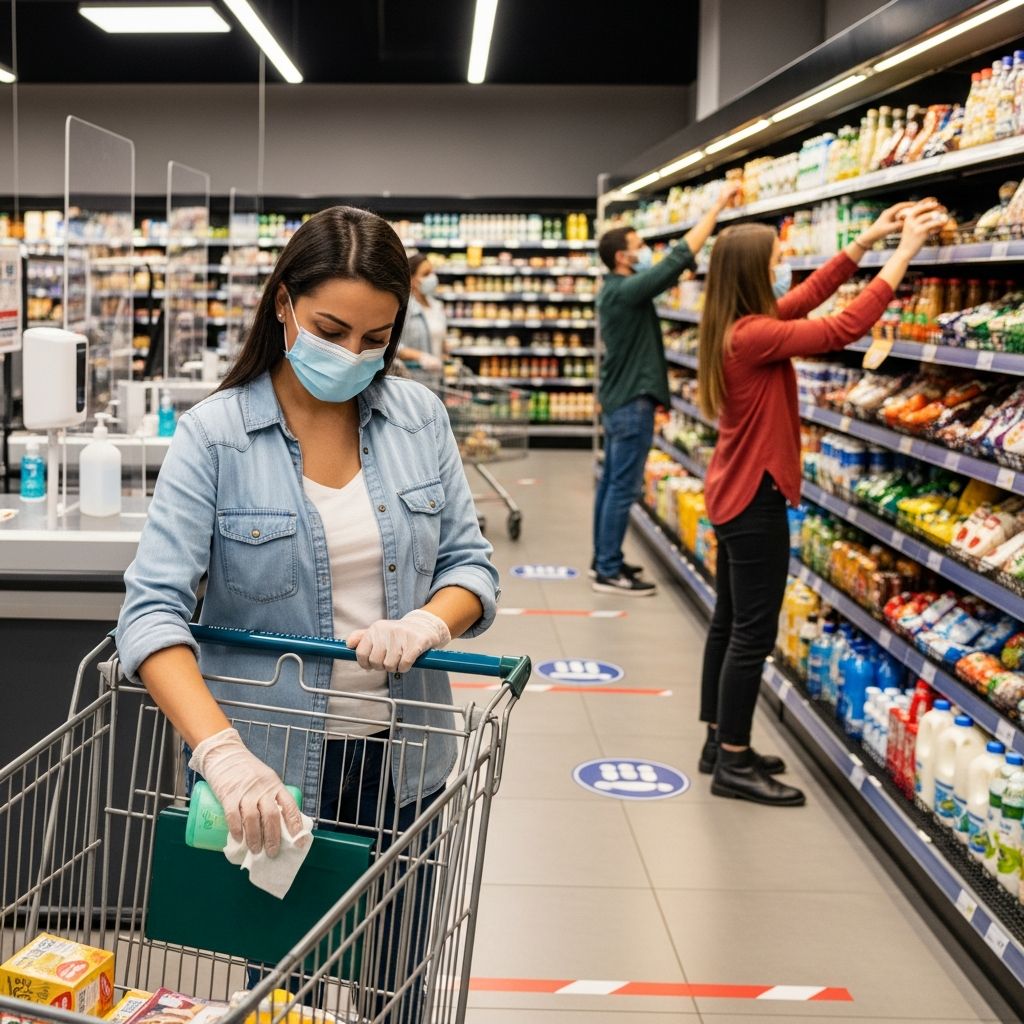
Food shopping marks the crucial first step in delivering safe and nutritious meals to your family. By carefully choosing, packaging, and transporting groceries from the store to home, you significantly lower the risk of foodborne illness. These guidelines, drawn from expert recommendations by the Academy of Nutrition and Dietetics, cover everything from store hygiene to home storage, ensuring your shopping trip prioritizes safety without compromising convenience.
Make Cleanliness a Priority
Maintaining cleanliness during shopping is foundational to food safety. Always evaluate the store’s overall condition—opt for reputable businesses that adhere to strict food safety regulations. A clean, fresh-smelling facility is a good indicator of proper practices. Many grocery stores provide disinfectant wipes; use them to sanitize your hands and the shopping cart handle before starting your trip. This simple step reduces the transfer of bacteria from high-touch surfaces.
If sampling food is available, clean your hands first with moist towelettes or hand sanitizer. Reusable grocery bags, while eco-friendly, require frequent washing to prevent bacterial buildup. Launder them after every use, especially if they’ve held raw meats or produce. According to USDA guidelines, unclean bags can harbor pathogens like Salmonella and E. coli, turning a sustainable choice into a health hazard.
- Assess store cleanliness: Look for tidy aisles, clean floors, and no off odors.
- Wipe cart handles and your hands upon entry.
- Use sanitizer before tasting samples.
- Wash reusable bags regularly in hot water.
Shop in Order
Strategic shopping order minimizes temperature abuse for perishables. Begin with non-perishable items like canned goods, cereals, and pantry staples in the center aisles. Progress to refrigerated sections, then frozen foods, saving the deli counter for last. Position deli meats alongside other cold items in your cart to keep them chilled.
Layer fresh fruits and vegetables on top to avoid crushing and contamination from drips below. This sequence, endorsed by food safety experts, ensures sensitive items spend minimal time outside refrigeration. In hot weather, this approach is even more critical as ambient temperatures accelerate bacterial growth.
For online or delivery shopping, inquire about the service’s protocols: Are vehicles equipped with coolers? How many stops per trip? Check temperatures of delivered items before accepting—refrigerated goods should be below 40°F (4°C), frozen solid.
Pick Your Produce
Fresh produce can harbor pathogens if mishandled. At farmers markets, arrive early to select items not exposed to heat all day. Prefer loose produce over pre-packaged for better inspection control—avoid any with mold, deep bruises, or cuts that could invite bacteria.
Buy only what you’ll consume within a week to prevent spoilage. Opt for pasteurized, refrigerated juices to eliminate risks from unpasteurized products, which the CDC links to outbreaks of E. coli and Salmonella. Rinse all produce under running water at home, even if pre-washed.
- Shop early at markets for freshest picks.
- Select loose items; reject moldy or damaged produce.
- Limit quantities to weekly needs.
- Choose refrigerated, pasteurized juices.
Related Stories



Inspect Food Packages
Vigilant package inspection prevents buying compromised goods. Reject packages with holes, tears, or openings. Frozen foods must be rock-solid without thaw signs like ice crystals or softness. Refrigerated items should feel cold to the touch.
Verify safety seals: A loose jar lid indicates lost vacuum, risking contamination. Report tampered seals to management. For cans, avoid deep dents (where a finger fits), bulging, rust, or seam damage—these signal potential botulism from Clostridium botulinum, a toxin noted by the FDA as life-threatening.
| Package Red Flags | Why Avoid? | Safe Alternative |
|---|---|---|
| Holes/tears in packaging | Bacteria entry point | Intact, sealed packages |
| Thawed frozen foods (soft, icy) | Refreezing risks pathogens | Firm, solid items |
| Deep dents/bulges on cans | Botulism hazard | Smooth, undamaged cans |
| Loose/tampered seals | Contamination possible | Tight, factory seals |
Check Dairy and Milk Products
Dairy is highly perishable; select toward trip’s end. Choose cold cartons—milk should be icy. Eggs must be clean, uncracked; cracks allow bacterial invasion like Salmonella. Refrigerated dairy maintains quality and safety only if kept chilled throughout.
Pro tip: Place dairy in an insulated bag if lines are long. USDA recommends dairy below 40°F to inhibit pathogen growth.
Be Selective with Fish and Seafood
Source seafood from trusted retailers. Fresh fish should have shiny, firm flesh not separating from bones, with a mild ocean scent—not strong ‘fishy’ odor indicating spoilage. Packaged seafood needs tight seals, no dents/tears, and full ice coverage; avoid ice crystals signaling prior thaw.
Buy cooked seafood (shrimp, crab) only from separated displays to prevent raw fish bacteria cross-contamination. FDA guidelines stress refrigeration at 32-40°F for seafood safety.
Look Over Meats and Poultry
Meats demand cold, tight packaging. Chicken should appear pink, not gray. Seek the USDA ‘Safe Food Handling’ label on bacon/sausage for verified processing and instructions. Shop for these after non-perishables to limit warm exposure.
Lean cuts reduce fat and risk; pair with proper home cooking to 165°F internal temperature.
Separate Certain Foods
Prevent cross-contamination by bagging raw meats, poultry, seafood separately in store plastic bags before cart placement. At checkout, separate from ready-to-eat items like bread or produce. Juices from raw proteins carry pathogens.
American Heart Association advises cooler bags for perishables and separate produce bagging.
At Home
Rush perishables home—refrigerate within 2 hours (1 hour if over 90°F). Use coolers with ice packs for errands exceeding 30 minutes; car temps rise 8-10°F en route. Avoid hot trunks; use air-conditioned areas.
Upon arrival, store refrigerated/frozen first, then others. Prompt action halts the temperature danger zone (40-140°F) where bacteria multiply rapidly.
Frequently Asked Questions (FAQs)
Q: How long can groceries sit in a hot car?
A: No more than 1 hour if outside temperature exceeds 90°F; 2 hours otherwise. Use coolers for safety.
Q: What if I see a bulging can?
Q: Discard immediately—it’s a botulism risk. Do not taste or return to store without gloves.
Q: Are reusable bags safe for raw meat?
A: Yes, if washed thoroughly after each use in hot, soapy water and sanitized.
Q: Should I buy thawed frozen food?
A: No—ice crystals or softness means quality loss and higher bacterial risk.
Q: How to handle delivery food safety?
A: Check temps, ensure coolers used, and refrigerate promptly. Ask about stops.
References
- Food Shopping Safety Guidelines — Academy of Nutrition and Dietetics. 2023. https://www.eatright.org/food/planning/smart-shopping/food-shopping-safety-guidelines
- August 2023 – Keeping Food Safe in Summer Heat — The ICN. 2023-08. https://theicn.org/august-2023/
- 9 Grocery Shopping Tips — American Heart Association. 2024. https://www.heart.org/en/healthy-living/healthy-eating/cooking-skills/shopping/grocery-shopping-tips
- Home Food Safety — Academy of Nutrition and Dietetics. 2023. https://www.eatright.org/food/home-food-safety
- EatRight When Money’s Tight — USDA SNAP-Ed. 2022. https://snaped.fns.usda.gov/snap/EatRightWhenMoney’sTight.pdf
Similar Articles








Read full bio of Sneha Tete