Food Sources of 5 Important Nutrients for Vegetarians
Discover plant-based and vegetarian-friendly sources for calcium, iron, protein, vitamin B12, and vitamin D to meet your nutritional needs.
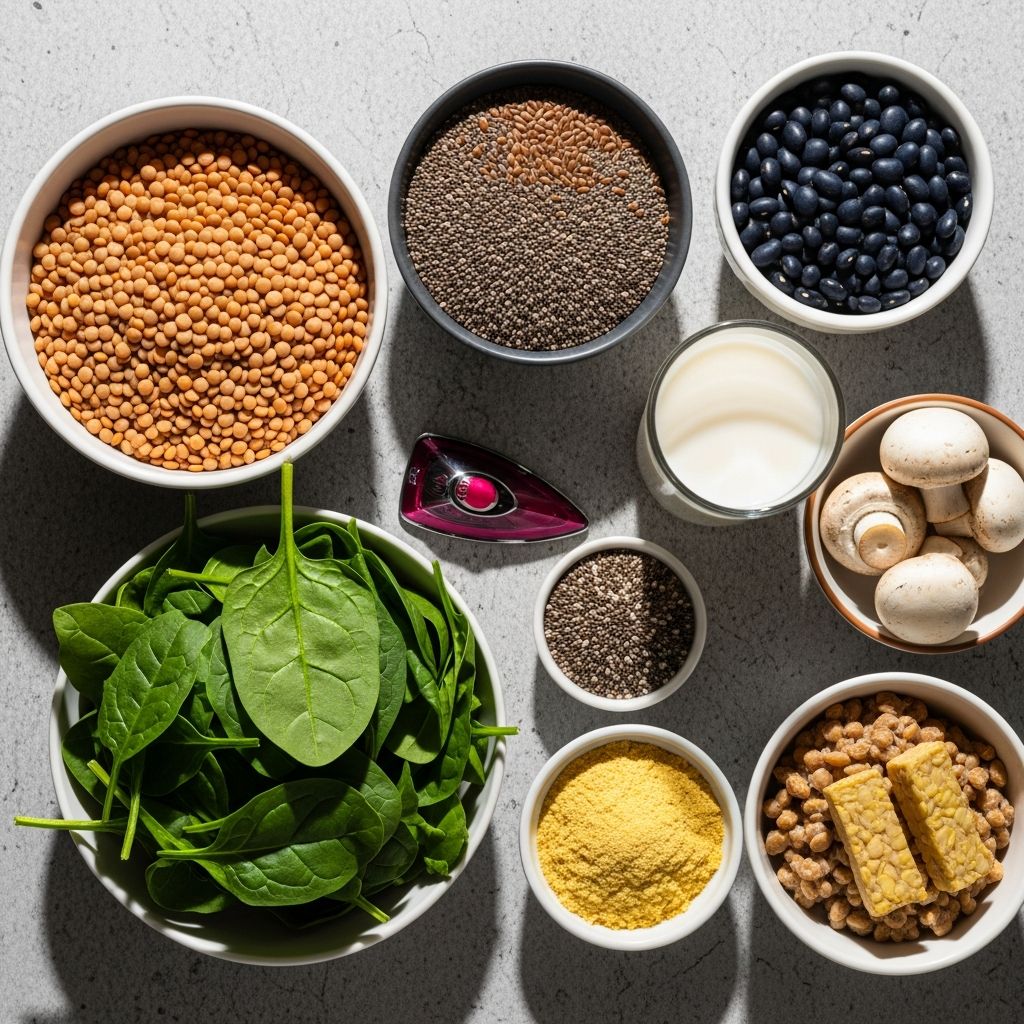
No matter which vegetarian eating style you follow—whether lacto-ovo, lacto, ovo, or vegan—it is crucial to choose a variety of foods including whole grains, fruits, vegetables, legumes, nuts, and seeds. This diversity helps ensure you meet your daily nutritional needs while enjoying the health benefits of a plant-forward diet, such as lower risks of heart disease, hypertension, type 2 diabetes, and certain cancers.
A well-planned vegetarian diet can provide all essential nutrients, but attention to specific ones like calcium, iron, protein, vitamin B12, and vitamin D is key, especially for those excluding animal products. Fortified foods, supplements when recommended by a healthcare provider, and pairing strategies for better absorption play vital roles. The Academy of Nutrition and Dietetics affirms that vegetarian diets are nutritionally adequate for all life stages when properly planned.
Calcium
Calcium is essential for strong bones, muscle function, nerve signaling, and heart health. Vegetarians should aim for the recommended daily intake—1,000 mg for adults aged 19-50 and 1,200 mg for women over 50 and men over 70—through a variety of sources. Dairy products are rich in highly absorbable calcium, but non-dairy eaters can rely on plant-based options, though absorption rates vary (typically 30-40% from plants vs. 30-35% from dairy due to oxalates and phytates in some greens).
To maximize absorption, pair calcium-rich foods with vitamin D sources and avoid high-oxalate foods like spinach in the same meal. Weight-bearing exercises like walking or yoga further support bone health.
- Low-fat or fat-free dairy: Milk (300 mg per cup), yogurt (300-400 mg per cup), cheese (200-300 mg per ounce).
- Fortified plant-based milks: Soy or almond milk (300-450 mg per cup; check labels).
- Fortified cereals and juices: Ready-to-eat cereals (up to 1,000 mg per serving), calcium-fortified orange juice (350 mg per cup).
- Calcium-set tofu: 250-800 mg per half-cup, depending on calcium sulfate content.
- Leafy greens: Collard greens (350 mg per cooked cup), turnip greens (250 mg), kale (180 mg), bok choy (160 mg).
- Other vegetables: Broccoli (50 mg per cooked cup).
- Legumes and nuts: Soybeans, chickpeas, black beans (50-100 mg per cup cooked), almonds/almond butter (75 mg per ounce).
Incorporate these into meals like smoothies with fortified milk and kale, tofu stir-fries with broccoli, or yogurt parfaits with almonds. If dairy-free, aim for multiple servings daily and consider supplements if needs aren’t met.
Iron
Iron supports oxygen transport in blood via hemoglobin and myoglobin, energy production, and immune function. Vegetarians need 1.8 times more iron than omnivores (18 mg/day for women 19-50, 8 mg for men and postmenopausal women) because non-heme iron from plants absorbs at 2-20% vs. 15-35% for heme iron from meat.
Enhance absorption by consuming vitamin C-rich foods (citrus, bell peppers, tomatoes, strawberries) at every iron-rich meal, which can boost uptake up to sixfold. Avoid tea, coffee, and calcium-rich foods simultaneously, as they inhibit absorption.
- Fortified cereals: Up to 18 mg per serving (check labels).
- Soybeans and tofu: 5-10 mg per cup cooked/edamame.
- Dark leafy greens: Spinach (6 mg per cooked cup), Swiss chard (4 mg).
- Beans and lentils: Lentils (6.6 mg per cup cooked), chickpeas (4.7 mg), kidney beans (5.2 mg).
- Nuts and seeds: Pumpkin seeds (9 mg per ounce), cashews/almonds (2-3 mg per ounce).
- Whole grains: Quinoa (2.8 mg per cup cooked), oatmeal (5 mg per cup cooked).
Related Stories



Try combinations like lentil soup with tomatoes, spinach salad with bell peppers and citrus dressing, or bean burritos with salsa. Pregnant vegetarians may need supplements after consulting providers.
Protein
Protein builds and repairs tissues, produces enzymes and hormones, and supports immune function. Adults need 0.8 g/kg body weight daily (46 g for women, 56 g for men), easily met through varied plant sources without meat. Plant proteins are complete when diverse (e.g., grains + legumes) and offer fiber and less saturated fat, promoting heart health.
Myth busted: Vegetarians don’t struggle with protein if eating enough calories from varied sources.
- Legumes: Beans (15 g per cup cooked), lentils/peas (18 g), chickpeas (15 g).
- Whole grains: Quinoa (8 g per cup), brown rice (5 g).
- Soy products: Tofu (10 g per half-cup), tempeh (19 g), edamame (17 g per cup).
- Nuts and nut butters: Almonds/peanut butter (7 g per 2 tbsp).
- Dairy and eggs (lacto-ovo): Greek yogurt (20 g per cup), eggs (6 g each), cottage cheese (25 g per cup).
Sample meals: Peanut butter on whole-grain toast, lentil chili with quinoa, tofu veggie stir-fry, or egg fried rice with beans. Beans/lentils provide 16 g protein per cup plus fiber and iron.
Vitamin B12
Vitamin B12 is vital for nerve function, red blood cell formation, and DNA synthesis. Found naturally only in animal products, it’s a concern for vegans and some vegetarians; deficiency risks neurological issues and anemia. Daily needs: 2.4 mcg for adults.
Fortified foods are primary for plant-based eaters; supplements often recommended for vegans.
- Fortified foods: Nutritional yeast (up to 24 mcg per tbsp), soy/plant milks (1-3 mcg per cup), cereals (6 mcg per serving), meat substitutes.
- Dairy and eggs: Milk (1 mcg per cup), yogurt (0.9 mcg per cup), eggs (0.6 mcg each).
Check labels, as not all products are fortified. Providers may suggest 250 mcg daily supplements or injections for at-risk groups like pregnant/lactating individuals or elderly.
Vitamin D
Vitamin D regulates calcium/phosphorus absorption for bones, supports immunity, and muscle function. Needs: 600-800 IU/day; sunlight synthesis varies by location/skin tone. Few natural food sources exist; fortification and sun/UV-exposed mushrooms help.
- Eggs: 40 IU per yolk.
- Fortified foods: Cow/soy milk (100-120 IU per cup), orange juice (100 IU), cereals (40-100 IU).
- Mushrooms: UV-exposed maitake/chanterelle (up to 400 IU per cup).
Dairy-free individuals with limited sun exposure should test levels and consider 600-2,000 IU supplements.
Frequently Asked Questions (FAQs)
Can vegetarians get enough calcium without dairy?
Yes, through fortified plant milks, tofu, leafy greens like kale, and almonds, but pair with vitamin D and monitor intake.
How do vegetarians improve iron absorption?
Eat vitamin C sources (citrus, peppers) with iron-rich plants and avoid inhibitors like tea.
Is protein hard for vegans?
No, combining legumes, grains, nuts, and soy meets needs easily.
Do all vegetarians need B12 supplements?
Vegans usually do; lacto-ovo may suffice with dairy/eggs and fortified foods—consult a provider.
What about vitamin D in winter?
Rely on fortified foods, UV mushrooms, or supplements if sun exposure is low.
Building a Balanced Vegetarian Plate
Fill half your plate with vegetables/fruits, a quarter with whole grains, a quarter with protein sources like beans/tofu, plus dairy/fortified alternatives. Use herbs/spices for flavor, heart-healthy fats like olive oil/avocado. Read labels for fortification and low sodium/sugar. This approach supports growth in children/pregnancy and reduces chronic disease risk.
For transitions, start meatless meals weekly with bean/lentil dishes. Consult registered dietitians for personalized plans.
References
- Food Sources of 5 Important Nutrients for Vegetarians — Academy of Nutrition and Dietetics. 2023. https://www.eatright.org/health/wellness/vegetarian-and-plant-based/food-sources-of-5-important-nutrients-for-vegetarians
- Building a Healthy Vegetarian Diet: Myths and Facts — Academy of Nutrition and Dietetics. 2023. https://www.eatright.org/health/wellness/vegetarian-and-plant-based/building-a-healthy-vegetarian-diet-myths
- Position of the American Dietetic Association: Vegetarian Diets — Journal of the American Dietetic Association (PubMed). 2009-07. https://pubmed.ncbi.nlm.nih.gov/19562864/
- Vegging Out: Tips on Switching to a Meatless Diet — Academy of Nutrition and Dietetics. 2023. https://www.eatright.org/health/wellness/vegetarian-and-plant-based/vegging-out-tips-on-switching-to-a-meatless-diet
- Going Meatless Once a Week — Academy of Nutrition and Dietetics. 2023. https://www.eatright.org/health/wellness/vegetarian-and-plant-based/going-meatless-once-a-week
Similar Articles








Read full bio of medha deb