Best Foods to Eat at Night for Weight Loss
Discover smart late-night snacks that support weight loss by curbing hunger, stabilizing blood sugar, and boosting metabolism without derailing your goals.
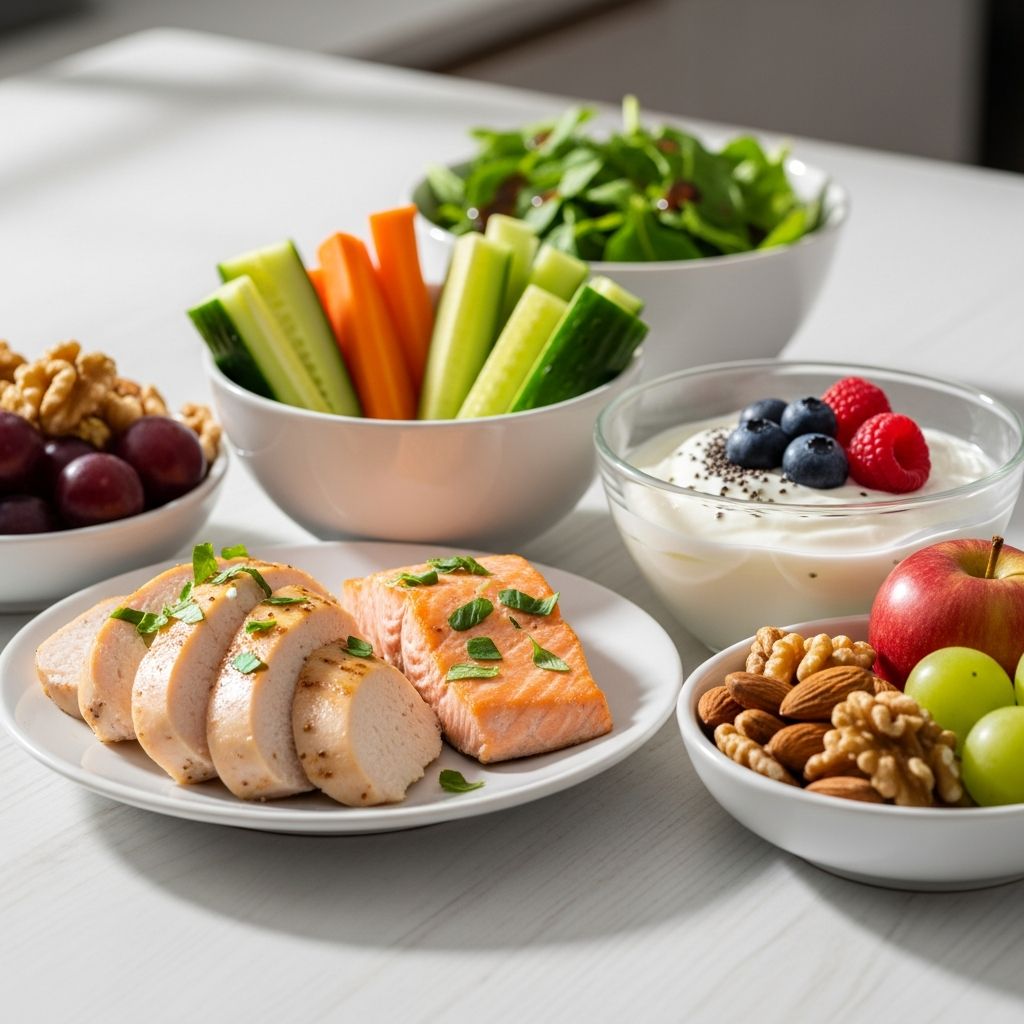
Eating at night doesn’t have to sabotage your weight loss efforts. Research shows that while late-night eating can promote weight gain by disrupting circadian rhythms and reducing calorie burn, choosing the right foods can mitigate these effects and support satiety, stable blood sugar, and better sleep. Nutrition experts recommend nutrient-dense, low-calorie options high in protein, fiber, and healthy fats to curb hunger hormones like ghrelin without spiking insulin.
Why Meal Timing Matters for Weight Loss
Meal timing significantly influences weight management. Studies demonstrate that consuming meals later in the day—especially within 2-3 hours of bedtime—increases hunger the next day, lowers energy expenditure by up to 5-10%, and alters fat storage genes in adipose tissue. For instance, one controlled trial found participants eating four hours later burned fewer calories and had elevated ghrelin levels despite identical calorie intake.
Conversely, front-loading calories earlier (e.g., larger breakfasts) combined with overnight fasting aligns with circadian biology, enhancing fat oxidation and appetite control. The American Heart Association advises greater calorie intake earlier in the day and consistent fasting periods to prevent obesity. If nighttime hunger strikes, opt for snacks under 200 calories that promote fullness without digestive discomfort.
1. Greek Yogurt
**Greek yogurt** stands out as a top nighttime snack for weight loss due to its high protein content—about 20 grams per cup—which triggers satiety hormones like peptide YY and GLP-1, reducing overall calorie intake. Low-fat, plain varieties (unsweetened) provide casein protein that digests slowly, keeping you full through the night.
- Benefits: Supports muscle repair during sleep; probiotics aid gut health linked to lower BMI.
- Weight loss impact: Studies show high-protein snacks prevent late-night overeating by stabilizing blood sugar.
- How to eat: Top ¾ cup plain nonfat Greek yogurt with a few berries (50 calories total snack). Avoid flavored versions with added sugars.
Research on high-protein diets confirms they preserve lean mass during calorie restriction, crucial for long-term metabolism.
2. Berries
**Berries** like strawberries, blueberries, and raspberries are low-calorie (50-80 calories per cup), fiber-rich powerhouses that slow digestion and blunt blood sugar spikes—key for avoiding fat storage at night. Their antioxidants combat inflammation associated with obesity.
- Benefits: High water content (90%) promotes hydration; fiber binds to fat in the gut, reducing absorption.
- Weight loss impact: Low-glycemic index prevents insulin surges that promote late-night cravings.
- How to eat: 1 cup mixed berries alone or with a string cheese for balanced macros (under 150 calories).
Diets emphasizing low-GI foods like berries support sustained weight loss, per systematic reviews.
3. Nuts and Seeds
A small handful of
nuts
(almonds, walnuts) orseeds
(chia, pumpkin) delivers healthy monounsaturated fats, protein, and fiber for prolonged fullness. About 10-15 almonds (100 calories) raise metabolism via diet-induced thermogenesis.- Benefits: Omega-3s in walnuts reduce hunger; magnesium improves sleep quality.
- Weight loss impact: Despite calories, nuts don’t lead to weight gain due to poor digestibility—up to 20% of fat passes unabsorbed.
- How to eat: 1 oz portion; pair with herbal tea to enhance relaxation.
Related Stories



Mediterranean-style diets rich in nuts show superior weight loss and cardiometabolic benefits.
4. Cottage Cheese
**Cottage cheese** offers 25 grams of protein per cup with minimal carbs, making it ideal for muscle preservation and appetite suppression overnight. Casein protein forms a gel in the stomach, delaying gastric emptying.
- Benefits: Calcium may enhance fat breakdown; low lactose suits many.
- Weight loss impact: High-protein intake exceeding 0.8g/kg body weight boosts satiety and prevents regain.
- How to eat: ½ cup low-fat cottage cheese with cherry tomatoes (120 calories).
5. Popcorn
Air-popped
popcorn
is a voluminous, low-calorie snack (3 cups = 90 calories) high in fiber, filling the stomach to signal fullness to the brain.- Benefits: Whole grain polyphenols act as prebiotics.
- Weight loss impact: Volume eating tricks the brain into satisfaction with fewer calories.
- How to eat: Plain, lightly salted; skip butter.
6. Hard-Boiled Eggs
**Hard-boiled eggs** provide complete protein (6g each) and choline for fat metabolism. They increase PYY hormone, curbing hunger.
- Benefits: Healthy fats support hormone balance.
- Weight loss impact: Protein snacks reduce next-day intake by 400 calories.
- How to eat: 1-2 eggs with cucumber slices.
7. Avocado
**Avocado**’s monounsaturated fats and fiber (9g per half) promote satiety; potassium aids blood pressure control linked to obesity.
- Benefits: Improves sleep via serotonin precursors.
- How to eat: ¼ avocado on celery (100 calories).
8. Kiwi
**Kiwi** boosts serotonin for better sleep and contains actinidin enzyme aiding digestion. Two kiwis (80 calories) improve sleep onset by 13% per studies.
- Benefits: Vitamin C supports immunity and collagen for skin health during weight loss.
- Weight loss impact: Better sleep correlates with lower BMI.
9. Turkey
Lean
turkey
is rich in tryptophan, converting to melatonin for sleep, plus protein for fullness.- How to eat: 3 oz slices with mustard (100 calories).
10. Oatmeal
Small bowl of
oatmeal
(½ cup cooked, 150 calories) with beta-glucan fiber slows carb absorption, stabilizing overnight glucose.- Benefits: Prebiotic effects feed gut bacteria linked to leanness.
11. Apples
**Apples** (95 calories each) with pectin fiber expand in the stomach, enhancing fullness.
- How to eat: Sliced with nut butter (1 tsp).
12. Cherries
Tart
cherries
naturally raise melatonin; 1 cup (60 calories) reduces inflammation.Foods to Avoid at Night
Steer clear of sugary treats, chips, ice cream, pizza, and soda—they spike blood sugar, disrupt sleep, and promote fat storage via insulin resistance.
- Sweets: Cause energy crashes and cravings.
- High-carb processed foods: Lower leptin (fullness hormone).
- Fried items: Slow digestion, cause bloating.
Sample Late-Night Snacks Table
| Snack | Calories | Protein (g) | Fiber (g) |
|---|---|---|---|
| Greek Yogurt + Berries | 120 | 20 | 4 |
| Almonds (10) | 100 | 4 | 3 |
| Cottage Cheese + Tomato | 120 | 25 | 1 |
| Hard-Boiled Egg + Veggies | 100 | 6 | 2 |
| Kiwi (2) | 80 | 2 | 4 |
Frequently Asked Questions (FAQs)
Is it okay to eat before bed when trying to lose weight?
Yes, if hunger persists, choose protein- or fiber-rich snacks under 200 calories. Avoid eating within 2 hours of bed to minimize reflux and align with circadian rhythms.
What food burns fat while you sleep?
No single food “burns fat,” but casein-rich options like yogurt support muscle maintenance, preserving metabolism. Pair with 7-9 hours sleep for optimal fat loss.
Does eating late really cause weight gain?
Late eating increases hunger hormones, reduces calorie burn by ~5%, and favors fat storage, per lab studies—even with matched calories.
Best time for a nighttime snack?
3-4 hours before bed, during a 12-hour overnight fast to mimic circadian benefits.
Can nuts be eaten at night for weight loss?
Yes, portion-controlled nuts enhance satiety without weight gain due to incomplete fat absorption.
References
- Late night eating may cause greater weight gain – new research points to why — Healthy Food Guide. 2023-10-15. https://www.healthyfood.com/advice/late-night-eating-may-cause-greater-weight-gain-new-research-points-to-why/
- Optimal Diet Strategies for Weight Loss and Weight Loss Maintenance — PMC (National Library of Medicine). 2021-04-07. https://pmc.ncbi.nlm.nih.gov/articles/PMC8017325/
Similar Articles








Read full bio of Sneha Tete