Foodborne Illness and High-Risk Foods Guide
Learn to identify high-risk foods and implement safe handling practices to prevent foodborne illness.
Understanding Foodborne Illness
Foodborne illness, commonly referred to as food poisoning, occurs when you consume food or beverages contaminated with harmful germs such as salmonella, norovirus, and E. coli. This preventable health concern affects millions of Americans annually, with an estimated one in six Americans experiencing food poisoning each year. While most cases resolve without serious complications, vulnerable populations face significantly greater risks of severe illness and hospitalization.
The scope of foodborne illness in America is substantial. Approximately 48 million Americans contract food poisoning annually, and tragically, about 3,000 of these cases result in death. Proper food handling, storage, preparation, and cooking methods can significantly reduce your risk of contracting foodborne illness. Understanding the sources of contamination and implementing preventative measures is essential for protecting your health and the health of your family.
Who Is at Higher Risk?
While anyone can become ill from consuming contaminated food, certain groups face elevated risks for developing severe complications. The CDC identifies specific populations that require extra caution when handling and consuming food.
- Adults 65 years and older — Aging affects immune function, making it harder to fight off harmful bacteria
- Children younger than 5 years old — Young children have developing immune systems that are less equipped to handle pathogenic organisms
- Pregnant women — Pregnancy-related immune changes can increase susceptibility to certain foodborne pathogens
- Individuals with weakened immune systems — People with conditions such as HIV/AIDS, diabetes, or those taking immunosuppressive medications face heightened risks
If you belong to one of these high-risk groups, extra vigilance in food safety practices is crucial. Avoiding high-risk foods and adhering strictly to safe food handling guidelines can help prevent serious illness and its complications.
High-Risk Foods to Avoid
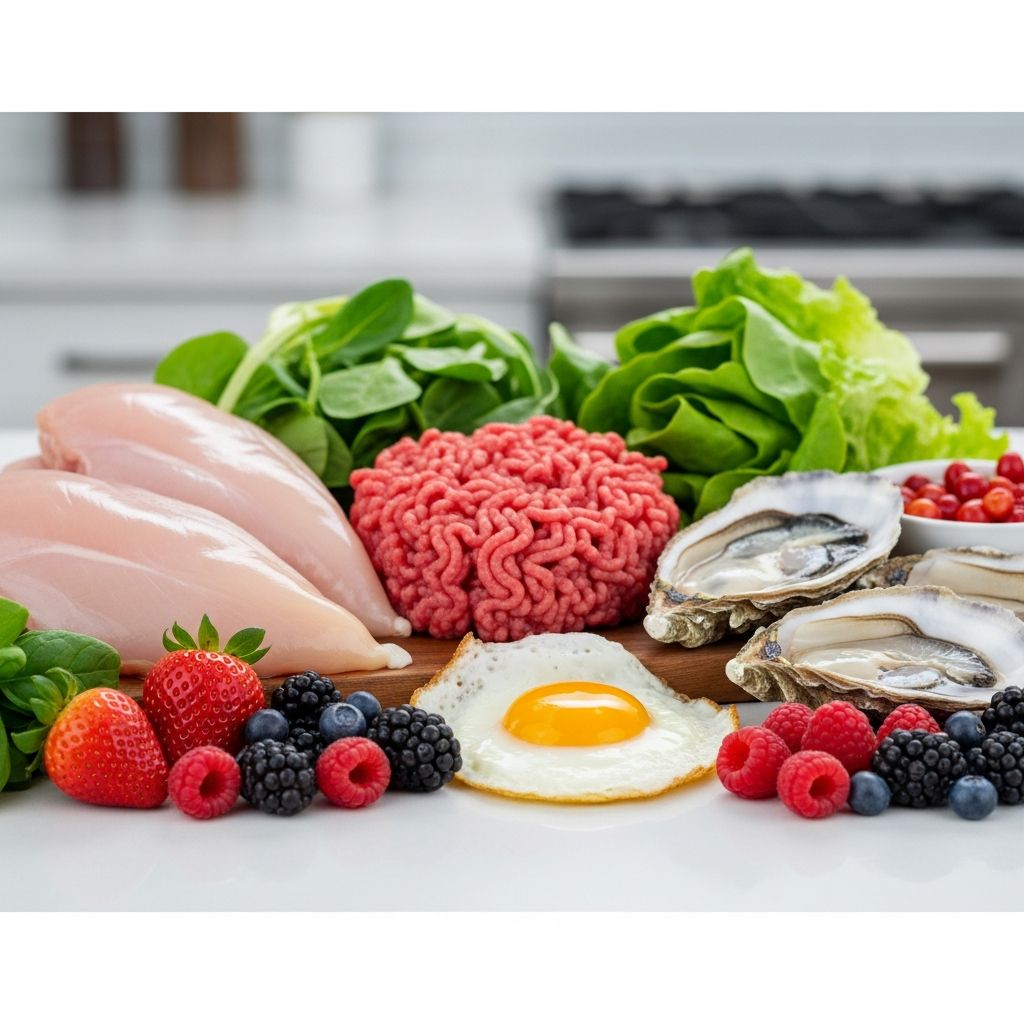
Certain foods have a greater propensity for harboring harmful bacteria and pathogens, making them particularly dangerous if not handled, prepared, or cooked properly. Understanding which foods pose the greatest risk allows you to make informed decisions about your diet and implement appropriate precautions.
Raw or Undercooked Proteins
- Raw or undercooked meat and poultry
- Raw or undercooked fish and shellfish, including sashimi, sushi, and ceviche
- Cold smoked fish
- Hot dogs, deli meats, and luncheon meats that have not been reheated to 165°F
- Unpasteurized, refrigerated pâtés or meat spreads
Egg-Based Products
- Raw or undercooked eggs
- Foods containing raw eggs, such as raw cookie dough, homemade eggnog, mayonnaise, and Caesar dressing
- Raw cookie dough containing flour (which can harbor E. coli even without eggs)
Dairy and Plant-Based Products
- Raw (unpasteurized) milk and cheese made from raw milk
- Raw sprouts, including bean sprouts and alfalfa sprouts
- Unwashed fresh vegetables, including lettuce and salads
These foods require either thorough cooking, proper pasteurization, or rigorous washing to eliminate harmful pathogens. Cross-contamination during preparation can also introduce bacteria into these foods, even if they are handled carefully.
Safer Alternatives to High-Risk Foods
The good news is that safer alternatives exist for most high-risk foods. By making informed substitutions, you can enjoy the flavors and textures you love while significantly reducing your foodborne illness risk.
Related Stories



| High-Risk Food | Safer Alternative |
|---|---|
| Raw or undercooked meat, poultry, and shellfish | Meat, poultry, and shellfish cooked to safe internal temperatures |
| Raw eggs in dressings and condiments | Packaged Caesar dressing and mayonnaise made with pasteurized eggs or egg products |
| Raw (unpasteurized) milk and cheese | Pasteurized milk, cheese, and eggnog |
| Refrigerated pâtés or meat spreads | Canned or shelf-stable pâtés and meat spreads |
| Raw fish and seafood | Canned fish and seafood |
The Four Steps to Food Safety
The CDC recommends following four fundamental steps to handle, prepare, and store food safely: clean, separate, cook, and chill. These evidence-based practices form the foundation of foodborne illness prevention in home kitchens.
Step 1: Clean
Cleanliness is your first line of defense against foodborne pathogens. Germs that cause food poisoning can survive in many places throughout your kitchen and spread rapidly if not properly controlled.
- Wash your hands before, during, and after preparing food, and before eating. Use soap and warm or cold water, and wash for at least 20 seconds.
- Wash your hands immediately after handling raw meat, poultry, eggs, or seafood.
- If you have open cuts or sores on your hands, wear gloves while preparing food.
- Do not prepare food when sick, particularly if experiencing nausea, vomiting, abdominal cramps, or diarrhea.
- Wash utensils, cutting boards, and countertops with hot, soapy water after preparing each food item.
- Rinse fresh fruits and vegetables under running water (without soap or detergent) to reduce your risk of consuming germs like E. coli, salmonella, and listeria.
- Rinse fruits and vegetables even if you don’t plan to eat the peel, as germs can spread inside when you cut into them.
- Do not rinse raw meat in the sink, as this spreads bacteria throughout your kitchen.
Step 2: Separate
Cross-contamination occurs when harmful bacteria from raw foods transfer to ready-to-eat foods. Raw meat, chicken, poultry, seafood, and eggs can spread germs to other foods unless you keep them separate.
- Keep raw meat, poultry, and seafood separate from ready-to-eat foods in your shopping cart and at home.
- Use separate cutting boards for raw meat and vegetables to prevent cross-contamination.
- Never use a plate that has touched raw meat, poultry, or seafood for cooked foods unless you first wash it thoroughly with hot, soapy water.
- Don’t use the same utensil to place raw meats on a grill and then remove cooked meats, as this introduces cross-contamination. Wash utensils that have touched raw meats before using them on cooked foods.
- Store raw meat, poultry, and seafood on the lowest shelf of your refrigerator to prevent drips onto other foods.
Step 3: Cook
Cooking food to appropriate internal temperatures is essential for killing harmful bacteria. Using a meat thermometer ensures that meat, poultry, and seafood reach safe temperatures throughout.
- Cook beef, pork, and lamb to an internal temperature of 145°F
- Cook ground meat to an internal temperature of 160°F
- Cook poultry to an internal temperature of 165°F
- Cook fish and shellfish to an internal temperature of 145°F
- Use a meat thermometer to verify that large items like roasts and turkeys have reached safe temperatures throughout.
- Cut into other pieces of meat to check if they are done.
- When reheating meals, cover them and reheat to 165°F.
- Do not interrupt the cooking of meat or poultry to finish it later, as this allows bacteria to multiply in the danger zone.
Step 4: Chill
Bacteria can multiply rapidly if left at room temperature or in the “danger zone” between 40°F and 140°F. Proper refrigeration and freezing are critical for preventing bacterial growth.
- Never leave perishable food out for more than 2 hours (or 1 hour if exposed to temperatures above 90°F).
- Keep your refrigerator at 40°F or below and your freezer at 0°F or below.
- If your refrigerator doesn’t have a built-in thermometer, keep an appliance thermometer inside to check the temperature.
- Place hot food directly into the refrigerator without waiting for it to cool first.
- Do not prepare food one day for consumption the next unless it will be frozen or refrigerated immediately.
- Do not let prepared foods (particularly starchy ones), cooked and cured meats, cheese, or anything with mayonnaise stay at room temperature for more than two hours.
- Thaw food properly in the refrigerator, under cold running water, or in the microwave — never at room temperature.
- When serving food at gatherings, keep cold foods at or below 40°F and place them in ice baths if needed.
Additional Food Safety Considerations
Canned Goods Safety
When purchasing canned or jarred foods, especially home-canned goods, inspect them carefully for signs of bacterial contamination. Look for milky liquid surrounding vegetables (should be clear), cracked jars, loose lids, and swollen cans or lids. Do not use any canned or jarred goods showing these signs — dispose of them safely by wrapping in plastic and then a heavy paper bag.
Choosing Quality Food Sources
- Buy all meats and seafood from reputable suppliers.
- If your child turns away from a particular food or drink, smell or taste it yourself; you may find it’s spoiled and shouldn’t be eaten.
- Never give honey to babies under one year of age, as it can contain botulism spores.
Frequently Asked Questions
Q: What symptoms indicate foodborne illness?
A: Common symptoms of foodborne illness include nausea, vomiting, diarrhea, abdominal cramps, and fever. Symptoms typically appear within hours to days after consuming contaminated food. If symptoms persist or are severe, seek medical attention.
Q: Can I get foodborne illness from frozen foods?
A: While freezing stops bacterial growth, it does not kill existing bacteria. Frozen foods must still be thawed properly and cooked to safe internal temperatures to eliminate any harmful pathogens.
Q: Is it safe to eat sushi if I’m pregnant?
A: Pregnant women should avoid raw fish and shellfish, including sushi and sashimi, due to the risk of listeria and other pathogens. Choose cooked seafood options instead, or restaurant sushi made with cooked ingredients.
Q: How long can leftovers safely remain in the refrigerator?
A: Most cooked leftovers can be safely stored in the refrigerator for 3 to 4 days if kept at 40°F or below. Label leftovers with the date prepared to help track storage time.
Q: What should I do if I suspect food poisoning?
A: Stay hydrated, rest, and monitor your symptoms. Most cases resolve on their own within a few days. Contact your healthcare provider if symptoms are severe, persistent, or if you belong to a high-risk group. You can also report suspected foodborne illness to your local health department.
Q: Are organic foods safer from foodborne illness?
A: Organic certification does not guarantee freedom from pathogens. All fresh produce, regardless of certification, should be rinsed under running water before consumption. Proper handling and cooking remain essential for all foods.
Conclusion
Foodborne illness is a preventable threat to public health. By understanding which foods pose the greatest risk, recognizing vulnerable populations, and implementing the four steps of food safety — clean, separate, cook, and chill — you can significantly reduce your risk of food poisoning. Whether preparing meals for yourself, your family, or guests, prioritizing proper food handling practices protects everyone from the dangers of contaminated food. Remember that safe food practices become habitual with consistent implementation, and the effort you invest in food safety today protects your health and well-being tomorrow.
References
- Foodborne Illness and High-Risk Foods — Academy of Nutrition and Dietetics. 2024. https://www.eatright.org/food/home-food-safety/safe-cooking-and-prep/foodborne-illness-and-high-risk-foods
- Preventing Food Poisoning — Centers for Disease Control and Prevention. 2024. https://www.cdc.gov/food-safety/prevention/index.html
- Foodborne Illnesses Prevention: Tips for Families — American Academy of Pediatrics. 2024. https://www.healthychildren.org/English/health-issues/conditions/prevention/Pages/Food-Borne-Illnesses-Prevention.aspx
- Barbecue Basics: Tips to Prevent Foodborne Illness — U.S. Food and Drug Administration. 2024. https://www.fda.gov/consumers/consumer-updates/barbecue-basics-tips-prevent-foodborne-illness
- Preventing Foodborne Illnesses — Mississippi State Department of Health. 2024. https://msdh.ms.gov/page/43,3244,377.html
- Food Contamination and Foodborne Illness Prevention — Minnesota Department of Health. 2024. https://www.health.state.mn.us/people/foodsafety/prevention.html
- Preventing Food Poisoning — NIH News in Health. December 2024. https://newsinhealth.nih.gov/2024/12/preventing-food-poisoning
Similar Articles








Read full bio of medha deb