Foods to Boost Your Immune System This Winter
Strengthen your immunity this winter with nutrient-rich foods that support your body's natural defenses.
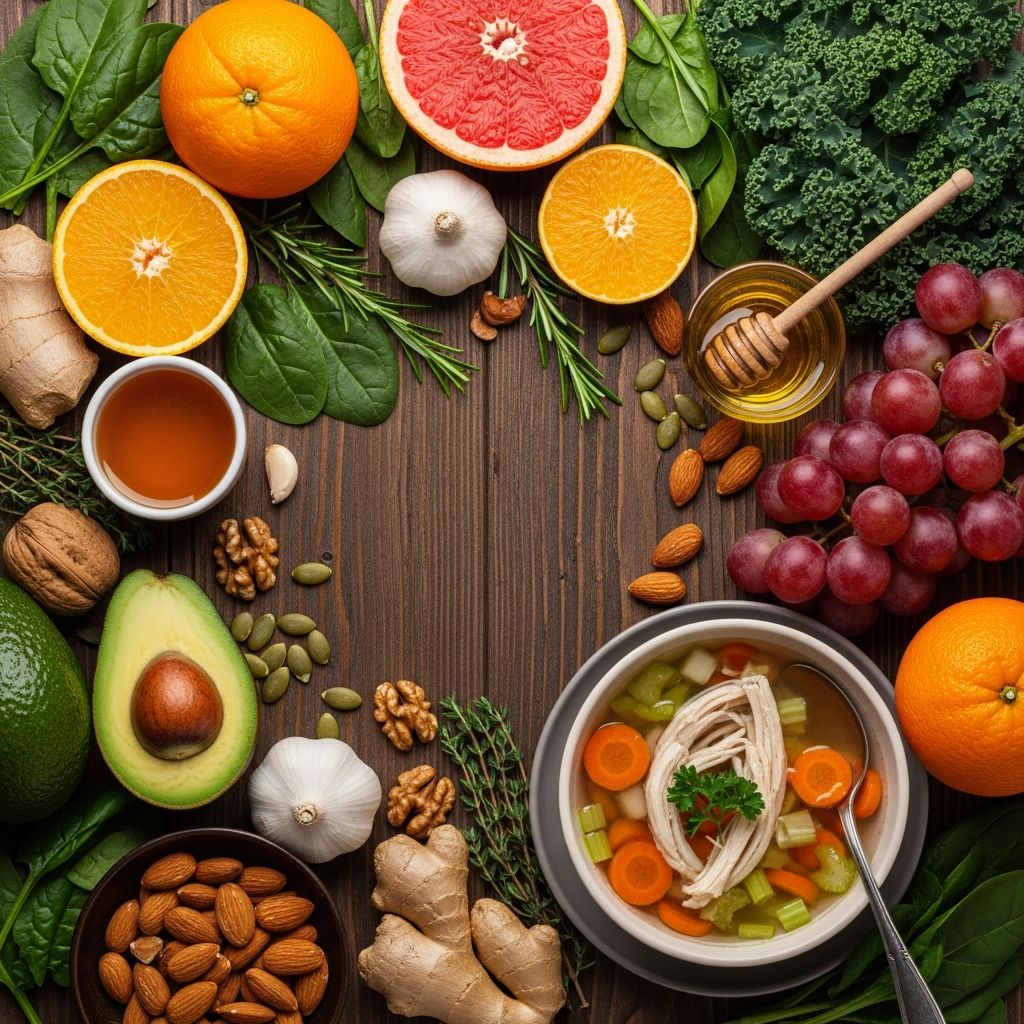
As the winter season approaches, keeping your immune system strong becomes increasingly important. With colds, flu, and other seasonal illnesses circulating more frequently during colder months, the foods you choose can play a significant role in supporting your body’s natural defenses. Rather than relying solely on supplements, incorporating specific nutrient-rich foods into your daily diet can help strengthen your immune system and reduce your risk of illness.
The relationship between nutrition and immune function is well-established. Your immune system requires various vitamins, minerals, and other nutrients to function optimally and fight off pathogens effectively. By strategically choosing foods that contain these immune-supporting nutrients, you can give your body the tools it needs to maintain robust health throughout the winter months.
Key Nutrients for Immune Support
Several essential nutrients play crucial roles in maintaining and strengthening immune function. Understanding which nutrients matter most can help guide your food choices and ensure you’re consuming a diet that truly supports your body’s defenses.
Vitamin C
Vitamin C is one of the most well-known nutrients for immune support. This powerful antioxidant helps your body fight off infections and strengthens your defense against harmful germs. Vitamin C supports the essential functions of the immune system and contributes to the production of antibodies that protect your body from illness. A deficiency in vitamin C can weaken your immunity and increase your risk of infection.
The recommended daily intake of vitamin C is substantial, and fortunately, many delicious foods provide abundant quantities of this nutrient. Research shows that incorporating vitamin C-rich foods into your diet may help reduce the severity of cold symptoms, making it an important dietary focus during winter months.
Zinc
Zinc is another critical mineral for immune cell function and development. This nutrient supports the growth of immune cells, enhances their function, and contributes to antibody production. Deficiencies in zinc can lead to imbalances in the immune system, making it difficult for your body to fight off infections effectively.
Research demonstrates that taking zinc lozenges or supplements when you first notice cold symptoms can reduce symptom duration by approximately one-third in healthy individuals. However, it’s important to consume zinc within 24 hours of symptom onset for maximum effectiveness.
Vitamin D
Often called the “sunshine vitamin,” vitamin D plays a key role in maintaining immune system function and the production of illness-fighting cells. During winter months, daylight hours are shorter and exposure to beneficial ultraviolet rays is limited. This reduced sun exposure means most people experience a decline in vitamin D levels during winter, making dietary sources and fortified foods particularly important during these months.
Probiotics and Gut Health
An often-overlooked aspect of immune health is gut health. The intestines house up to 80% of the immune system, making a healthy gut microbiome essential for optimal immune cell function. Probiotics are beneficial bacteria that support the gut lining, which serves as one of the first lines of defense for your immune system. Additionally, consuming high-fiber foods that act as prebiotics—feeding your beneficial bacteria—can help these helpful organisms thrive and perform their vital defense roles.
Related Stories



Top Winter Immune-Boosting Foods
Citrus Fruits
Oranges, grapefruits, and lemons are among the most accessible and nutrient-dense foods for winter immune support. These fruits are rich in vitamin C and deliver substantial percentages of your daily recommended intake. A single orange provides 100% of the daily recommended vitamin C intake, making it an excellent choice for regular consumption. Fresh citrus juices, including orange juice, grapefruit juice, and even tomato juice, offer convenient alternatives for obtaining these immune-supporting nutrients.
If you’re not particularly fond of eating whole citrus fruits, consider squeezing lemon juice into your water throughout the day. This simple habit provides vitamin C benefits while keeping you hydrated—another important aspect of winter wellness.
Berries
Strawberries deserve special attention among winter fruits due to their exceptional vitamin C content. One cup of strawberries provides almost 150% of your daily vitamin C intake, making them an incredibly efficient source of this essential nutrient. Beyond strawberries, other berries also contribute valuable antioxidants and vitamins that support immune function. The variety of colors available in berries indicates different phytonutrients, each offering unique immune-supporting benefits.
Leafy Green Vegetables
Leafy greens such as spinach and kale offer multi-nutrient support for immunity. These vegetables contain vitamin C, beta-carotene, and other powerful antioxidants that boost immune health. Beyond their nutrient profile, leafy greens support gut health and motility, contributing to the digestive wellness that underlies strong immunity. The vibrant green color of these vegetables indicates the presence of chlorophyll and various phytonutrients that support your body’s defense mechanisms.
Plan your shopping to ensure you can enjoy immune-supporting vitamin C-rich leafy greens regularly throughout winter. These vegetables can be incorporated into salads, smoothies, soups, and cooked dishes, offering flexibility in your meal planning.
Colored Vegetables
Orange, red, and yellow vegetables including bell peppers, tomatoes, and carrots provide substantial immune support. These vegetables are rich in vitamin A and beta-carotene, the primary dietary source of vitamin A. Vitamin A is effective for improving immunity and can even protect against certain types of cancer. Bell peppers, in particular, provide excellent sources of vitamin C alongside other beneficial nutrients. By consuming a variety of colored vegetables, you ensure your body receives a comprehensive spectrum of immune-supporting nutrients.
Broccoli and Brussels sprouts also deserve recognition as vitamin C-rich vegetables that support immune function. These cruciferous vegetables offer additional compounds with potential protective health benefits beyond immune support.
Protein Sources
Adequate protein intake is crucial for immune function. Antibodies—your body’s infection-fighting proteins—are composed of protein, making sufficient dietary protein essential for mounting an effective immune response. Insufficient protein reduces both your energy levels and your body’s ability to repair itself, both critical for overcoming infection symptoms and supporting recovery.
Excellent protein sources include:
- Fish and seafood including salmon, tuna, sardines, and oysters
- Poultry such as chicken and turkey
- Lean meats including beef, which is particularly high in zinc
- Eggs
- Beans and legumes
- Dairy products such as milk, yogurt, and cheese
Salmon and Fatty Fish
All nutrition experts recommend salmon as a winter immune-support food because it combines protein with anti-inflammatory omega-3 fatty acids. Salmon is also one of the few food sources of vitamin D, addressing a nutrient that commonly becomes depleted during winter months. The anti-inflammatory properties of omega-3 fatty acids support overall immune function by reducing excessive inflammation that can compromise immune response.
Oysters and Shellfish
Oysters are the top food source of zinc, according to the National Institutes of Health. Just two medium oysters contain nearly three times the recommended daily intake of this immune-boosting mineral. For those seeking concentrated sources of zinc, oysters offer unmatched nutritional density. Other seafood options also provide substantial zinc content, making regular seafood consumption an effective strategy for meeting your mineral needs.
Garlic and Onions
Garlic contains natural antiviral and antibacterial compounds that support immune function. Research published in the journal Antioxidants suggests that garlic may help the body fight off seasonal infections and may also provide protection against heart disease, diabetes, metabolic disorders, and cancer. Beyond its medicinal properties, garlic adds tremendous flavor to winter dishes, making it easy to incorporate into regular meals. Onions similarly contain germ-fighting compounds that contribute to immune support.
Probiotic and Fermented Foods
Yogurt with live active cultures provides probiotics that support gut health, which is key to immunity. These beneficial bacteria help maintain the intestinal barrier and promote immune cell development. Kefir, a tangy fermented dairy drink, offers similar probiotic benefits and provides a convenient alternative for those seeking variety in their fermented food choices.
For those who don’t consume much dairy, sauerkraut offers another fermented, probiotic-rich option. Research published in the journal Cells emphasizes that maintaining a healthy gut microbiome is key to maintaining optimal immune cell function. Additionally, consuming plenty of high-fiber foods such as wholegrain bread, pasta, rice, vegetables, fruit, seeds, nuts, beans, and pulses encourages beneficial bacteria to thrive and perform their important defense roles.
Planning Your Winter Diet
Creating a winter diet that supports immune health requires intentional planning and strategic shopping. Rather than waiting until you feel ill, building immune-supporting nutrients into your regular diet provides consistent support for your body’s defenses.
Daily Food Strategy
Eating a variety of fruits and vegetables in a wide range of colors—as part of a balanced diet—helps boost your vitamin intake across the spectrum. This colorful approach ensures you receive diverse phytonutrients and minerals that work synergistically to support immunity. A registered nutritional therapist explains that eating a variety of vegetables and some fruit supplies important fibers (prebiotics) to beneficial bacteria, helping them grow, flourish, and regulate immune activity. Fruits and vegetables also supply important nutrients such as vitamins and minerals required by the immune system, including vitamins A and C, and minerals such as magnesium and zinc.
Shopping List Essentials
Plan your shopping to ensure you can enjoy immune-supporting foods every day. Essential items should include:
- Citrus fruits (oranges, grapefruits, lemons)
- Berries (strawberries, blueberries)
- Leafy greens (spinach, kale)
- Colored vegetables (bell peppers, tomatoes, carrots, broccoli)
- Protein sources (salmon, chicken, beef, beans, eggs)
- Probiotic foods (yogurt, kefir, sauerkraut)
- Garlic and onions
- Fortified foods (milk, orange juice, breakfast cereal)
The Four Main Food Groups
Maintaining a balanced diet during winter means incorporating foods from the four main food groups: fruit and vegetables, starchy carbohydrates, protein, and dairy or dairy alternatives. This balanced approach ensures you receive comprehensive nutrition rather than focusing narrowly on single nutrients. Each food group contributes essential nutrients that work together to support overall health and immune function.
Supplements vs. Whole Foods
While supplements can play a role in immune support, whole foods should form the foundation of your immune-health strategy. Research shows that taking vitamin C supplements reduced the severity of the common cold in some studies, although results regarding duration or severity of symptoms have been inconsistent. Similarly, zinc supplements show promise when taken within 24 hours of symptom onset, but timing is critical.
The advantage of obtaining nutrients from whole foods is that they provide not only the isolated nutrients but also numerous other compounds that work synergistically to support health. Whole foods contain fiber, additional minerals, and phytonutrients that isolated supplements cannot replicate.
Frequently Asked Questions
Q: How much vitamin C do I need daily to support my immune system?
A: The recommended daily intake of vitamin C varies by age and gender, but generally ranges from 75-90 mg for adults. One orange provides approximately 100% of the recommended daily intake, and one cup of strawberries provides nearly 150%, making it relatively easy to meet your daily needs through food sources.
Q: Can I rely solely on supplements instead of eating immune-boosting foods?
A: While supplements can be beneficial, they work best as a complement to a nutritious diet rather than a replacement for whole foods. Whole foods provide not only isolated nutrients but also fiber, phytonutrients, and other compounds that work together to support immune health. Additionally, many studies show that food-based sources of nutrients are more effective than supplements for overall health.
Q: What’s the best way to include more leafy greens in my winter diet?
A: Leafy greens can be incorporated into winter meals in numerous ways: add them to soups and stews, blend them into smoothies, use them as salad bases, or sauté them as side dishes. The variety of preparation methods makes it easy to consume them regularly without monotony.
Q: Are frozen fruits and vegetables as nutritious as fresh ones for immune support?
A: Yes, frozen fruits and vegetables retain their nutrient content and offer convenience, especially during winter months when fresh produce may be less available or more expensive. Freezing preserves vitamins and minerals effectively, making frozen options a practical choice for maintaining immune-supporting nutrition throughout winter.
Q: How quickly will eating immune-boosting foods prevent me from getting sick?
A: Building a strong immune system through consistent nutrition is a long-term strategy rather than a quick fix. Regular consumption of immune-supporting foods over weeks and months helps maintain overall immune health. You may be able to prevent illness or shorten its duration, but results depend on various factors including your baseline health, stress levels, sleep quality, and overall lifestyle habits.
Q: Which foods provide the most concentrated sources of multiple immune nutrients?
A: Salmon stands out for combining protein, vitamin D, and omega-3 fatty acids. Oysters concentrate zinc exceptionally well. Citrus fruits and berries provide concentrated vitamin C. Leafy greens offer multiple nutrients including vitamins A, C, and various minerals. Building meals around these nutrient-dense foods ensures you receive multiple immune-supporting compounds simultaneously.
References
- Boost Your Immune System to Stay Well This Winter — Village Medical. 2025. https://www.villagemedical.com/journey-to-well/boost-your-immune-system-to-stay-well-this-winter
- Nutrients that Can Help Boost your Immune System During Winter — Carle Health Fitness & Wellness. 2026-01-04. https://www.carlehealthfitness.com/2026/01/04/nutrition-highlight-nutrients-that-can-help-boost-your-immune-system-during-winter/
- Doctors: 14 Immune-Boosting Foods to Eat This Cold and Flu Season — Prevention. https://www.prevention.com/health/a69500925/immunity-foods-for-cold-flu-season/
- How to get vitamin-ready for autumn and winter — Patient.info. https://patient.info/features/diet-and-nutrition/how-to-get-vitamin-ready-for-winter
- Which Foods Help to Fight Infection? — Patient.info. https://patient.info/features/diet-and-nutrition/food-to-fight-infections
- How to improve your immunity through diet and lifestyle — Patient.info. https://patient.info/features/allergies-blood-immune/how-to-improve-your-immunity
Similar Articles








Read full bio of Sneha Tete