Foods For Constipation Relief: Your Complete High-Fiber Guide
Discover effective dietary solutions to relieve constipation naturally.
Foods for Constipation Relief
Constipation is a common digestive concern that affects millions of people worldwide. While it can be uncomfortable and frustrating, one of the most effective ways to manage and prevent constipation is through dietary modifications. By incorporating specific foods and beverages into your daily routine, you can naturally promote regular bowel movements and improve your overall digestive health. This comprehensive guide explores the best foods for constipation relief and provides practical advice for making sustainable dietary changes.
Understanding Constipation and Its Causes
Constipation occurs when bowel movements become infrequent or difficult, often resulting in hard, dry stools that are challenging to pass. Several factors can contribute to constipation, including insufficient fiber intake, inadequate water consumption, sedentary lifestyle, certain medications, and changes in daily routines. Understanding the root causes of your constipation is essential for selecting the most appropriate dietary interventions.
The digestive system requires adequate fiber and fluid to function optimally. When either of these elements is lacking, stool can become compacted and difficult to eliminate. Additionally, stress, hormonal changes, and certain medical conditions can exacerbate constipation. By addressing these underlying factors through diet, you can often resolve constipation without relying on over-the-counter medications or laxatives.
The Role of Fiber in Digestive Health
Dietary fiber is arguably the most critical component for preventing and relieving constipation. Fiber adds bulk to stool and helps it move through the digestive tract more efficiently. There are two primary types of fiber: soluble and insoluble. Soluble fiber dissolves in water and forms a gel-like substance that softens stool, making it easier to pass. Insoluble fiber adds bulk to stool and promotes bowel movements. Both types are essential for optimal digestive function.
Most health experts recommend consuming between 25 to 35 grams of fiber daily, depending on age and individual health needs. However, it’s important to increase fiber intake gradually to avoid bloating, gas, and other digestive discomfort. Additionally, increasing fiber consumption should always be paired with adequate hydration, as fiber works best when combined with sufficient water intake.
High-Fiber Foods for Constipation Relief
Incorporating high-fiber foods into your meals is one of the most effective strategies for managing constipation naturally. Here are some of the best options:
Fruits Rich in Fiber
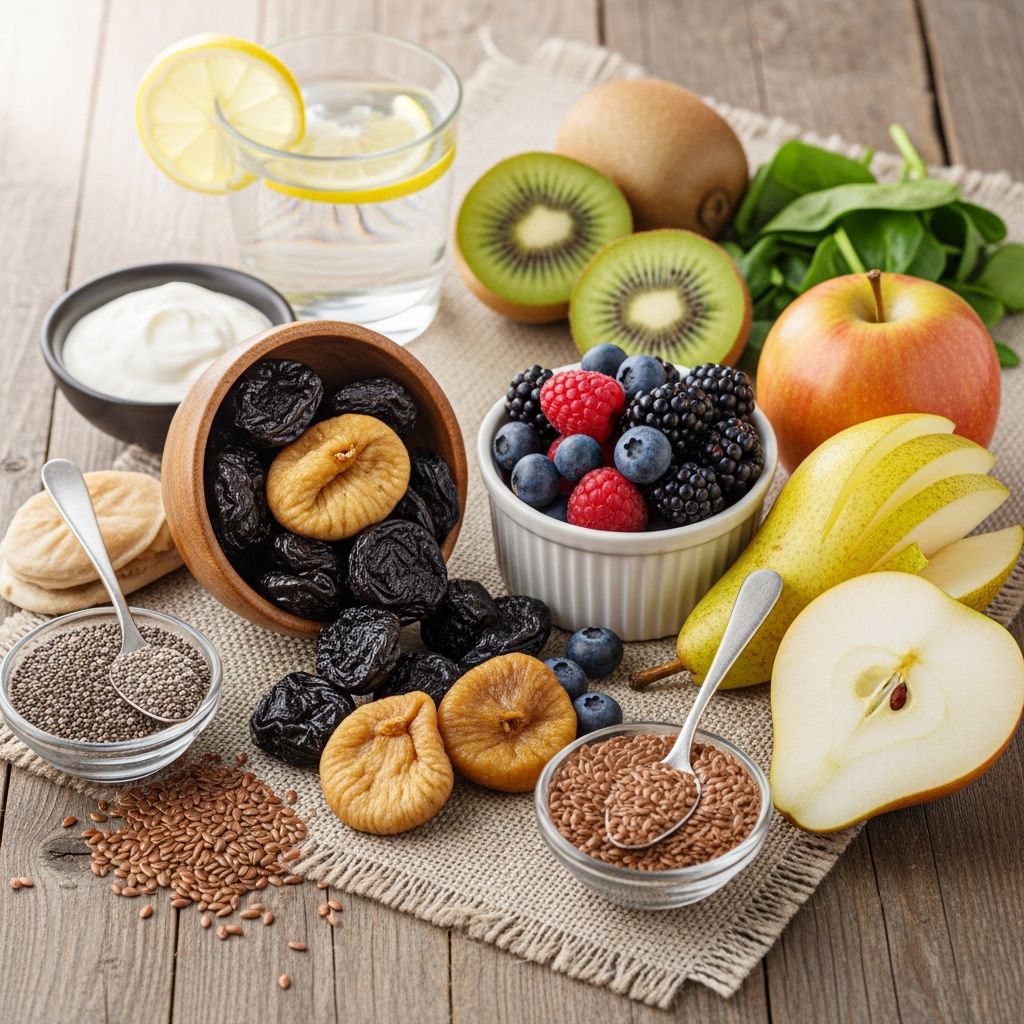
Fruits are excellent natural sources of fiber and essential nutrients that support digestive health. Berries, including raspberries, blackberries, and blueberries, are particularly rich in fiber. A single cup of raspberries provides approximately 8 grams of fiber. Pears, with their high fiber content and natural juices, are especially beneficial for promoting bowel movements. Prunes are renowned for their constipation-relieving properties due to both their high fiber content and the presence of sorbitol, a natural sugar alcohol that has a mild laxative effect. Apples with their skin intact offer substantial fiber benefits, making them an ideal snack choice.
Vegetables for Digestive Support
Vegetables are nutritional powerhouses that provide fiber alongside vitamins and minerals essential for overall health. Leafy greens such as spinach, kale, and broccoli are high in fiber and other nutrients that support digestive function. Sweet potatoes, with their skin included, offer significant fiber content. Artichokes contain prebiotic fiber that feeds beneficial gut bacteria. Brussels sprouts, cabbage, and other cruciferous vegetables also contribute meaningfully to daily fiber intake.
Whole Grains and Legumes
Whole grains are foundational components of a constipation-relieving diet. Brown rice, whole wheat bread, oats, and quinoa all provide substantial amounts of fiber. Legumes including beans, lentils, and chickpeas are among the most fiber-rich foods available, often containing 7 to 8 grams of fiber per cooked cup. These plant-based proteins offer dual benefits of supporting digestive health while providing essential nutrients.
Related Stories



Seeds and Nuts
Small but mighty, seeds offer concentrated fiber in convenient forms. Chia seeds, flaxseeds, and pumpkin seeds can be easily incorporated into smoothies, oatmeal, or salads. These seeds also contain omega-3 fatty acids that support overall health. Almonds and other nuts provide both fiber and healthy fats that contribute to digestive wellness.
Hydration: The Critical Component
While fiber is essential for managing constipation, adequate hydration is equally important. Water helps soften stool and enables fiber to work effectively in promoting bowel movements. Most health authorities recommend consuming at least 8 glasses of water daily, though individual needs may vary based on activity level, climate, and overall health status.
Beyond plain water, other beverages can support digestive health. Herbal teas, particularly those containing ginger or peppermint, can soothe the digestive tract. Warm liquids, especially consumed in the morning, can stimulate bowel movements. However, it’s important to limit caffeine and alcohol consumption, as these substances can contribute to dehydration and worsen constipation.
Foods to Limit or Avoid
While focusing on constipation-relieving foods, it’s equally important to be aware of foods that may exacerbate the problem. Processed foods, which often contain minimal fiber and excessive amounts of refined sugars and unhealthy fats, can significantly impair digestive function. Dairy products, particularly cheese and milk, can contribute to constipation in some individuals, though yogurt with live cultures may actually support digestive health. Foods high in fat take longer to digest and can slow intestinal movement. Refined grains, including white bread and white rice, lack the fiber present in their whole-grain counterparts. Red meat, when consumed in excess, may contribute to constipation and should be balanced with plant-based protein sources.
Sample Daily Menu for Constipation Relief
Implementing dietary changes for constipation relief doesn’t require dramatic overhauls. Here’s a sample day of eating that incorporates constipation-relieving foods:
Breakfast
Start your day with a bowl of oatmeal topped with fresh berries, sliced banana, and a tablespoon of ground flaxseed. Serve alongside a glass of water or herbal tea. This meal provides approximately 8 grams of fiber, soluble and insoluble, along with antioxidants and essential nutrients.
Mid-Morning Snack
Enjoy a pear or apple with a small handful of almonds. This combination offers additional fiber, healthy fats, and sustained energy throughout the morning.
Lunch
Prepare a colorful salad featuring leafy greens, roasted sweet potato, chickpeas, and a variety of raw vegetables such as carrots, bell peppers, and cucumber. Dress with olive oil and lemon juice. This meal delivers substantial fiber and hydrating vegetables.
Afternoon Snack
Have a cup of herbal tea paired with a small serving of prunes or a whole grain crackers with vegetables. This snack provides both hydration and additional fiber.
Dinner
Enjoy brown rice or whole wheat pasta with a vegetable-based sauce containing lentils, broccoli, and spinach. Include a side of steamed Brussels sprouts. This meal offers multiple sources of fiber and sustained satiety.
Evening Hydration
Conclude your day with a final glass of water or warm herbal tea to support overnight hydration and digestive processes.
Gradual Implementation Strategy
When increasing dietary fiber for constipation relief, implementing changes gradually is crucial. Rapidly increasing fiber intake can cause bloating, gas, and temporary digestive discomfort. Ideally, increase fiber consumption by approximately 5 grams every few days over several weeks. This gradual approach allows your digestive system to adapt while minimizing uncomfortable side effects.
Similarly, increase water intake gradually alongside fiber increases. Starting with an additional glass or two daily and working up to the recommended amount helps your body acclimate without overwhelming your kidneys or creating excessive urination.
Lifestyle Factors Supporting Digestive Health
While dietary modifications are fundamental for managing constipation, supporting lifestyle changes amplify their effectiveness. Regular physical activity, even moderate exercise such as daily walking, stimulates intestinal contractions and promotes bowel movements. Establishing a consistent bathroom routine, particularly shortly after waking or following meals, can help regulate bowel function. Stress management through meditation, yoga, or other relaxation techniques can improve digestive function, as stress significantly impacts the gut-brain axis. Additionally, ensuring adequate sleep supports optimal digestive and metabolic function.
When to Seek Medical Attention
While dietary modifications resolve constipation for most individuals, persistent constipation lasting more than three weeks, accompanied by severe abdominal pain, blood in stool, or unexplained weight loss warrants professional medical evaluation. Certain medications and medical conditions can contribute to chronic constipation requiring medical intervention. Your healthcare provider can assess your individual situation and recommend appropriate treatments when necessary.
Frequently Asked Questions
Q: How quickly will dietary changes relieve constipation?
A: Most people experience improvements within a few days to a week of implementing dietary changes, though complete normalization may require several weeks as your digestive system adapts to increased fiber and hydration.
Q: Can I get too much fiber?
A: While fiber is beneficial, excessive intake without adequate hydration can paradoxically worsen constipation. Most adults should aim for 25 to 35 grams daily, though individual needs vary.
Q: Are fiber supplements as effective as whole foods?
A: Whole foods offer the added benefits of vitamins, minerals, and phytonutrients that supplements lack. However, supplements can be useful adjuncts when whole food sources are insufficient.
Q: Why does prune juice work so well for constipation?
A: Prunes contain sorbitol, a natural sugar alcohol with mild laxative properties, combined with high fiber content and phenolic compounds that promote bowel movements.
Q: How much water should I drink daily?
A: The general recommendation is at least 8 glasses (64 ounces) daily, though individual needs vary based on activity level, climate, and overall health. Listen to your body’s thirst cues.
References
- Constipation in the Elderly — Johns Hopkins University. https://pure.johnshopkins.edu/en/publications/constipation-in-the-elderly-3
- Dietary Guidelines for Americans 2020-2025 — U.S. Department of Agriculture and Department of Health and Human Services. 2020. https://www.dietaryguidelines.gov
- Fiber: The Carb Your Body Actually Needs — Mayo Clinic. 2023. https://www.mayoclinic.org/healthy-lifestyle/nutrition-and-healthy-eating/expert-answers/fiber/faq-20058522
- Management of Constipation in Older Adults — American Gastroenterological Association. 2023. https://gastro.org
- Hydration and Health — National Academies of Sciences, Engineering, and Medicine. 2024. https://www.nationalacademies.org
Similar Articles








Read full bio of Sneha Tete