Foods for Diverticulosis and Diverticulitis
Manage diverticulitis with the right diet: Clear liquids, low-fiber foods during flares, and high-fiber choices for prevention.
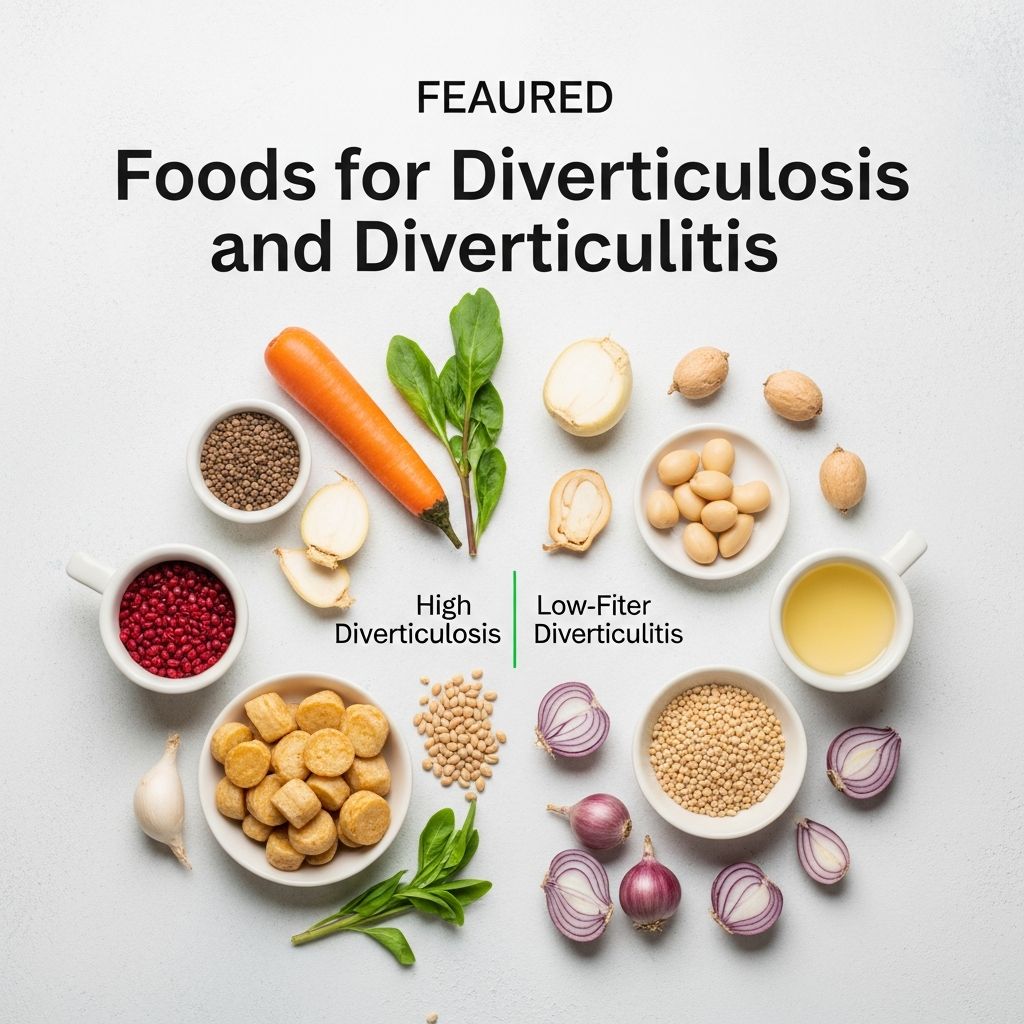
Diverticulosis occurs when small pouches form in the walls of your colon. When these pouches become infected or inflamed, the condition is called diverticulitis. Managing this condition often involves dietary changes, particularly during acute flare-ups. Understanding what to eat and what to avoid is crucial for controlling symptoms and preventing future episodes.
The dietary approach to diverticulitis depends largely on whether you are experiencing an active flare-up or managing the condition long-term. During acute inflammation, your digestive system needs rest and easily digestible foods. Once symptoms improve, you can gradually reintroduce fiber-rich foods that help prevent future attacks.
Understanding Diverticulitis and Diet
Diet plays a significant role in managing diverticular disease. For many years, healthcare providers recommended avoiding certain foods such as seeds, nuts, and popcorn based on the theory that these items could lodge in the diverticula and trigger inflammation. However, modern research has debunked this myth. In fact, these foods are excellent sources of fiber, which helps prevent diverticulitis episodes. The current understanding emphasizes that a high-fiber diet for long-term management and prevention is more beneficial than restrictive eating patterns.
Managing Acute Diverticulitis: What to Eat
When experiencing a diverticulitis flare-up, the primary goal is to give your digestive system time to rest and heal. The recommended dietary approach typically progresses through stages as your symptoms improve.
Clear Liquid Diet
If your flare-up is severe with persistent diarrhea, fever, pain, or if surgery is required, your doctor will likely recommend a clear liquid diet. This initial phase allows your colon to rest completely while maintaining hydration and electrolyte balance.
Safe clear liquids include:
– Water (plain or carbonated)- Sports drinks and electrolyte beverages- Clear broths (chicken, vegetable, or beef)- Fruit juices without pulp, such as apple, cranberry, or grape juice- Plain or flavored gelatin- Frozen juice bars made from clear juices- Coffee or tea without milk or cream
You may also chew on ice chips or eat ice pops without fruit or pulp. This diet should continue for several days until your symptoms begin to improve and your doctor gives you permission to advance to the next stage.
Low-Fiber, Soft Food Diet
As your symptoms improve, your healthcare provider will recommend gradually transitioning to a low-fiber, soft food diet. These foods should be easy to digest and may be chopped, ground, mashed, or pureed to be gentler on your digestive system.
Grains: Choose refined grain options such as white bread, unsalted white crackers, white rice, pasta, and low-fiber cereals like puffed rice or cream of wheat.
Related Stories



Fruits: Opt for applesauce, bananas, and cooked or canned fruits without skins or seeds. Smoothies without seeds or fruit pieces and 100% fruit juice with no pulp are also acceptable choices.
Vegetables: Select cooked or mashed vegetables without skins, stems, or seeds. Vegetable juice with no pulp is also a good option during this phase.
Proteins: Include skinless fish, turkey, chicken, and eggs. Smooth peanut butter, other nut butters, tofu, and ready-to-drink protein shakes are also suitable protein sources.
Dairy: If tolerated, milk, cottage cheese, soft cheeses, yogurt, Greek yogurt, kefir, and yogurt drinks without seeds or fruit pieces can be included.
Continue this low-fiber diet for 2-3 days or as long as your doctor recommends. Popular modifications include mashed potatoes, egg salad, tuna salad, and pureed sweet potatoes, which help reduce fiber intake while improving digestive tolerance.
The BRAT Diet for Diverticulitis
The BRAT diet is sometimes recommended for managing diverticulitis flare-ups. BRAT stands for Bananas, Rice, Applesauce, and Toast. These foods are bland and easy to digest, potentially helping to control diverticulitis symptoms. Other foods that may be part of this approach include saltines, oatmeal, and potatoes.
While the BRAT diet may help ease symptoms during a flare-up, it is very low in nutrients, so it should not be followed long-term. Always consult with your doctor about the most appropriate diet for your specific situation.
Foods to Avoid During Flare-Ups
When experiencing a diverticulitis flare-up, certain foods can worsen symptoms and should be avoided. These foods are typically hard to digest or promote inflammation.
High-Fiber Foods: During acute inflammation, avoid fresh fruits (especially apples, pears, and raspberries), raw vegetables (particularly green peas and broccoli), beans and legumes like lentils, whole wheat and rye bread, oat bran muffins, whole wheat pasta, brown rice, and popcorn.
Other Foods to Avoid: Additionally, limit or eliminate fried and greasy foods, spicy foods, red meat and processed meats, alcohol, and foods high in refined sugar such as pastries, candy, and sodas.
It is important to recognize that individual responses to food can vary. Keeping a food diary during a flare-up helps you and your healthcare team identify specific foods that trigger or worsen your symptoms.
Preventing Future Episodes: High-Fiber Diet
Once your flare-up has resolved—typically within a week or two—you should gradually return to a high-fiber diet. A high-fiber diet keeps stool soft, promotes regular bowel movements, and reduces pressure on your colon, which lowers the risk of diverticula forming and becoming inflamed. This preventive approach is supported by research showing that high-fiber diets decrease the likelihood of symptomatic diverticulitis.
Recommended Daily Fiber Intake: Aim for 25 to 35 grams of fiber daily, gradually increasing to avoid bloating and discomfort. Drink plenty of water to help fiber work effectively, and avoid or quit smoking, which can damage the colon wall.
Excellent Fiber Sources Include:
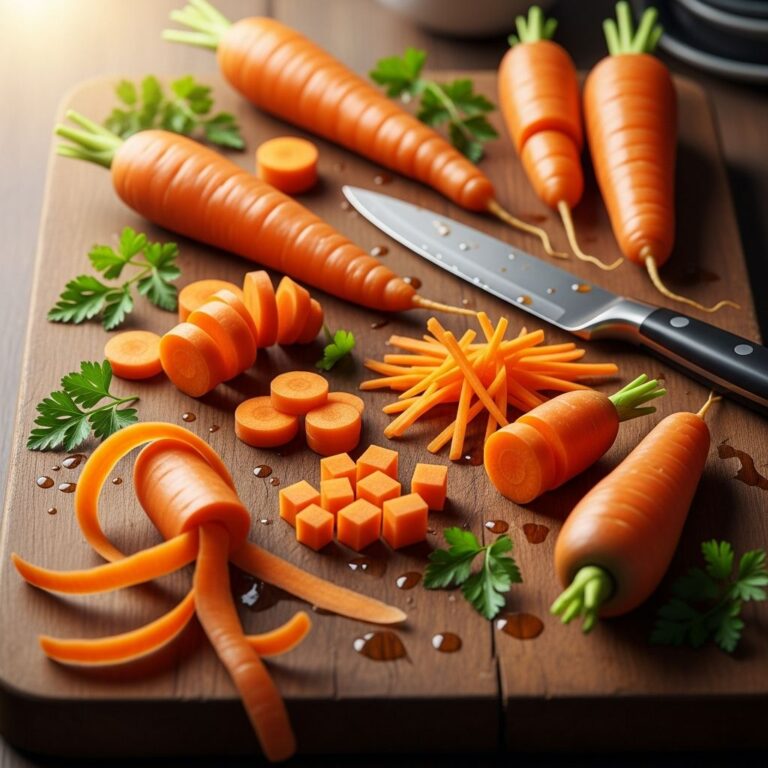
– Whole grains such as brown rice, oats, whole wheat bread, and quinoa- Whole or dried fruits such as apples, apricots, berries, figs, mangos, oranges, pears, and plums- Raw vegetables such as leafy greens, broccoli, and carrots- Beans, peas, and lentils- High-fiber cereals- Seeds and nuts (previously thought to trigger attacks but now recognized as beneficial fiber sources)
The Truth About Nuts, Seeds, and Popcorn
For decades, medical professionals advised patients with diverticulosis or diverticulitis to avoid nuts, seeds, corn, and popcorn based on the theory that these hard, small foods could become lodged in diverticula and trigger inflammation. However, this recommendation has been debunked by modern research. Seeds, popcorn, and nuts are actually excellent sources of fiber, which appears to prevent diverticulitis attacks rather than cause them.
This shift in understanding reflects the evolution of medical knowledge and emphasizes the importance of a high-fiber diet for long-term disease management and prevention.
Additional Dietary Considerations
Beyond specific foods, certain lifestyle factors support digestive health and help prevent diverticulitis episodes. Maintaining adequate hydration is essential, particularly when increasing fiber intake. Staying hydrated helps soften stool and prevents constipation, reducing pressure on the colon.
Regarding probiotics and symptom relief, current evidence does not support the use of probiotic supplementation to shorten diverticulitis flare-ups. While probiotics may support general gut health, they have not been proven effective for acute diverticulitis management.
Frequently Asked Questions
Q: Can I eat nuts and seeds if I have diverticulitis?
A: Previously, nuts and seeds were recommended to be avoided, but current research shows no evidence that they trigger diverticulitis. In fact, they are good sources of fiber and may help prevent future attacks. However, during an acute flare-up, it is best to follow your doctor’s recommendation of a low-fiber diet, and you can reintroduce these foods once symptoms resolve.
Q: How long should I stay on a clear liquid diet?
A: The duration depends on the severity of your symptoms. You should continue until your symptoms improve and your doctor advises you to move to the next dietary stage, which is typically a few days.
Q: When can I return to a normal diet after a flare-up?
A: Once your flare-up has resolved—usually within a week or two—you can gradually return to a normal diet rich in fiber. Start by slowly increasing fiber intake to avoid bloating and discomfort.
Q: Will a high-fiber diet prevent future diverticulitis episodes?
A: A high-fiber diet appears to decrease the likelihood of symptomatic diverticulitis by keeping stool soft and reducing pressure on the colon. Aim for 25 to 35 grams of fiber daily and drink plenty of water for optimal results.
Q: Should I avoid all high-fiber foods during a flare-up?
A: Yes, during an acute flare-up, a low-fiber diet gives your digestive system a chance to rest and heal. Your doctor will recommend when you can gradually reintroduce high-fiber foods.
Q: Are there foods I should always avoid if I have diverticulitis?
A: Avoid fried and greasy foods, spicy foods, red meat, processed meats, alcohol, and foods high in refined sugar. Individual responses vary, so keeping a food diary can help identify personal triggers.
Summary and Key Takeaways
Managing diverticulitis through diet involves understanding the distinction between acute flare-up management and long-term prevention. During flare-ups, prioritize clear liquids followed by low-fiber, soft foods to allow your digestive system to heal. Once symptoms resolve, transition to a high-fiber diet to strengthen your colon and prevent future episodes.
The key is gradual progression through dietary stages guided by your healthcare provider, staying well-hydrated, and maintaining a diet rich in whole grains, fruits, vegetables, and legumes for long-term health. Modern research supports the inclusion of previously restricted foods like nuts, seeds, and popcorn as part of a fiber-rich diet aimed at preventing diverticulitis rather than triggering it.
References
- What Can I Eat if I Have Diverticulitis? — WebMD. 2024. https://www.webmd.com/digestive-disorders/diverticulitis-diet
- What to Eat (and Avoid) During a Diverticulitis Flare-Up — New Mexico Health System. 2024. https://www.nm.org/healthbeat/healthy-tips/nutrition/What-to-Eat-and-Avoid-During-a-Diverticulitis-Flare-Up
- Diverticulitis – An Update from the Age Old Paradigm — National Center for Biotechnology Information (NCBI/PMC). 2020. https://pmc.ncbi.nlm.nih.gov/articles/PMC7575828/
- Diverticulitis — Johns Hopkins ABX Guide. 2024. https://www.hopkinsguides.com/hopkins/view/Johns_Hopkins_ABX_Guide/540175/all/Diverticulitis
Similar Articles








Read full bio of Sneha Tete