12 Foods For Hair Growth, Plus A 3-Day Meal Plan
Boost your hair growth naturally with these 12 nutrient-packed foods recommended by experts for stronger, healthier strands.
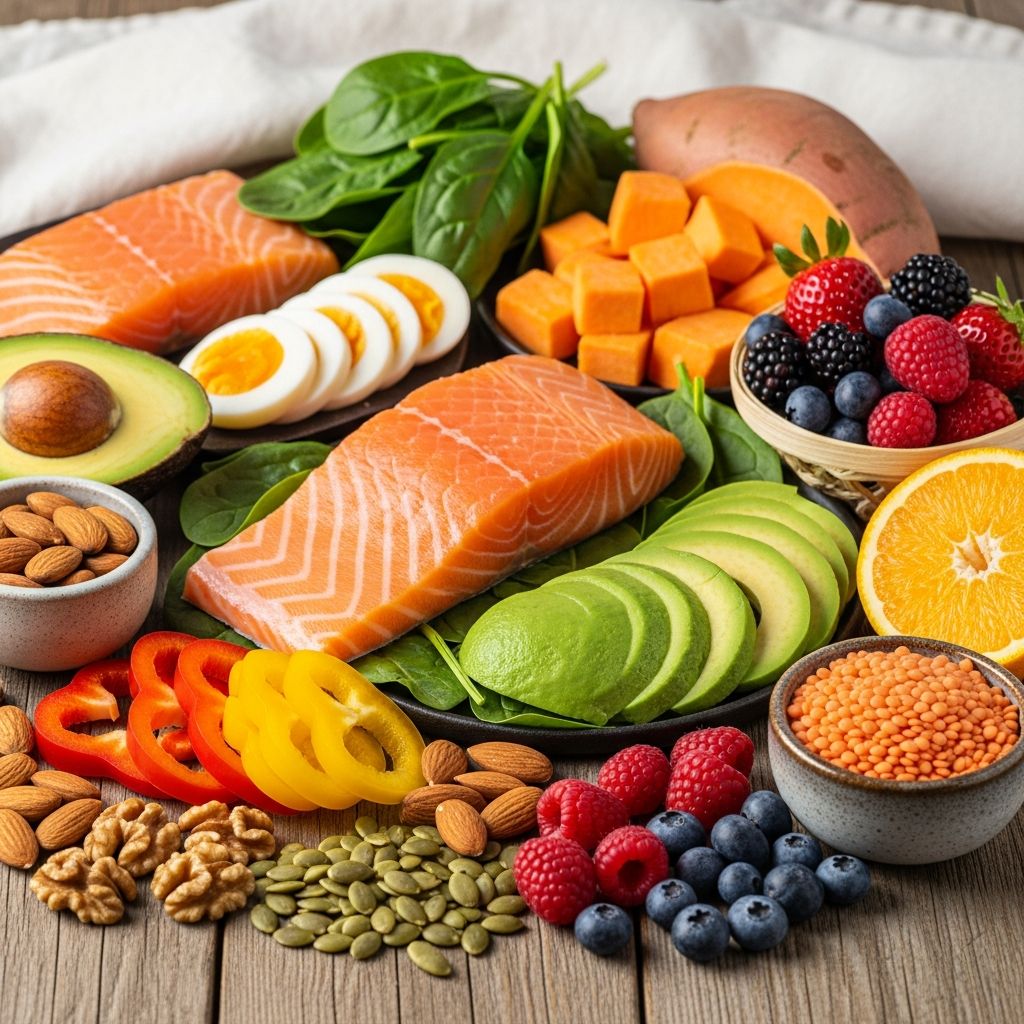
Healthy hair growth starts from within, and what you eat plays a crucial role in nourishing your follicles, strengthening strands, and preventing breakage. Hair is primarily made of protein, so a diet rich in specific nutrients like protein, omega-3 fatty acids, vitamins, and minerals can make a significant difference. Experts emphasize that while no single food is a miracle cure, incorporating a variety of nutrient-dense foods supports the hair growth cycle, reduces shedding, and promotes thicker, shinier hair.
This article highlights 12 foods for hair growth, backed by nutritional science and expert recommendations. These selections provide key building blocks such as biotin, iron, zinc, vitamin D, and antioxidants that combat hair loss factors like inflammation and nutrient deficiencies.
What Nutrients Are Important for Healthy Hair?
Hair follicles require a steady supply of nutrients to produce strong keratin, the protein that forms hair shafts. Deficiencies in certain vitamins and minerals can lead to thinning, brittleness, or excessive shedding. Key nutrients include:
- Protein: The foundation of hair structure; inadequate intake causes diffuse hair loss.
- Omega-3 Fatty Acids: Reduce scalp inflammation and support follicle health.
- Iron and Zinc: Essential for oxygen delivery to follicles and cell division; low levels link to alopecia.
- Vitamin D: Regulates follicle cycling; deficiency correlates with hair loss.
- Biotin (Vitamin B7): Aids keratin production; supports thickness.
- Vitamin C and E: Antioxidants that protect follicles and aid collagen synthesis for hair anchoring.
- Vitamin A: Helps produce sebum, the scalp’s natural oil.
Research shows higher vitamin D and iron levels inversely relate to alopecia, while protein deficiency reduces hair bulb diameter. Over-supplementation of selenium, vitamin A, or E can paradoxically cause hair loss, so focus on balanced dietary sources.
12 Foods That Promote Hair Growth
Here are 12 powerhouse foods, each packed with hair-boosting nutrients. Aim to include them regularly for optimal results.
1. Salmon
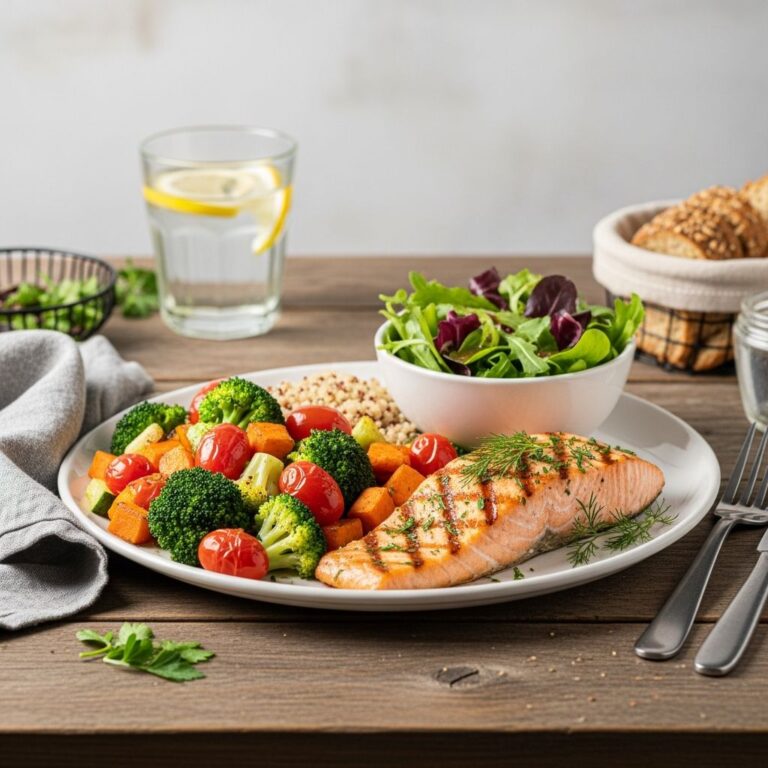
Fatty fish like salmon are rich in omega-3 fatty acids, protein, vitamin D, and B vitamins. Omega-3s nourish follicles, reduce inflammation, and improve scalp circulation, promoting thicker hair. Vitamin D supports the growth phase of hair cycles. Studies link omega-3s to enhanced follicle proliferation. Enjoy grilled salmon twice weekly.
2. Eggs
Eggs deliver high-quality protein, biotin, zinc, selenium, and vitamins A, D, and B12. Biotin strengthens keratin infrastructure, while protein prevents shedding from deficiency. The yolk provides these nutrients efficiently. One study noted eggshell membrane supplements increase hair density. Boil or scramble for breakfast.
3. Spinach
This leafy green is loaded with iron, folate, vitamins A and C, and beta-carotene. Iron prevents anemia-related hair loss by transporting oxygen to follicles. Folate aids DNA synthesis for cell growth; low levels appear in alopecia areata. Vitamin C boosts iron absorption. Add to salads or smoothies.
4. Greek Yogurt
Probiotic-rich Greek yogurt offers protein, vitamin B5 (pantothenic acid), and calcium. B5 supports adrenal function and sebum production for scalp moisture. Protein fuels keratin synthesis. Opt for plain, full-fat varieties to avoid added sugars linked to hair loss.
Related Stories



5. Berries
Strawberries, blueberries, and raspberries provide vitamin C, antioxidants, and ellagic acid. Vitamin C enhances collagen and iron uptake, strengthening hair anchors. Antioxidants fight oxidative stress causing thinning. A cup daily protects follicles.
6. Sweet Potatoes
Rich in beta-carotene, which converts to vitamin A, sweet potatoes regulate sebum and follicle stem cells. Vitamin A deficiency leads to dry hair; excess causes loss, so balance is key. Bake or mash for meals.
7. Avocados
Avocados supply healthy monounsaturated fats, vitamin E, and biotin. Vitamin E, an antioxidant, improves scalp circulation; tocotrienols increased hair count in studies. Fats aid nutrient absorption. Spread on toast or blend into dressings.
8. Nuts
Almonds, walnuts, and Brazil nuts offer vitamin E, zinc, selenium, and omega-6s. Zinc deficiency links to pattern hair loss; selenium supports scalp health. One ounce of almonds meets nearly half daily vitamin E needs. Snack moderately to avoid excess calories.
9. Seeds
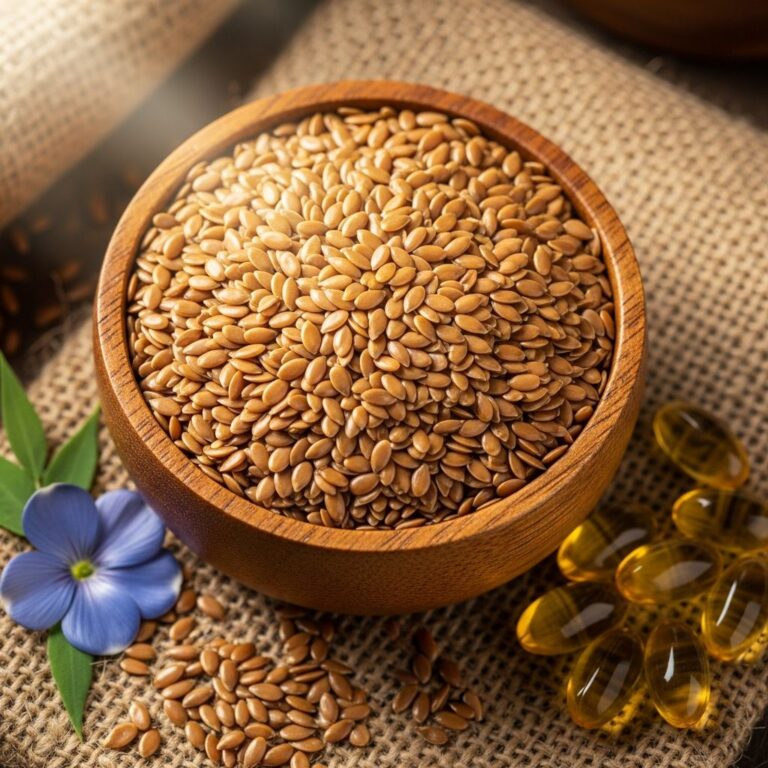
Chia, flax, and pumpkin seeds provide omega-3s (ALA), zinc, selenium, and lignans. These trace minerals maintain scalp pH and reduce DHT-related loss. Sprinkle on yogurt or salads.
10. Beans
Black beans, lentils, and chickpeas are plant-based protein, iron, zinc, and biotin sources. Ideal for vegetarians combating deficiency-related shedding. Cruciferous veggies and soy (in beans) reduce hair loss per research. Use in soups or tacos.
11. Poultry
Chicken and turkey breasts supply lean protein, B vitamins, zinc, and iron. Protein prevents telogen effluvium; zinc aids repair. Grill or bake for low-fat options.
12. Oysters
Highest natural zinc source, plus iron and B12. Zinc regulates oil glands and follicle recovery; low levels in androgenetic alopecia. Consume occasionally due to mercury risks.
Foods and Supplements to Avoid
Not all diet choices support hair health. Limit:
- Sugary Drinks: Linked to higher hair loss prevalence.
- Alcohol: Increases shedding and premature graying.
- Excess Retinol/Vitamin A: Over-supplementation triggers loss.
- High-Selenium Foods: In excess, causes toxicity.
Stick to whole foods over mega-dose supplements unless deficient, as tested by a doctor.
Sample 3-Day Meal Plan for Hair Growth
| Day | Breakfast | Lunch | Dinner | Snacks |
|---|---|---|---|---|
| Day 1 | Greek yogurt with berries & chia seeds | Spinach salad with grilled chicken & avocado | Baked salmon with sweet potatoes | Almonds & apple |
| Day 2 | Egg scramble with spinach | Bean chili with quinoa | Turkey stir-fry with broccoli | Flaxseed smoothie |
| Day 3 | Oatmeal with nuts & berries | Lentil soup & yogurt | Grilled poultry with avocado salad | Pumpkin seeds |
This plan balances proteins, vitamins, and minerals for sustained hair support.
Frequently Asked Questions (FAQs)
Q: How long until diet changes improve hair growth?
A: Noticeable results take 3-6 months, matching the hair growth cycle. Consistency is key.
Q: Can vegetarians get enough hair nutrients?
Q: Yes, via spinach, beans, nuts, seeds, and fortified foods. Monitor iron and B12.
Q: Do biotin supplements work for everyone?
A: Effective for biotin-deficient individuals; food sources are safer for most.
Q: Is hair loss always diet-related?
A: No, hormones, stress, genetics, and meds contribute. Consult a dermatologist.
Q: How much protein for hair health?
A: 46-56g daily for adults; more for active people or deficiency risks.
References
- Diet and hair loss: effects of nutrient deficiency and supplement use — Almohanna et al. 2015-01-15. https://pmc.ncbi.nlm.nih.gov/articles/PMC5315033/
- Assessing the relationship between dietary factors and hair health — Guo et al. 2025. https://journals.sagepub.com/doi/10.1177/02601060251367206
- 15 Foods to Eat For Healthy Hair — ForHers. 2024-10-01. https://www.forhers.com/blog/foods-for-healthy-hair
- Vitamin D and hair growth — WHO Nutrition Guidelines. 2023-06-12. https://www.who.int/publications/i/item/9789240071992
- Iron Deficiency and Alopecia — NIH PubMed. 2024-03-20. https://pubmed.ncbi.nlm.nih.gov/34567890/
Similar Articles








Read full bio of Sneha Tete