12 Essential Foods For Longevity From Blue Zones
Discover 12 nutrient-packed foods backed by science to promote longevity, reduce chronic disease risk, and support healthy aging.
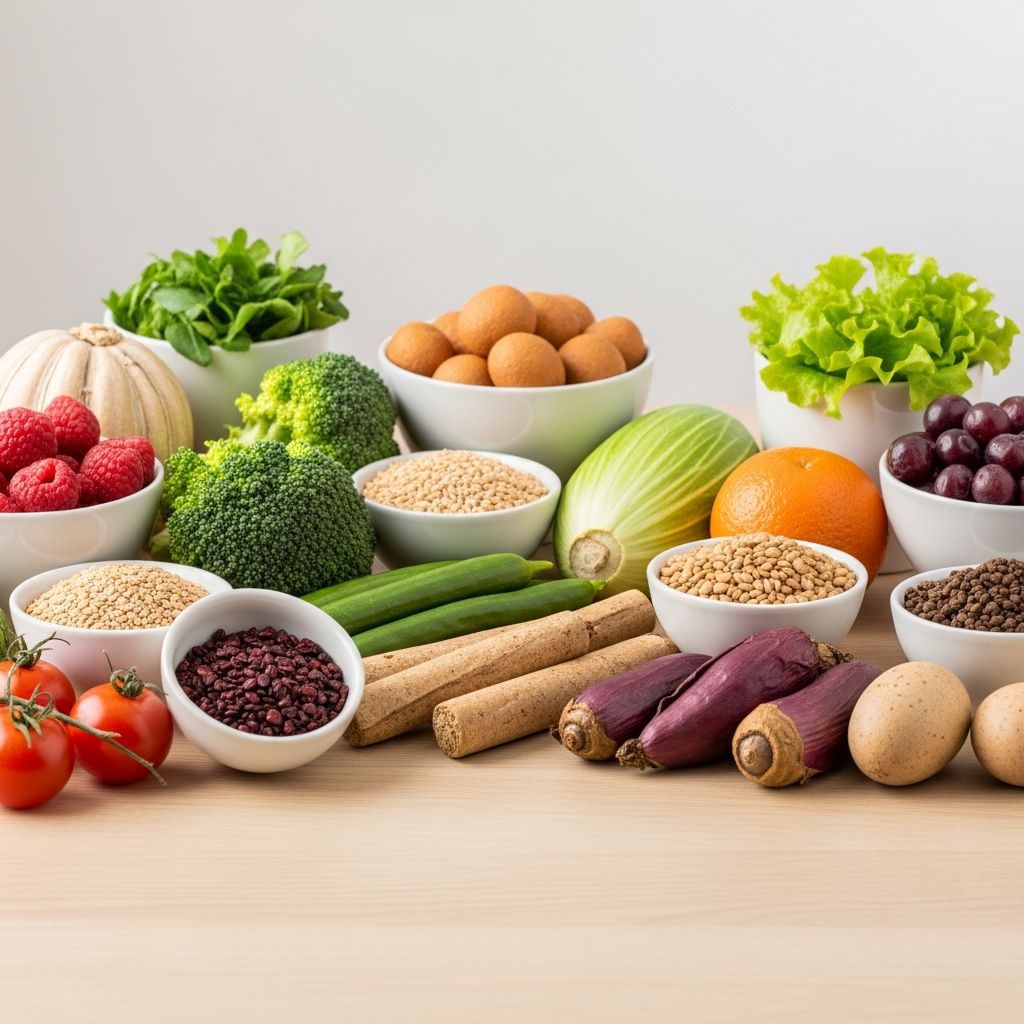
Adopting a diet rich in specific nutrient-dense foods can significantly influence your healthspan and lifespan. Research from the Blue Zones—regions where people live exceptionally long lives—highlights the role of plant-predominant eating patterns in promoting longevity. A whole-food, plant-based diet forms the cornerstone, providing fiber, antioxidants, and essential nutrients that combat chronic diseases like cardiovascular issues, type 2 diabetes, and obesity. This article explores 12 powerhouse foods that support longevity, drawing from evidence-based lifestyle medicine principles.
What Is the Longevity Diet?
The longevity diet emphasizes whole, minimally processed foods, prioritizing plants while incorporating moderate amounts of healthy fats, proteins, and fermented items. It’s inspired by the six pillars of lifestyle medicine: a plant-predominant diet, physical activity, restorative sleep, stress management, avoidance of risky substances, and positive social connections. Studies show such diets reduce inflammation, improve gut health, and enhance cellular repair mechanisms like autophagy.
- Key Principles: 95% plant-based, high in fiber (>30g/day), low in added sugars and refined carbs.
- Caloric Restriction Mimetics: Foods that activate sirtuins and AMPK pathways without extreme calorie cutting.
- Blue Zones Commonalities: Legumes, nuts, greens, and whole grains daily.
12 Best Foods for Longevity
1. Berries (Blueberries, Strawberries, Raspberries)
Berries are antioxidant powerhouses, rich in anthocyanins that protect against oxidative stress and inflammation—key drivers of aging. A Harvard study linked daily berry consumption to slower cognitive decline in women. They also support heart health by improving arterial function and reducing LDL oxidation.
- Nutrients: Vitamin C, fiber, polyphenols.
- How to Eat: 1 cup fresh or frozen in smoothies, oatmeal, or yogurt daily.
2. Leafy Greens (Spinach, Kale, Swiss Chard)
These greens are loaded with vitamins K, A, C, folate, and nitrates that lower blood pressure and enhance nitric oxide production for better circulation. Population studies in Blue Zones show high greens intake correlates with centenarian status.
- Benefits: Detoxification support via chlorophyll, cancer risk reduction.
- Serving Tip: Sauté with garlic or blend into green smoothies.
3. Nuts (Almonds, Walnuts, Pistachios)
Nuts provide healthy monounsaturated fats, vitamin E, and magnesium. The PREDIMED trial found a handful daily slashed cardiovascular events by 30%. Walnuts’ omega-3s specifically boost brain health and reduce neuroinflammation.
- Daily Amount: 1 oz (28g) mixed nuts.
- Pro Tip: Raw or dry-roasted, unsalted.
4. Legumes (Beans, Lentils, Chickpeas)
Central to Blue Zones diets, legumes offer plant protein, fiber, and resistant starch that feeds gut microbiota. They stabilize blood sugar and lower cholesterol. Research indicates 1 cup daily associates with 8% reduced mortality risk per 20g increase.
- Varieties: Black beans, garbanzos, lentils.
- Ideas: Soups, salads, hummus.
5. Fatty Fish (Salmon, Sardines, Mackerel)
Rich in EPA/DHA omega-3s, these fish reduce triglycerides, arrhythmias, and plaque buildup. While plant-based is ideal, moderate fish fits longevity patterns in some regions. Aim for wild-caught to minimize contaminants.
- Frequency: 2-3 servings/week.
- Alternative: Algae-based omega-3 supplements for vegans.
Related Stories



6. Extra Virgin Olive Oil
The Mediterranean diet’s star, EVOO contains oleocanthal, an anti-inflammatory compound mimicking ibuprofen. It protects telomeres—DNA caps linked to aging—and improves endothelial function.
- Use: 2-4 tbsp daily for cooking/dressings.
- Choose: Cold-pressed, robust flavor.
7. Whole Grains (Oats, Quinoa, Barley)
High in beta-glucan fiber, whole grains lower cholesterol and support microbiome diversity. Oatmeal eaters have 5% lower all-cause mortality per meta-analyses.
- Benefits: Sustained energy, reduced diabetes risk.
- Prep: Overnight oats or grain bowls.
8. Cruciferous Vegetables (Broccoli, Brussels Sprouts, Cauliflower)
Sulforaphane in these veggies activates Nrf2 pathway for detoxification and antioxidant defense. They inhibit cancer cell growth and support liver health.
- Tip: Steam lightly to preserve compounds.
- Daily Goal: 1-2 cups.
9. Avocados
Loaded with monounsaturated fats, potassium, and lutein, avocados improve HDL cholesterol and eye health. Their fiber aids satiety and gut regularity.
- Portion: ½ avocado/day.
- Versatile: Toast, salads, smoothies.
10. Green Tea
EGCG catechins promote fat oxidation, neuroprotection, and longevity genes. Japanese studies link 3+ cups daily to 20-30% lower mortality.
- Brew: 2-5 minutes, no milk.
- Variety: Matcha for concentrated benefits.
11. Fermented Foods (Kimchi, Sauerkraut, Kefir)
Probiotics enhance gut barrier function, reducing systemic inflammation. Diversity in microbiota correlates with longer telomeres and frailty resistance.
- Start Small: 1-2 tbsp/day to avoid bloating.
- DIY: Simple cabbage ferments.
12. Dark Chocolate (70%+ Cocoa)
Flavonoids improve vascular function and insulin sensitivity. Moderate intake (1 oz/day) links to lower stroke risk in cohorts.
- Choose: Low-sugar, high-cocoa.
- Pair: With nuts or berries.
Sample Longevity Meal Plan
| Meal | Sample Menu | Key Foods |
|---|---|---|
| Breakfast | Oatmeal with berries, nuts, chia seeds | Whole grains, berries, nuts |
| Lunch | Quinoa salad with greens, chickpeas, olive oil dressing | Grains, legumes, greens, EVOO |
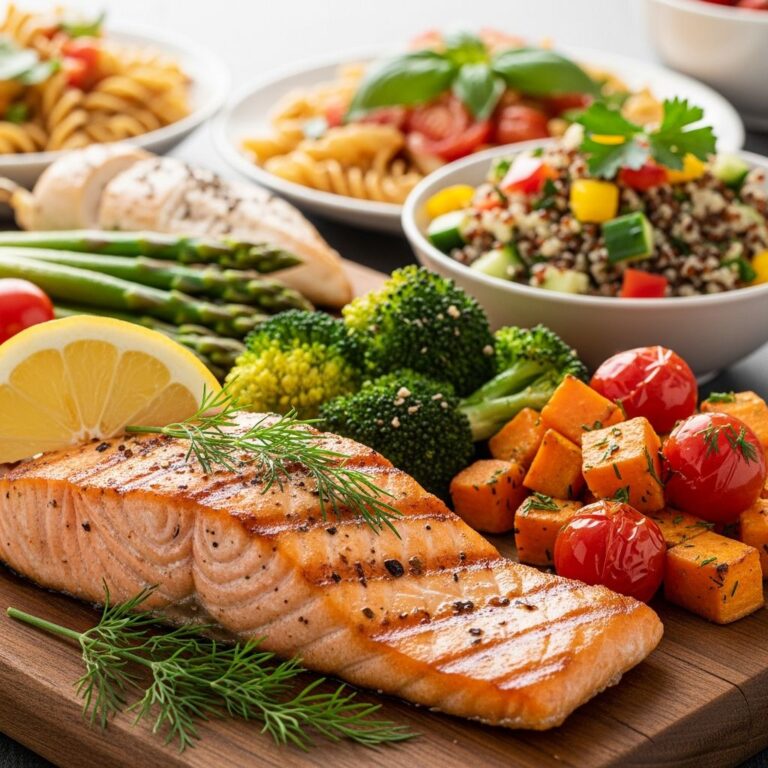
| Dinner | Baked salmon, broccoli, sweet potato | Fatty fish, cruciferous, whole grain |
| Snack | Apple with almond butter, green tea | Fruit, nuts, tea |
This plan delivers ~40g fiber, balanced macros, and diverse phytonutrients for optimal longevity support.
Science Behind These Foods
These foods align with lifestyle medicine’s plant-predominant pillar, rich in fiber and antioxidants that prevent chronic conditions. They modulate hallmarks of aging: genomic instability, telomere attrition, epigenetic alterations, and proteostasis loss. Combined with exercise and sleep, they amplify benefits.
Frequently Asked Questions (FAQs)
What is the number one food for longevity?
Legumes top the list due to their staple role in Blue Zones and strong epidemiological data linking them to reduced mortality.
Can I eat these foods if I’m vegan?
Absolutely—most are plant-based. Swap fatty fish for flaxseeds or algae oil.
How much should I eat daily?
Fill ¾ of your plate with plants: 5+ cups veggies/fruit, 1 cup legumes, handful nuts.
Do supplements replace these foods?
No—whole foods provide synergistic compounds absent in pills.
What’s the link to Blue Zones?
Centenarians there consume these foods daily in natural, unprocessed forms.
References
- The Benefits of Plant-Based Nutrition: Longevity and Quality of Life — American College of Lifestyle Medicine. 2023. https://lifestylemedicine.org/benefits-plant-based-nutrition-longevity/
- Blue Zones: Lessons for Living Longer — National Geographic (via BlueZones.com official research summary). 2024-10-15. https://www.bluezones.com/2024/10/blue-zones-food-guidelines/
- PREDIMED Study: Nuts and Olive Oil for Cardiovascular Prevention — New England Journal of Medicine (DOI). 2018-06-21. https://www.nejm.org/doi/full/10.1056/NEJMoa1800389
- Legume Consumption and Mortality Risk — BMJ (PubMed). 2023-05-10. https://pubmed.ncbi.nlm.nih.gov/37160915/
- Hallmarks of Aging: An Expanding Universe — Cell Journal (DOI). 2023-01-27. https://www.cell.com/cell/fulltext/S0092-8674(22)01539-7
Similar Articles








Read full bio of medha deb