Foods for Stress Relief: Nutritional Guide
Discover science-backed foods that naturally reduce stress and anxiety through better nutrition.
Foods for Stress Relief: A Nutritional Approach to Managing Anxiety
Stress and anxiety are common experiences in modern life, affecting millions of people worldwide. While there are many strategies for managing stress, one often-overlooked approach is through diet. Certain foods have been scientifically shown to help reduce stress levels, support mental health, and promote emotional well-being. Understanding which foods can help and why they work is an important step toward managing stress naturally through nutrition.
Understanding the Stress-Food Connection
The relationship between what we eat and how we feel is well-established in nutritional science. Our diet directly influences the production of neurotransmitters—chemical messengers in the brain that regulate mood, anxiety, and stress responses. When we consume foods rich in specific nutrients, we provide our bodies with the building blocks needed to produce serotonin, regulate cortisol (the stress hormone), and maintain a healthy nervous system. Additionally, emerging research reveals that gut health plays a crucial role in mental health, creating what scientists call the gut-brain axis.
Key Nutrients That Combat Stress
Before exploring specific foods, it’s helpful to understand the nutrients that have the most significant impact on stress and anxiety:
- Magnesium: Helps regulate cortisol levels and supports nervous system function
- Omega-3 fatty acids: Support brain health and reduce inflammation associated with stress
- Zinc: Has been linked to decreased anxiety and improved mood regulation
- Vitamin C: Helps regulate blood pressure and cortisol levels after stress
- Fibre: Supports gut health and has been correlated with reduced anxiety
- B vitamins: Support mood regulation and relieve anxiety symptoms
- Probiotics: Promote a healthy gut microbiome linked to mental well-being
Magnesium-Rich Foods for Anxiety Relief
Magnesium is one of the most important minerals for stress management. Research suggests that not having enough magnesium may increase cortisol levels, the stress hormone linked to anxiety. While research is ongoing and results have been mixed, studies have found that magnesium could help with mild anxiety symptoms. It is particularly beneficial for managing physical stress symptoms such as muscle tension and fatigue.
Foods rich in magnesium include:
- Leafy greens such as spinach and Swiss chard
- Legumes including beans and lentils
- Nuts and seeds
- Whole grains such as oats and quinoa
A simple way to incorporate these foods is to add a handful of spinach to your morning smoothie, snack on almonds throughout the day, or prepare a hearty lentil soup for dinner.
Zinc-Rich Foods for Emotional Stability
Zinc is another nutrient that has been linked to decreased anxiety and improved emotional regulation. This essential mineral is needed for cell and protein growth, tissue healing, and a healthy immune system. In a review of nine studies, researchers found that people with anxiety had lower levels of zinc compared to people with no anxiety, and consuming more zinc could reduce the chances of experiencing anxiety.
Foods rich in zinc include:
- Oysters
- Cashews
- Liver
- Beef
- Egg yolks
While animal sources provide the most bioavailable forms of zinc, plant-based options like pumpkin seeds and chickpeas also contain this valuable nutrient.
Related Stories



Vitamin C: Combating Stress-Related Illness
Vitamin C plays a critical role in managing stress responses. People with lower-than-normal vitamin C levels are more likely to have stress-related illnesses such as anxiety and depression. Studies have shown that when people consume more vitamin C, their moods improve significantly. This water-soluble vitamin helps the body regulate blood pressure and cortisol levels after high-stress periods.
Foods rich in vitamin C include:
- Citrus fruits such as oranges and grapefruit
- Strawberries
- Broccoli
- Berries (raspberries, blueberries, and blackberries)
The high amount of vitamin C in berries, combined with their antioxidants and fibre content, makes them a particularly effective stress-fighting food. Enjoy berries as a side dish or mix fresh or frozen ones into smoothies for a convenient nutrient boost.
Omega-3 Fatty Acids: Brain Health and Mood
Omega-3 fatty acids are essential fats for a healthy brain and have been shown to keep the stress hormone cortisol under control and regulate adrenaline levels. These healthy fats improve brain function and, with it, mood. Additionally, omega-3 fatty acids are useful for fighting inflammation and can help protect the body against surges of cortisol. Studies show that simply adding more fish and seafoods rich in omega-3s can have a significant impact on reducing anxiety.
Foods rich in omega-3 include:
- Fatty fish such as salmon, tuna, sardines, and mackerel
- Walnuts
- Chia seeds
- Flaxseeds
- Hemp seeds
- Avocados
For those who don’t eat fish, plant-based sources like algae, sea vegetables, chia, and flax are excellent alternatives. Non-fish eaters can also incorporate hemp hearts or chia seeds into salads for an omega-3 boost.
Fibre-Rich Foods: Supporting Gut Health
Fibre plays a dual role in stress management: it nourishes beneficial gut bacteria and has been linked to reduced anxiety levels. Early observational data suggests that high-fibre foods are a promising stress-relieving food group. One study found that a higher rate of fibre intake correlated with reduced odds of depression in women.
High-fibre foods include:
- Vegetables with the skin on
- Beans and lentils
- Berries
- Almonds and pistachios
- Avocados
- Whole grains
- Crunchy vegetables such as broccoli
Aim for a plate that’s as colourful as possible, as the deeper the colour of fruits and vegetables, the richer their nutritional content and antioxidant value.
Fermented Foods: The Gut-Brain Connection
Fermented foods represent an important category of stress-relief foods due to their connection with gut health. There are studies linking our gut microbiome—the balance of beneficial and harmful bacteria in the gut—to feeling good. When foods are fermented, bacteria and yeast break down carbs and turn them into acids or alcohol, which breeds good bacteria called probiotics to support a healthy gut. The healthy gut-brain connection is one reason why fermented foods may help reduce anxiety.
Additionally, fermented foods are made from vegetables such as cabbage, onions, radish, and ginger, which reduce stress even before fermentation because they supply beneficial nutrients such as vitamin C, a range of other vitamins, and fibre. Fermented foods have been shown to help reduce depression and anxiety.
Recommended fermented foods include:
- Kimchi
- Sauerkraut
- Yoghurt
- Kefir
- Kombucha
- Miso
- Tempeh
- Fermented vegetables like carrots, cauliflower, and green beans
Complex Carbohydrates: Regulating Serotonin
Complex carbohydrates are stress-busting foods that keep your blood sugar steady and reduce the level of stress hormones in the brain. These carbohydrates help regulate the chemical serotonin in your body, which increases relaxation, calmness, and creativity. This is the same substance regulated by antidepressants, making complex carbs a natural way to boost mood.
Recommended complex carbohydrates:
- Oatmeal (topped with apples and raisins for extra vitamin C)
- Whole-grain pastas and breads
- Brown or wild rice
- Quinoa
Instead of topping oatmeal with refined sugar, take advantage of naturally sweet ingredients to maintain stable blood sugar levels and maximize stress-relief benefits.
Additional Stress-Relief Foods and Nutrients
Nuts and Seeds: Nuts contain a variety of vitamins as well as proteins and heart-healthy fats. Oysters, in particular, are chock full of zinc, which helps boost your body’s serotonin levels. Oysters also have B vitamins and magnesium, which can help with fatigue, headaches, and other physical symptoms of stress.
Turmeric: The golden spice turmeric has been shown to help lower anxiety. Add a pinch of black pepper as that makes the turmeric more bioactive and therefore more available to your brain and body. If you do not cook with turmeric, add a teaspoon to a soup, smoothie, tea, or even a chia pudding.
Herbal Teas: Herbal teas like chamomile and peppermint have a stress-reducing nutrient called L-theanine, an amino acid that produces a calming effect.
The Stress-Relief Meal Plan: Putting It Together
Incorporating stress-relief foods doesn’t require drastic dietary changes. A balanced and varied diet will provide you with all of the anxiety-reducing nutrients while supporting your general health. Consider this example meal that combines multiple stress-relief nutrients:
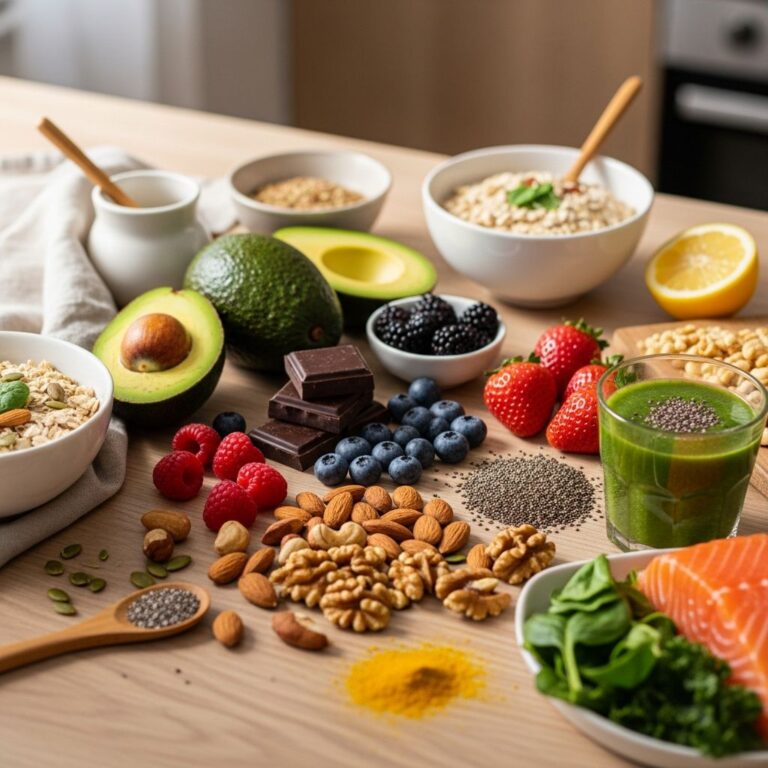
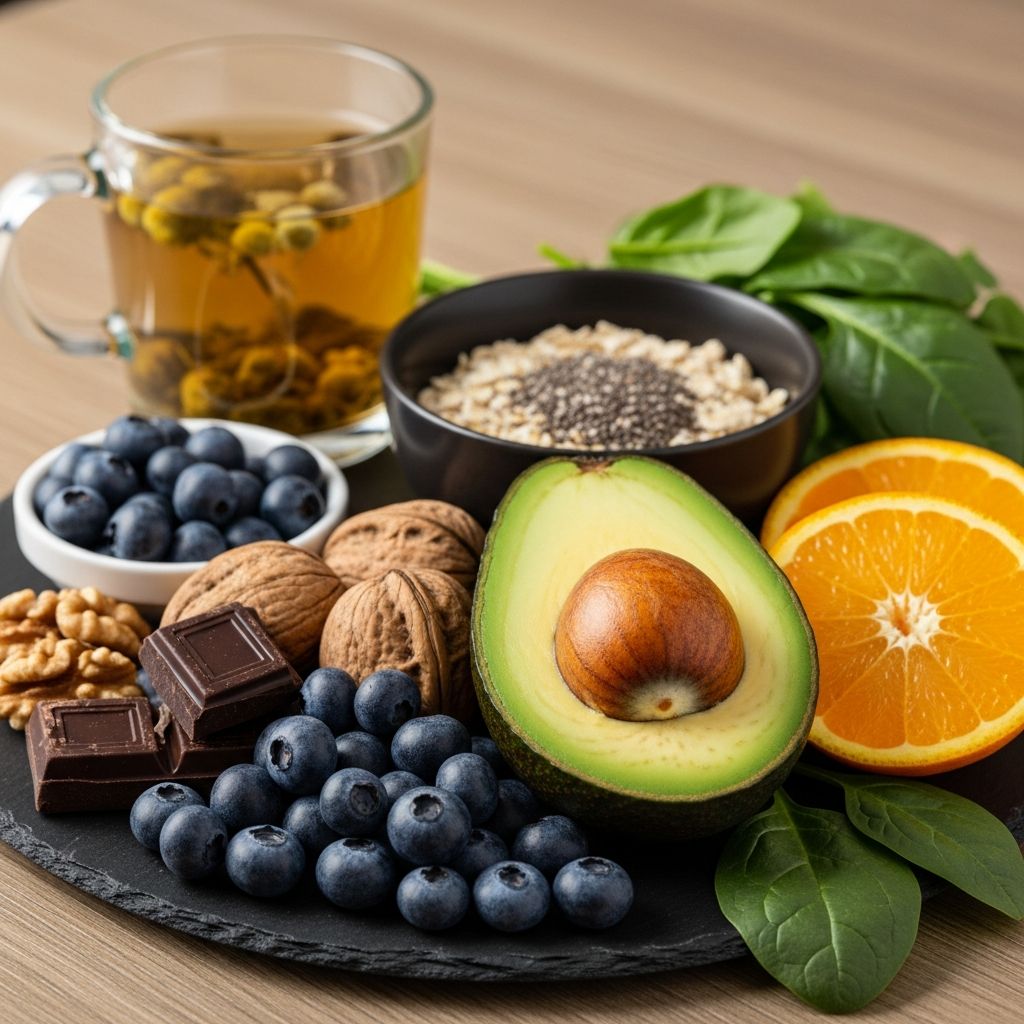
A salad containing spinach, avocado, lentils, almonds, salmon, and a yoghurt citrus vinaigrette combines magnesium-rich spinach, omega-3 rich salmon, fibre-rich lentils, zinc from almonds, vitamin C from citrus, and probiotics from yoghurt—all in one delicious meal.
Foods to Limit When Managing Stress
While adding stress-relief foods is important, it’s equally valuable to avoid low-nutrient foods when managing anxiety. High on the list to avoid are simple sugars (candy, cookies) and highly processed foods. These can cause blood sugar spikes and crashes that exacerbate stress and anxiety symptoms. Instead, focus on whole foods that provide sustained energy and stable neurotransmitter production.
Why Dietary Patterns Matter
All of the foods that can help reduce stress are foods that are found in diets such as the Mediterranean diet or plant-based diets (with added fish). These diets emphasize whole grains, fruits and vegetables, and heart-healthy fish and nuts that will not only help you feel better in your body but also provide mental health benefits. Rather than focusing on individual foods, adopting a dietary pattern rich in whole foods will have the most significant impact on your stress levels.
Frequently Asked Questions
Q: How quickly can dietary changes affect stress levels?
A: While some nutrients like vitamin C can have relatively quick effects, most dietary changes require consistent implementation over several weeks to months to significantly impact stress and anxiety levels. Building new eating habits takes time, but the benefits are cumulative and long-lasting.
Q: Can food alone cure anxiety disorder?
A: Food is an important component of stress management but should not be considered a replacement for professional mental health treatment. While dietary changes can support well-being and help with mild anxiety, people with generalized anxiety disorder or panic disorder should consult healthcare professionals for comprehensive treatment approaches.
Q: Are supplements as effective as whole foods for stress relief?
A: Whole foods are generally more effective than supplements because they provide nutrients in their natural forms with supporting compounds that enhance absorption and effectiveness. However, supplements may be beneficial when dietary intake is insufficient. Consult a healthcare provider before starting any supplement regimen.
Q: What if I have dietary restrictions or allergies?
A: The stress-relief nutrients discussed are found across many food groups. If you have allergies or restrictions, work with a registered dietitian to identify alternative sources of magnesium, omega-3s, zinc, and other key nutrients that fit your dietary needs.
Q: Can I get all stress-relief nutrients from a plant-based diet?
A: Yes, most stress-relief nutrients are available in plant-based foods. However, you may need to be more intentional about including varied sources of zinc, vitamin B12, and omega-3s. Plant-based options include legumes, nuts, seeds, fortified grains, and sea vegetables.
References
- Eating for Stress Relief: Foods that Can Help Reduce Stress — Brown Health. https://www.brownhealth.org/be-well/eating-stress-relief-foods-can-help-reduce-stress
- Which foods can reduce your stress and anxiety? — Patient.info. https://patient.info/features/mental-health/which-foods-can-reduce-your-stress-and-anxiety
- Best Foods to Relieve Stress and Anxiety — Allina Health. https://www.allinahealth.org/healthysetgo/nourish/top-foods-to-relieve-stress
- Foods for Stress Relief — Patient.info. https://patient.info/features/mental-health/foods-for-stress-relief
- Eat to Beat Stress — PubMed Central, National Institutes of Health. https://pmc.ncbi.nlm.nih.gov/articles/PMC7781050/
- 8 foods that impact stress — MD Anderson Cancer Center. https://www.mdanderson.org/cancerwise/8-foods-that-impact-stress.h00-159459267.html
- Herbal teas and L-theanine for stress reduction — Children’s Hospital Colorado. https://www.childrenscolorado.org/just-ask-childrens/articles/calming-foods/
Similar Articles








Read full bio of medha deb