Foods For Your Lungs: 7-Day Meal Plan For Better Breathing
Discover nutrient-packed foods that support lung health and help manage asthma symptoms effectively.
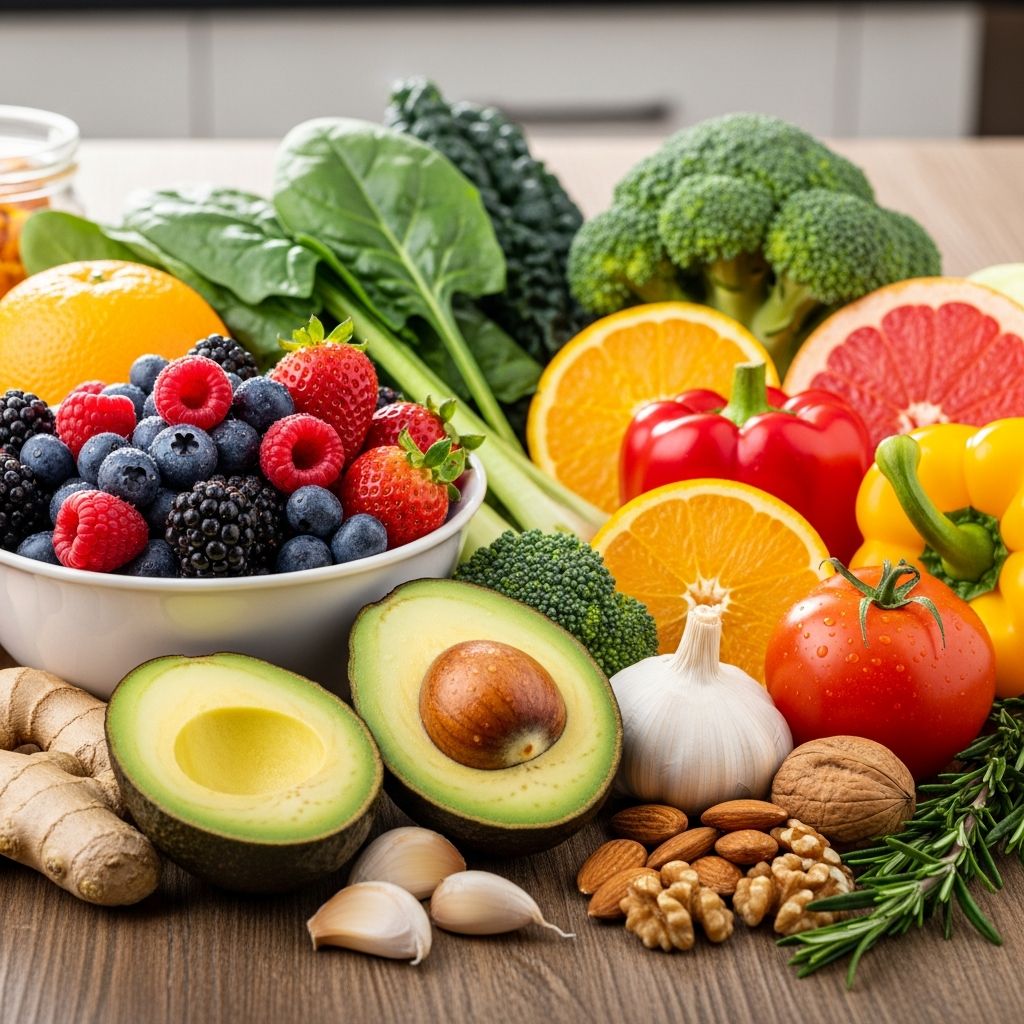
Asthma affects millions worldwide, causing inflammation and narrowing of the airways, which can lead to wheezing, shortness of breath, and chest tightness. While medications like inhalers are essential, diet plays a crucial role in supporting lung health. Nutrient-dense foods rich in antioxidants, vitamins, and minerals can reduce inflammation, bolster the immune system, and improve lung function. This article explores evidence-based foods that promote respiratory wellness, drawing from recent studies on asthma nutrition.
What to Eat for Better Lung Health
Incorporating anti-inflammatory and antioxidant-rich foods into your diet can help mitigate asthma symptoms. Research indicates that diets high in fruits, vegetables, and specific nutrients like vitamins C, E, A, D, selenium, and magnesium support lung function and reduce oxidative stress. A 2022 study highlighted selenium’s role in improving immune responses in asthma patients, while magnesium has shown positive effects on lung function.
Fruits Packed with Antioxidants
Fruits are powerhouse sources of vitamin C and other antioxidants that combat free radicals and inflammation in the airways. Regular consumption has been linked to better asthma control and reduced risk of exacerbations.
- Apples: Rich in phytochemicals that lower oxidative stress. Studies suggest regular apple intake supports long-term lung health.
- Oranges and Strawberries: High in vitamin C, which has anti-inflammatory effects. Aim for daily servings to boost immunity.
- Blueberries: Loaded with anthocyanins that protect lung cells from damage and may enhance function with age.
- Cantaloupe: Provides beta-carotene, converting to vitamin A for airway protection.
Vegetables for Respiratory Support
Vegetables offer vitamins, minerals, and nitrates that relax blood vessels and improve circulation, aiding oxygen delivery to the lungs. Plant-based diets emphasizing veggies are associated with lower asthma risk.
- Beets and Beet Greens: Nitrates in beets enhance exercise tolerance and lung performance in respiratory conditions.
- Bell Peppers and Broccoli: Top sources of vitamin C; red peppers are particularly potent.
- Leafy Greens (Kale, Spinach, Swiss Chard, Romaine): Deliver vitamin A, beta-carotene, and magnesium for muscle function in breathing.
- Carrots and Sweet Potatoes: Beta-carotene rich, supporting immune health and reducing inflammation.
- Tomatoes: Lycopene antioxidant linked to lower airway inflammation.
Nuts, Seeds, and Healthy Fats
These provide vitamin E, selenium, and magnesium, key for antioxidant defense and bronchodilation.
- Almonds, Sunflower Seeds, Pumpkin Seeds: Excellent for vitamin E and magnesium to ease asthma symptoms.
- Brazil Nuts: Top selenium source; just 1-2 nuts daily meet needs to combat oxidative stress.
- Avocados: Dual source of vitamin E and magnesium.
- Olive Oil: Antioxidants like vitamin E promote heart and lung health.
Proteins and Dairy Alternatives
Select proteins offer vitamin D, selenium, and zinc without triggering allergies common in asthma patients.
- Fatty Fish (Salmon, Herring, Sardines): Omega-3s and vitamin D reduce inflammation; also magnesium-rich.
- Eggs: Vitamin D and selenium, unless allergic.
- Yogurt or Fortified Non-Dairy: Calcium and probiotics for immune support; choose low-fat if sensitive.
- Oysters: Zinc, selenium, and B vitamins for immunity.
- Tofu: Magnesium-packed plant protein.
Related Stories



Beverages and Spices with Benefits
Certain drinks and spices add anti-inflammatory compounds effortlessly.
- Green Tea: EGCG antioxidant supports lung tissue health.
- Coffee: Caffeine may mildly improve airway function short-term.
- Turmeric: Curcumin fights inflammation; add to meals daily.
- Fortified Orange Juice: Vitamin D source.
Foods to Limit or Avoid
Not all foods support lung health; some exacerbate symptoms by causing gas, reflux, or mucus production. Large meals press on the diaphragm, triggering flares, especially with GERD.
- Gas-Producing Foods: Beans, cabbage, onions, garlic, carbonated drinks—avoid to prevent diaphragm pressure.
- Fried and Processed Foods: High in unhealthy fats, promoting inflammation.
- Dairy (for Some): May thicken mucus or worsen symptoms; ricotta and low-fat cheese linked to hyperreactivity in studies. Opt for alternatives if sensitive.
- High-Fat Meats: Plant-based diets show better outcomes over meat-heavy ones.
Sample 7-Day Meal Plan for Lung Health
This plan incorporates beneficial foods, aiming for balanced nutrition. Consult a doctor or dietitian to personalize.
| Day | Breakfast | Lunch | Dinner | Snacks |
|---|---|---|---|---|
| Monday | Green tea, yogurt with blueberries & almonds | Salmon salad with spinach, tomatoes, olive oil | Grilled chicken, sweet potatoes, broccoli | Apple, Brazil nut |
| Tuesday | Fortified OJ, oatmeal with strawberries | Beet & Swiss chard salad w/ avocado | Baked tofu, brown rice, bell peppers | Carrot sticks, pumpkin seeds |
| Wednesday | Coffee, eggs w/ kale smoothie | Tomato soup, whole grain toast w/ olive oil | Sardines, quinoa, leafy greens | Orange, sunflower seeds |
| Thursday | Green tea, avocado toast w/ tomatoes | Lentil soup (low-gas), carrots | Turmeric salmon, beets, Brussels sprouts | Banana, dark chocolate |
| Friday | Yogurt parfait w/ cantaloupe | Tuna salad w/ romaine, peppers | Turkey stir-fry w/ broccoli, brown rice | Apple, handful almonds |
| Saturday | Smoothie: spinach, berries, fortified milk alt. | Swiss chard wrap w/ hummus | Grilled fish, sweet potatoes, greens | Blueberries, Brazil nut |
| Sunday | Omelet w/ peppers & spinach | Quinoa bowl w/ beets, avocado | Veggie stir-fry w/ tofu, turmeric | Pears, pumpkin seeds |
The Science Behind Nutrition and Asthma
Oxidative stress drives asthma inflammation; antioxidants from plants neutralize it, improving FEV1 and FVC metrics. A PMC review confirms plant-based diets reduce pro-inflammatory cytokines and asthma risk, with raw veggies linked to better control. Mediterranean and vegan patterns emphasize fruits/veggies over dairy/meats, yielding protective effects. No single “asthma diet” exists, but balanced, anti-inflammatory eating maintains healthy weight and activity—key for management.
Frequently Asked Questions (FAQs)
Can diet cure asthma?
No, diet supports management but doesn’t replace medications. It reduces symptoms via anti-inflammatories.
Is dairy bad for asthma?
For some, it thickens mucus; studies link certain cheeses to worse control. Test elimination.
How much vitamin C daily for lungs?
75-90mg adults; more from foods like peppers/oranges aids without excess.
Does coffee help breathing?
Caffeine mildly relaxes airways short-term, but not a treatment substitute.
Are plant-based diets best?
Yes, linked to lower risk via antioxidants; include variety.
What if I have food allergies?
Avoid triggers like milk/eggs; choose alternatives for nutrients.
Always consult healthcare providers before changes, especially with severe asthma. Combine diet with exercise, meds for optimal lung health.
References
- Asthma and Your Diet: What to Eat and What to Avoid — Healthline. 2023. https://www.healthline.com/health/asthma/asthma-diet
- Best and Worst Foods for Lung Health — Baptist Health. 2024. https://www.baptisthealth.com/blog/respiratory/best-and-worst-food-for-lung-health
- The role of nutrition in asthma prevention and treatment — PMC/NIH (PMC7550896). 2020-10-15. https://pmc.ncbi.nlm.nih.gov/articles/PMC7550896/
- Are there foods I should avoid if I have asthma? (Video Transcript) — Ohio State University / YouTube. 2023. https://www.youtube.com/watch?v=mu-9ynDvEfA
Similar Articles








Read full bio of Sneha Tete