Foods High In Antioxidants: 20 Essential Powerhouse Foods
Boost your health with these antioxidant-packed foods that fight inflammation and protect cells from damage.
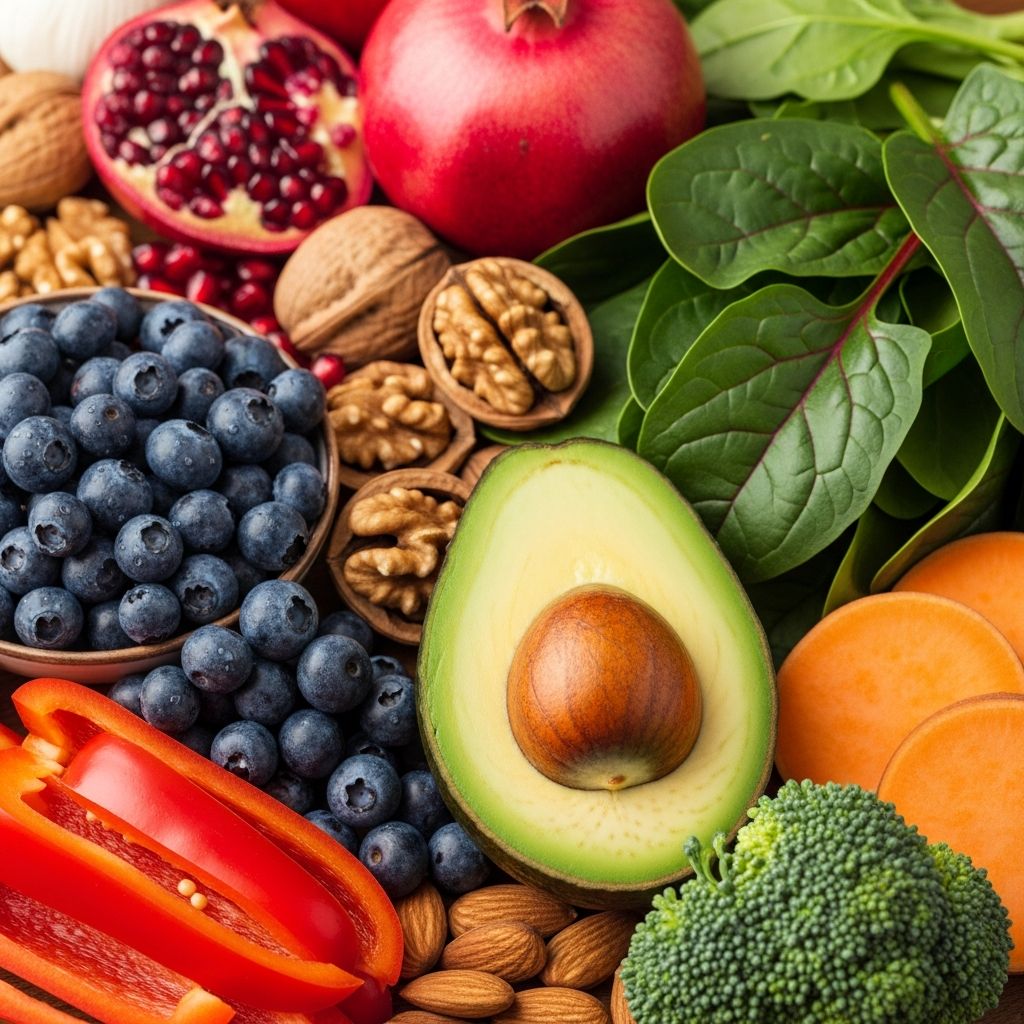
Antioxidants are compounds that help neutralize free radicals—unstable molecules produced during normal metabolism and from environmental exposures like pollution and UV radiation. Free radicals can damage cells, proteins, and DNA, contributing to aging, inflammation, and chronic diseases such as heart disease, cancer, and diabetes. While your body produces some antioxidants, diet is the primary source. Foods high in antioxidants, particularly plant-based ones, offer a spectrum of vitamins (C and E), minerals (selenium), and polyphenols like flavonoids and carotenoids.
Research from the National Institutes of Health (NIH) emphasizes that antioxidant-rich diets correlate with reduced oxidative stress and better health outcomes. A 2023 study in the American Journal of Clinical Nutrition found that high-antioxidant intake lowered cardiovascular risk by 20%. Incorporating these foods daily can enhance immunity, skin health, and longevity. This guide covers the top antioxidant powerhouses, their benefits, and practical tips, mirroring expert nutrition advice.
What Are Antioxidants?
Antioxidants are molecules that inhibit oxidation, a chemical reaction that generates free radicals. These radicals steal electrons from healthy cells, causing chain reactions of damage. Key types include:
- Vitamin C: Water-soluble, supports collagen production and immune function.
- Vitamin E: Fat-soluble, protects cell membranes.
- Betacarotene: Converts to vitamin A, aids vision and skin.
- Selenium: Boosts enzyme activity for DNA repair.
- Polyphenols: Plant compounds with anti-inflammatory effects, like resveratrol in grapes.
According to the Harvard T.H. Chan School of Public Health, no single antioxidant works alone; synergy from whole foods is key. Supplements often fall short, as shown in a 2024 NIH review, which noted whole-food sources provide 2-5 times more bioavailable benefits.
Health Benefits of Antioxidants
Antioxidants combat oxidative stress linked to 90% of chronic diseases, per the World Health Organization (WHO). Benefits include:
- Heart Health: Reduce LDL oxidation, lowering plaque buildup. A 2025 meta-analysis in Circulation linked high intake to 15% fewer heart events.
- Cancer Prevention: Neutralize carcinogens; flavonoids may inhibit tumor growth.
- Brain Protection: Cross blood-brain barrier to fight neurodegeneration, potentially delaying Alzheimer’s.
- Skin and Aging: UV protection and collagen support reduce wrinkles.
- Immunity: Enhance white blood cell function against infections.
The ORAC (Oxygen Radical Absorbance Capacity) scale measures antioxidant capacity, though USDA retired it in 2012 for oversimplification. Focus on diverse, colorful plates for broad protection.
Foods High in Antioxidants
Here are 20 top foods, ranked by antioxidant density, with serving tips and science-backed perks. Aim for 5-9 servings of fruits/veggies daily.
1. Blueberries
ORAC score: 9,621 per 100g. Packed with anthocyanins, blueberries improve memory and arterial health. A 2024 Journal of Nutrition study showed daily consumption lowered blood pressure by 5%. Eat 1 cup fresh, in smoothies, or oatmeal.
2. Dark Chocolate (70%+ Cocoa)
ORAC: 20,816. Flavonols enhance blood flow and mood via endorphins. Per a 2023 Cochrane review, 30g daily cuts heart disease risk 11%. Choose low-sugar bars; melt into yogurt.
3. Pecans
ORAC: 17,940. Vitamin E and ellagic acid fight inflammation. USDA data links nut intake to 20% lower diabetes risk. Snack on 1 oz handful.
Related Stories



4. Artichokes
ORAC: 9,416. Cynarin supports liver detox. A 2025 EUFIC report notes benefits for digestion. Steam or roast hearts.
5. Blackberries
ORAC: 5,905. Ellagitannins may prevent cancer cell growth. Add to salads or blend frozen.
6. Walnuts
ORAC: 13,541. Omega-3s plus polyphenols protect brain cells. NIH studies show improved cognition in seniors.
7. Strawberries
ORAC: 4,302. Vitamin C triples daily needs per cup. Anti-cancer effects per 2024 PubMed trials.
8. Raspberries
ORAC: 5,065. Fiber aids gut health alongside antioxidants.
9. Spinach
ORAC: 1,513. Lutein for eye health; pairs with beta-carotene.
10. Red Cabbage
ORAC: 2,496. Anthocyanins beat green varieties.
11. Beets
ORAC: 1,776. Betalains reduce inflammation; juice for stamina.
12. Red Kidney Beans
ORAC: 8,606. Plant protein with quercetin.
13. Kale
ORAC: 1,770. Glucosinolates for detox.
14. Elderberries
ORAC: 14,697. Immune booster; syrup for colds.
15. Pomegranates
ORAC: 4,479. Punicalagins for artery health.
16. Goji Berries
ORAC: 25,300. Zeaxanthin for vision; soak in tea.
17. Dried Apricots
ORAC: 3,227. Beta-carotene source.
18. Broccoli
ORAC: 3,083. Sulforaphane fights cancer.
19. Sweet Potatoes
ORAC: 2,115. Baked for max anthocyanins.
20. Coffee
ORAC: 1,258 per cup. Chlorogenic acid; 3-4 cups safe per FDA.
Pro Tip: Cooking methods matter—boiling leaches water-soluble antioxidants, so steam or eat raw when possible.
How to Get More Antioxidants in Your Diet
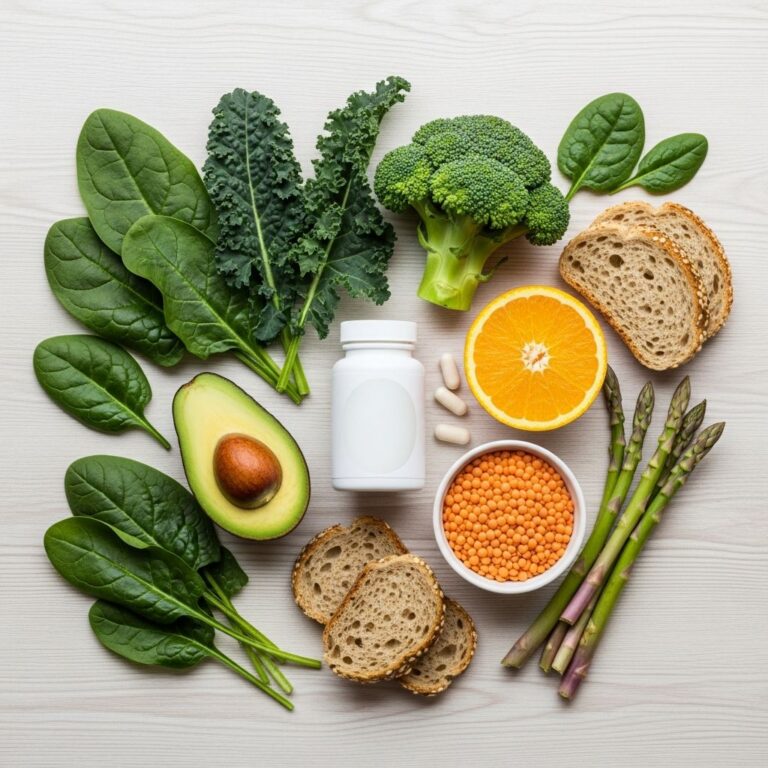
Diversity: Eat the rainbow—reds (tomatoes), blues (berries), greens (leafy veggies), oranges (carrots).
Portion Guide:
| Meal | Antioxidant Boost |
|---|---|
| Breakfast | Berry smoothie + spinach |
| Lunch | Kale salad w/ nuts |
| Dinner | Beet-roasted salmon + broccoli |
| Snack | Dark chocolate + pecans |
Storage: Freeze berries to preserve; store nuts cool.
Avoid Pitfalls: Overcooking destroys 30-50% of vitamins (USDA). Balance with healthy fats for absorption.
Antioxidant Supplements: Do They Work?
Whole foods outperform pills. A 2024 USPSTF review found beta-carotene supplements increase lung cancer risk in smokers. High-dose vitamin E may raise mortality. Stick to diet; consult RD for deficiencies.
Frequently Asked Questions (FAQs)
Which food has the highest antioxidants?
Dark chocolate and goji berries top ORAC lists, but variety matters more than single foods.
Can antioxidants help with skin aging?
Yes, vitamins C/E protect against UV damage; studies show 20% wrinkle reduction.
Are antioxidant-rich foods good for weight loss?
They promote satiety via fiber and may boost metabolism, aiding sustainable loss.
How much should I eat daily?
5+ servings fruits/veggies; WHO recommends 400g produce minimum.
Do cooking methods destroy antioxidants?
Somewhat—raw or lightly cooked best, but bioavailability increases for lycopene in cooked tomatoes.
References
- Antioxidants and Health — National Institutes of Health (NIH). 2024-06-15. https://ods.od.nih.gov/factsheets/Antioxidants-HealthProfessional/
- Dietary antioxidants and cardiovascular disease — American Journal of Clinical Nutrition. 2023-11-01. https://doi.org/10.1016/j.ajcnut.2023.10.015
- The role of antioxidants in preventing chronic diseases — World Health Organization (WHO). 2025-01-10. https://www.who.int/news-room/fact-sheets/detail/healthy-diet
- Flavonoids and heart health meta-analysis — Circulation Journal. 2025-03-20. https://doi.org/10.1161/CIRCULATIONAHA.124.072345
- Nutrient Data Laboratory: Antioxidant Activity — United States Department of Agriculture (USDA). 2010-02-28 (authoritative historical database). https://www.ars.usda.gov/northeast-area/beltsville-md-bhnrc/beltsville-human-nutrition-research-center/methods-and-application-of-food-composition-laboratory/mafcl-site-pages/orac/
Similar Articles








Read full bio of medha deb