Foods High In Cholesterol: 7 Top Sources And Healthy Swaps
Discover the top foods high in cholesterol, their impact on heart health, and healthier alternatives to manage levels effectively.
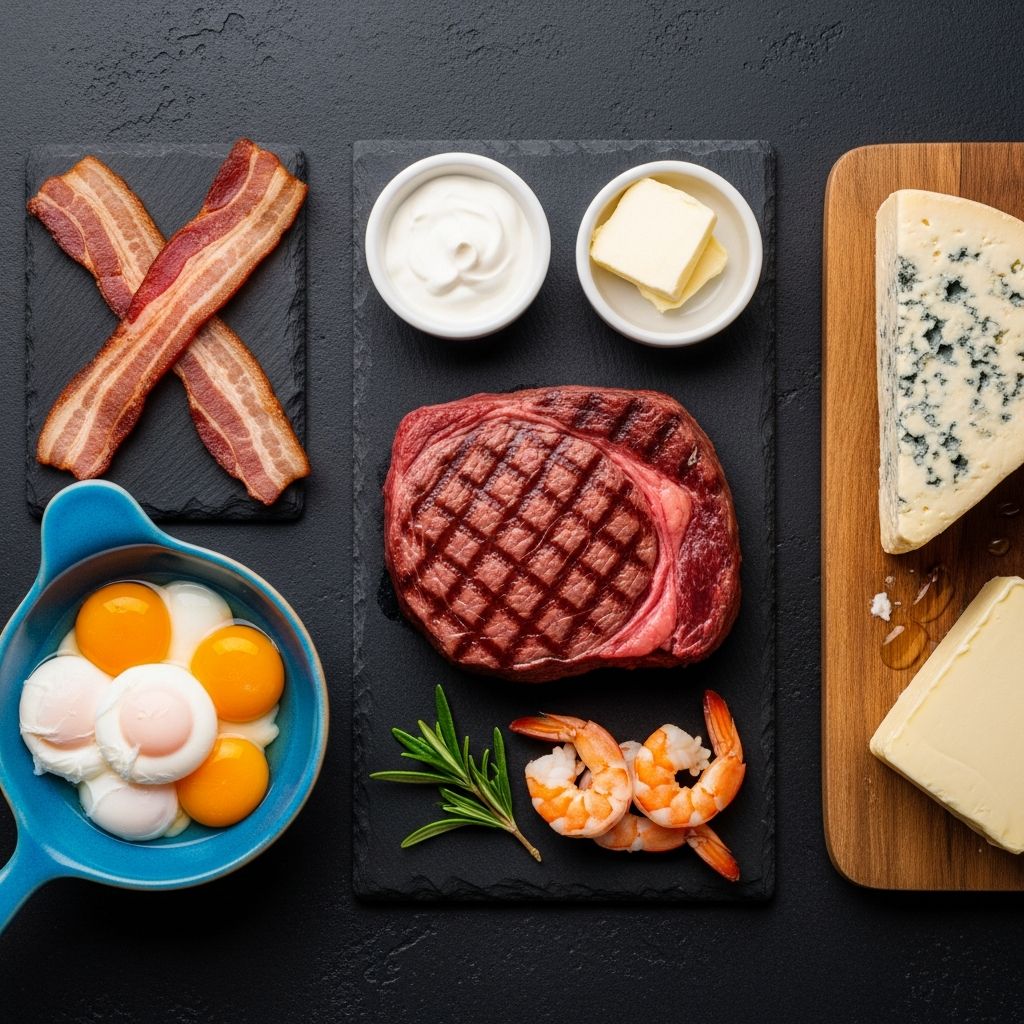
Cholesterol is a waxy substance found in your blood, essential for building cells, producing hormones, and aiding digestion. While your body produces all the cholesterol it needs, dietary sources can contribute significantly, especially for those with high cholesterol levels. About 94 million American adults have cholesterol above recommended levels, raising risks for heart disease and stroke, according to the Centers for Disease Control and Prevention. Understanding foods high in cholesterol helps in making informed dietary choices to support cardiovascular health.
What Is Cholesterol?
Cholesterol travels through your bloodstream in lipoproteins: low-density lipoprotein (LDL, or “bad” cholesterol) and high-density lipoprotein (HDL, or “good” cholesterol). High LDL levels can lead to plaque buildup in arteries (atherosclerosis), increasing heart attack and stroke risks. Dietary cholesterol, found only in animal products, influences blood cholesterol less than once thought, but for many, limiting intake remains key.
The body tightly regulates cholesterol production; when dietary intake rises, liver synthesis decreases. However, saturated and trans fats have a greater impact on raising LDL than cholesterol itself. Experts recommend focusing on overall diet quality rather than solely avoiding cholesterol-rich foods.
Foods High in Cholesterol: Top Sources
Animal-based foods dominate cholesterol content lists. Here’s a breakdown of common high-cholesterol foods, with approximate cholesterol per typical serving based on USDA data.
| Food | Serving Size | Cholesterol (mg) |
|---|---|---|
| Beef liver | 3 oz (85g) | 389 |
| Egg yolk | 1 large | 186 |
| Shrimp | 3 oz (85g) | 166 |
| Cheese (cheddar) | 1 oz (28g) | 30 |
| Butter | 1 tbsp (14g) | 31 |
1. Organ Meats (Liver, Kidneys, Brain)
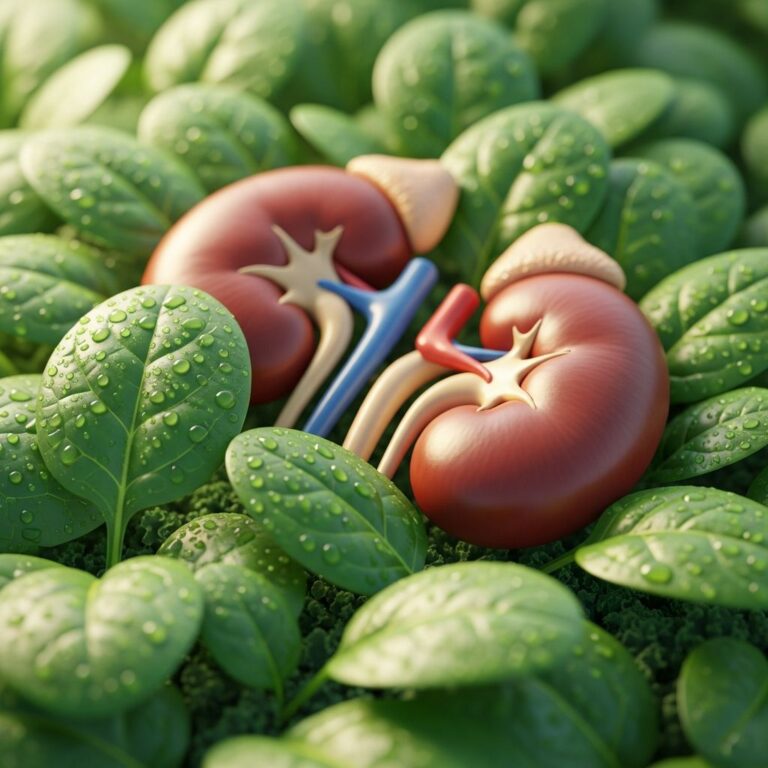
Organ meats like beef liver top the list, packing over 300mg of cholesterol per 3-ounce serving—exceeding the former 300mg daily limit recommended by guidelines. While nutrient-dense with iron, vitamin A, and B12, their high cholesterol makes them unsuitable for frequent consumption in high-cholesterol diets. Limit to occasional small portions or choose plant-based iron sources like spinach and lentils.
2. Egg Yolks
One large egg yolk contains about 186mg of cholesterol, nearly two-thirds of the old daily cap. Whole eggs were once vilified, but recent research shows they minimally affect blood cholesterol in most people due to compensatory mechanisms. Healthy individuals can enjoy 1-2 eggs daily; those with diabetes or high LDL should moderate to 3-4 per week, opting for whites which are cholesterol-free.
3. Shellfish (Shrimp, Lobster, Crab)
Shrimp offers 166mg per 3 ounces, yet it’s low in saturated fat, making it a better seafood choice. Studies indicate shellfish’s cholesterol has little impact on blood levels compared to red meat. Grill or steam instead of frying to keep it heart-healthy; pair with veggies for balanced meals.
4. Full-Fat Dairy (Cheese, Butter, Whole Milk)
Cheese like cheddar has 30mg per ounce, butter 31mg per tablespoon. These also contain saturated fats that elevate LDL. Switch to low-fat or fat-free dairy: skim milk has just 5mg per cup versus 24mg in whole milk. Greek yogurt and cottage cheese provide protein without excess cholesterol.
Related Stories



5. Red Meat (Beef, Pork, Lamb)
A 3-ounce beef patty delivers 75-100mg cholesterol plus saturated fats. Processed meats like bacon and sausage add more. Opt for lean cuts (sirloin, tenderloin) trimmed of fat, or go plant-based with beans and tofu. The American Heart Association advises limiting red meat to 6 ounces weekly.
6. Poultry (Chicken, Turkey with Skin)
Chicken thigh with skin has 90mg per 3 ounces; skinless breast drops to 70mg. Dark meat and skin boost cholesterol and fat. Remove skin and choose white meat for lower figures.
7. Processed Meats (Sausage, Bacon)
Bacon strips pack 20-30mg each, plus sodium and nitrates. These worsen heart risks; replace with turkey bacon or plant alternatives like mushroom “bacon.”
How Much Cholesterol Should You Eat Per Day?
The 2015-2020 Dietary Guidelines removed the 300mg daily limit, recognizing individual variability. Current advice: average under 300mg/day, or 200mg for those with high LDL, diabetes, or heart disease. Prioritize patterns like Mediterranean diet, rich in plants, over strict counting.
Foods to Avoid with High Cholesterol
- Fried foods: French fries, donuts absorb cholesterol from oil and add trans fats.
- Baked goods: Pastries, cookies high in butter and eggs.
- Tropical oils: Coconut/palm oil solid at room temp, mimic saturated fats.
- Fast food: Burgers, nuggets loaded with cholesterol-rich meats.
Per Mass General Brigham, these exacerbate unhealthy cholesterol buildup in arteries.
Healthier Alternatives to High-Cholesterol Foods
- Instead of organ meats: Lentils, quinoa for protein and nutrients.
- Egg substitute: Egg whites, tofu scrambles.
- Shellfish swap: Salmon (low cholesterol, omega-3s).
- Dairy alternatives: Almond milk, oat cheese.
- Meat replacements: Tempeh, seitan.
Diet Tips to Lower Cholesterol
Increase soluble fiber: Oats, apples, beans bind cholesterol in gut.
Choose healthy fats: Avocados, nuts, olive oil boost HDL.
Limit saturated fats: Under 6% daily calories.
Exercise regularly: 150 minutes weekly aids weight management.
Monitor portions: Use smaller plates.
Cholesterol and Heart Disease Risk
High cholesterol promotes atherosclerosis, leading to heart attacks, strokes, even erectile dysfunction from poor blood flow. Regular screening is vital as it’s often asymptomatic. Lifestyle changes can lower LDL 20-30%; statins help if needed.
Frequently Asked Questions (FAQs)
Are eggs bad for cholesterol?
No, for most people 1-2 eggs daily are fine; they raise HDL too. Consult a doctor if at risk.
Is shrimp high in cholesterol healthy?
Yes, despite 166mg/3oz, low sat fat makes it suitable in moderation.
Can I eat cheese with high cholesterol?
Limit to low-fat varieties, 1-2oz/day max.
Do plant-based foods have cholesterol?
No, only animal products do.
How quickly does diet affect cholesterol?
Changes show in 4-6 weeks; consistency key per experts.
References
- Worst Foods for High Cholesterol — Mass General Brigham / Romit Bhattacharya, MD. 2023-10-12. https://www.massgeneralbrigham.org/en/about/newsroom/articles/worst-foods-for-high-cholesterol
- Cholesterol — Centers for Disease Control and Prevention (CDC). 2024-07-25. https://www.cdc.gov/cholesterol/index.htm
- Dietary Guidelines for Americans, 2020-2025 — U.S. Department of Health and Human Services / USDA. 2020-12-01. https://www.dietaryguidelines.gov/
- FoodData Central: Cholesterol Content — United States Department of Agriculture (USDA). 2024-01-15. https://fdc.nal.usda.gov/
- Prevention and Treatment of High Cholesterol — American Heart Association. 2024-05-20. https://www.heart.org/en/health-topics/cholesterol/prevention-and-treatment-of-high-cholesterol
Similar Articles








Read full bio of Sneha Tete