Foods High In Collagen: 7 Top Sources For Skin, Joints & Bones
Boost your collagen intake naturally with these nutrient-rich foods that support skin, joint, and bone health effectively.
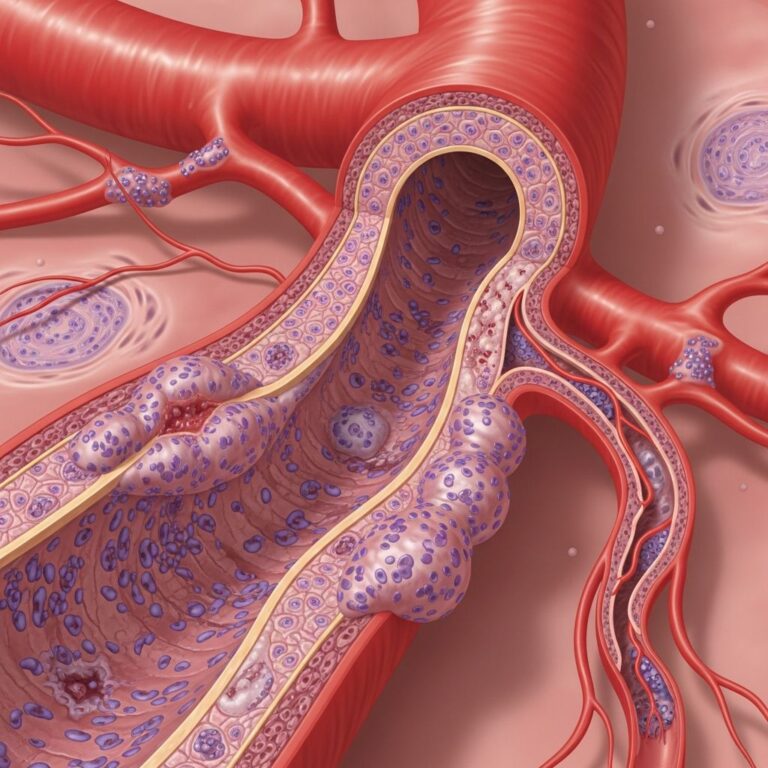
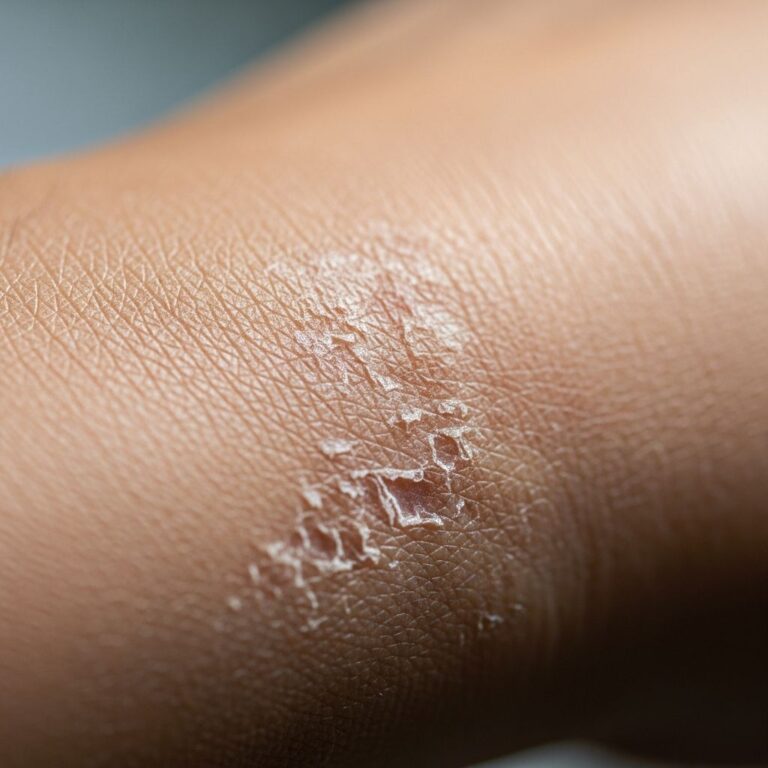
Collagen is the most abundant protein in the human body, providing structure to skin, bones, tendons, ligaments, and cartilage. As we age, natural collagen production declines, leading to wrinkles, joint pain, and reduced skin elasticity. Consuming foods high in collagen can help replenish these levels, supporting overall health. These animal-derived foods are rich in bioavailable collagen types, particularly type I and III, which are essential for skin and bone integrity.
What Is Collagen?
Collagen is a structural protein made up of amino acids like glycine, proline, and hydroxyproline. It forms triple-helix fibers that give strength and elasticity to connective tissues. The body produces collagen using vitamin C and other nutrients, but direct dietary sources provide pre-formed peptides that are easily absorbed. Types I and III dominate in skin and bones, while type II is key for cartilage.
Unlike plant foods, which lack collagen but support its synthesis through amino acids and vitamin C, animal products like skin, bones, and cartilage deliver it directly. Hydrolyzed collagen from these sources has shown benefits in studies, including improved skin hydration and reduced osteoarthritis symptoms.
Foods High in Collagen
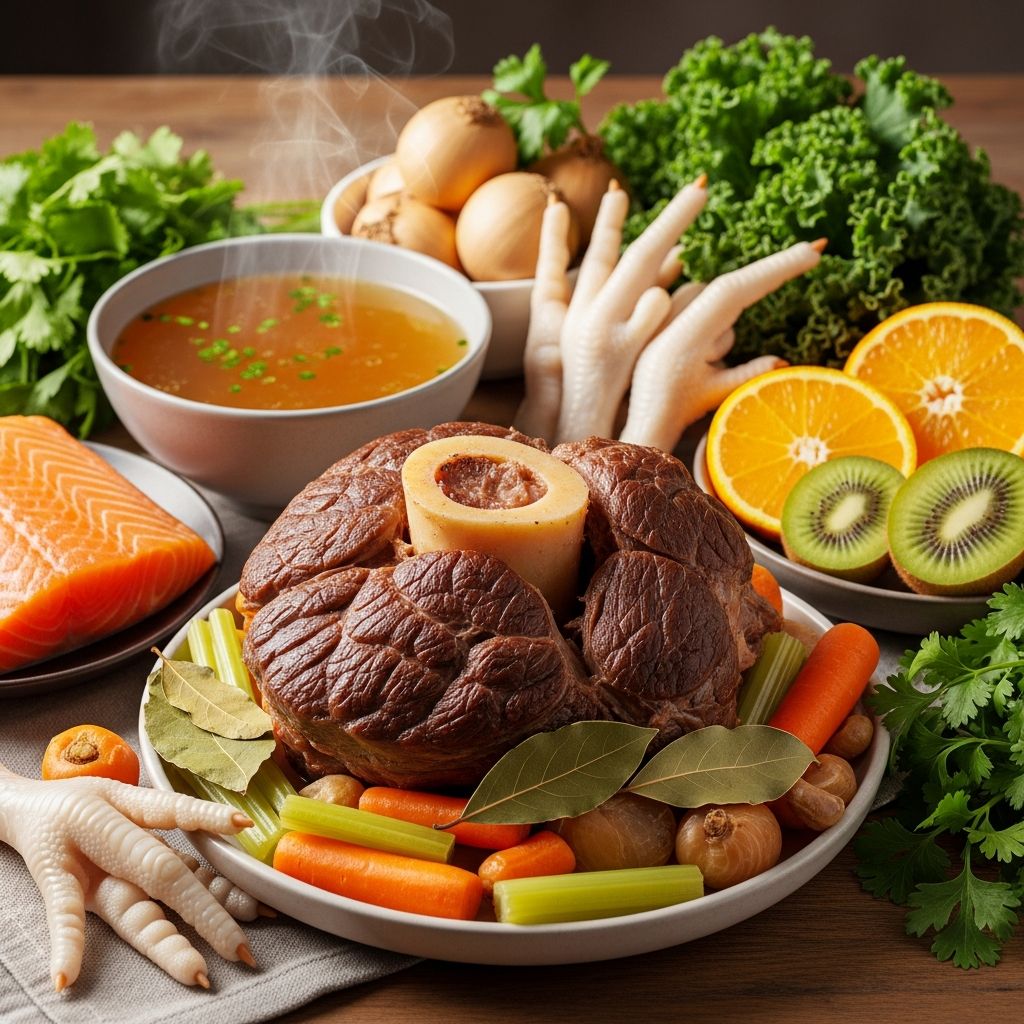
Incorporating collagen-rich foods into your diet is a simple way to boost intake. Below are the top sources, highlighting their collagen content, benefits, and preparation tips. Focus on tougher cuts and connective tissues for maximum yield.
1. Bone Broth
Bone broth tops the list as one of the richest natural sources of collagen. Made by simmering animal bones and connective tissues for hours, it extracts gelatin—a cooked form of collagen—along with minerals like calcium and magnesium. A cup can provide several grams of collagen peptides.
Benefits include improved gut health, joint mobility, and skin elasticity. Studies on hydrolyzed collagen supplements derived from bone broth show they accumulate in cartilage and skin, aiding regeneration. To make it, use beef or chicken bones, add vinegar to draw out minerals, and simmer 12-24 hours. Strain and sip daily or use in soups.
2. Chicken
Chicken, especially skin, feet, and cartilage, is loaded with type II collagen, ideal for joint health. Chicken cartilage supplements have reduced pain and stiffness in osteoarthritis patients. Eating skin-on chicken or chewing cartilage from wings boosts intake, though skin is high in saturated fat—consume in moderation for heart health.
Opt for slow-cooked dishes like stews where collagen breaks down into gelatin. A 3-ounce serving of chicken skin provides significant collagen alongside protein.
3. Beef
Tough beef cuts like brisket, shank, and oxtail are collagen powerhouses due to their high connective tissue content. Slow cooking converts collagen into gelatin, making it tender and nutritious. Beef supplies types I and III collagen, supporting bone density and skin firmness.
Related Stories



One study linked bovine-derived collagen to better osteoarthritis outcomes. Choose grass-fed beef for added omega-3s and cook low-and-slow: roast at 275°F for 4+ hours.
4. Pork Rinds and Skin
Pork skin, used in rinds or dishes like Korean jokbal (braised pig’s feet), is nearly pure collagen. Supplements from pig skin improved knee osteoarthritis symptoms and quality of life. It’s low-carb and crunchy as rinds but high in fat.
In Latin American cuisine, pickled pig’s feet offer collagen with vinegar’s gut benefits. Fry skin for rinds or braise feet in soy sauce for flavor.
5. Fish Skin and Scales (Salmon, Sardines)
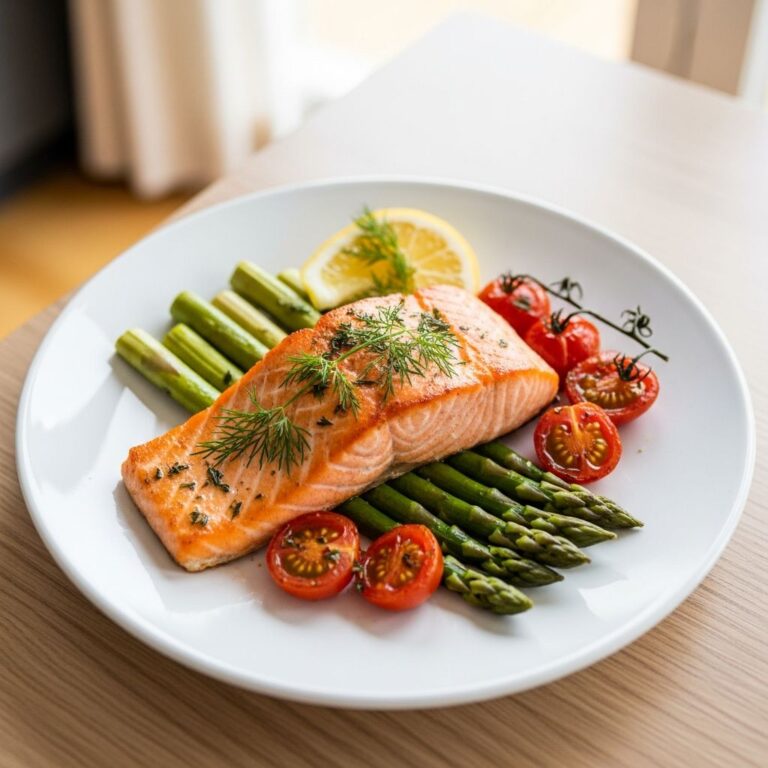
Marine collagen from salmon skin, scales, and sardines is highly bioavailable with low molecular weight, minimizing inflammation. Sardines, eaten whole (bones and scales), deliver type I collagen. Salmon skin collagen aids wound healing, especially with vitamin C.
Grill salmon with skin on or roast scales. Canned sardines are convenient—eat straight or on salads. Marine sources like jellyfish (75% collagen) are nutrient-dense and low-fat, popular in Asian salads.
6. Egg Whites
Egg whites contain proline, a key collagen-building amino acid, indirectly supporting production. While not a direct source, they’re part of collagen-boosting diets.
7. Citrus Fruits and Vitamin C-Rich Foods
Not collagen sources themselves, but essential cofactors. Vitamin C is required for collagen synthesis; deficiency causes scurvy with poor wound healing. Eat oranges, strawberries, kiwis, and bell peppers alongside collagen foods.
How to Boost Collagen Naturally
Beyond direct foods, enhance production with:
- Vitamin C-rich foods: Oranges, strawberries, red peppers, kiwis—pair with collagen meals.
- Amino acid supporters: Legumes, whole grains, fermented soy for vegans.
- Avoid collagen destroyers: Excess sugar, smoking, UV exposure.
Hydrolyzed supplements from fish or bovine sources show skin improvements: reduced wrinkles, better elasticity after 8-12 weeks.
Collagen Benefits
Research highlights:
- Skin Health: Increases hydration, elasticity; reduces wrinkles. VERISOL collagen boosted nail growth and skin markers.
- Joint Health: Eases osteoarthritis pain; BioCell from chicken cartilage raised dermal collagen.
- Bone Density: Bovine peptides inhibit bone loss.
- Wound Healing: Salmon and jellyfish collagen promote fibroblast activity.
| Food | Collagen Type | Key Benefit | Prep Tip |
|---|---|---|---|
| Bone Broth | I, III | Gut & Joint | Simmer 24 hrs |
| Chicken Skin | II | Osteoarthritis Relief | Skin-on roast |
| Beef Brisket | I, III | Skin & Bone | Slow cook |
| Salmon Skin | I | Wound Healing | Grill w/ skin |
| Sardines | I | Overall Boost | Eat canned |
Collagen Deficiency Symptoms
Low collagen manifests as:
- Wrinkles and sagging skin
- Slow wound healing
- Joint pain/stiffness
- Brittle hair/nails
- Weak bones
Aging, poor diet, and stressors accelerate decline. Replenish via foods or supplements.
Frequently Asked Questions (FAQs)
What are the best foods high in collagen?
Bone broth, chicken feet/skin, beef brisket, pork rinds, salmon skin, sardines, and jellyfish.
Do plant-based foods contain collagen?
No, collagen is animal-derived. Plants like soy and legumes provide amino acids to support production.
Does vitamin C help collagen production?
Yes, it’s crucial for synthesis. Eat citrus with collagen foods.
Are collagen supplements better than food?
Foods offer whole nutrients; supplements provide concentrated doses. Both effective per studies.
Can collagen improve skin aging?
Yes, hydrolyzed collagen reduces wrinkles and boosts elasticity in 8-12 weeks.
Bottom Line
Foods high in collagen from animal sources offer direct benefits for skin, joints, and bones. Combine with vitamin C for optimal absorption. While research on whole foods is emerging, supplement studies confirm efficacy. Vegans can focus on precursors. Aim for variety in a balanced diet.
References
- 7 Foods High in Collagen — GoodRx. 2023-10-15. https://www.goodrx.com/well-being/diet-nutrition/collagen-rich-foods
- Beneficial effects of food supplements based on hydrolyzed collagen… — PMC/NIH. 2020-05-27. https://pmc.ncbi.nlm.nih.gov/articles/PMC7271718/
Similar Articles








Read full bio of medha deb