Foods High In Digestive Enzymes: 12 Top Natural Sources
Boost your digestion naturally with these enzyme-rich foods like pineapple, papaya, and fermented favorites for better gut health.
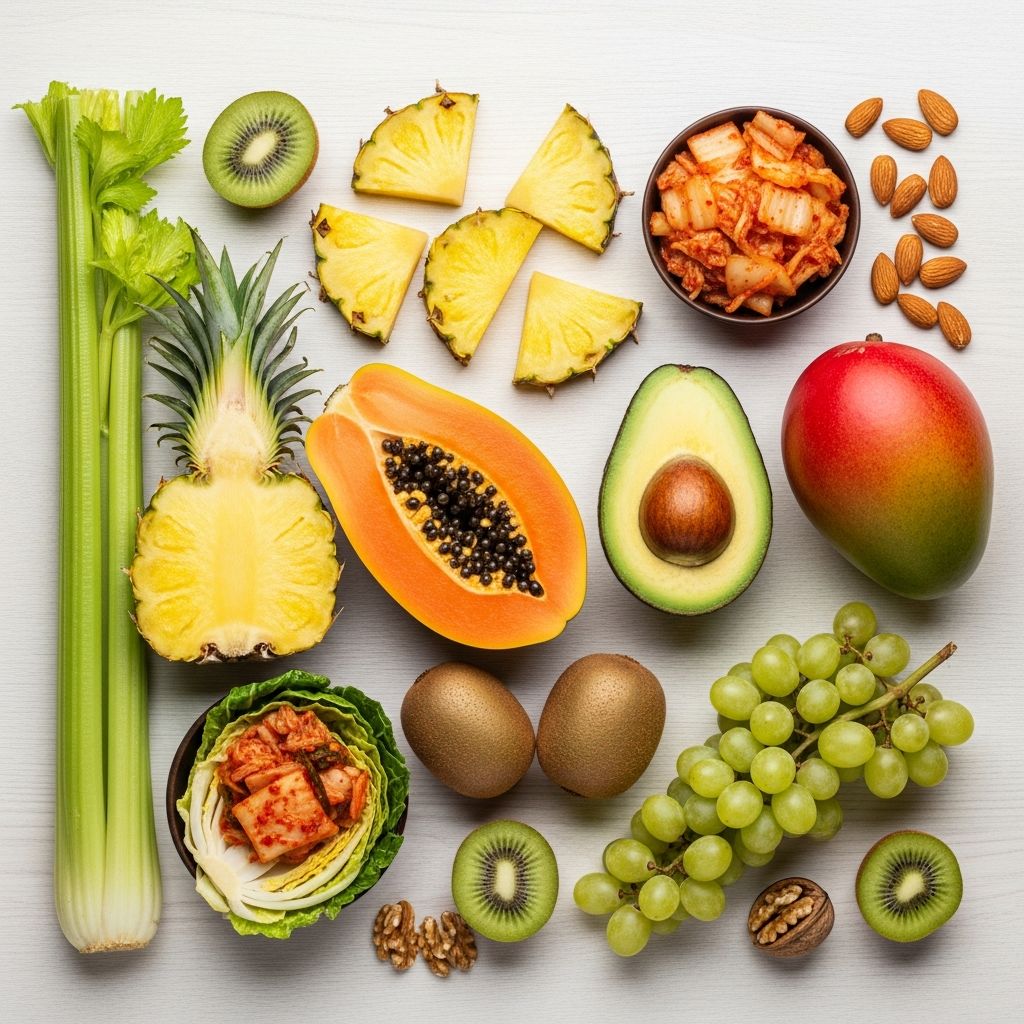
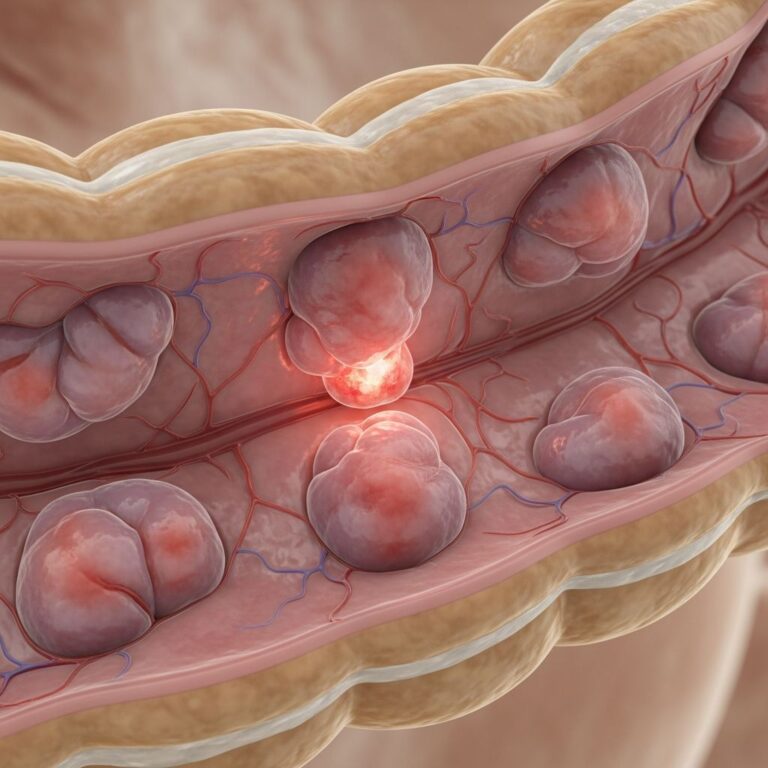
Digestive enzymes are proteins produced by the body and found in certain foods that help break down carbohydrates, proteins, and fats into smaller, absorbable nutrients. Incorporating enzyme-rich foods into your diet can support gut health, reduce bloating, improve nutrient absorption, and alleviate digestive discomfort.
What Are Digestive Enzymes?
Digestive enzymes are specialized proteins that act as catalysts to speed up the chemical reactions needed to digest food. The three main types include amylase (breaks down carbohydrates), protease (breaks down proteins), and lipase (breaks down fats). Your pancreas, stomach, and small intestine produce these enzymes, but many foods naturally contain them, providing extra support for digestion.
While the body makes most digestive enzymes, factors like aging, stress, poor diet, or conditions such as irritable bowel syndrome (IBS) can reduce their production. Eating enzyme-rich foods helps compensate, promoting better breakdown of food particles and preventing issues like gas, constipation, and indigestion.
Benefits of Foods High in Digestive Enzymes
Consuming these foods offers multiple advantages:
- Improved Nutrient Absorption: Enzymes break food into usable forms, ensuring vitamins, minerals, and energy reach your cells more efficiently.
- Reduced Digestive Discomfort: They alleviate bloating, heartburn, and constipation by speeding up transit time through the gut.
- Gut Microbiome Support: Fermented enzyme sources also provide probiotics, fostering a healthy balance of gut bacteria.
- Anti-Inflammatory Effects: Certain enzymes like bromelain have additional benefits for reducing inflammation and supporting immune health.
Research shows that diets rich in these foods correlate with lower rates of digestive disorders. For instance, proteolytic enzymes in fruits aid protein digestion, particularly beneficial after heavy meat-based meals.
12 Foods High in Digestive Enzymes
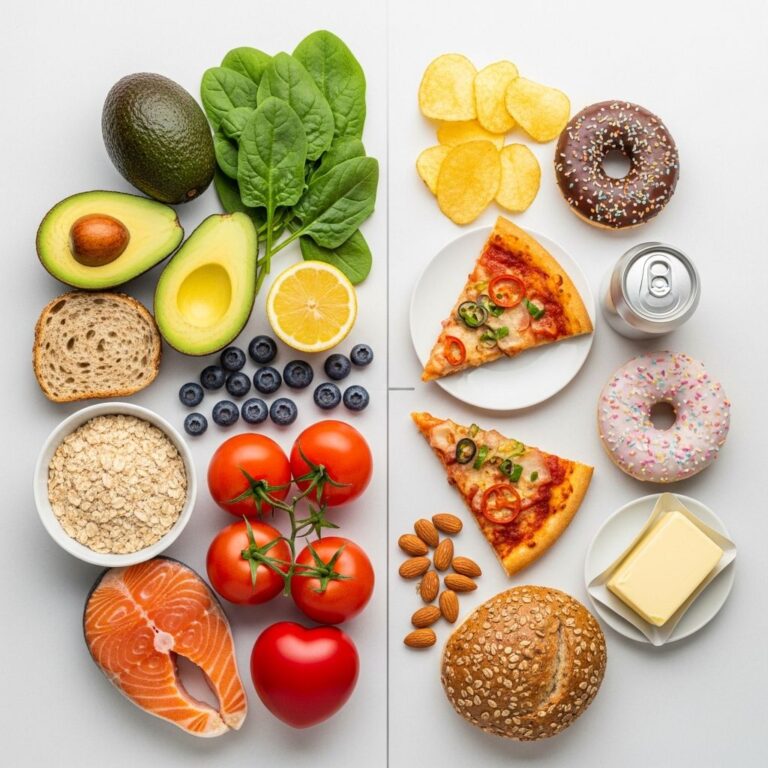
Here are the top natural sources, detailed with their key enzymes, benefits, and serving ideas. Opt for fresh, ripe, or unpasteurized versions to maximize enzyme activity, as heat can destroy them.
1. Pineapple
Pineapple is packed with bromelain, a group of proteolytic enzymes that excel at breaking down proteins into amino acids. Bromelain also supports anti-inflammatory responses, respiratory health, and sinus relief. Studies highlight its role in easing digestion post-protein-rich meals and reducing bloating.
How to Use: Enjoy fresh chunks, add to smoothies, salads, or grill for a tropical twist. Aim for 1 cup daily.
2. Papaya
One of the most researched enzyme-rich fruits, papaya contains papain, chymopapain, and other proteases that target tough proteins. It’s particularly effective for constipation, IBS symptoms, and heartburn relief. Ripe papaya maximizes enzyme potency.
How to Use: Eat fresh in salads, smoothies, or as a snack. Try papaya enzyme supplements derived from it for targeted support.
3. Mango
Mangoes provide amylase, which converts complex carbs into simple sugars like glucose and maltose. Enzyme activity peaks as the fruit ripens, enhancing sweetness and digestibility. Mangoes also offer vitamin C and fiber for bowel regularity.
How to Use: Slice ripe mangoes for snacks, blend into smoothies, or dice into salsas.
4. Kiwifruit
Kiwifruit boasts actinidain (actinidin), a cysteine protease that accelerates protein digestion and absorption in the small intestine. It relieves bloating and constipation while providing fiber and vitamin C.
Related Stories



How to Use: Eat fresh, add to yogurt, or smoothies. One or two kiwis daily suffice.
5. Banana
Bananas contain amylase and glucosidase, enzymes that dismantle starches into simple sugars. Their fiber content further aids gut motility, making them ideal for steady digestion.
How to Use: Ripe bananas in smoothies, oatmeal, or as a portable snack.
6. Avocado
Avocados are a source of lipase, crucial for fat digestion, especially helpful with high-fat meals. This reduces bloating and supports those with gluten issues or celiac disease.
How to Use: Mash on toast, add to salads, or blend into dressings. Half an avocado per serving.
7. Raw Honey
Unheated raw honey harbors amylase, protease, and others that aid various breakdowns. It soothes the gut lining and fights nausea.
How to Use: Drizzle on yogurt, tea, or fruit. Choose raw varieties.
8. Ginger
Ginger’s zingibain protease digests proteins and promotes stomach contractions for faster food movement. It’s renowned for nausea relief.
How to Use: Fresh grated in tea, stir-fries, or smoothies.
9. Kefir
This fermented dairy drink offers lactase, protease, and lipase, plus probiotics for lactose intolerance and gut balance.
How to Use: Drink plain, in smoothies, or over granola.
10. Sauerkraut
Fermented cabbage provides multiple enzymes and lactic acid bacteria, tackling various digestive woes. Unpasteurized is best.
How to Use: As a side, on sandwiches, or in bowls. Start with 1-2 tablespoons.
11. Kimchi
Spicy fermented veggies like cabbage in kimchi deliver protease, lipase, and amylase from Bacillus bacteria, boosting probiotics.
How to Use: Side dish, in rice, or fried rice.
12. Miso
Fermented soybean paste with amylases, proteases, and lipases eases protein, carb, and fat digestion, plus probiotics.
How to Use: In soups, marinades, or dressings.
Table of Foods and Their Enzymes
| Food | Key Enzyme(s) | Breaks Down | Best Consumed |
|---|---|---|---|
| Pineapple | Bromelain | Proteins | Fresh, raw |
| Papaya | Papain | Proteins | Ripe, uncooked |
| Mango | Amylase | Carbohydrates | Fully ripe |
| Kiwifruit | Actinidain | Proteins | Fresh |
| Banana | Amylase, Glucosidases | Starches | Ripe |
| Avocado | Lipase | Fats | Fresh |
| Raw Honey | Amylase, Protease | Carbs, Proteins | Unheated |
| Ginger | Zingibain | Proteins | Fresh |
| Kefir | Lactase, Proteases | Dairy, Proteins | Fresh |
| Sauerkraut | Various | Multiple | Unpasteurized |
| Kimchi | Protease, Lipase, Amylase | Multiple | Fresh |
| Miso | Proteases, Amylases | Proteins, Carbs | Unpasteurized |
How to Incorporate These Foods into Your Diet
Start small to avoid overwhelming your system. A sample daily plan:
- Breakfast: Smoothie with banana, kiwi, kefir, and honey.
- Lunch: Salad with avocado, sauerkraut, and ginger dressing.
- Dinner: Miso soup with kimchi side and pineapple dessert.
- Snacks: Papaya, mango, or fresh ginger tea.
Combine fruits before meals for pre-digestion effects. Fermented foods pair well post-meal. Note: Those with allergies or on medications should consult a doctor.
When to Consider Supplements
Foods are ideal, but supplements mimic these enzymes for intensive needs like enzyme deficiencies. Look for broad-spectrum formulas with bromelain, papain, and probiotics. They’re not a replacement for diet but a complement.
Frequently Asked Questions (FAQs)
What are digestive enzymes?
Digestive enzymes are proteins that break down food into absorbable nutrients, aiding carbohydrate, protein, and fat digestion.
What foods have the highest digestive enzymes?
Top sources: pineapple, papaya, mango, kiwifruit, banana, avocado, raw honey, ginger, kefir, sauerkraut, kimchi, miso.
Can digestive enzymes help with bloating?
Yes, enzymes like bromelain and lipase reduce bloating by improving food breakdown and gas production.
Are enzyme-rich foods safe for everyone?
Generally yes, but those with allergies (e.g., latex-fruit syndrome for papaya/pineapple) or GI conditions should consult professionals.
Do cooking destroy digestive enzymes?
Yes, heat deactivates most enzymes, so prioritize raw or minimally processed forms.
References
- What Foods Have Digestive Enzymes? A Comprehensive Guide — Cymbiotika. 2023. https://cymbiotika.com/blogs/health-hub/what-foods-have-digestive-enzymes-a-comprehensive-guide-to-boosting-digestive-health
- Eat Your Enzymes—Top Natural Sources for Better Digestion — Greenland Medical. 2023. https://greenland-medical.com/post/digestive-enzyme-natural-sources
- 12 Foods That Contain Natural Digestive Enzymes — MedicineNet. 2023-01-27. https://www.medicinenet.com/12_foods_that_contain_natural_digestive_enzymes/article.htm
- 20 Foods High in Digestive Enzymes — Ancient Nutrition. 2023. https://ancientnutrition.com/blogs/all/foods-high-in-digestive-enzymes
- Digestive Enzymes: What They Are and What They Do — ZOE. 2023. https://zoe.com/learn/digestive-enzymes
Similar Articles








Read full bio of medha deb