Foods High in Fiber: Boost Your Health with Fiber-Rich Foods
Discover fiber-rich foods that transform your health and wellness naturally.
Fiber is one of the most overlooked yet vital nutrients in a healthy diet. Despite its critical importance for digestive health, heart disease prevention, and weight management, most Americans consume far below the recommended daily intake. The average American eats only about 15 grams of fiber per day, when women aged 50 and younger should aim for 25 to 28 grams daily, and men aged 50 and younger should consume 31 to 34 grams daily. This significant gap between actual and recommended intake represents a major opportunity to transform health outcomes through simple dietary adjustments.
Understanding the importance of fiber and learning which foods are rich in this essential nutrient can dramatically improve your overall wellness. From reducing your risk of chronic diseases to supporting healthy weight management, fiber offers comprehensive health benefits that extend throughout your entire body. This guide explores the science behind fiber, its remarkable health benefits, and practical strategies for incorporating more fiber-rich foods into your daily meals.
Understanding Dietary Fiber and Its Types
Dietary fiber is a type of carbohydrate found in plant-based foods that your body cannot digest. Unlike other carbohydrates that break down into sugar molecules, fiber passes through your digestive system relatively intact. This unique characteristic creates numerous health benefits, from stabilizing blood sugar levels to promoting healthy gut bacteria.
Fiber exists in two primary forms: soluble and insoluble fiber. Soluble fiber dissolves in water and forms a gel-like substance in your digestive tract, slowing digestion and helping regulate blood sugar levels. This type is particularly effective at lowering cholesterol and is found abundantly in beans, oats, apples, and citrus fruits. Insoluble fiber, by contrast, does not dissolve in water and adds bulk to your stool, promoting regular bowel movements and supporting digestive health. Whole grains, vegetables, and wheat bran are excellent sources of insoluble fiber.
Both types of fiber work synergistically to support your health. Research shows that consuming a balance of both soluble and insoluble fiber provides the most comprehensive health benefits, with some studies suggesting that insoluble fiber may offer the most powerful protection against certain diseases.
The Remarkable Health Benefits of Fiber
Promotes Heart Health
One of the most significant benefits of dietary fiber is its profound impact on cardiovascular health. Fiber actively lowers your risk factors for developing heart disease and can reduce your risk of dying from heart disease if you already have it. Research published in prestigious medical journals demonstrates the remarkable protective effects of fiber consumption.
A landmark Harvard study tracking more than 43,000 male health professionals over six years found that men consuming more than 25 grams of fiber daily had a 36 percent lower risk of developing heart disease compared to those consuming fewer than 15 grams daily. Even more impressive, every 10 grams of fiber added to the diet—whether from bananas, bran flakes, or baked potatoes—lowered the risk of heart attack by 19 percent. Cereal fibers demonstrated even greater benefits, reducing heart attack risk by 29 percent for every 10-gram increase in daily intake.
This protective effect extends across different populations and lifestyles. A high-fiber diet reduced coronary heart disease risk not only for men with healthy habits but also for sedentary and overweight individuals, and even provided some benefit to smokers. The mechanisms behind this protection involve multiple biological pathways, with both soluble and insoluble fibers contributing to improved cardiovascular outcomes.
Related Stories



Lowers Cholesterol Levels
Soluble fiber plays a particularly important role in managing cholesterol levels. Eating soluble fiber—the kind found in beans and oats—is an excellent way to lower your low-density lipoprotein (LDL) cholesterol, commonly known as “bad” cholesterol. Epidemiological studies consistently show that people consuming high-fiber diets have lower total cholesterol levels and are less likely to form harmful blood clots.
The mechanism is scientifically fascinating: soluble fiber can slow the liver’s manufacture of cholesterol and of clotting proteins such as factor VII and plasminogen activator inhibitor type 1. One theory suggests that gut bacteria deserve significant credit, as they ferment fiber into products that then act on the liver, altering its cholesterol-production activity. This microbiome connection represents an emerging frontier in nutritional science, highlighting how fiber supports not just direct physiological processes but also your gut ecosystem.
Helps with Weight Management
Fiber serves as a natural appetite regulator, supporting sustainable weight loss and healthy weight maintenance. Fiber can help keep you full longer, and learning to listen to your body’s signals of hunger and fullness represents an important part of developing a healthy relationship with food. This satiety effect occurs because your digestive tract can only process a limited amount of bulk at one time, meaning a bowl of raisin bran fills you more completely than a plate of ham and eggs.
Additionally, insoluble fiber may interfere with the absorption of dietary fat, further supporting weight management efforts. The combination of increased fullness, reduced overall food consumption, and improved nutrient absorption creates a powerful trio for achieving and maintaining a healthy weight without restrictive dieting.
Supports Blood Sugar Control
Because fiber slows the digestion of other foods, it can help blunt the sudden spikes in blood glucose level that may occur after low-fiber meals. Each blood sugar peak stimulates your pancreas to pump out insulin. Some researchers believe that a lifetime of repeated insulin spikes could contribute to Type II diabetes, which typically strikes after age 40 and more than doubles the risk for stroke or heart disease. By maintaining stable blood glucose levels through adequate fiber intake, you help protect your pancreatic function and reduce diabetes risk.
A high fiber intake has also been linked to a lower risk of metabolic syndrome, a combination of factors including high blood pressure, high insulin levels, excess weight (especially around the belly), high triglyceride levels, and low HDL (good) cholesterol that significantly increases the risk of developing heart disease and diabetes.
Reduces Cancer Risk
Foods high in fiber can help lower your risk of certain types of cancer. Research demonstrates particular protective effects against breast cancer. A prospective cohort study of more than 90,000 premenopausal women found that a higher fiber intake, especially during adolescence, reduced breast cancer risk by 25 percent when comparing highest to lowest intakes. This protection extended to both premenopausal and postmenopausal breast cancers in a later meta-analysis of 17 prospective cohort studies.
Promotes Digestive Health
Large cohort studies show a protective effect of fiber on diverticular disease, particularly fibers from fruits, cereal grains, and vegetables. A cohort of more than 43,000 men from the Health Professionals Follow-up Study found a protective effect of dietary fiber against diverticulitis, especially cellulose, a type of insoluble fiber found in the skins of fruits, leafy vegetables, root vegetables, legumes, and wheat bran. A Nurses’ Health Study following more than 50,000 women found that those with the highest fiber intakes (25 or more grams daily) had a 13 percent lower risk of diverticulitis than those who ate the least.
High-Fiber Foods to Include in Your Diet
Whole Grains
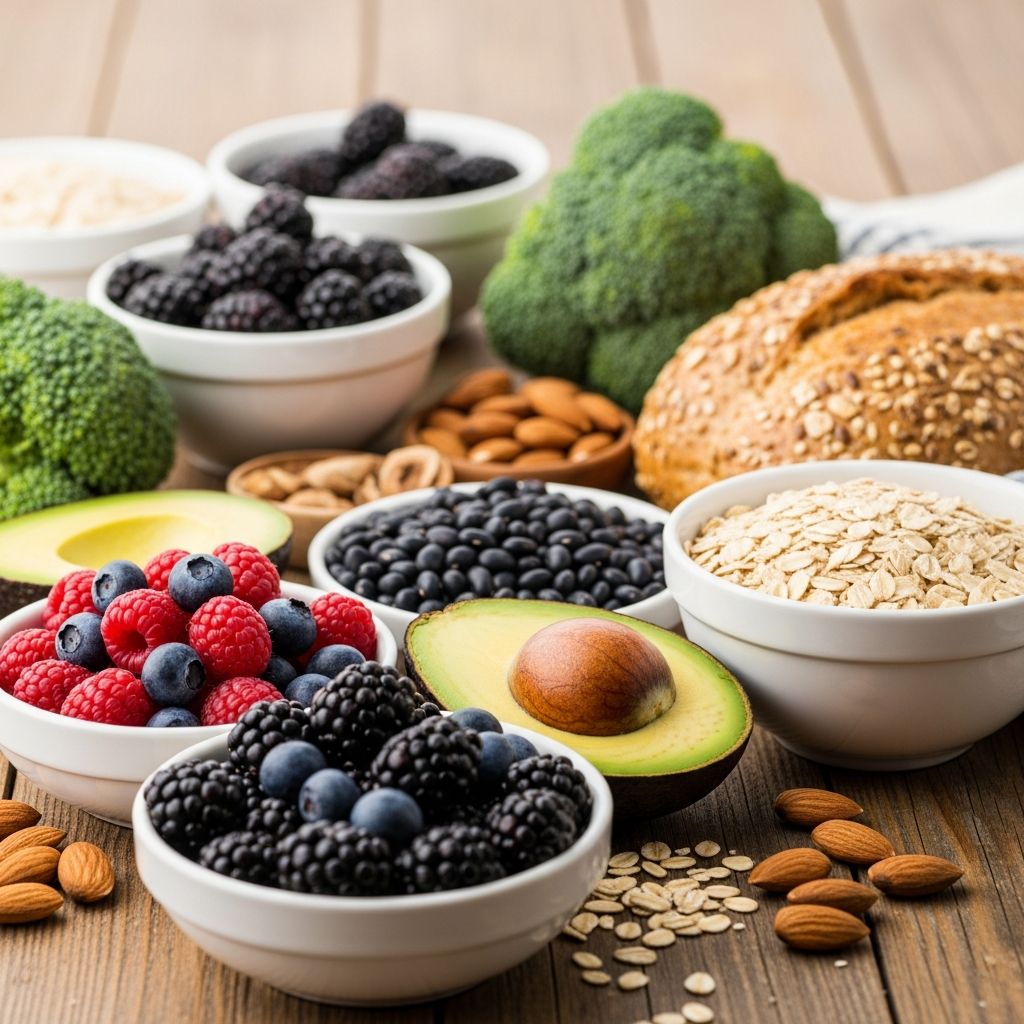
Whole grains represent one of the most accessible and affordable sources of dietary fiber. Instead of white bread or refined pasta, incorporate options like farro and quinoa as the base of your meals. Whole grains retain the bran and germ, which contain the majority of the fiber and nutrients lost during refinement. Oatmeal provides approximately 4 grams of fiber per cooked cup, while whole wheat bread offers about 4 grams of fiber per slice.
Legumes and Beans
Beans are nutritional powerhouses packed with both soluble and insoluble fiber. A single cup of cooked beans can provide 12 to 19 grams of fiber, making them one of the most fiber-dense foods available. Additionally, chickpeas deserve special attention: they contain galacto-oligosaccharides that feed lactobacilli and improve magnesium absorption, while providing total dietary fiber content ranging from 18 to 22 percent, with soluble fiber comprising 4 to 8 percent and insoluble fiber comprising 10 to 18 percent.
Fruits
Fresh fruits offer natural fiber while satisfying sweet cravings. Berries particularly stand out as fiber-rich options—raspberries contain 8 grams of fiber per cup, while blackberries provide 10 grams per cup. Bananas offer moderate fiber content at about 3 grams per medium banana, while keeping healthy foods like fresh berries on hand ensures you have heart-healthy snacking options readily available.
Vegetables
Vegetables provide essential fiber alongside numerous vitamins and minerals. Leafy greens, root vegetables, and cruciferous vegetables all contribute meaningful fiber to your diet. One medium sweet potato with skin provides approximately 4 grams of fiber, while a cup of cooked broccoli offers about 5 grams. The protective effect on heart health comes especially from fibers derived from vegetables, fruits, and cereal grains.
Seeds and Nuts
Flaxseeds represent a particularly potent fiber source, emerging as an attractive nutritional food because of their exceptionally high content of alpha-linolenic acid (ALA), dietary fiber, high-quality protein, and phytoestrogens. Flaxseeds contain approximately 55 percent ALA, 28 to 30 percent protein, and 35 percent fiber. Just two tablespoons of ground flaxseeds provide about 6 grams of fiber while balancing hormones and promoting healthy bowel habits. Avocados also deserve mention as a nutrient-dense option offering about 10 grams of fiber per fruit.
Garlic and Alliums
Often overlooked as a fiber source, garlic provides inulin and oligofructose—what researchers describe as a “double prebiotic hit” that fuels good microbes in your digestive system. Clinical studies published in peer-reviewed journals report that garlic fiber and its bioactive compounds help reduce body weight, adipose tissue mass, and improve lipid profiles partly by modulating gene expression related to fat cell development and promoting mitochondrial function.
Practical Strategies for Adding Fiber to Your Diet
Add Fiber to Every Meal
Rather than attempting to consume your entire daily fiber intake in one or two meals, spread fiber throughout the day for optimal digestion and sustained satiety. Try including a fruit, vegetable, or other plant-based food with each meal: oatmeal with breakfast, whole wheat bread on your sandwich at lunch, and beans with dinner. This distributed approach helps your digestive system adapt to increased fiber intake while preventing bloating or digestive discomfort.
Focus on Whole Grains
Making whole grains the foundation of your meals represents the number one tip for heart health nutrition. Whole grains contain significantly more fiber than their refined counterparts. When evaluating grain products, look for “whole grain” as the first ingredient on the label. This simple strategy ensures you’re maximizing fiber intake while supporting cardiovascular health.
Snack Smart
Keep healthy, fiber-rich foods readily available for snacking. Maintaining an accessible supply of avocados, fresh berries, nuts, seeds, and whole grain crackers ensures you’ll reach for heart-healthy options when hunger strikes. This preventive approach removes temptation to choose processed snacks while making nutritious choices convenient.
Read Food Labels
Not sure how much fiber is in your food? Food labels provide detailed information about fiber content, including both the absolute grams of fiber and the percent daily value (%DV). This information helps you make informed choices and track your daily fiber intake toward meeting recommended guidelines. Compare products to identify higher-fiber options and gradually increase your intake over several weeks to allow your digestive system to adapt.
Increasing Fiber Intake: A Gradual Approach
When increasing your fiber consumption, do so gradually over several weeks rather than making dramatic overnight changes. Your digestive system adapts best to increased fiber when the transition occurs slowly. Rapid increases in fiber can cause temporary bloating, gas, or changes in bowel movements. Pair your increased fiber intake with adequate water consumption—fiber works most effectively when you’re well-hydrated. Drinking at least eight glasses of water daily supports the fiber’s function in your digestive system.
Frequently Asked Questions
How much fiber should I eat daily?
Women aged 50 and younger should aim for 25 to 28 grams of fiber per day. Men aged 50 and younger should consume 31 to 34 grams daily, while men aged 51 and older should target 28 grams daily. Adjust these targets based on your individual health needs and consult with your healthcare provider if you have specific conditions affecting your fiber tolerance.
Can fiber help with weight loss?
Yes, fiber supports weight management by promoting satiety, helping you feel full longer and reducing overall calorie intake. This creates sustainable weight loss without restrictive dieting, while also supporting a healthy relationship with food by helping you recognize your body’s hunger and fullness signals.
What’s the difference between soluble and insoluble fiber?
Soluble fiber dissolves in water and helps lower cholesterol and regulate blood sugar, found in foods like beans and oats. Insoluble fiber doesn’t dissolve and adds bulk to stool, promoting digestive regularity and found in whole grains and vegetable skins. Both types provide distinct health benefits, and consuming both is optimal.
Are there any side effects from increasing fiber intake?
Increasing fiber too quickly can cause bloating, gas, or changes in bowel movements. Gradual increases over several weeks, paired with adequate water intake, minimize these temporary side effects while allowing your digestive system to adapt.
Can fiber reduce disease risk?
Extensive research demonstrates that adequate fiber intake significantly reduces the risk of heart disease, type 2 diabetes, certain cancers, and diverticular disease. Every 10 grams of additional daily fiber intake provides measurable disease risk reduction.
Conclusion
Dietary fiber represents one of the most transformative dietary components for achieving optimal health. By incorporating a diverse array of fiber-rich foods into your daily meals—whole grains, legumes, fruits, vegetables, seeds, and overlooked sources like garlic—you can dramatically reduce your disease risk while supporting sustainable weight management and digestive health. The science is compelling: the average American consuming just 15 grams daily can unlock tremendous health benefits by gradually increasing intake to meet recommended guidelines.
Start small by adding one fiber-rich food to each meal, gradually building toward your daily target. Read food labels to monitor your progress, stay hydrated to support fiber’s optimal function, and notice how you feel as your digestive system adapts to this health-promoting nutrient. Your future self will thank you for prioritizing this simple yet powerful dietary transformation today.
References
- 3 Health Benefits of Fiber — Kaiser Permanente. Accessed 2025. https://healthy.kaiserpermanente.org/northern-california/health-wellness/healtharticle.3-health-benefits-of-fiber
- The Fiber Facts — Harvard Magazine / Journal of the American Medical Association. November-December 1996. https://www.harvardmagazine.com
- Top Harvard Doctor Shares 4 High-Fiber Foods You’re Ignoring — Times of India. 2025. https://timesofindia.indiatimes.com/life-style/food-news/top-harvard-doctor-shares-4-high-fiber-foods-youre-ignoring/photostory/125284761.cms
- Fiber — The Nutrition Source, Harvard T.H. Chan School of Public Health. https://nutritionsource.hsph.harvard.edu/carbohydrates/fiber/
- Fiber: Nutrition Source — Harvard School of Public Health. 2023. https://www.awissd.org/wp-content/uploads/2023/12/fiber_info.pdf
Similar Articles








Read full bio of Sneha Tete