Foods High In Sodium: 12 Sneaky Culprits To Limit
Discover common foods high in sodium, health risks of excess intake, and practical tips to reduce consumption for better heart health.
Sodium is essential for bodily functions like nerve signaling and fluid balance, but excessive intake is linked to high blood pressure, a leading cause of heart disease and stroke. Most Americans consume far more sodium than recommended—over 70% from packaged and processed foods rather than table salt. The FDA advises limiting intake to less than 2,300 mg daily, with an ideal of 1,500 mg for those at risk. This article covers common high-sodium foods, hidden sources, health impacts, label-reading tips, and reduction strategies.
What Is Sodium, and Why Is It a Concern?
Sodium, primarily from salt (sodium chloride), helps maintain fluid balance, support muscle contraction, and transmit nerve impulses. However, diets high in sodium increase blood pressure by prompting fluid retention, straining blood vessels and the heart. The CDC notes top sodium sources include sandwiches, pizza, soups, and snacks, contributing to about 40% of intake. Processed foods account for roughly 70% of sodium, often without a salty taste, as in breads or cereals.
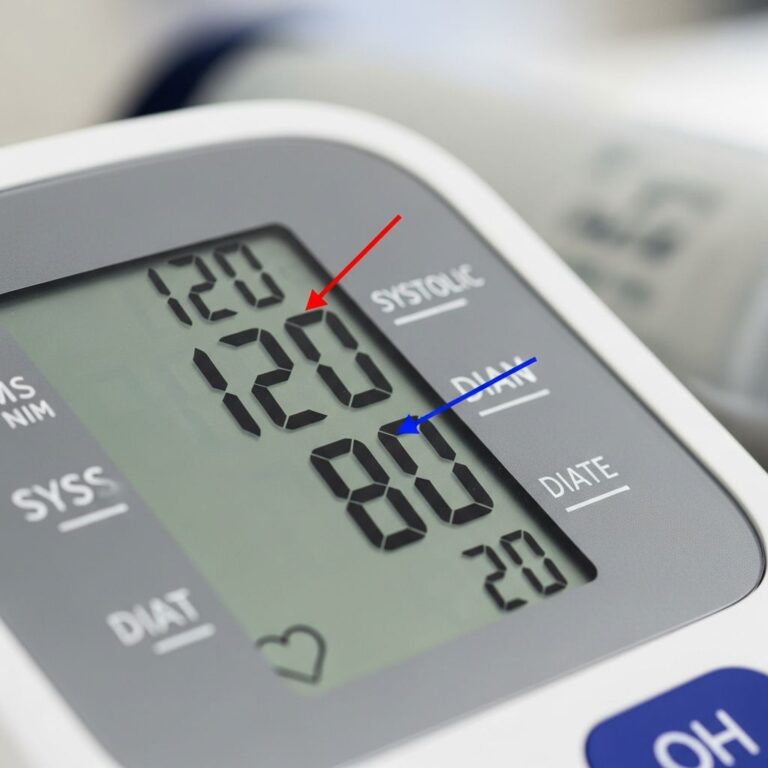
High blood pressure affects nearly half of U.S. adults and heightens risks for stroke, heart failure, and kidney disease. Vulnerable groups include those over 50, with hypertension, diabetes, or African American heritage. Recent guidelines emphasize gradual industry-wide sodium reductions to make lower-sodium options standard.
Top Foods High in Sodium
Many everyday foods pack surprising sodium loads. Here’s a breakdown of major culprits based on CDC and FDA data.
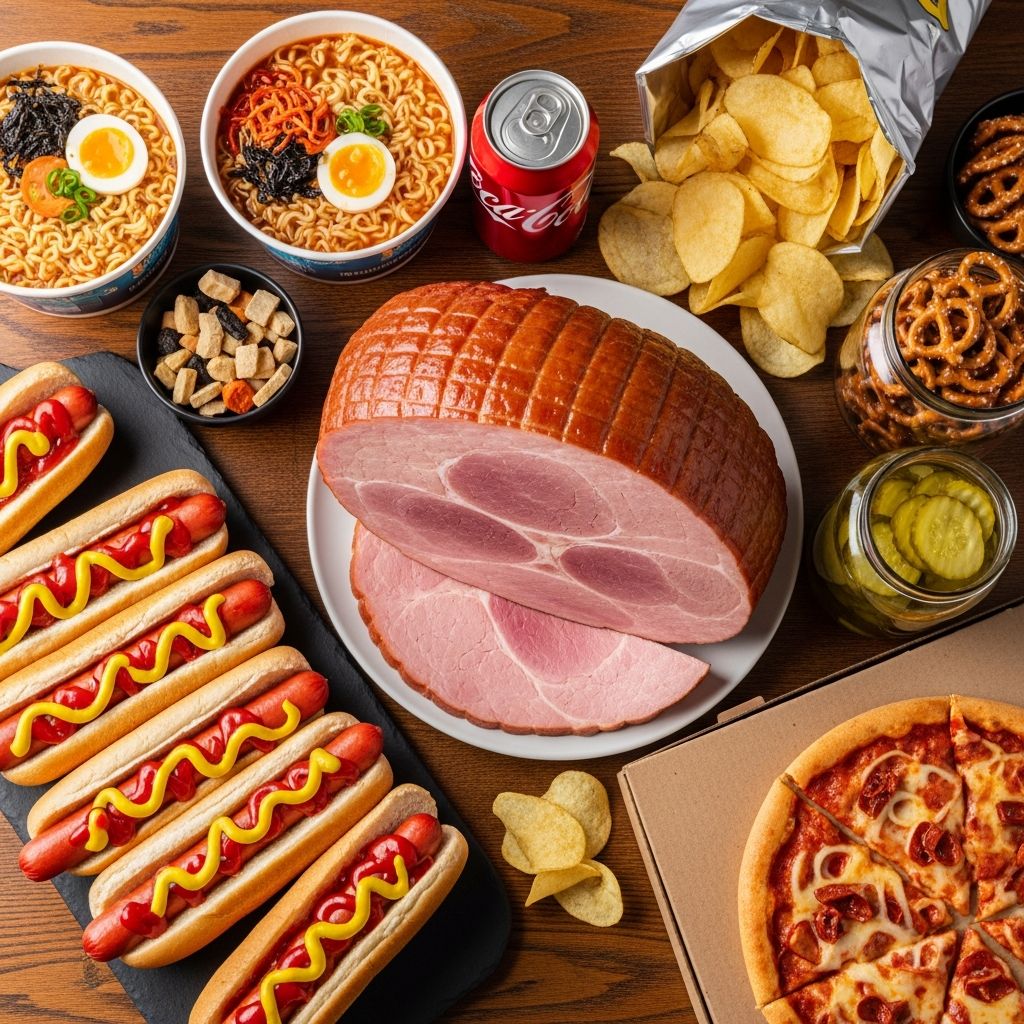
- Deli meats and cured meats: Top contributors; 2 slices of ham or turkey can have 400-1,000 mg. Cold cuts like bologna or salami are preserved with sodium nitrite.
- Pizza: One slice often exceeds 600 mg due to cheese, sauce, and dough. Contributes significantly to youth intake.
- Canned soups and broths: A cup delivers 600-1,000 mg; opt for low-sodium versions at 200 mg.
- Savory snacks (chips, crackers, popcorn): Single servings hit 200-500 mg from flavorings.
- Bread and rolls: A slice contains 150-250 mg; multiples add up quickly despite mild taste.
- Burritos, tacos, and pasta dishes: Restaurant or boxed versions exceed 800 mg per serving.
- Poultry, burgers, and egg dishes: Processed or fast-food preparations boost sodium.
- Condiments (soy sauce, barbecue sauce): 1 tbsp soy sauce has 800-1,000 mg; BBQ sauce half-cup reaches 1,400 mg.
- Canned vegetables, beans, and tuna: 300-500 mg per serving unless low-sodium.
- Frozen meals and boxed mixes: Often 600-1,000 mg; rice, pasta, or stuffing kits are sneaky highs.
Other surprises include vegetable juice (640 mg per cup), pickles (800 mg each), imitation crab (1,000 mg per 3.5 oz), and even some breakfast cereals.
How to Spot High-Sodium Foods Using Nutrition Facts Labels
The Nutrition Facts label is your best tool. Aim for under 100% Daily Value (DV) sodium daily (2,300 mg). Per serving: 5% DV or less is low; 20% or more is high. Always check serving sizes—packages often list smaller portions than typical consumption.
| Label Term | Sodium Amount per Serving |
|---|---|
| Salt/Sodium-Free | Less than 5 mg |
| Very Low Sodium | 35 mg or less |
| Low Sodium | 140 mg or less |
| Reduced Sodium | 25% less than regular |
| Light in Sodium | 50% less than regular |
| No-Salt-Added | No salt added (may still have natural sodium) |
Compare brands and choose those under 140 mg per serving. Ignore taste—non-salty foods like pastries hide sodium.
Health Risks of Too Much Sodium
Beyond blood pressure, excess sodium links to cardiovascular disease, osteoporosis (via calcium loss), kidney strain, and stomach cancer risks. Processed foods dominate intake, amplifying effects even if not ‘salty’. The FDA and CDC push reductions, as current levels exceed safe thresholds for most. Studies show 70% of sodium is in processed items like bread, with home cooking and table salt minor.
12 High-Sodium Foods to Limit or Avoid
Prioritize minimizing these based on average content:
- Imitation krab (1,000+ mg/3.5 oz)
- Soy sauce (800 mg/tbsp)
- Barbecue sauce (1,400 mg/½ cup)
- Large dill pickle (800 mg)
- Pizza slice (600+ mg)
- Canned soup (600+ mg/cup)
- Boxed rice/pasta mixes (800+ mg/serving)
- Frozen foods (600-1,000+ mg)
- Deli meat (440 mg/2 slices)
- Shrimp with sauce (600+ mg)
- Ham (400-500 mg/2 slices)
- Vegetable juice (640 mg/8 oz)
Related Stories



Processed cheese, gravies, and restaurant meals also warrant caution.
Healthy Low-Sodium Swaps
Switch to fresh alternatives:
- Meats: Grill fresh chicken or turkey over deli slices.
- Soups: Homemade broth with herbs.
- Snacks: Unsalted nuts, fresh veggies, or fruit.
- Condiments: Mustard, vinegar, or herbs instead of soy/BBQ.
- Veggies: Fresh/frozen plain or rinsed canned.
- Breads: Whole-grain low-sodium options.
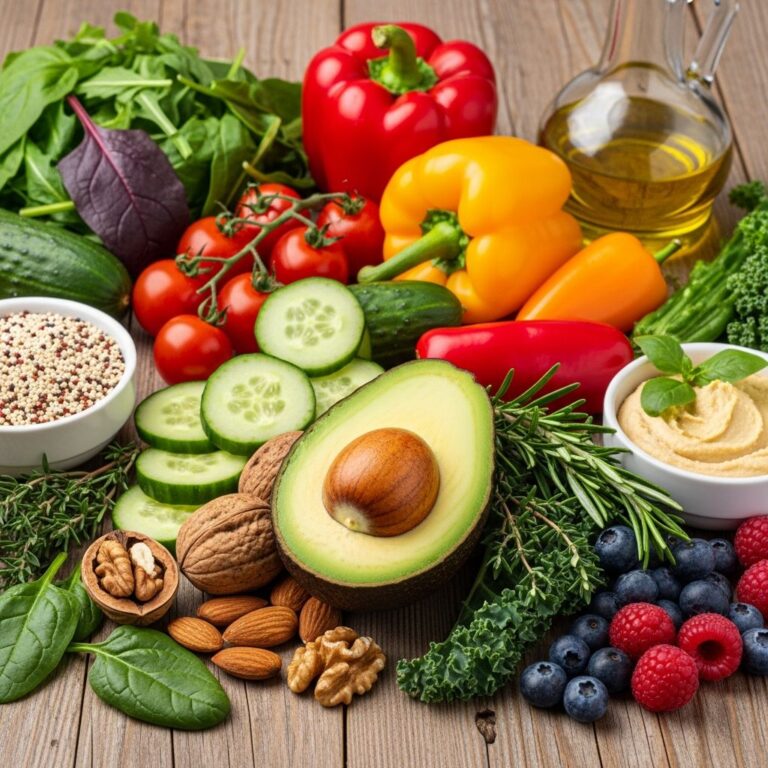
Increase fruits, beans, and grains from scratch to naturally lower sodium while boosting nutrients.
Practical Tips to Cut Sodium Intake
Implement these FDA-recommended strategies:
- Read labels and stick to low-sodium (<140 mg/serving).
- Prepare meals at home; limit packaged sauces/mixes.
- Rinse canned beans, tuna, veggies to remove 30-40% sodium.
- Choose no-salt-added nuts/seeds or raw veggies for snacks.
- Use condiments sparingly; opt for reduced-sodium or oil/vinegar.
- Flavor with spices, lemon, garlic—not salt.
- Eat out less; request no added salt.
Gradual cuts help taste buds adjust in weeks. Track intake via apps for awareness.
Frequently Asked Questions (FAQs)
What is the daily sodium limit?
Less than 2,300 mg; ideally 1,500 mg for high-risk individuals.
Do all salty-tasting foods have high sodium?
No—some non-salty foods like bread do; always check labels.
Can I rinse canned foods to reduce sodium?
Yes, rinsing removes up to 40%.
Are low-sodium products truly low?
Check claims: ‘low’ means ≤140 mg/serving.
How does sodium affect blood pressure?
It causes fluid retention, raising pressure and heart strain.
Final Thoughts on Managing Sodium
Reducing sodium protects heart health without sacrificing flavor. Focus on whole foods, label savvy, and smart swaps for lasting change. Consult a doctor for personalized advice, especially with conditions like hypertension.
References
- Sodium in Your Diet — U.S. Food and Drug Administration (FDA). 2023-10-25. https://www.fda.gov/food/nutrition-education-resources-materials/sodium-your-diet
- 12 High Sodium Foods to Minimize or Avoid — Food and Health Communications. 2022-05-12. https://www.foodandhealth.com/blog-free/highest-sodium-foods
- About Sodium and Health — Centers for Disease Control and Prevention (CDC). 2024-08-15. https://www.cdc.gov/salt/about/index.html
- Dietary Sodium and Health: More Than Just Blood Pressure — National Center for Biotechnology Information (PMC). 2016-11-01. https://pmc.ncbi.nlm.nih.gov/articles/PMC5098396/
- Watch out for these high sodium foods — HonorHealth. 2023-03-20. https://www.honorhealth.com/healthy-living/watch-out-these-high-sodium-foods
Similar Articles








Read full bio of medha deb