Foods High In Tryptophan: Complete Guide For Mood And Sleep
Boost your mood and sleep with these tryptophan-rich foods: from turkey and eggs to seeds and soy.
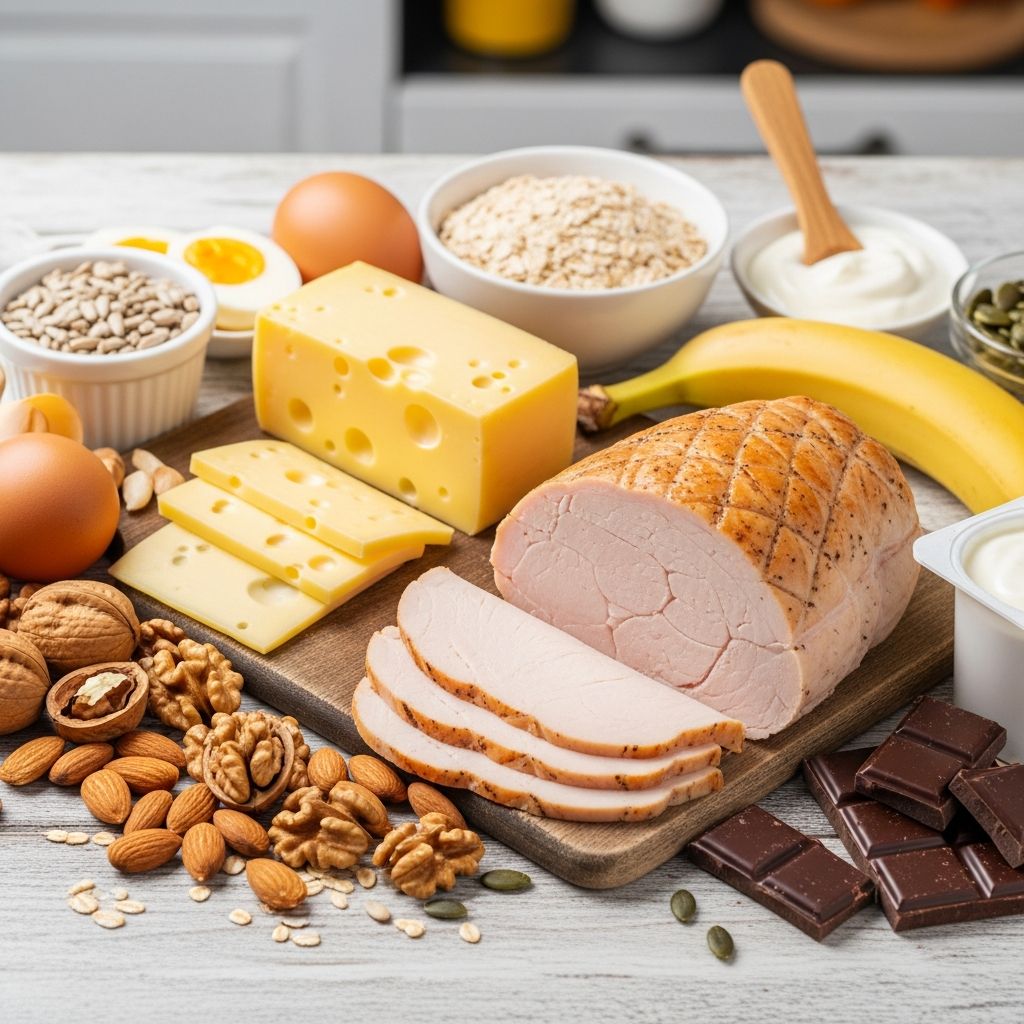
Tryptophan is an essential amino acid that plays a crucial role in producing serotonin and melatonin, hormones vital for mood regulation, sleep quality, and overall well-being. Found naturally in many protein-rich foods, incorporating tryptophan-rich options into your diet can help address deficiencies linked to low mood, insomnia, and anxiety. Unlike supplements, which carry risks like serotonin syndrome when combined with certain medications, dietary sources provide tryptophan alongside other nutrients for balanced absorption. This guide covers the best foods high in tryptophan, their benefits, daily needs, and practical tips.
What Is Tryptophan?
Tryptophan is one of nine essential amino acids the body cannot produce, so it must come from food. It serves as a precursor to serotonin (the ‘feel-good’ neurotransmitter) and melatonin (the sleep hormone). About 95% of serotonin is produced in the gut, influencing digestion, mood, and immunity, while brain serotonin affects happiness and appetite control. Low tryptophan intake may contribute to depression, sleep disorders, and cognitive issues, as studies link it to reduced serotonin synthesis. The recommended daily intake (RDI) is around 280-425 mg for adults, though needs vary by weight (typically 4-5 mg/kg body weight). Factors like vitamin B6, carbs, and exercise enhance tryptophan’s brain uptake by competing with other amino acids.
Health Benefits of Tryptophan
Consuming adequate tryptophan supports multiple health aspects:
- Mood Enhancement: Tryptophan boosts serotonin, alleviating symptoms of depression and anxiety. Research shows 1g daily supplements improve mood in those with low baseline serotonin.
- Better Sleep: Conversion to melatonin promotes deeper sleep cycles. Evening tryptophan-rich meals can reduce sleep latency without grogginess.
- Muscle Recovery and Pain Relief: It aids protein synthesis and may lower pain perception via serotonin pathways.
- Gut Health: Gut serotonin from tryptophan regulates motility and microbiome balance.
- Other Benefits: Potential roles in PMS relief, nicotine withdrawal, and heart health through niacin production.
Always consult a doctor before supplements, especially with SSRIs, due to interaction risks.
Foods High in Tryptophan
Animal products often top the list for bioavailability, but plant-based foods offer excellent vegan alternatives. Below are categorized lists with tryptophan content per typical serving, drawn from reliable nutrition databases. Aim for 300-500mg daily through varied sources.
Meats and Poultry
These provide highly absorbable tryptophan alongside B vitamins and iron.
- Turkey breast (3 oz): 214-687mg (up to 245% RDI) – Classic holiday choice for its complete protein profile.
- Chicken breast (6 oz): 687mg (245% RDI) – Lean and versatile for meals.
- Pork roast (3 oz): 238mg – Rich in B6 for better conversion.
- Beef roast/stew (3 oz): 229-316mg – Grass-fed options add omega-3s.
- Lamb roast (3 oz): 353mg (126% RDI) – Highest in some meats.
Fish and Seafood
Omega-3 rich options double benefits for brain health.
- Salmon (Atlantic, 3 oz): 211-252mg – Supports heart and mood.
- Tuna (canned white, 3 oz): 252mg – Convenient pantry staple.
- Lobster (3 oz): 248-313mg (112% RDI) – Premium source.
- Snapper (3 oz): 250mg – Mild flavor for easy eating.
- Crab (3 oz): 192-281mg – Low-calorie delight.
- Oysters (3 oz): 90-180mg – Zinc bonus for immunity.
- Sardines (1 cup): 411mg (147% RDI) – Budget-friendly canned.
Dairy and Eggs
Complete proteins with calcium for bone health.
- Eggs (1 large): 83mg – Yolks provide B vitamins.
- Mozzarella cheese (1 oz): 146-160mg – Snackable and satisfying.
- Cheddar cheese (1 oz): 90-160mg – Pairs with fruits.
- Whole milk (1 cup): 107mg – Bedtime warmer.
- 2% milk (1 cup): 120mg – Everyday essential.
- Yogurt (low-fat, 8 oz): 68mg – Probiotic synergy.
Related Stories



Nuts and Seeds (Top Plant Sources)
Vegan powerhouses, high in healthy fats and fiber.
- Pumpkin seeds (1 oz): 163-190mg – Snack or salad topper.
- Chia seeds (1 oz): 124-125mg – Pudding base.
- Sunflower seeds (1 oz): 115mg – Trail mix favorite.
- Sesame seeds (1 oz): 130mg – Tahini for dressings.
- Flax seeds (1 tbsp): 31-84mg – Smoothie add-in.
- Cashews (1 oz): 81mg – Creamy and crunchy.
- Pistachios (1 oz): 71mg – Heart-healthy.
- Peanuts (1 oz): 65mg – Affordable staple.
Legumes and Soy
Fiber-rich for sustained energy.
- Tofu (1/2 cup): 296mg – Versatile meat sub.
- Soybeans/edamame (1 cup): 270-600mg – Steamed snack.
- Lentils (1 cup): 160-220mg – Soup star.
- White beans (1 cup): 206mg – Hearty salads.
- Kidney beans (1 cup): 198mg – Chili essential.
Grains
- Quinoa (1 cup): 284-96mg – Pseudo-grain complete protein.
- Oats (1 cup): 147mg – Breakfast boost.
- Buckwheat (1 cup): 82mg – Gluten-free option.
Vegetables and Fruits
Lower amounts but nutrient-dense.
- Sweet potatoes (1 cup): 92mg – Baked delight.
- Spinach (1 cup cooked): 72mg – Serotonin booster.
- Broccoli (1 cup): 53mg – Versatile veggie.
- Banana (1 medium): 11mg – Portable with carbs.
Tryptophan Content Table
| Food | Serving Size | Tryptophan (mg) | % RDI (approx.) |
|---|---|---|---|
| Chicken Breast | 6 oz | 687 | 245% |
| Soybeans | 1 cup | 600 | 214% |
| Turkey Breast | 3 oz | 687 | 245% |
| Pumpkin Seeds | 1 oz | 163 | 58% |
| Salmon | 3 oz | 252 | 90% |
| Tofu | 1/2 cup | 296 | 106% |
| Quinoa | 1 cup | 284 | 101% |
| Egg (large) | 1 | 83 | 30% |
(RDI based on 280mg average adult. Sources: .)
How to Get More Tryptophan in Your Diet
Pair tryptophan with carbs (e.g., turkey sandwich) to spike insulin and clear competing amino acids. Include B6 sources like bananas or potatoes. Sample day: Breakfast oats with chia (200mg), lunch salmon salad (250mg), dinner tofu stir-fry (300mg), snack pumpkin seeds (160mg) – totals ~900mg. Vegans: Focus on soy, seeds, quinoa. Limit processed foods that deplete nutrients.
Potential Risks and Considerations
Dietary tryptophan is safe, but supplements caused eosinophilia-myalgia syndrome in the 1980s due to contamination (now resolved with purity standards). Excess (over 6g/day) may cause nausea. Those with liver/kidney issues or on antidepressants should monitor intake. Pregnant individuals: Stick to food sources.
Frequently Asked Questions (FAQs)
What foods are highest in tryptophan?
Chicken, turkey, soybeans, pumpkin seeds, and salmon top the list, providing over 200% RDI per serving.
Does tryptophan make you sleepy?
Yes, via melatonin; turkey’s fame stems from high tryptophan plus carbs and protein at Thanksgiving.
Are there vegan tryptophan sources?
Absolutely: tofu, seeds (pumpkin, chia), soy, quinoa, and lentils offer ample amounts.
How much tryptophan do I need daily?
280-425mg for adults; easily met with 3-4 servings of listed foods.
Can tryptophan help with depression?
It supports serotonin production; studies show benefits, but not a substitute for therapy/medication.
References
- Foods High in Tryptophan — WebMD. 2023. https://www.webmd.com/diet/foods-high-in-tryptophan
- Top 10 Foods Highest in Tryptophan — MyFoodData. 2024. https://www.myfooddata.com/articles/high-tryptophan-foods.php
- Top Ten Foods High in Tryptophan — VeganDiet Amsterdam. 2023. https://vegandiet.amsterdam/article/top-ten-foods-high-in-tryptophan/
- What Is Tryptophan? — Sleep Foundation. 2024-10-01. https://www.sleepfoundation.org/nutrition/what-is-tryptophan
- Tryptophan — MedlinePlus (NIH). 2024. https://medlineplus.gov/ency/article/002332.htm
- Analysis, Nutrition, and Health Benefits of Tryptophan — PMC (NIH). 2018-09-27. https://pmc.ncbi.nlm.nih.gov/articles/PMC6158605/
Similar Articles








Read full bio of Sneha Tete