Foods High In Vitamin D: A Complete Guide For 2025
Discover the best natural food sources of vitamin D to support bone health and immunity.
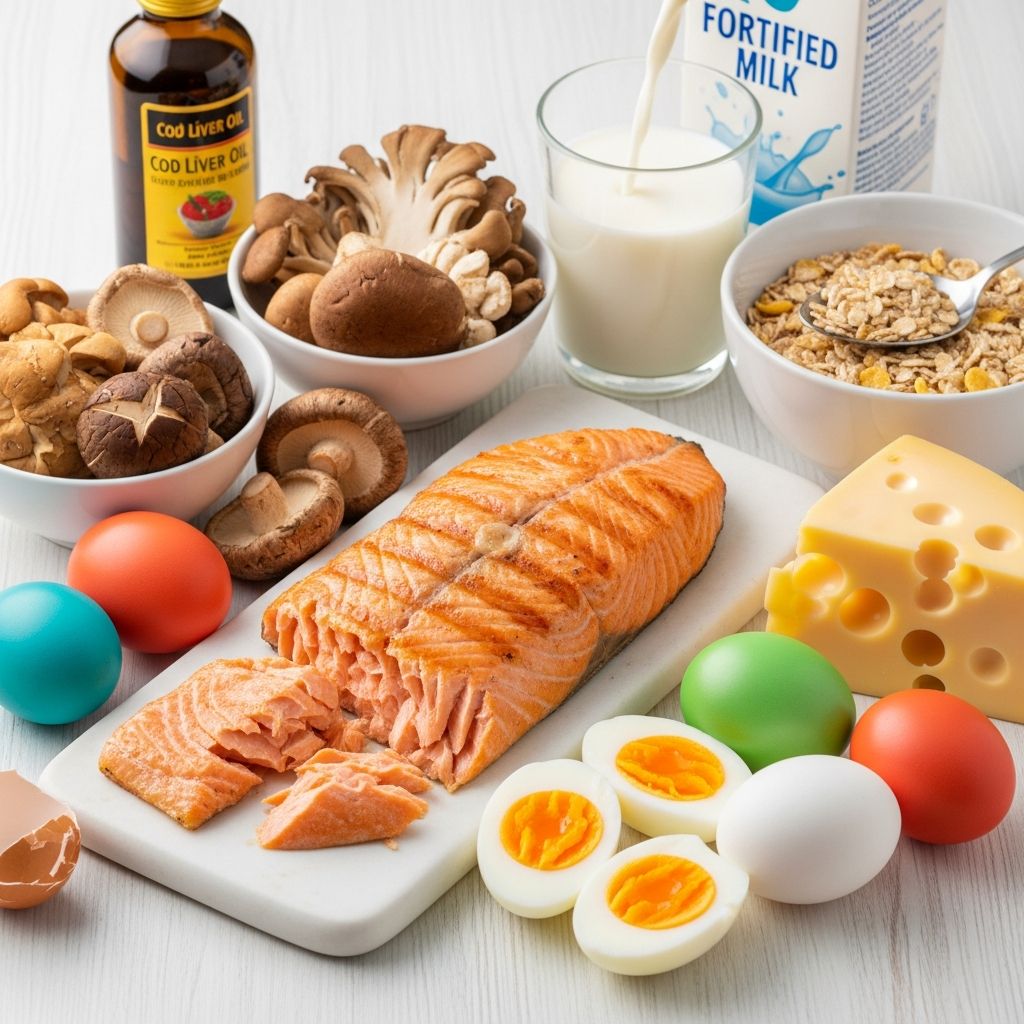
Foods High in Vitamin D: A Comprehensive Guide
Vitamin D is an essential nutrient that plays a crucial role in calcium absorption, bone health, immune function, and overall wellness. While your body can produce vitamin D through sunlight exposure, obtaining adequate amounts through diet is equally important, especially for those with limited sun exposure. This guide explores the best dietary sources of vitamin D to help you meet your daily nutritional needs.
Why Vitamin D Matters
Vitamin D is a fat-soluble vitamin that works synergistically with calcium to maintain strong bones and teeth. Beyond skeletal health, vitamin D supports immune system function, reduces inflammation, and plays a role in mood regulation and cognitive function. The recommended daily intake for adults is 10 micrograms (400 IU), though requirements may vary based on age, location, and sun exposure patterns.
Fatty Fish: Nature’s Richest Source
Fatty fish stands as one of the most abundant natural sources of vitamin D. These fish accumulate vitamin D in their flesh and liver oils, making them nutritional powerhouses for those seeking to increase their intake.
Salmon
Salmon is renowned for its exceptional vitamin D content. A 3-ounce serving of wild-caught salmon provides between 383 to 570 IU of vitamin D, depending on the variety and whether it is wild-caught or farmed. Canned sockeye salmon delivers approximately 18 micrograms per serving, making it a convenient option for quick meals. Beyond vitamin D, salmon offers heart-healthy omega-3 fatty acids that support cardiovascular and cognitive health, making it a truly beneficial addition to your diet.
Mackerel
Mackerel is another excellent fatty fish option, providing nearly 500 IU of vitamin D per 3.5-ounce serving, which represents approximately 65% of the daily value. This fish is also packed with high-quality protein and omega-3 fatty acids. Its rich, distinctive flavor makes it a favorite in many cuisines, though some find it an acquired taste.
Herring
Herring, available fresh, pickled, or smoked, is a versatile source of vitamin D, providing up to 306 IU per filet. Fresh Atlantic herring delivers 167 IU per 3.5-ounce serving, while pickled herring provides 113 IU per serving. However, pickled varieties contain significantly higher sodium levels (870 mg per serving), so moderation is advisable for those monitoring salt intake. Herring is a staple in Scandinavian and Eastern European cuisines and complements traditional preparations beautifully.
Sardines
Canned sardines represent a cost-effective and nutrient-dense option. A 3.5-ounce serving provides approximately 193 to 331 IU of vitamin D, depending on the packing medium. Sardines are also rich in omega-3 fatty acids and high-quality protein, making them an economical choice for health-conscious consumers. They are easily incorporated into salads, pastas, and sandwich preparations.
Canned Tuna
Canned tuna is widely available and convenient, providing approximately 269 IU of vitamin D per 3.5-ounce serving. Light tuna canned in water contains around 231 IU per 3-ounce serving. As an affordable staple, tuna can be readily added to sandwiches, salads, and pasta dishes, making it simple to incorporate into daily meals. Tuna also supplies omega-3 fatty acids beneficial for heart and brain health.
Related Stories



Other Fatty Fish
Additional fatty fish options include trout, halibut, flounder, and tilapia, each contributing meaningful amounts of vitamin D. Halibut provides 190 IU per 3.5-ounce serving, while flounder and tilapia offer 118 and 127 IU respectively. These alternatives provide flexibility for varied meal planning and dietary preferences.
Cod Liver Oil: A Concentrated Supplement
For those who dislike consuming fish, cod liver oil offers a concentrated source of vitamin D. A single teaspoon (4.9 mL) provides approximately 450 IU of vitamin D, representing 56% of the daily value. Cod liver oil also supplies vitamin A and omega-3 fatty acids, supporting vision, immune function, and cardiovascular health. Its strong flavor may not appeal to everyone, but the nutritional benefits are substantial.
Mushrooms: The Vegetarian Option
Mushrooms possess a unique ability to synthesize vitamin D when exposed to ultraviolet light, making them an excellent vegetarian and vegan source of this essential nutrient.
Wild Mushrooms
Wild mushrooms such as morels naturally contain vitamin D due to their exposure to sunlight during growth. One cup of morel mushrooms contains 136 IU of vitamin D, providing approximately 17% of the daily value. Other wild varieties like maitake and chanterelle are particularly rich in vitamin D, with maitake mushrooms containing over 1000 IU per 100 grams.
UV-Treated Mushrooms
Commercially grown mushrooms treated with ultraviolet light offer significantly higher vitamin D content. Cremini mushrooms exposed to UV light contain 1100 IU per cup, delivering 139% of the daily value. Portabella mushrooms also benefit from UV treatment, providing 8 micrograms per 3-ounce serving. This treatment method allows growers to enhance the nutritional profile of cultivated mushrooms, making them comparable to wild varieties.
Egg Yolks: A Accessible Source
Eggs, particularly the yolks, contain vitamin D naturally, making them an accessible option for most diets. While the amount per egg is modest, regular egg consumption contributes to overall vitamin D intake. Eggs also provide high-quality protein, choline, and lutein, supporting multiple aspects of health.
Beef Liver and Organ Meats
Beef liver ranks among the richest sources of vitamin D among organ meats. A 100-gram serving of beef liver contains approximately 50 IU of vitamin D, though cooked beef liver (3 ounces) provides about 42 IU or roughly 5% of the daily value. Beyond vitamin D, beef liver is exceptionally rich in iron, vitamin A, and B vitamins, particularly B12. Due to its nutrient density, liver is best consumed occasionally rather than daily. For those uncomfortable with the texture, liver pâté offers a more palatable preparation method.
Dairy and Dairy Alternatives
Natural dairy products contain modest amounts of vitamin D, while fortified varieties provide more substantial amounts.
Fortified Milk
Milk fortified with vitamin D is a primary source for many people. Standard fortification ensures adequate vitamin D content in both conventional dairy milk and plant-based alternatives including almond milk, soy milk, and oat milk. Choosing fortified options significantly increases vitamin D intake.
Cheese
Among cheese varieties, Swiss cheese contains notably higher vitamin D levels, offering approximately 6 IU per slice. Ricotta cheese also stands out among dairy products, providing approximately 13 IU of vitamin D per half-cup serving due to its specific processing methods. Both cheeses supply additional calcium and protein, enhancing their nutritional value.
Yogurt
Fortified yogurts contribute to vitamin D intake, particularly when specifically labeled as fortified with this nutrient. Plain and flavored varieties both offer this benefit depending on manufacturer fortification practices.
Fortified Foods and Beverages
Food fortification represents a deliberate addition of vitamin D to products that do not naturally contain significant amounts. These foods have become increasingly important for meeting daily requirements, particularly in regions with limited sunlight.
- Orange juice fortified with vitamin D
- Breakfast cereals enriched with vitamin D
- Plant-based milk alternatives including almond, soy, and oat milk
- Fortified butter and margarine spreads
- Fortified yogurts and dairy products
Checking product labels ensures you select fortified varieties, as not all products in a category contain added vitamin D. Fortified foods provide a practical solution for those with dietary restrictions or limited access to natural sources.
Red Meat and Other Sources
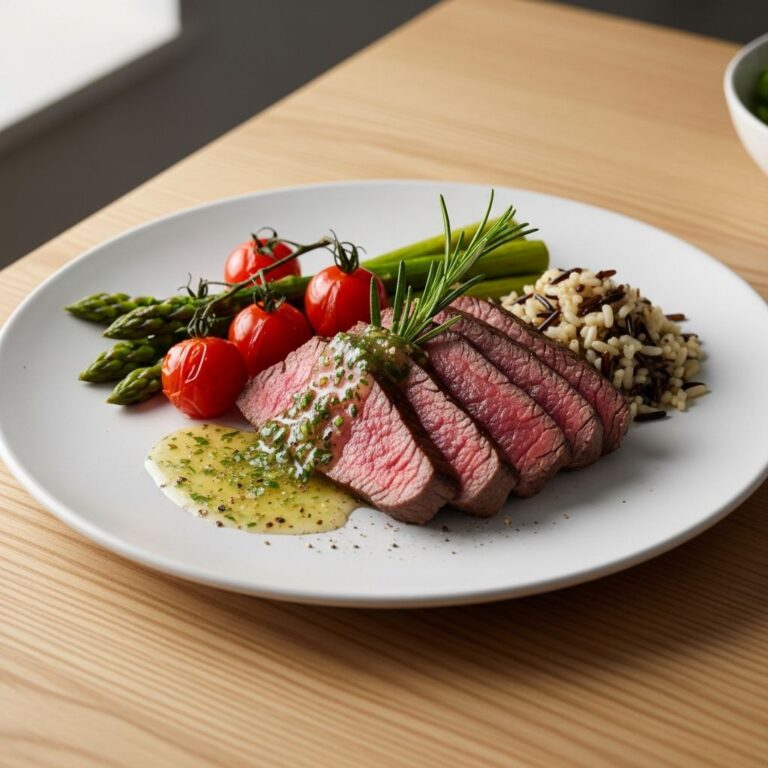
While not exceptional sources, lean red meats contribute small amounts of vitamin D to the diet. The vitamin D content in beef depends on the cut and preparation method, with organ meats providing more than muscle meats.
Vitamin D and Calcium: Working Together
Vitamin D’s primary function involves facilitating calcium absorption in the intestines. Without adequate vitamin D, the body cannot effectively absorb dietary calcium, compromising bone health regardless of calcium intake. For optimal skeletal health, ensure both nutrients are present in sufficient quantities. Many vitamin D-rich foods, particularly dairy products and fortified options, also provide calcium, creating synergistic nutritional benefits.
Meeting Your Daily Requirements
The recommended daily intake of vitamin D for adults is 10 micrograms (400 IU). However, individual needs vary based on age, geographic location, skin tone, clothing habits, and sun exposure patterns. Those living in northern climates, spending limited time outdoors, or regularly wearing sun protection may require supplementation or increased dietary intake. Consulting with healthcare providers helps determine appropriate vitamin D levels for your specific circumstances.
Tips for Incorporating Vitamin D Foods
- Include fatty fish in your diet at least twice weekly, varying between salmon, mackerel, sardines, and tuna
- Choose UV-treated mushrooms when shopping, as they offer superior vitamin D content compared to standard varieties
- Select fortified milk and plant-based alternatives as your primary beverage
- Incorporate eggs into breakfast preparations regularly
- Include fortified cereals, orange juice, and yogurts in your daily routine
- Consider cod liver oil supplements if fish consumption is limited
- Expose mushrooms to sunlight briefly before consumption to naturally enhance vitamin D content
Frequently Asked Questions
Q: Can I get sufficient vitamin D from food alone?
A: While food sources contribute significantly, obtaining adequate vitamin D from diet alone can be challenging, particularly in northern climates or for individuals with limited sun exposure. Most nutrition experts recommend a combination of dietary sources, sunlight exposure, and potentially supplements to achieve optimal vitamin D levels.
Q: Is there a difference between vitamin D in fish and fortified foods?
A: The body utilizes vitamin D from natural sources and fortified foods similarly. However, natural sources in fatty fish often come packaged with beneficial omega-3 fatty acids and other nutrients, providing additional health benefits beyond vitamin D alone.
Q: How much vitamin D is too much?
A: The upper tolerable limit for vitamin D supplementation is 4000 IU daily for most adults. Excessive vitamin D can lead to hypercalcemia (elevated blood calcium), causing kidney damage and other health complications. Food sources alone rarely cause toxicity due to natural limitations in consumption quantities.
Q: Are canned fish as nutritious as fresh fish for vitamin D?
A: Yes, canned fish retains vitamin D content comparable to fresh fish. Canned varieties offer convenience and are often more economical, making them a practical choice for regular consumption. The canning process does not significantly deplete vitamin D content.
Q: Do mushrooms need direct sunlight to produce vitamin D?
A: Mushrooms produce vitamin D when exposed to ultraviolet (UV) light. Brief exposure to direct sunlight or specific UV light treatment significantly increases their vitamin D content. Commercially available UV-treated mushrooms offer convenient options for those without access to wild varieties.
Q: What is the best vitamin D food for vegans?
A: UV-exposed mushrooms and fortified plant-based milk alternatives represent the best vegan options. Fortified cereals and plant-based yogurts also contribute meaningfully. Algae-derived supplements offer another vegan-friendly alternative.
References
- Food Sources of Vitamin D — U.S. Department of Agriculture, Dietary Guidelines for Americans. 2024-08. https://www.dietaryguidelines.gov/sites/default/files/2024-08/Food-Sources-Vitamin-D-Standard-508C.pdf
- Vitamin D – Health Professional Fact Sheet — National Institutes of Health, Office of Dietary Supplements. https://ods.od.nih.gov/factsheets/VitaminD-HealthProfessional/
- Vitamin D — Harvard T.H. Chan School of Public Health, The Nutrition Source. https://nutritionsource.hsph.harvard.edu/vitamin-d/
- 9 Healthy Foods That Are High in Vitamin D — Healthline, Reviewed by Kim Rose-Francis RDN, CDCES, LD. 2026-01-04. https://www.healthline.com/nutrition/9-foods-high-in-vitamin-d
- Top 5 Foods With Vitamin D (And Why Your Skin Might Thank You) — ISDIN. https://www.isdin.com/us/blog/lifestyle/top-5-foods-that-contain-vitamin-d/
- Which foods are high in vitamin D? — British Heart Foundation. https://www.bhf.org.uk/informationsupport/heart-matters-magazine/nutrition/ask-the-expert/foods-high-in-vitamin-d
Similar Articles








Read full bio of medha deb