Foods High In Zinc: 10 Best Sources For Immune Health
Boost your intake of this essential mineral with oysters, meats, legumes, nuts, seeds, and more for immune support and overall health.
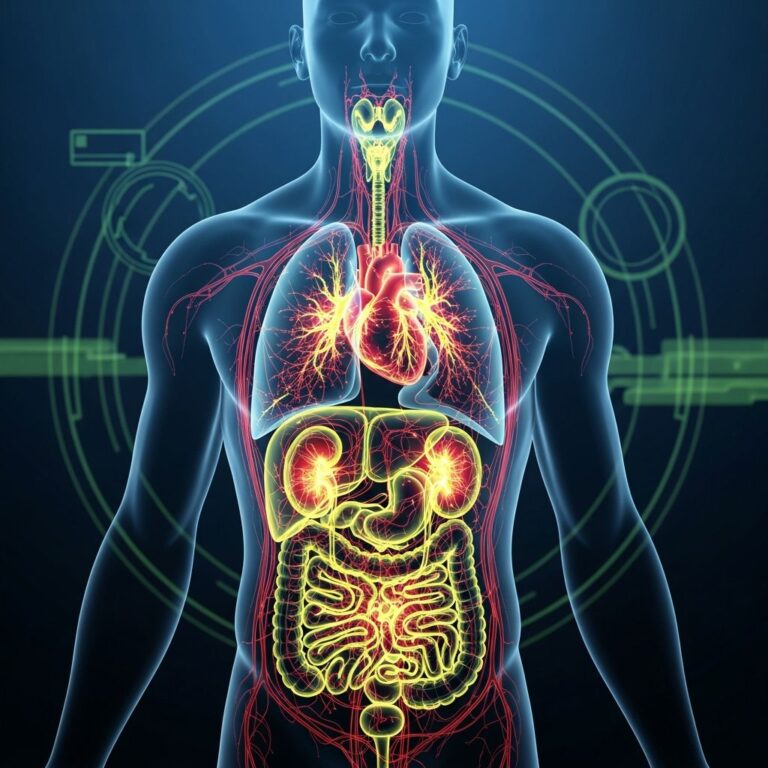
Zinc is an essential trace mineral vital for immune function, wound healing, DNA synthesis, and cell division. The body cannot produce zinc, so it must be obtained through diet or supplements, with oysters, meats, seafood, legumes, nuts, and seeds serving as top sources.
What Is Zinc and Why Do You Need It?
Zinc plays a crucial role in over 300 enzymatic reactions in the body, supporting immune cell development, protein synthesis, and antioxidant activity. It is particularly important for maintaining skin integrity, taste and smell senses, and reproductive health. Deficiency can lead to impaired immune response, hair loss, diarrhea, and delayed wound healing, especially in vegetarians, pregnant individuals, and those with gastrointestinal disorders due to lower absorption from plant sources containing phytates.
Adults require 11 mg daily for men and 8 mg for women, increasing to 11-12 mg during pregnancy and lactation. Children and infants have lower needs, ranging from 2-5 mg. Most people meet requirements through diet, but bioavailability varies: animal sources offer higher absorption (20-40%) compared to plant sources (10-20%) due to inhibitors like phytates in grains and legumes.
How Much Zinc Do You Need?
Recommended Dietary Allowances (RDAs) for zinc are established by health authorities to prevent deficiency while avoiding toxicity. The upper limit is 40 mg daily for adults to prevent nausea, vomiting, and copper interference.
| Age Group | Male (mg/day) | Female (mg/day) |
|---|---|---|
| Birth to 6 months | 2 | 2 |
| 7-12 months | 3 | 3 |
| 1-3 years | 3 | 3 |
| 4-8 years | 5 | 5 |
| 9-13 years | 8 | 8 |
| 14-18 years | 11 | 9 |
| 19+ years | 11 | 8 |
| Pregnancy (14-18) | – | 12 |
| Pregnancy (19+) | – | 11 |
| Lactation (14-18) | – | 13 |
| Lactation (19+) | – | 12 |
Data sourced from NIH Office of Dietary Supplements.
Foods High in Zinc
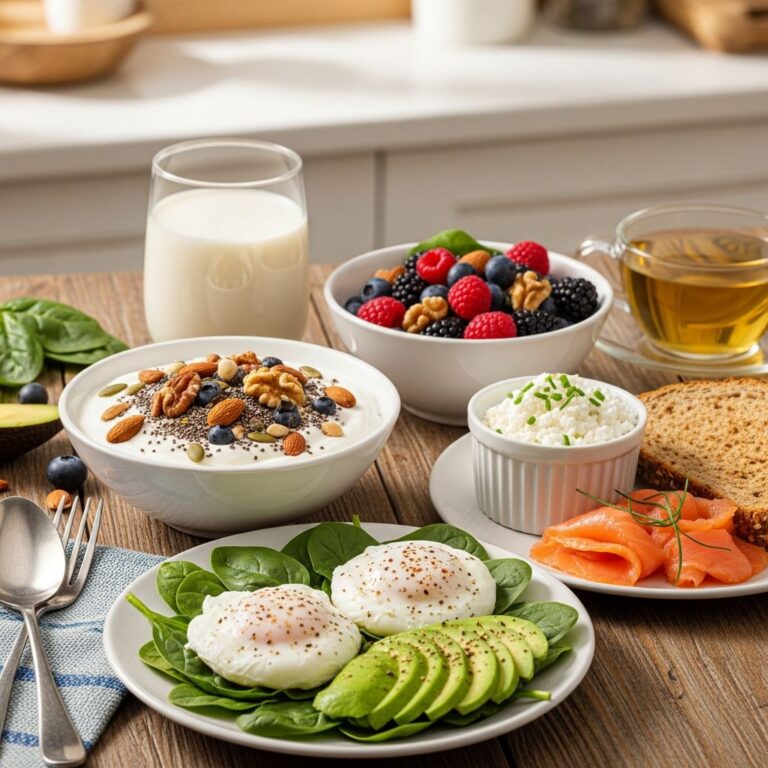
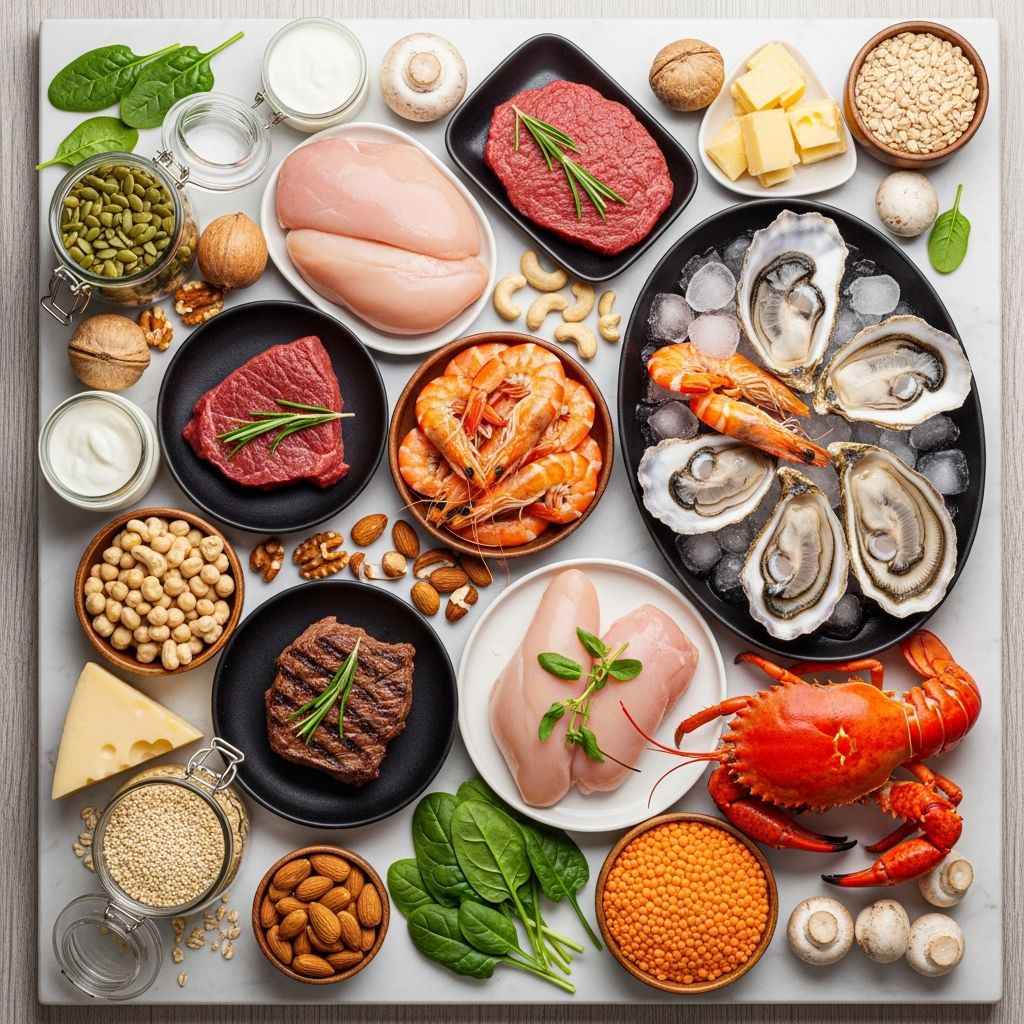
Animal-based foods like oysters, beef, and crab provide the highest zinc concentrations with optimal bioavailability. Plant options such as legumes, nuts, seeds, and whole grains contribute significantly but may require larger portions due to absorption challenges.
1. Oysters
Oysters top the list as the richest zinc source, with 3 ounces of cooked Pacific oysters delivering 28.2 mg (256% DV) and Eastern farmed raw oysters providing 32 mg (291% DV). A study confirms oysters average 703.5 mg/kg, far exceeding other foods.
2. Crab
Cooked Alaskan king crab offers 6.48 mg per 3-ounce serving (59% DV), making it a shellfish standout for zinc alongside its low-fat profile.
3. Beef
Beef chuck roast provides 8.44 mg per 3-ounce serving. Bottom sirloin steak yields high amounts, contributing significantly to U.S. zinc intakes as beef is widely consumed.
4. Pork
A 4-ounce pork chop contains 2 mg of zinc, with overall pork averaging 19.71 mg/kg in dietary analyses.
5. Lobster
Spiny lobster supplies 6.18 mg per 3-ounce cooked serving, complementing other seafood for zinc-rich meals.
6. Legumes (Chickpeas, Beans)
Chickpeas offer 1.5 mg per 100 grams, kidney beans 0.9 mg per half-cup. Pulses like soybeans (39.13 mg/kg), mung beans (36.33 mg/kg), and peanuts (39.56 mg/kg) are plant leaders.
Related Stories



7. Nuts (Cashews)
Cashews provide 3 mg per 50 grams. Nuts generally support zinc intake as convenient snacks.
8. Oats and Whole Grains
Half a cup of oats delivers 1.5 mg, though phytates reduce absorption. Rice and cereals exceed 10 mg/kg in some analyses.
9. Seeds (Hemp, Pumpkin, Sesame)
Hemp seeds give nearly 3 mg per 3 tablespoons, pumpkin seeds 2.2 mg per ounce, sesame 0.6 mg per tablespoon.
10. Tofu
To tofu contains 1.8 mg per 4 ounces (9.51 mg/kg), ideal for plant-based diets as a protein alternative.
Other Notable Sources
- Poultry and Eggs: Moderate zinc, over 10 mg/kg in some eggs.
- Dairy: High-zinc milk powder at 58.63 mg/kg; regular dairy contributes.
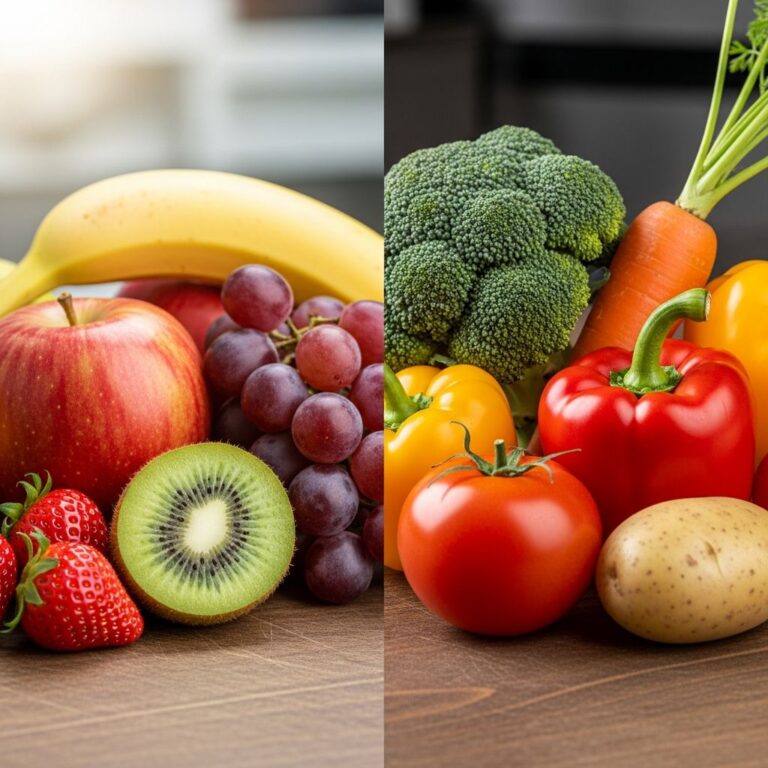
- Vegetables: Lower levels, e.g., bell peppers (1.46 mg/kg), broad beans (3.85 mg/kg), but below 10 mg/kg generally.
Zinc Absorption and Bioavailability
Animal proteins enhance zinc uptake by countering phytates in plants. Vegetarians may need 50% more zinc. Cooking, soaking, or fermenting legumes/grains improves absorption.
Health Benefits of Zinc
- Immune Support: Essential for T-cell function and pathogen defense.
- Wound Healing: Promotes collagen synthesis and epithelial repair.
- Growth and Development: Critical for DNA/RNA synthesis in children.
- Skin Health: Treats acne and dermatitis.
Signs of Zinc Deficiency and Toxicity
Deficiency symptoms include loss of appetite, impaired taste, slow growth, and frequent infections. Risk groups: vegans, alcoholics, elderly. Excess (>40 mg/day) causes copper deficiency, immune suppression.
Zinc Supplements
Supplements like gluconate or citrate (15-30 mg) aid deficiency but consult professionals to avoid interactions with antibiotics or diuretics.
Frequently Asked Questions (FAQs)
What are the best food sources of zinc?
Oysters, beef, crab, lobster, legumes, nuts, seeds, and tofu are top sources, with oysters providing the highest amounts per serving.
Can you get enough zinc from a vegan diet?
Yes, via legumes, nuts, seeds, and fortified foods, but increase intake by 50% due to lower bioavailability from phytates.
How much zinc is too much?
Upper limit is 40 mg/day for adults; excess may cause nausea and mineral imbalances.
Does cooking affect zinc content?
Minimal loss; methods like soaking reduce phytates, enhancing absorption from plants.
Who is at risk for zinc deficiency?
Pregnant women, vegetarians, elderly, and those with gut disorders.
References
- Foods High in Zinc and Why You Need It — WebMD. 2023. https://www.webmd.com/diet/foods-high-in-zinc
- Zinc contents in foods and estimates of dietary intakes in Guangzhou residents, China — Frontiers in Nutrition. 2024-05-27. https://www.frontiersin.org/journals/nutrition/articles/10.3389/fnut.2024.1364033/full
- Zinc – Health Professional Fact Sheet — NIH Office of Dietary Supplements (ods.od.nih.gov). 2023-04-03. https://ods.od.nih.gov/factsheets/Zinc-HealthProfessional/
Similar Articles








Read full bio of Sneha Tete