Foods Higher in Antioxidants Than Cranberries
Discover the most antioxidant-rich foods that outpace cranberries for optimal health.
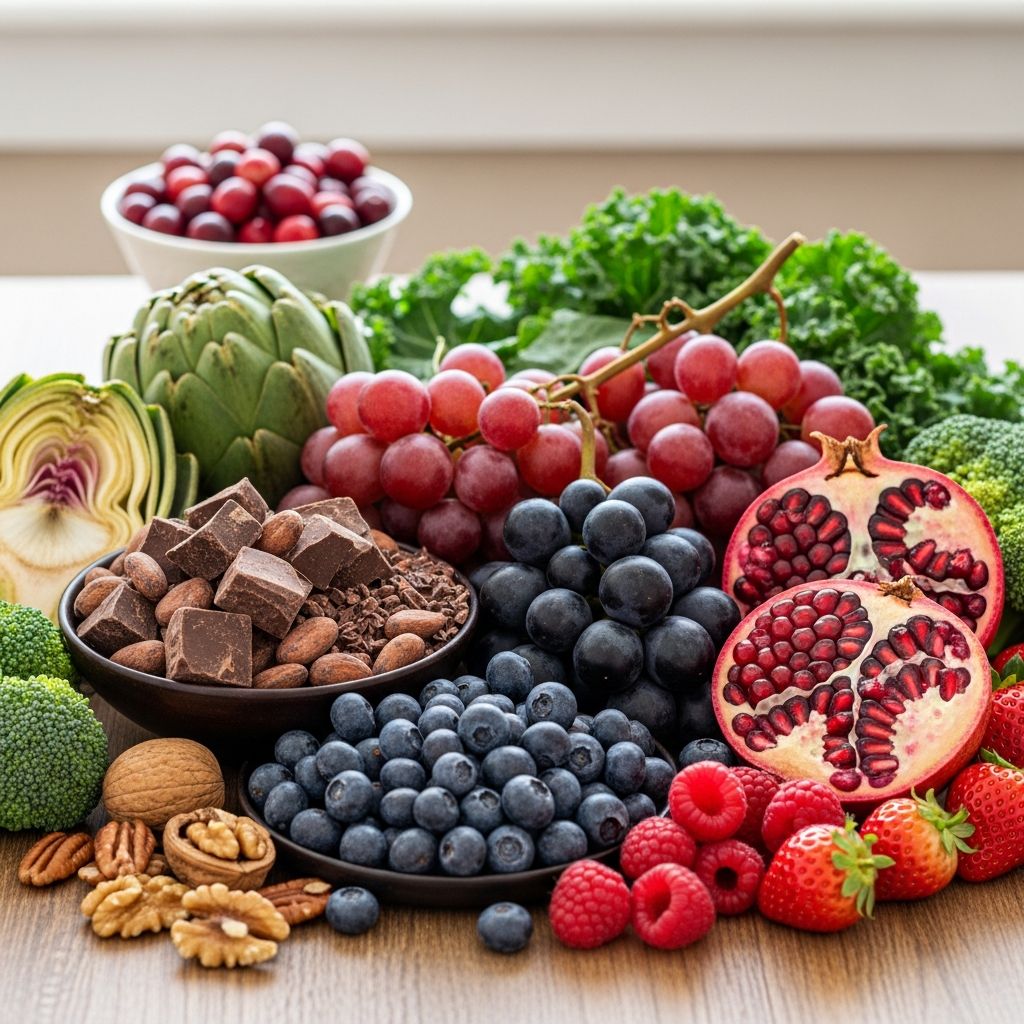
Cranberries have long been celebrated as an antioxidant powerhouse, but they’re far from alone in the nutritional spotlight. While cranberries rank among the fruits studied for antioxidant levels, numerous other foods actually contain significantly higher concentrations of these protective compounds. Understanding which foods surpass cranberries in antioxidant content can help you optimize your diet for better health outcomes, disease prevention, and cellular protection.
Understanding Antioxidants and Their Role
Antioxidants are molecules that combat free radicals—unstable atoms that can damage cells and contribute to aging and disease. These protective compounds are primarily found in plant-based foods, where they exist as phytochemicals, flavonoids, anthocyanins, carotenoids, and other beneficial compounds. Research shows that plant-based foods have anywhere from 5 to 33 times higher antioxidant content than meat and animal products.
Top Berries That Exceed Cranberry Antioxidant Levels
Wild Blueberries
When it comes to antioxidant-rich berries, wild blueberries consistently rank at or near the top of comprehensive food studies. These small but mighty berries contain powerful anthocyanins and other flavonoid compounds that provide their deep blue color and potent health benefits. The antioxidant density in wild blueberries is particularly high, making them an excellent choice for those seeking maximum nutritional benefit per serving.
Blackberries and Raspberries
Blackberries and raspberries are among the highest-ranking fruits in antioxidant studies. Like blueberries, these berries derive their rich coloring from anthocyanins and other polyphenolic compounds. Both fresh and frozen varieties retain their antioxidant properties, making them convenient options year-round. Their combination of fiber, vitamins, and antioxidants makes them nutritional superstars.
Açaí Berries
Açaí berries, though less commonly consumed than other berry varieties, pack exceptional antioxidant density. When consumed as juice, açaí berries may increase blood antioxidant levels and reduce chemicals involved in oxidative stress. These tropical berries are increasingly available in frozen and powdered forms.
Nuts and Seeds: Concentrated Antioxidant Sources
Nuts and seeds represent some of nature’s most concentrated sources of antioxidants. Many nuts contain phytochemicals—plant compounds that act as powerful antioxidants with additional anti-inflammatory effects.
Pecans and Walnuts
Among all nuts, pecans rank among the highest in antioxidants, with walnuts and chestnuts close behind. In comprehensive food studies, walnuts with their pellicle (skin) intact showed antioxidant values reaching 33.3 mmol/100g, while pecans averaged 8.5 mmol/100g. These nuts also provide fiber for gut health, support heart health, and help regulate blood sugar levels.
Other Antioxidant-Rich Nuts
Additional nuts with notable antioxidant content include hazelnuts, almonds, and pistachios. All nuts benefit from their natural vitamin E content, an antioxidant that boosts skin, eye, and immune system health.
Related Stories



Vegetables That Surpass Cranberry Antioxidant Levels
Red Kidney Beans and Pinto Beans
Beans may be best known for their high fiber content, but they’re also rich in antioxidants. The antioxidants in beans may help prevent certain cancers, including colon and breast cancers. Red kidney beans and pinto beans specifically rank among the top 20 antioxidant-containing foods overall. Cooking beans slightly reduces their antioxidant levels, but the loss is not significant.
Red Cabbage
Sometimes called “purple cabbage,” red cabbage derives its color from antioxidants called anthocyanins. These antioxidants play multiple roles in your body: they fight inflammation, support heart health, and protect against cancer. Red cabbage is also an excellent source of vitamin C, providing 56% of daily needs in just one cup of chopped raw cabbage. Interestingly, cooked red cabbage contains more antioxidants per ounce than raw cabbage.
Kale and Dark Leafy Greens
Kale has earned its reputation as one of the healthiest vegetables for good reason. This cruciferous vegetable is high in antioxidants and provides excellent sources of calcium, iron, vitamin C, and folic acid. Other antioxidant-rich dark leafy greens include spinach, collard greens, and other cruciferous vegetables.
Spinach and Eye-Health Antioxidants
Spinach contains specific antioxidants like lutein and zeaxanthin, which are essential for eye health. It’s also a great source of folate and iron, nutrients that help prevent anemia. These properties make spinach particularly valuable for long-term health maintenance.
Spices and Herbs: The Antioxidant Heavyweights
Perhaps surprisingly, dried spices and herbs contain some of the highest antioxidant concentrations of any food category. When dried and ground, these culinary staples can contain antioxidant values ranging from 44 to 277 mmol/100g—dramatically higher than most whole foods.
Top Antioxidant Spices
Sorted by antioxidant content, clove ranks highest, followed by peppermint, allspice, cinnamon, oregano, thyme, sage, rosemary, saffron, and estragon—all when dried and ground. Oregano provides 63.2 mmol/100g, rosemary offers 44.8 mmol/100g, and saffron contains 44.5 mmol/100g. Additional antioxidant-rich spices include turmeric, cumin, parsley, basil, curry powder, mustard seed, ginger, pepper, chili powder, paprika, garlic, coriander, and cardamom.
Other High-Antioxidant Foods Worth Noting
Sweet Potatoes
Sweet potatoes get their bright orange color from carotenoids, a type of antioxidant that does more than fight free radicals. Carotenoids support eye health, lower cancer risk, and boost immunity. There are numerous ways to enjoy them—roasted, mashed, baked whole, or cubed in salads and grain bowls.
Artichokes
Artichokes rank among the top 20 antioxidant-rich foods and provide substantial nutritional value beyond their antioxidant content. These vegetables are versatile and can be prepared in numerous ways to maximize both flavor and nutritional benefit.
Pomegranates
Pomegranate seeds are an excellent source of antioxidants, including flavonoids and anthocyanins. These antioxidants may help health conditions like high blood pressure, heart disease, and cancer. You can snack on pomegranate seeds directly, use them as salad or yogurt toppings, or consume pomegranate juice for similar benefits.
Dried Fruits
With water removed, dried fruits have higher antioxidant ratios than their fresh counterparts, making them convenient, portable snacks that pack significant nutritional density.
Comparative Antioxidant Rankings
| Food Category | Top Examples | Antioxidant Ranking vs. Cranberries |
|---|---|---|
| Berries | Wild blueberries, blackberries, raspberries, açaí | Higher |
| Nuts | Walnuts, pecans, chestnuts | Significantly Higher |
| Legumes | Red kidney beans, pinto beans, black beans | Higher |
| Vegetables | Red cabbage, kale, spinach, artichokes | Higher to Comparable |
| Spices (Dried) | Clove, oregano, rosemary, cinnamon | Significantly Higher |
| Other Fruits | Pomegranates, apples, plums | Comparable to Higher |
Practical Ways to Incorporate These Foods
Daily Strategies
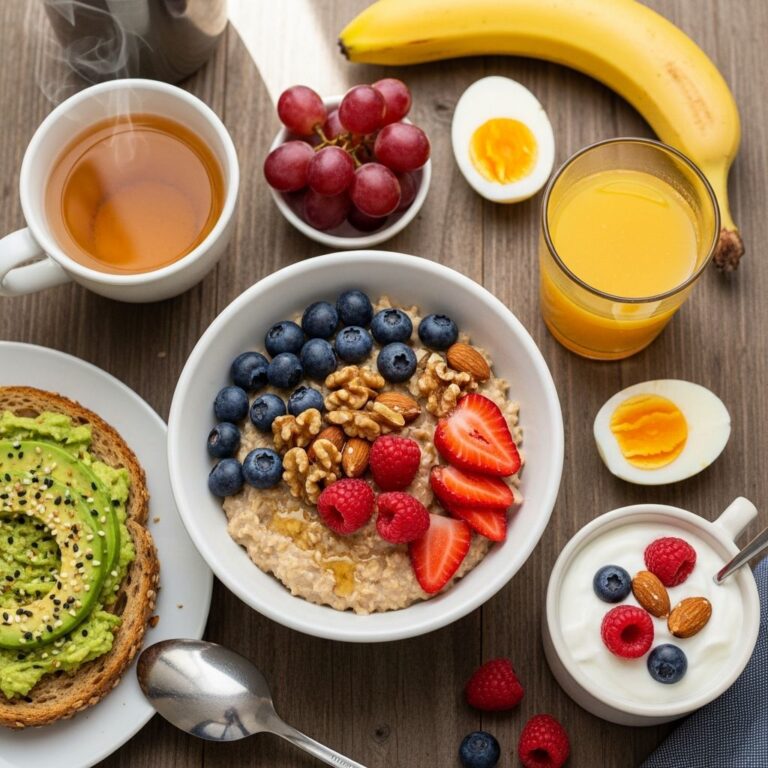
- Start your day: Add wild blueberries or blackberries to oatmeal, yogurt, or smoothies for an antioxidant boost
- Snack smartly: Choose pecans, walnuts, or dried fruits instead of processed options
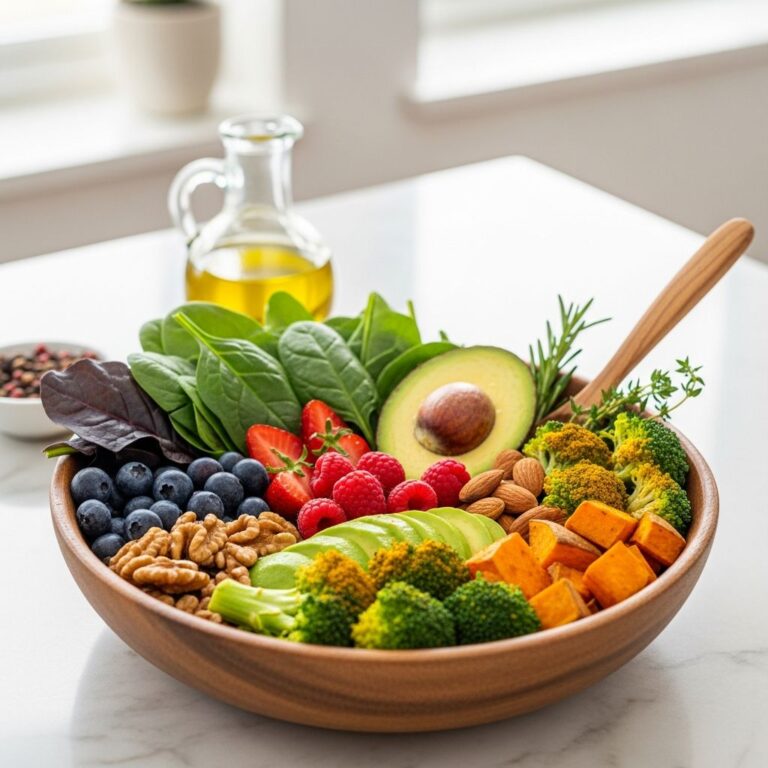
- Build better salads: Use dark leafy greens like spinach or kale as your base, add red cabbage, beans, and top with nuts
- Season generously: Use dried herbs and spices liberally—they add flavor, complexity, and exceptional antioxidant density
- Side dishes: Roast sweet potatoes, steam red cabbage, or prepare steamed kale with olive oil and garlic
- Soups and stews: Blend or stir beans into soups for hidden nutritional benefits
Why Plant-Based Foods Dominate Antioxidant Content
Plant-based foods are the best source of antioxidants because plants naturally produce thousands of bioactive antioxidant phytochemicals for their own protection. When we consume these plants, we benefit from these protective compounds. Diets comprised mainly of animal-based foods are low in antioxidant content, while diets based on a variety of plant-based foods are inherently antioxidant-rich.
Frequently Asked Questions
Q: Are there foods with more antioxidants than cranberries?
A: Yes, many foods exceed cranberries in antioxidant content, particularly wild blueberries, blackberries, walnuts, pecans, dried spices like oregano and clove, red kidney beans, and red cabbage. Dried spices in particular contain substantially higher antioxidant concentrations.
Q: Do cooking methods affect antioxidant content in foods?
A: Cooking can slightly reduce antioxidant levels in some foods like beans, but the loss is typically not significant. Interestingly, cooked red cabbage contains more antioxidants per ounce than raw cabbage. Fresh and dried herbs differ in their antioxidant values, with dried versions being more concentrated.
Q: What’s the best way to eat these antioxidant-rich foods?
A: Variety is key. Include multiple antioxidant sources throughout your diet—berries in breakfast, nuts as snacks, legumes in lunch salads, leafy greens as side dishes, and generous use of spices in all meals. Eating the skin of nuts when possible increases antioxidant intake.
Q: Can I get enough antioxidants from supplements instead of food?
A: Whole foods are superior to supplements because they contain not just antioxidants but also fiber, vitamins, minerals, and other beneficial compounds that work synergistically. Food-based antioxidants are more bioavailable and effective than isolated supplements.
Q: Which foods should I prioritize if I have limited access?
A: Beans, spices, dried fruits, and dark leafy greens are often inexpensive and widely available, making them convenient ways to add antioxidants to your diet. Frozen berries are also affordable and retain their antioxidant properties.
References
- Antioxidants in Berries and Other Fruits — WebMD. Accessed January 2026. https://www.webmd.com/diet/features/antioxidants-in-fruits
- Add antioxidants to your diet — Mayo Clinic. https://www.mayoclinic.org/healthy-lifestyle/nutrition-and-healthy-eating/in-depth/add-antioxidants-to-your-diet/art-20546814
- The total antioxidant content of more than 3100 foods, beverages, spices, herbs and supplements — PubMed Central/National Center for Biotechnology Information. https://pmc.ncbi.nlm.nih.gov/articles/PMC2841576/
- The 8 Healthiest Berries You Can Eat — Healthline. https://www.healthline.com/nutrition/8-healthy-berries
- 15 Antioxidant-Rich Foods to Add to Your Diet — GoodRx. https://www.goodrx.com/well-being/diet-nutrition/foods-high-antioxidants
Similar Articles








Read full bio of medha deb