Foods Linked To Better Brainpower: 11 Foods That Support Memory
Discover the best foods that boost cognitive function and enhance mental performance.
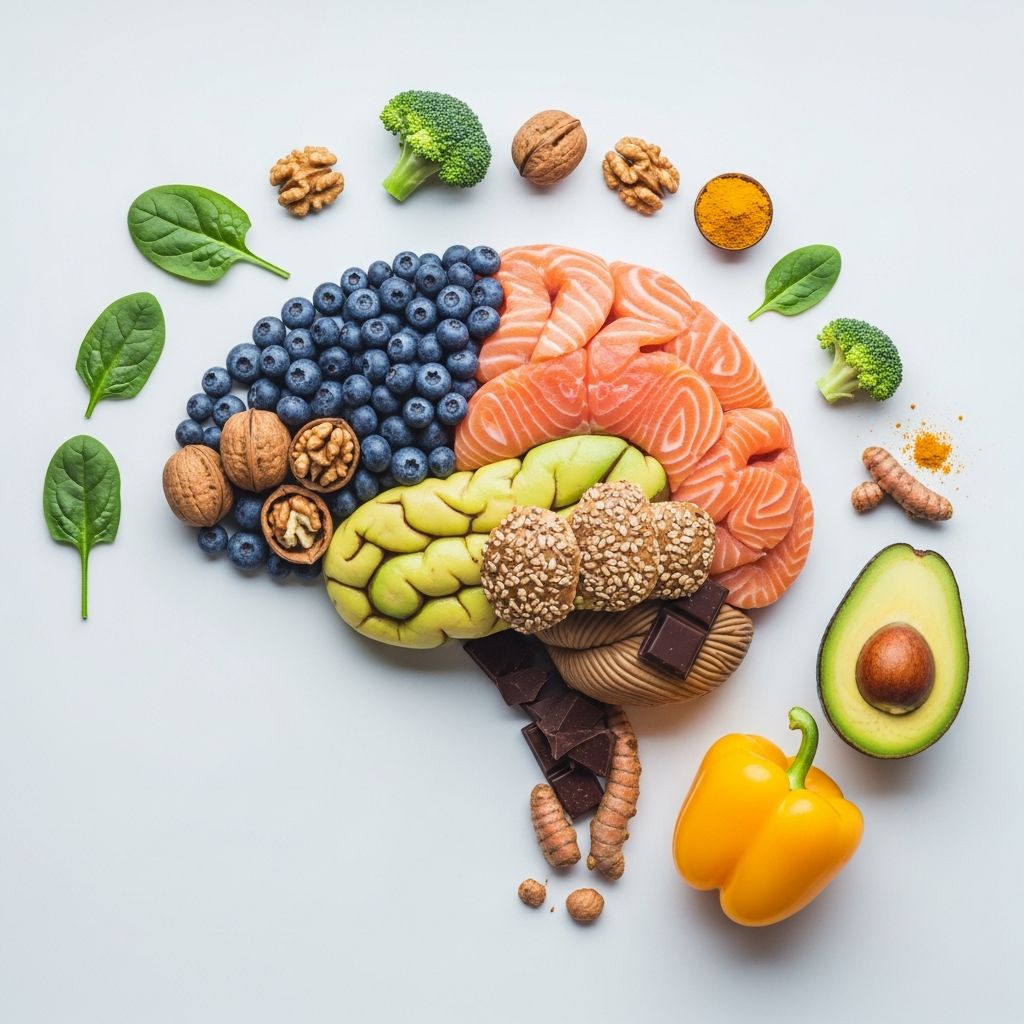
The saying “you are what you eat” holds particular truth when it comes to brain health. Our dietary choices have a profound impact on cognitive function, memory retention, and overall mental performance. Whether you’re a student preparing for exams, a professional seeking sustained focus throughout the workday, or someone interested in maintaining cognitive sharpness as you age, understanding which foods support brain health is essential. Scientific research has consistently demonstrated that specific nutrients and food groups can significantly enhance both short-term cognitive performance and long-term brain health.
The Connection Between Diet and Brain Function
The brain is one of the most metabolically active organs in the body, consuming approximately 20% of the body’s energy despite representing only 2% of body weight. This remarkable demand means that the quality of fuel we provide through our diet directly affects how well our brain functions. Proper nutrition supports the formation and maintenance of neural connections, protects brain cells from damage, and provides the building blocks necessary for neurotransmitter production—the chemical messengers that enable communication between brain cells.
Beyond immediate cognitive effects, long-term dietary patterns establish the foundation for healthy aging and may reduce the risk of neurodegenerative diseases. Antioxidants, healthy fats, vitamins, and minerals work synergistically to protect the brain from oxidative stress and inflammation, two key factors in cognitive decline.
Essential Nutrients for Brain Health
Before exploring specific foods, it’s valuable to understand the key nutrients that support optimal brain function:
- Antioxidants – Protect brain cells from free radical damage and oxidative stress
- Omega-3 Fatty Acids – Support neural cell structure and communication
- B Vitamins – Essential for energy production and neurotransmitter synthesis
- Healthy Fats – Maintain myelin sheaths that insulate neural pathways
- Flavonoids – Reduce inflammation and enhance cognitive function
- Choline – Supports memory and learning capabilities
Top Foods for Brain Boosting
Fatty Fish
Fatty fish such as salmon, trout, mackerel, herring, and tuna stand among the most powerful brain-supporting foods. These fish are exceptional sources of omega-3 fatty acids, particularly docosahexaenoic acid (DHA) and eicosapentaenoic acid (EPA), which are fundamental components of brain cell membranes. Research has shown that consuming baked or broiled fish at least once weekly is associated with larger gray matter volume and better cognitive performance. Furthermore, moderate seafood consumption correlates with reduced markers of Alzheimer’s disease pathology, suggesting protective effects against neurodegenerative decline. For optimal benefits, aim to consume fatty fish two to three times per week, preparing it through baking, broiling, or grilling rather than frying to preserve these delicate nutrients.
Leafy Green Vegetables
Green, leafy vegetables including spinach, kale, collards, and Swiss chard deliver concentrated doses of brain-protective compounds. These vegetables contain phylloquinone, lutein, nitrate, folate, and alpha-tocopherol—nutrients specifically associated with cognitive preservation. A landmark study published in Neurology demonstrated that individuals aged 80 and older who consumed adequate leafy greens performed on cognitive tests at levels comparable to people 11 years younger, suggesting that regular leafy green consumption may substantially slow cognitive aging. The research carefully controlled for age, education, physical activity, and other lifestyle factors, confirming that the greens themselves provided the cognitive benefit. Incorporating at least one serving of leafy greens daily into your diet may offer significant long-term cognitive advantages.
Related Stories



Berries
Berries represent nutritional powerhouses for brain health, delivering exceptional concentrations of flavonoids and anthocyanins—powerful antioxidants with demonstrated cognitive benefits. Blueberries, blackberries, strawberries, raspberries, and cranberries all contribute unique benefits: blueberries are particularly noted for reducing inflammation, while blackberries help normalize cholesterol levels. Research demonstrates that higher flavonoid intake, particularly from berries, correlates with reduced rates of cognitive decline in older adults. The phytochemicals in berries may prevent or delay age-related neurodegenerative diseases by combating oxidative stress and inflammation. Fresh, frozen, or dried berries can be easily incorporated into breakfast cereals, yogurt, smoothies, or consumed as standalone snacks.
Nuts and Seeds
Walnuts deserve particular attention among nuts for their remarkable cognitive benefits. A comprehensive analysis published in The Journal of Nutrition, Health and Aging found significant positive associations between walnut consumption and cognitive functions across all demographic groups, regardless of age, gender, or ethnicity. Walnuts provide high levels of antioxidants, omega-3 fatty acids, and compounds demonstrating notable antitumor activity. Almonds contribute vitamin E, a powerful antioxidant that protects brain cells from free radical damage. Other beneficial nuts and seeds include pumpkin seeds, sunflower seeds, and flaxseeds, all rich in healthy fats and micronutrients. While nuts are calorie-dense, consuming a modest handful (approximately one ounce) daily provides significant cognitive benefits without excessive caloric intake. Choose unsalted and unprocessed varieties when possible.
Cruciferous Vegetables
Broccoli, cauliflower, and cabbage belong to the cruciferous vegetable family and offer specific brain-supporting nutrients. These vegetables are particularly rich in choline, a nutrient essential for healthy neurotransmitter function that keeps your mind sharp and strengthens memory. The antioxidants abundant in cruciferous vegetables protect the brain from oxidative damage caused by free radicals. These vegetables also contain compounds that reduce inflammation, contributing to long-term cognitive health. Steam or lightly sauté these vegetables to preserve their nutrient content.
Avocados
Despite their high calorie content, avocados contribute substantially to brain health through monounsaturated fats that improve blood cholesterol levels and support memory function. The potassium in avocados aids in proper neural signaling and blood flow to the brain. Approximately one-quarter to one-half of an avocado daily provides cognitive benefits without excessive caloric consumption.
Eggs
Eggs provide choline in concentrated amounts, supporting the development and function of memory-related brain regions. The lutein and zeaxanthin present in eggs offer antioxidant protection for brain tissue. Eggs are also complete proteins, providing all essential amino acids necessary for neurotransmitter production.
Coffee and Tea
Both coffee and tea offer cognitive-enhancing properties through caffeine and other bioactive compounds. Research indicates that moderate caffeine consumption enhances attention, concentration, and vigilance—effects occurring with either coffee or tea consumption. A Mendelian randomization study published in Nature demonstrated that moderate, long-term caffeine consumption does not negatively affect cognitive health. The L-theanine found in green tea promotes relaxation without drowsiness while its polyphenols and antioxidants provide neuroprotective benefits and reduce cognitive decline risk. Limit caffeine intake to moderate amounts (approximately 200-400 mg daily) to avoid negative effects.
Whole Grains
Whole grains including oats, brown rice, and quinoa provide sustained energy and B vitamins essential for cognitive function. The complex carbohydrates in whole grains support stable blood glucose levels, ensuring consistent fuel delivery to the brain throughout the day.
Dark Chocolate
Dark chocolate containing 70% cacao or higher offers antioxidant flavonoids and compounds that improve blood flow to the brain. Moderate consumption (approximately one ounce or 30 grams daily) provides cognitive benefits while limiting sugar and calorie intake.
Additional Brain-Supporting Foods
Other foods contributing to brain health include soy products rich in plant-based proteins and phytoestrogens, beans providing fiber and B vitamins, grapes with memory-boosting resveratrol and polyphenols, watermelon offering lycopene and hydration, and various other whole foods rich in essential nutrients.
Building a Brain-Healthy Eating Pattern
Understanding individual brain-boosting foods represents only half the battle. Successfully implementing a brain-supporting diet requires strategy and planning. Rather than focusing on isolated foods, consider adopting an overall dietary pattern that emphasizes whole, minimally processed foods while limiting refined sugars, unhealthy fats, and highly processed items.
Healthy snacking choices significantly impact academic performance and daily productivity. Rather than relying on sugary treats or junk food for motivation or energy, choose fresh fruit, nuts, or vegetables. While unhealthy foods may provide temporary motivation, they ultimately decrease sustained motivation and productivity. Strategic snacking with nutrient-dense foods maintains stable blood glucose levels and supports consistent cognitive performance throughout the day.
When implementing dietary changes, start gradually and build sustainable habits. Begin by adding one brain-boosting food to each meal rather than attempting a complete dietary overhaul. Over time, these incremental changes establish a foundation for long-term brain health and improved cognitive performance.
Beyond Diet: Complementary Lifestyle Factors
While nutrition forms a critical foundation for brain health, optimal cognitive function requires attention to multiple lifestyle factors working synergistically. A consistent sleep schedule of 7-9 hours nightly supports memory consolidation and mental clarity. Regular physical exercise enhances blood flow to the brain and promotes the growth of new neural cells. Stress management techniques including meditation, deep breathing, and relaxation practices reduce cortisol levels that can impair cognitive function. Social engagement, cognitive stimulation through learning new skills, and mindfulness practices all contribute to sustained brain health throughout life.
Practical Implementation Strategies
To integrate brain-boosting foods into your daily routine:
- Begin each week with meal planning, prioritizing recipes featuring brain-supportive ingredients
- Maintain a variety of fresh fruits and vegetables readily available for convenient snacking
- Prepare nuts, seeds, and berries in advance for grab-and-go options during busy days
- Incorporate fatty fish into your weekly meal plans at least twice weekly
- Choose whole grain options whenever possible over refined grain products
- Prepare healthy beverages like green tea and coffee as alternatives to sugary drinks
- Experiment with recipes combining multiple brain-supporting ingredients for enhanced nutritional synergy
Frequently Asked Questions
Q: How quickly can I expect cognitive improvements from dietary changes?
A: Some immediate benefits like improved focus and alertness may occur within days of dietary improvements, particularly with caffeine consumption. However, substantial cognitive enhancements and neuroprotective effects typically develop over weeks and months of consistent dietary practice. Long-term brain health benefits accumulate over years.
Q: Are brain-boosting supplements as effective as whole foods?
A: Research suggests that whole food sources provide superior benefits compared to isolated supplements. For example, omega-3 supplements show less consistent cognitive benefits than fatty fish consumption, with lower doses sometimes proving more effective. Whole foods contain nutrient combinations and compounds that work synergistically in ways supplements cannot replicate.
Q: Can children benefit from a brain-boosting diet?
A: Absolutely. Children’s developing brains particularly benefit from nutrient-rich foods supporting neural growth and cognitive development. Early dietary habits also establish patterns that extend cognitive benefits throughout life.
Q: Is it necessary to eat all recommended brain foods daily?
A: No. A varied diet incorporating multiple brain-supporting foods throughout the week provides comprehensive benefits. Diversity ensures exposure to the full spectrum of cognitive-supporting nutrients without requiring every food daily.
Q: Can diet reverse existing cognitive decline?
A: While dietary improvements cannot reverse advanced neurodegenerative diseases, research suggests that adopting brain-healthy eating patterns may slow cognitive decline progression and support cognitive preservation. Dietary changes prove most protective when implemented as preventive measures earlier in life.
References
- Foods Linked to Better Brainpower — Harvard Health. 2024. https://www.health.harvard.edu/healthbeat/foods-linked-to-better-brainpower
- Walnut Consumption and Cognitive Functions — The Journal of Nutrition, Health and Aging. 2015. https://link.springer.com/article/10.1007/s12603-014-0569-2
- Green Leafy Vegetables and Cognitive Decline — Neurology. 2017. https://n.neurology.org/content/90/3/e214
- Seafood Consumption and Brain Health — American Journal of Preventative Medicine. 2014. https://www.ajpmonline.org/article/S0749-3797(14)00290-X/fulltext
- Caffeine and Cognitive Performance — Nature. 2018. https://www.nature.com/articles/s41598-018-32282-x
- Flavonoids and Cognitive Decline in Older Adults — Annals of Neurology. 2012. https://onlinelibrary.wiley.com/doi/full/10.1002/ana.23728
- Berry Phytochemicals in Neurodegenerative Disease Prevention — Neural Regeneration Research. 2014. https://www.nrronline.org/article.asp?issn=1673-5374
Similar Articles








Read full bio of medha deb