Foods With More Fiber Than a Pear: 23 Best High-Fiber Options
Discover nutrient-rich foods that pack more fiber than pears for optimal digestive health.
Foods With More Fiber Than a Pear: A Comprehensive Guide
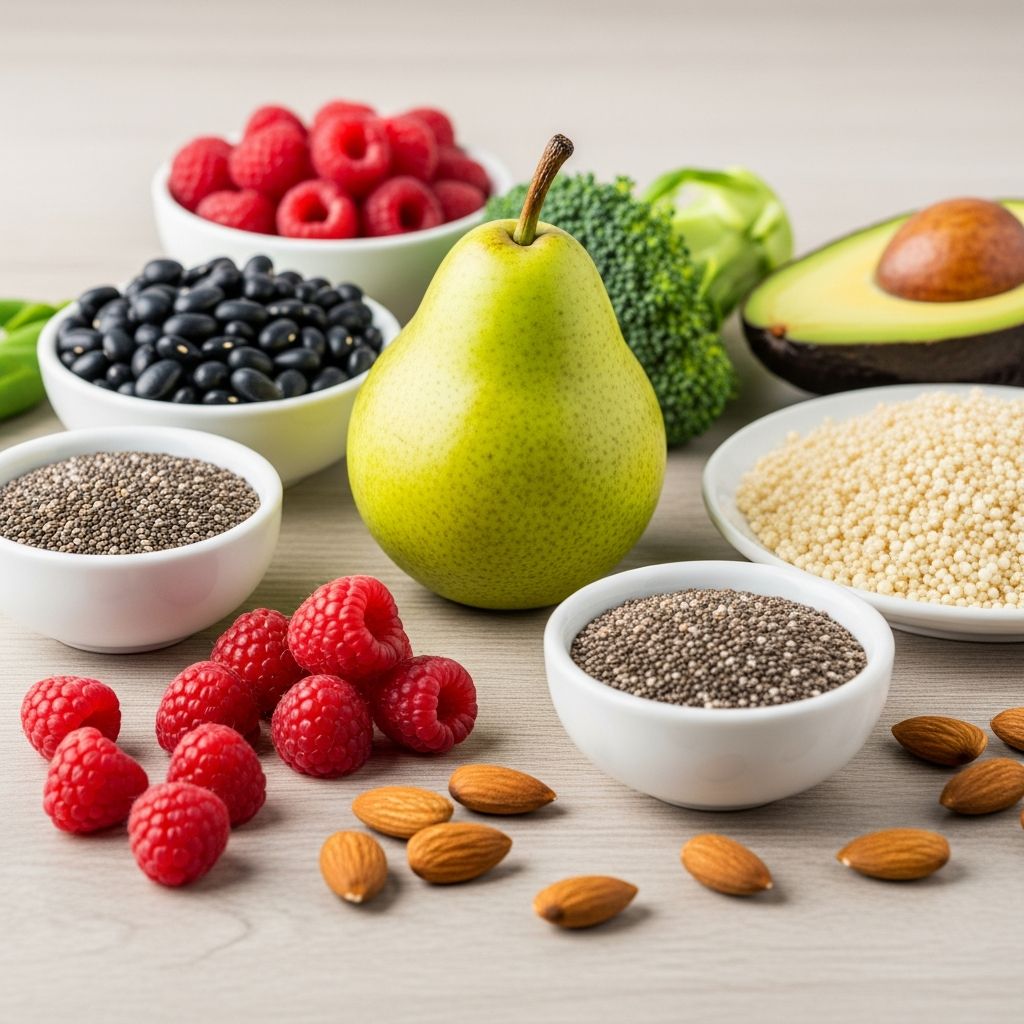
A medium pear with skin contains approximately 6 grams of fiber, making it a solid dietary choice for those seeking to increase their daily fiber intake. However, numerous foods surpass the pear’s fiber content significantly, offering even greater benefits for digestive health, weight management, and overall wellness. Understanding which foods provide superior fiber content can help you build a more nutrient-dense diet that meets or exceeds recommended daily fiber guidelines.
Understanding Fiber and Daily Requirements
Dietary fiber is an essential nutrient that supports digestive health, helps regulate blood sugar levels, promotes satiety, and contributes to heart health. The recommended daily intake of fiber varies by age and sex, but most adults should aim for 25 to 38 grams per day. By incorporating foods with substantial fiber content into your meals, you can achieve these targets while enjoying delicious, nutritious options.
High-Fiber Legumes: Nature’s Protein and Fiber Powerhouses
Split peas are among the most fiber-rich foods available, containing 16 grams of fiber per cooked cup—nearly three times the amount in a pear. These versatile legumes work beautifully in soups, stews, and side dishes. Their mild flavor and tender texture make them accessible to various palates.
Lentils match split peas with 16 grams of fiber per cooked cup, making them exceptional for anyone prioritizing digestive health. Whether you choose red, green, or brown varieties, lentils deliver substantial fiber alongside plant-based protein. They’re ideal for curries, salads, soups, and as ground meat substitutes in dishes like tacos and chili.
Half a cup of cooked lentils provides 7.8 grams of fiber, while split peas offer 8.2 grams in the same serving size, demonstrating their concentrated nutrient density. Chickpeas provide 12 grams of fiber per cooked cup, or 6.2 grams per half-cup serving. Beyond fiber, chickpeas deliver plant-based protein and essential minerals like iron, folate, and zinc. Use them in hummus, curries, roasted snacks, or salads.
Kidney beans contain 5.7 grams of fiber per half-cup cooked serving, making them an excellent addition to chili, salads, and grain bowls. Black beans provide similar fiber content at 7 grams per half-cup, offering versatility in Mexican-inspired dishes and rice bowls.
Seeds and Their Concentrated Fiber Benefits
Chia seeds deliver impressive fiber content in minimal quantities—just two tablespoons provide 10 grams of fiber, representing 33% of the daily recommended value. This concentrated nutrition makes them perfect for adding to yogurt, oatmeal, smoothies, cereals, and salads without significantly increasing meal volume. Beyond fiber, chia seeds supply plant-based protein and omega-3 fatty acids, supporting cardiovascular and brain health.
Berries: Delicious Fiber-Rich Fruits
Raspberries stand out among berries for their exceptional fiber content. One cup of raspberries contains 8 grams of fiber, exceeding a pear’s fiber content by one-third while remaining low in calories. These antioxidant-rich berries also provide calcium, magnesium, phosphorus, potassium, and vitamins A, C, and K. Enjoy them fresh, frozen in smoothies, or added to oatmeal and yogurt.
Related Stories



Strawberries offer a more modest but still significant fiber boost, with half a cup of sliced strawberries containing approximately 2 grams of fiber. While less concentrated than raspberries, strawberries provide excellent vitamin C, manganese, potassium, folate, and powerful antioxidants.
Vegetables With Substantial Fiber Content
Artichokes rank among the highest-fiber vegetables, with one cooked cup containing 9.6 grams of fiber. Their unique, layered structure provides satisfying chewing, and their mild, slightly nutty flavor pairs well with various cuisines. Serve steamed artichokes with lemon and herbs, or incorporate the hearts into pastas, salads, and dips.
Brussels sprouts deliver 6.4 grams of fiber per cooked cup, alongside substantial amounts of vitamins C and K. Roast them with olive oil and seasonings for a crispy side dish, or incorporate them into slaws and grain bowls.
Broccoli provides 2.5 to 5 grams of fiber per cup depending on preparation, making it an accessible, familiar vegetable for increasing fiber intake. This cruciferous vegetable also supplies vitamins C and K, iron, potassium, and more protein than most vegetables—approximately 2.5 grams per cup.
Sweet potatoes offer 6.4 grams of fiber per cooked cup, along with vitamins A, C, potassium, and manganese. Bake them whole, mash them as a grain alternative, or cube them for roasting and grain bowls.
Grains: Whole Grain Fiber Sources
Whole-wheat pasta contains 7 grams of fiber per cooked cup, providing a simple swap for refined pasta in familiar dishes. Beyond fiber, whole-wheat pasta delivers phytonutrients and minerals absent in white pasta.
Oatmeal provides 5 grams of fiber per cooked cup, making it an ideal breakfast foundation. Combine oatmeal with chia seeds for even greater fiber content, or add protein powder and nuts to create a complete meal that fuels your morning.
Barley delivers 6 grams of fiber per cooked cup, offering a nutty, chewy alternative to white rice. Use barley as a side dish, add it to soups, or serve as a base for build-your-own grain bowls.
Quinoa provides approximately 8 grams of fiber per cooked cup, alongside complete plant-based protein containing all nine essential amino acids. This pseudo-cereal supports those following plant-based diets while supplying magnesium, folate, vitamin B1, and phosphorus.
Additional Fiber-Rich Options
Avocados contain an impressive 10 grams of fiber per whole medium avocado, making them one of the most fiber-dense fruits available. Beyond fiber, avocados provide healthy monounsaturated fats, vitamins C and E, potassium, magnesium, and various B vitamins. Spread mashed avocado on toast, use it in salads, or create creamy guacamole.
Potatoes with skin provide 7 grams of fiber in one small potato, delivering an easy, tasty vehicle for dietary fiber. Prepare baked potatoes, oven-roasted cubes, or mashed potatoes with minimal added fat to maximize fiber benefits.
Green peas offer 4.5 grams of fiber per half-cup cooked serving, alongside exceptional vitamin A and K content. Incorporate peas into stir-fries, serve as side dishes, or add to rice and grain bowls.
Popcorn provides a fun, unexpected fiber source—three cups of air-popped popcorn contains approximately 5.8 grams of fiber. Air-popping without added fat or sugar maintains the optimal fiber-to-calorie ratio. Avoid versions loaded with butter, salt, or candy coatings, which diminish popcorn’s nutritional advantages.
Almonds contribute fiber alongside healthy fats and protein, making them excellent snacks or salad additions. Other nuts and seeds similarly boost dietary fiber when incorporated into meals and snacks.
Apples with skin provide substantial fiber—a small red apple with skin contains 2.8 grams. The skin contains most of the fiber, so choose unpeeled apples when possible. Fresh apples work well in salads, lightly cooked in oatmeal, or eaten as convenient snacks.
Bananas offer 1.1 grams of fiber per half-small banana, with unripe green bananas providing additional resistant starch that functions like fiber, supporting digestive health and metabolic function.
Beyond Individual Foods: Building a High-Fiber Diet
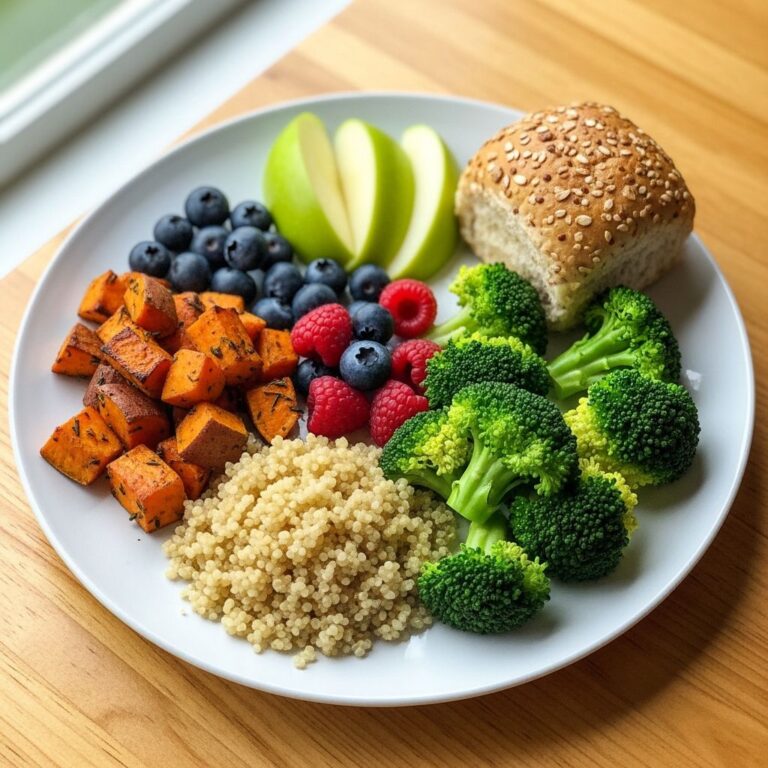
Rather than focusing exclusively on single foods, consider creating balanced meals combining multiple fiber sources. A breakfast bowl combining oatmeal, chia seeds, berries, and sliced banana delivers approximately 15 grams of fiber. Lunch featuring a lentil-based salad with roasted vegetables and whole-grain bread provides 12-15 grams. Dinner with chickpea curry over quinoa and roasted Brussels sprouts easily reaches 18+ grams.
The Mayo Clinic emphasizes that fiber-rich foods offer a mix of different fiber types—soluble fiber (found in oats, beans, and apples) dissolves in water and helps regulate blood sugar and cholesterol, while insoluble fiber (found in whole grains and vegetables) promotes digestive regularity. Combining various high-fiber foods ensures you receive diverse fiber types alongside complementary nutrients.
Practical Tips for Increasing Fiber Intake
- Gradual progression: Increase fiber intake slowly over several weeks to allow your digestive system to adapt, reducing bloating and gas.
- Adequate hydration: Drink sufficient water throughout the day—fiber works most effectively when paired with proper hydration.
- Variety is key: Rotate between different high-fiber foods to ensure nutritional diversity and prevent meal fatigue.
- Read nutrition labels: Check serving sizes and fiber content on packaged foods; whole-grain products should contain at least 3 grams of fiber per serving.
- Maximize produce fiber: Keep fruit skins intact, choose whole fruits over juices, and incorporate vegetables into every meal.
- Plan ahead: Prepare high-fiber meals in advance to ensure consistency in meeting daily fiber targets.
Frequently Asked Questions
Q: Can I consume too much fiber?
A: Excessive fiber intake without adequate water consumption can cause digestive discomfort, bloating, and constipation. Most people should aim for 25-38 grams daily, increasing gradually to allow digestive adaptation.
Q: Is fiber from supplements equivalent to food fiber?
A: Whole foods provide fiber alongside vitamins, minerals, and phytonutrients supplements cannot replicate. Prioritize food-based fiber sources, though supplements may help bridge occasional gaps.
Q: Which high-fiber foods are best for weight management?
A: Legumes, vegetables, whole grains, and berries promote satiety while remaining relatively low in calories. Fiber creates fullness signals that naturally reduce overall calorie consumption.
Q: Do frozen fruits and vegetables contain less fiber than fresh?
A: Frozen produce retains comparable fiber content to fresh options and often exceeds fresh produce harvested prematurely. Frozen is an economical, convenient alternative that maintains nutritional value.
References
- 10 Foods That Are High In Fiber You Can Eat Daily — Nature Made®. Accessed January 13, 2026. https://www.naturemade.com/blogs/health-articles/10-foods-that-are-high-in-fiber-you-can-eat-daily
- 12 High-Fiber Foods: Getting Your Daily Requirements the Easy Way — NASM Blog. Accessed January 13, 2026. https://blog.nasm.org/high-fiber-foods
- 22 High Fiber Foods – Fruits, Vegetables, and More — Healthline. Accessed January 13, 2026. https://www.healthline.com/nutrition/22-high-fiber-foods
- 31 High-Fiber Foods You Should Eat — Cleveland Clinic. Accessed January 13, 2026. https://health.clevelandclinic.org/high-fiber-foods
- High-fiber foods — Mayo Clinic. Accessed January 13, 2026. https://www.mayoclinic.org/healthy-lifestyle/nutrition-and-healthy-eating/in-depth/high-fiber-foods/art-20050948
- Fiber Content of Selected Fruits — NCBI/NIH Endotext. Accessed January 13, 2026. https://www.ncbi.nlm.nih.gov/books/NBK570127/table/lipid_diet_cardiov.T.fiber_content_of_se_2/
Similar Articles








Read full bio of medha deb