12 Foods More Filling Than Bread: High-Satiety Picks
Discover 12 nutrient-dense foods that keep you fuller longer than bread, backed by science for better weight management.
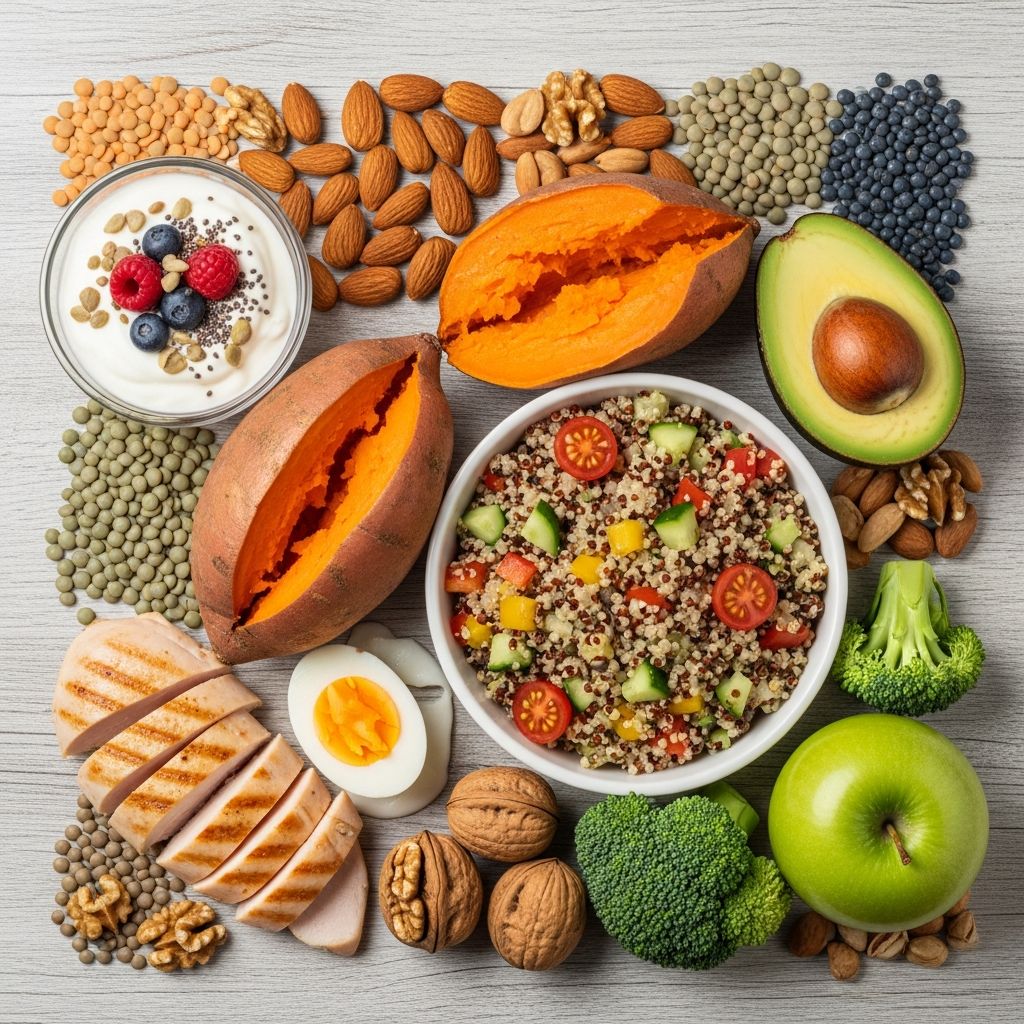
Bread is a dietary staple for many, but its quick-digesting carbohydrates often fail to sustain fullness, leading to frequent hunger pangs. Research on the satiety index—developed by Dr. Susanna Holt at the University of Sydney—reveals foods that outperform bread in keeping you satisfied longer per calorie. This index measures how full a 240-calorie portion of food makes people feel over two hours compared to white bread, scored at 100. Foods scoring higher provide better hunger control, aiding weight management without calorie restriction.
Understanding satiety helps craft meals that curb overeating. High-satiety foods are typically rich in protein, fiber, and water, slowing digestion and stabilizing blood sugar. Below, we explore 12 foods with superior satiety scores, complete with nutritional benefits, preparation ideas, and science-backed insights.
What Makes a Food Filling?
Satiety hinges on several factors: protein promotes fullness hormones like peptide YY and GLP-1; fiber adds bulk and delays gastric emptying; water increases volume without calories; and fat slows digestion. The satiety index standardizes these by equalizing calories, highlighting foods where these elements shine.
White bread scores 100 due to its low protein (3g per slice) and fiber (1g), causing rapid blood sugar spikes and crashes. In contrast, whole foods like eggs or fish score 150-400+, offering sustained energy. A study in the European Journal of Clinical Nutrition confirmed protein’s role, showing high-protein meals boost satiety by 25% compared to high-carb ones.
12 Foods More Filling Than Bread
These selections are ranked roughly by satiety score, from highest to just above bread. Incorporate them to replace or pair with bread for longer-lasting satisfaction.
1. Potatoes (Satiety Index: 323%)
Boiled potatoes top the list, providing 323% the fullness of bread. Rich in resistant starch—a prebiotic fiber that feeds gut bacteria—and potassium, they stabilize blood sugar. A medium potato (150g) has 110 calories, 26g carbs, 3g protein, and 2.5g fiber.
- Benefits: Supports gut health, muscle recovery, and blood pressure control.
- How to eat: Bake, boil, or mash plain; avoid frying to preserve benefits. Pair with lean protein for complete meals.
Dr. Holt’s study attributes potatoes’ score to their high water (80%) and starch gelation during cooking, forming a viscous mass in the stomach.
2. Fish (225%)
Fish like cod or ling scores 225%, thanks to high-quality protein (20g per 100g) and omega-3s. Low-calorie (80-100 per serving), it digests slowly, curbing appetite.
- Benefits: Heart health from omega-3s; complete protein for muscle maintenance.
- How to eat: Grill, bake, or poach with herbs; add to salads or stir-fries.
Protein in fish triggers cholecystokinin (CCK), a satiety hormone, per research from the American Journal of Clinical Nutrition.
3. Oatmeal/Porridge (209%)
Oats deliver 209% satiety via beta-glucan fiber, which forms a gel in the gut, slowing sugar absorption. A 240-calorie bowl has 10g protein and 8g fiber if made with milk.
- Benefits: Lowers cholesterol; sustains energy for hours.
- How to eat: Cook rolled oats with water or milk; top with berries and nuts.
A meta-analysis in Nutrients (2022) links beta-glucan to 15% greater fullness.
Related Stories



4. Oranges (202%)
Oranges score 202% from pectin fiber and 85% water content. One large orange (180g) offers 85 calories, 21g carbs, 3g fiber, and 70mg vitamin C.
- Benefits: Immune boost; hydration without calories.
- How to eat: Eat whole for fiber; blend into smoothies.
5. Apples (197%)
Apples match oranges at 197%, with skin pectin expanding in the stomach. Medium apple: 95 calories, 25g carbs, 4g fiber.
- Benefits: Polyphenols aid digestion; portable snack.
- How to eat: Slice with nut butter for protein boost.
6. Brown Pasta (188%)
Whole-grain pasta scores 188%, higher than white (119%). Al dente cooking preserves resistant starch.
- Benefits: B vitamins; steady energy.
- How to eat: Mix with veggies and lean meat.
7. Beef (176%)
Lean beef provides 176% satiety with 25g protein per 100g. Iron-rich for energy.
- Benefits: Muscle building; nutrient-dense.
- How to eat: Grill lean cuts; slow-cook stews.
8. Baked Beans (168%)
Beans combine fiber (15g per cup) and protein (15g), scoring 168%. Low GI prevents spikes.
- Benefits: Plant protein; gut health.
- How to eat: On toast (ironically) or in chili.
9. Eggs (150%)
Eggs score 150% with 6g protein each, plus choline for brain health.
- Benefits: Versatile; lutein for eyes.
- How to eat: Boiled, poached, or scrambled.
A International Journal of Obesity study showed eggs at breakfast reduce daily calories by 400.
10. Popcorn (154%)
Air-popped popcorn hits 154% due to volume (3 cups = 100 calories, 3g fiber).
- Benefits: Whole grain; low-cal snack.
- How to eat: Plain or lightly seasoned.
11. Lentils (133%)
Lentils offer 133% with 18g protein and 16g fiber per cup cooked.
- Benefits: Folate; blood sugar control.
- How to eat: In soups or salads.
12. Cheese (146%)
Cheese’s protein (7g per oz) and fat score it 146%.
- Benefits: Calcium; probiotics in some.
- How to eat: Pair with fruit to balance.
Sample High-Satiety Meal Plan
| Meal | Foods | Satiety Score Boost |
|---|---|---|
| Breakfast | Oatmeal with eggs and orange | High protein + fiber |
| Lunch | Baked potato with fish and beans | 323% base + protein |
| Snack | Apple with cheese | 197% + 146% |
| Dinner | Beef stir-fry with lentils and popcorn side | Balanced macros |
Frequently Asked Questions (FAQs)
What is the satiety index?
The satiety index ranks foods by fullness per 240 calories over 2 hours, with white bread at 100. Developed by Dr. Holt in 1995.
Can I eat bread if it’s not filling?
Opt for whole-grain or sourdough with protein/fat toppings to improve satiety. Limit refined white bread.
Are potatoes fattening?
No—low-calorie and highly satiating. Preparation matters: boiled best, french fries score low (116%).
How much protein for satiety?
Aim for 20-30g per meal, per Journal of Nutrition guidelines.
Do liquids count?
Soups score high (e.g., 200%) due to volume but less than solids.
Incorporate these foods to transform your diet. Prioritize whole, unprocessed options for optimal health and hunger control.
References
- Satiety Index of Common Foods — Holt, S.H.A. et al. European Journal of Clinical Nutrition. 1995-06-01. https://pubmed.ncbi.nlm.nih.gov/7498104/
- Protein Leverage Hypothesis — Simpson, S.J. & Raubenheimer, D. Obesity Reviews. 2014-01. https://doi.org/10.1111/obr.12131
- Beta-Glucan and Satiety — Rebello, C.J. et al. Nutrients. 2022-05-12. https://www.mdpi.com/2072-6643/14/10/2043
- Eggs and Appetite Control — Vander Wal, J.S. et al. International Journal of Obesity. 2005-08. https://pubmed.ncbi.nlm.nih.gov/15880380/
- Dietary Guidelines for Americans — USDA. 2020-12-01. https://www.dietaryguidelines.gov/
Similar Articles








Read full bio of Sneha Tete