7 Foods Pregnant People Should Eat Every Day
A dietitian reveals the 7 essential foods to eat daily during pregnancy for optimal maternal and fetal health.
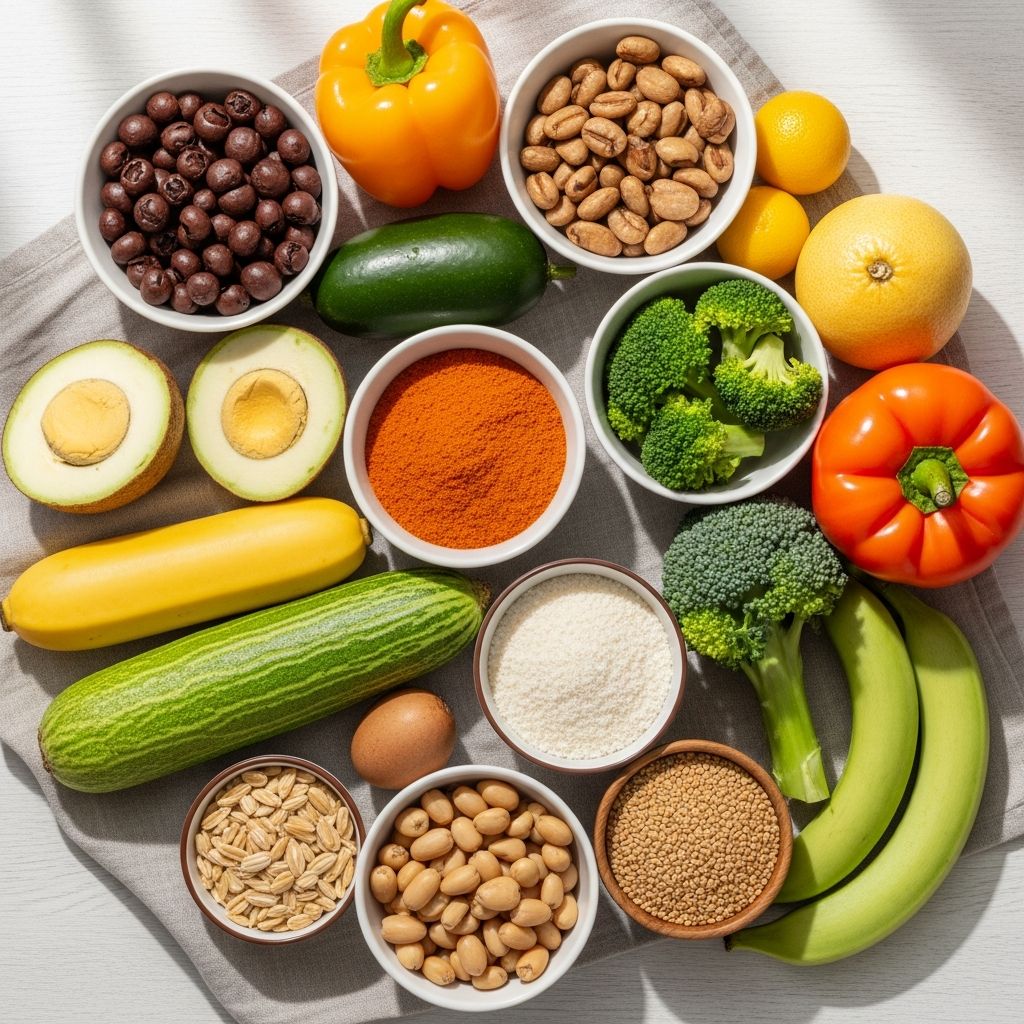
7 Foods Pregnant People Should Eat Every Day, According to a Dietitian
Pregnancy demands heightened nutritional needs to support both maternal health and fetal development. Dietitians emphasize consuming specific nutrient-dense foods daily to meet requirements for folic acid, iron, calcium, choline, protein, omega-3s, and fiber. This guide outlines seven essential foods backed by government health authorities, ensuring a balanced diet that promotes healthy outcomes.
Why Nutrition Matters During Pregnancy
During pregnancy, women require additional nutrients like 400-800 mcg folic acid daily to prevent neural tube defects, increased iron for blood volume expansion, and choline for brain development. The U.S. Department of Health and Human Services (HHS) recommends a variety of fruits, vegetables, whole grains, proteins, and dairy to fulfill these needs. The NHS advises at least five portions of fruits and vegetables daily for vitamins, minerals, and fiber to aid digestion and prevent constipation. FDA guidelines stress folic acid from fortified grains and a mix of food groups. MyPlate.gov echoes including proteins like seafood, lean meats, and beans while limiting added sugars.
Consistent intake of these foods reduces risks of complications like anemia, preterm birth, and low birth weight. A balanced approach ensures steady energy, manages common issues like nausea, and supports postpartum recovery.
1. Eggs: Choline Powerhouse for Brain Development
Eggs top the list as a premier source of choline, vital for fetal brain and spinal cord formation. Pregnant individuals need 450 mg daily, yet many prenatal vitamins lack it, making food sources essential. One large egg provides about 147 mg choline, alongside high-quality protein (6g per egg) and vitamin D.
Health authorities like HHS highlight eggs in protein recommendations, noting their role in baby’s neural development. Prepare boiled, scrambled, or in omelets with veggies for breakfast. Versatility makes daily inclusion easy—add to salads or snacks. Safety tip: Cook thoroughly to avoid salmonella.
- Daily goal: 1-2 eggs
- Nutrients: Choline (147mg/egg), protein (6g), B12, selenium
- Prep ideas: Hard-boiled for snacks, veggie frittatas
2. Leafy Greens: Folate and Iron Essentials
Spinach, kale, and other leafy greens deliver folate (natural folic acid form) crucial for DNA synthesis and preventing birth defects. A cup of cooked spinach offers 263 mcg folate, plus iron (6.4 mg) to combat pregnancy anemia affecting up to 52% of gestations. Vitamin K and fiber support blood clotting and digestion.
NHS recommends plenty of greens for fiber to prevent constipation, common in pregnancy. FDA advises dark green vegetables daily. Sauté, add to smoothies, or use in salads/stir-fries.
- Daily goal: 2 cups raw or 1 cup cooked
- Nutrients: Folate (263mcg/cup spinach), iron (6.4mg), vitamin K, fiber
- Prep ideas: Spinach smoothies, kale salads, sautéed sides
3. Fatty Fish: Omega-3s for Baby’s Brain and Eyes
Low-mercury fatty fish like salmon provide DHA, an omega-3 fatty acid critical for fetal brain and vision development. HHS suggests 8-12 oz seafood weekly, prioritizing options like salmon (2-3 servings). A 3-oz salmon serving yields 1,000+ mg DHA, surpassing the 200-300 mg daily recommendation.
FDA and NHS endorse two fish portions weekly, avoiding high-mercury types like shark. Protein and vitamin D add benefits. Grill, bake, or poach for meals.
| Fish Type | DHA (mg/3oz) | Mercury Level |
|---|---|---|
| Salmon | 1,000-2,000 | Low |
| Sardines | 1,000 | Low |
| Trout | 800 | Low |
- Weekly goal: 8-12 oz (2-3 servings)
- Safety: Avoid raw sushi
4. Dairy or Fortified Alternatives: Calcium for Bones
Low-fat dairy like yogurt and milk supplies calcium (300 mg/cup milk) for fetal bone/teeth formation and maternal bone health. Pregnancy needs rise to 1,000 mg daily. Probiotics in yogurt aid gut health; choose unsweetened.
NHS and MyPlate recommend low-fat dairy for calcium and other nutrients. Fortified soy milk works for vegans. Greek yogurt packs 20g protein/cup.
- Daily goal: 3 servings (1 cup milk/yogurt, 1.5 oz cheese)
- Nutrients: Calcium (300mg/cup), protein, vitamin D
- Prep ideas: Yogurt parfaits, cheese with crackers
5. Legumes: Plant Protein and Fiber Boost
Beans, lentils, and chickpeas offer plant-based protein (15g/cup lentils), iron, folate, and fiber for sustained energy and constipation relief. A cup of lentils provides 90% daily folate needs.
Included in FDA/MyPlate protein groups. Versatile in soups, salads, hummus.
- Daily goal: 1/2-1 cup cooked
- Nutrients: Protein (15g/cup), folate, iron, fiber (16g/cup)
6. Whole Grains: Steady Energy and B Vitamins
Oatmeal, brown rice, quinoa provide complex carbs, fiber, and B vitamins for energy without blood sugar spikes. FDA lists whole grains like oats and barley for pregnancy nutrition. Half grains should be whole.
- Daily goal: 6 oz (3 whole grain servings)
- Examples: Oatmeal, whole-wheat bread, quinoa
- Benefits: Sustained energy, fortified folic acid
7. Berries and Citrus: Antioxidant Vitamin C
Berries (strawberries, blueberries) and citrus (oranges) offer vitamin C for iron absorption and immunity, plus antioxidants. One orange: 70 mg vitamin C (RDA 85 mg). Fiber aids digestion.
- Daily goal: 2 cups fruits
- Nutrients: Vitamin C, fiber, folate
Sample Daily Meal Plan
| Meal | Foods | Key Nutrients |
|---|---|---|
| Breakfast | Oatmeal with berries, egg | Fiber, choline, vitamin C |
| Lunch | Spinach salad with salmon, lentils | Folate, omega-3s, protein |
| Snack | Greek yogurt, orange | Calcium, vitamin C |
| Dinner | Quinoa, broccoli, chicken | Whole grains, iron |
This plan incorporates all seven foods, meeting daily needs.
Foods to Limit or Avoid
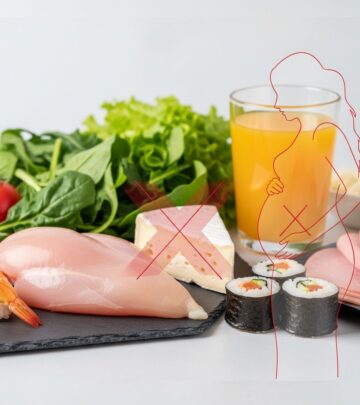
- High-mercury fish (shark, swordfish)
- Raw/undercooked meats, eggs, sushi
- Unpasteurized dairy/juices
- Caffeine (<200mg/day), sugary drinks
Frequently Asked Questions (FAQs)
What if I’m vegetarian during pregnancy?
Focus on eggs, dairy, legumes, fortified grains, and low-mercury plant omega-3 sources like chia. Consult a doctor for supplements.
How much weight should I gain?
Depends on pre-pregnancy BMI; typically 25-35 lbs for normal weight. Nutrient-dense foods support healthy gain.
Are prenatal vitamins enough?
They supplement but don’t replace food sources, especially choline. Eat varied diet.
Can I eat sushi?
Avoid raw fish; cooked rolls are safer.
What about nausea?
Small, frequent meals with crackers, ginger, bland foods help.
References
- Eat Healthy During Pregnancy: Quick Tips — U.S. Department of Health and Human Services (odphp.health.gov). 2023. https://odphp.health.gov/myhealthfinder/pregnancy/nutrition-and-physical-activity/eat-healthy-during-pregnancy-quick-tips
- Have a Healthy Diet in Pregnancy — National Health Service (NHS). 2024. https://www.nhs.uk/pregnancy/keeping-well/have-a-healthy-diet/
- Dietary Advice Before and During Pregnancy — U.S. Food and Drug Administration (FDA). 2024. https://www.fda.gov/food/people-risk-foodborne-illness/dietary-advice-and-during-pregnancy
- Nutrition Information for Pregnancy and Breastfeeding — MyPlate.gov (USDA). 2024. https://www.myplate.gov/life-stages/pregnancy-and-breastfeeding
Similar Articles








Read full bio of medha deb