Foods That Reduce Stress And Anxiety: Evidence-Based Guide
Discover nutritious foods proven to lower stress and anxiety naturally.
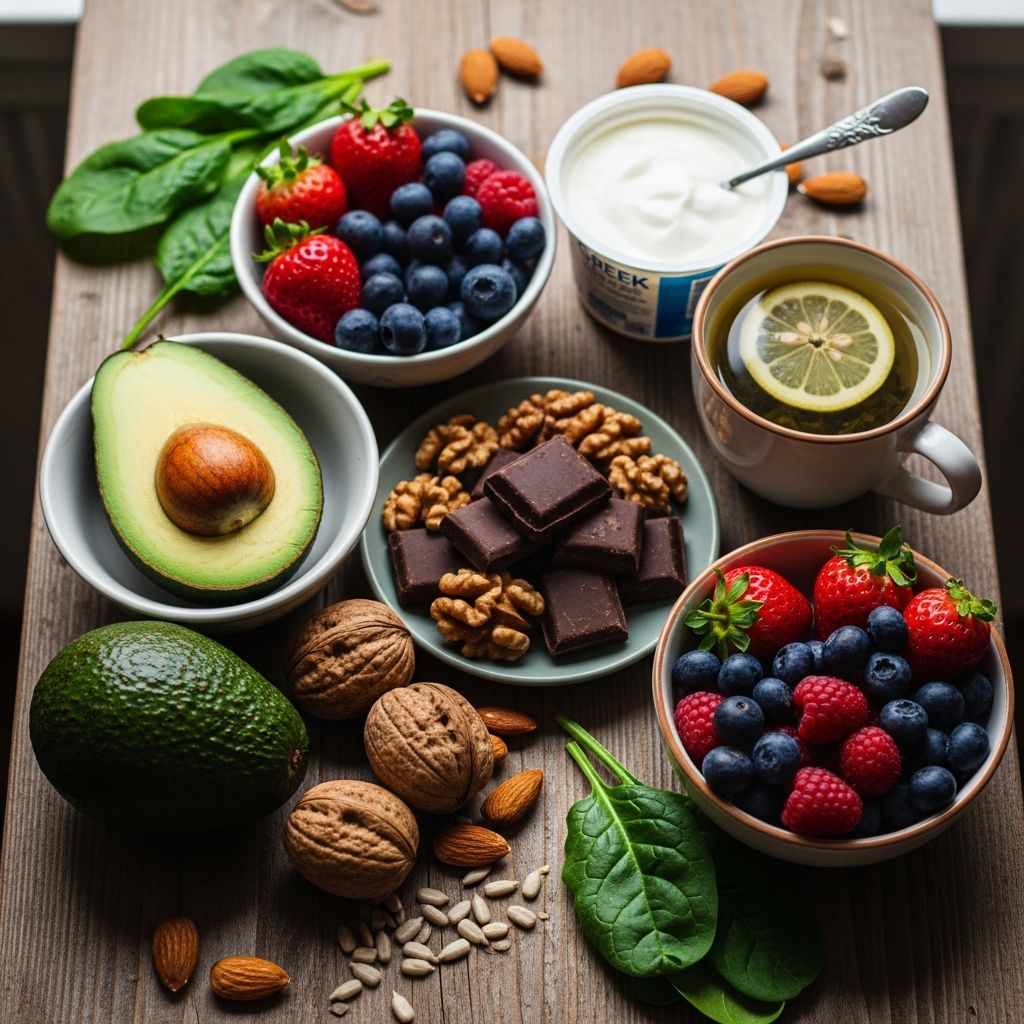
Stress and anxiety are increasingly common in our modern lives, affecting our physical health, mental wellbeing, and quality of life. While there are many strategies to manage stress, one powerful and often overlooked approach is through dietary choices. Research demonstrates that certain foods can help regulate stress hormones, support brain function, and promote a sense of calm. By incorporating stress-reducing foods into your daily diet, you can take a proactive step toward managing anxiety and improving your overall mental health.
Understanding How Food Affects Stress and Anxiety
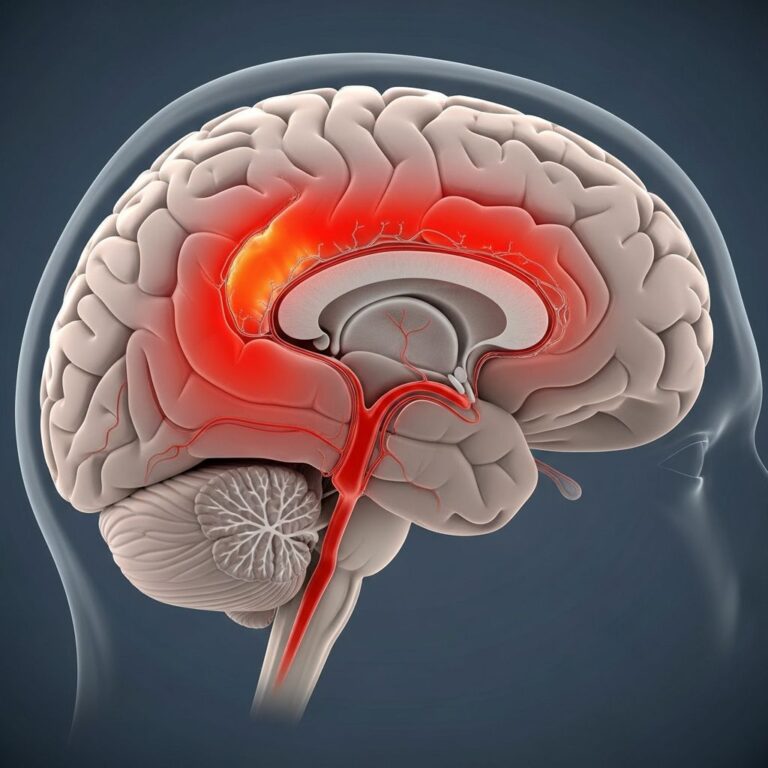
The connection between diet and mental health is well-established. Foods we consume directly influence neurotransmitters—chemical messengers in the brain that regulate mood, sleep, and emotional responses. One crucial neurotransmitter is serotonin, often called the “happiness chemical.” When serotonin levels are low, we experience increased depression and stress; when levels are high, we tend to feel greater joy, calmness, and better sleep. Additionally, certain foods can reduce inflammatory markers in the body that are associated with anxiety disorders.
The gut-brain connection is another important consideration. Up to 90 percent of the body’s serotonin is produced in the intestines, meaning that gut health directly impacts mental health. By choosing foods that support gut bacteria and reduce inflammation throughout the body, we can create a foundation for better stress management.
Complex Carbohydrates for Mood Stability
Complex carbohydrates are among the most effective foods for stress relief. These foods help maintain steady blood sugar levels and increase serotonin production in the brain, creating a calming effect. Unlike simple sugars that cause energy crashes, complex carbohydrates provide sustained energy and stable moods.
Excellent sources of complex carbohydrates include:
- Oatmeal – a comfort food rich in nutrients that regulate serotonin and promote relaxation
- Whole grain breads and cereals
- Quinoa
- Brown rice
- Sweet potatoes
- Legumes including beans and lentils
A practical tip: When preparing oatmeal, avoid refined sugar and instead top it with naturally sweet ingredients like apples and raisins for added vitamin C. This approach provides sustained stress relief without the blood sugar spikes associated with refined sugars.
Omega-3 Fatty Acids and Fish
Omega-3 fatty acids are essential fats particularly beneficial for brain health and stress reduction. These nutrients have been shown to keep the stress hormone cortisol under control and regulate adrenaline levels. Research indicates that individuals consuming adequate omega-3 fatty acids experience significantly less anxiety than those with lower intake.
Fish rich in omega-3s include:
- Salmon
- Tuna
- Halibut
- Mackerel
- Sardines
For those who don’t eat fish, plant-based omega-3 options are available:
- Chia seeds
- Flaxseeds
- Hemp hearts
- Algae
- Avocados
The mechanism behind omega-3s’ effectiveness involves anti-inflammatory and neurochemical effects that directly benefit brain function and reduce anxiety markers.
Berries and Antioxidant-Rich Foods
Colorful berries are stress-fighting powerhouses. Strawberries, raspberries, blueberries, and blackberries contain high amounts of vitamin C, which helps the body regulate blood pressure and cortisol levels after high stress. Beyond stress relief, berries provide antioxidants and fiber that support overall health.
The vibrant colors of fruits and vegetables indicate their nutritional density. Darker, more colorful produce generally contains richer nutritional content and more powerful antioxidants. These antioxidants help reduce inflammation throughout the body, including in the brain, which is elevated in individuals with anxiety.
Related Stories



To incorporate berries into your diet:
- Enjoy them as a standalone snack
- Mix fresh or frozen berries into smoothies
- Add to oatmeal or yogurt
- Combine in salads for added sweetness and nutrition
Leafy Greens and Vegetables
Vegetables, particularly leafy greens, are essential components of a stress-reducing diet. Asparagus, for example, is high in iron and folate (a B vitamin) that supports mood and brain health while reducing feelings of depression and anxiety. Spinach is another excellent choice, containing tryptophan—a precursor to serotonin production.
Vegetables support stress relief in multiple ways:
- High in dietary fiber, which reduces inflammation in the body and brain
- Rich in vitamins and minerals that support neurotransmitter function
- Provide nourishment to beneficial gut bacteria
- Low in calories while being nutrient-dense
Aim for a colorful plate with vegetables of different hues. Preparation methods are flexible—asparagus can be eaten fresh, grilled, steamed, sautéed, or broiled with olive oil. The key is consistent consumption of a variety of vegetables to maximize nutritional benefits.
Protein-Rich Foods and Amino Acids
Protein is fundamental for maintaining muscle mass, providing sustained energy, and supporting neurotransmitter function. Eating protein at breakfast helps stabilize blood sugar throughout the day and provides sustained energy. Quality protein sources that support stress reduction include:
- Fish and seafood (salmon, tuna, oysters)
- Poultry (chicken, turkey)
- Eggs
- Yogurt
- Nuts and seeds
- Beans and lentils
- Tofu and plant-based alternatives
Oysters deserve special mention as a stress-relieving food. While known as an aphrodisiac, oysters are packed with zinc, which boosts serotonin levels. They also contain B vitamins and magnesium—nutrients that support mood and relieve symptoms of anxiety and depression. Magnesium specifically helps with fatigue, headaches, and other physical manifestations of stress.
Nuts, Seeds, and Healthy Fats
Nuts and seeds are convenient sources of magnesium and other minerals essential for stress management. These foods provide:
- Magnesium – supports mood and reduces physical stress symptoms
- Healthy fats – improve brain function and emotional regulation
- Fiber – supports gut health and reduces inflammation
- Protein – provides sustained energy and mood stability
Particularly beneficial seeds include chia and flaxseeds, which are rich in omega-3 fatty acids. A simple strategy is to incorporate nuts and seeds into salads, smoothies, or eat them as convenient snacks throughout the day.
Fermented Foods and Gut Health
The gut-brain axis plays a critical role in mental health. Fermented foods contain beneficial probiotics that support gut microbiota, which in turn influences mood and anxiety levels. Quality fermented food sources include:
- Kefir
- Sauerkraut
- Kimchi
- Kombucha
- Miso
- Tempeh
- Apple cider vinegar
- Fermented vegetables (carrots, cauliflower, green beans, radishes, broccoli)
Including fermented foods in your diet supports the growth of beneficial bacteria that produce neurotransmitters and reduce intestinal inflammation, both of which impact anxiety and stress levels.
Calming Herbal Teas
Tea provides more than just hydration—it contains powerful compounds that promote relaxation. Flavonoids and L-theanine found in tea exhibit soothing properties that reduce blood pressure and cortisol levels, aiding stress relief. Different teas offer various benefits:
- Green tea – contains L-theanine for calmness and antioxidants
- Black tea – offers flavonoids and stress-reducing compounds
- Chamomile tea – traditionally used for relaxation and anxiety relief
- Peppermint tea – soothes digestion and promotes calm
The ritual of brewing and sipping a warm cup of tea can itself be a stress-relieving practice, combining the psychological comfort of the activity with the physiological benefits of the beverage.
Stress-Busting Herbs and Spices
Several herbs have demonstrated anti-anxiety properties and can be easily incorporated into daily meals:
- Turmeric – Known for antioxidant properties, turmeric may increase blood circulation to the brain, aiding feelings of calmness. Add a pinch of black pepper to enhance its bioavailability. A teaspoon can be added to soups, smoothies, tea, or chia pudding.
- Basil – Offers both immune-enhancing and calming properties that help reduce stress
- Lemon balm – Studies show this herb has soothing effects and can decrease stress-related hormones in the body
These herbs and spices not only enhance flavor but provide therapeutic benefits that support mental health alongside their culinary appeal.
Foods to Avoid When Stressed
While certain foods support stress relief, others can worsen anxiety and emotional distress. Understanding what to limit is as important as knowing what to eat:
- Processed foods with high saturated fat – Avoid foods containing more than 1.5g of saturated fat per 100g, particularly during stressful periods
- Trans fats – Eliminate trans fats from your diet entirely
- Excessive caffeine – While some caffeine may be acceptable, excessive consumption can increase anxiety and stress hormones
- Alcohol – Consume in moderation or avoid entirely, as it can exacerbate anxiety and disrupt sleep
- Simple sugars and refined carbohydrates – These cause blood sugar spikes and crashes that worsen mood and energy levels
When stressed, it’s tempting to reach for sugary snacks, chocolate, crisps, and convenience foods. However, these provide temporary comfort followed by energy crashes and increased anxiety. Building awareness of these patterns helps you make healthier choices during stressful periods.
Creating a Stress-Reducing Diet
Implementing dietary changes for stress relief doesn’t require a complete overhaul. Instead, focus on gradually incorporating more stress-reducing foods:
- Start with breakfast – include protein and complex carbohydrates to stabilize blood sugar
- Add colorful vegetables to every meal to maximize antioxidant intake
- Choose oily fish 2-3 times weekly for omega-3 benefits
- Snack on nuts, seeds, and berries rather than processed alternatives
- Replace sugary drinks with herbal teas
- Include fermented foods regularly to support gut health
- Cook with stress-reducing herbs and spices
These dietary adjustments work synergistically to reduce inflammation, stabilize neurotransmitters, and support both physical and mental health.
Frequently Asked Questions
Q: How quickly will dietary changes help reduce my anxiety?
A: Some people notice improvements in mood and stress levels within days of dietary changes, while others may take weeks. Consistent consumption of stress-reducing foods is necessary to see sustained benefits. Consider keeping a food and mood journal to track your individual response.
Q: Is dark chocolate helpful for stress relief?
A: While chocolate contains compounds that may have mood-boosting properties, it’s important to choose dark chocolate with minimal added sugar and consume it in moderation. The sugar and stimulants in processed chocolate can actually increase anxiety rather than reduce it.
Q: Can diet alone cure anxiety disorders?
A: Diet is a supportive tool that can help manage stress and anxiety symptoms, but it should complement other evidence-based treatments such as therapy or medication if recommended by a healthcare provider. Discuss dietary changes with your doctor, particularly if you have diagnosed anxiety disorders.
Q: Are supplements better than whole foods for stress relief?
A: Whole foods provide stress-reducing nutrients along with fiber, antioxidants, and other beneficial compounds that supplements cannot replicate. Obtaining nutrients through food is generally more effective and provides a more complete nutritional profile.
Q: How much omega-3 fatty acids do I need daily?
A: Research suggests that approximately 2.5g per day of omega-3 PUFAs (composed of EPA and DHA) can reduce anxiety. This can be achieved through consuming fatty fish 2-3 times weekly or combining plant-based sources like chia seeds, flaxseeds, and algae throughout the week.
Q: What if I have dietary restrictions or allergies?
A: There are stress-reducing options within virtually every dietary approach. Vegans and vegetarians can obtain omega-3s from algae and seeds; those avoiding fish can use poultry and plant proteins; those with gluten sensitivities can choose gluten-free whole grains like quinoa. Consult with a healthcare provider or nutritionist to ensure your stress-reducing diet meets your individual needs.
References
- Top Foods to Relieve Stress and Anxiety — Allina Health. 2024. https://www.allinahealth.org/healthysetgo/nourish/top-foods-to-relieve-stress
- 4 Ways to Fight Stress and Anxiety with Food — Baylor Scott & White Health. 2024. https://www.bswhealth.com/blog/foods-lower-stress
- Eat to Beat Stress — National Institutes of Health, PMC. 2020. https://pmc.ncbi.nlm.nih.gov/articles/PMC7781050/
- Coping with Anxiety: Can Diet Make a Difference? — Mayo Clinic. 2024. https://www.mayoclinic.org/diseases-conditions/generalized-anxiety-disorder/expert-answers/coping-with-anxiety/faq-20057987
- Foods for Stress Relief — Patient.info. 2024. https://patient.info/features/mental-health/foods-for-stress-relief
- 8 Foods That Impact Stress — MD Anderson Cancer Center. 2024. https://www.mdanderson.org/cancerwise/8-foods-that-impact-stress.h00-159459267.html
Similar Articles








Read full bio of medha deb