Foods That Do the Weight-Loss Work for You
Discover 15 powerhouse foods that naturally boost metabolism, curb hunger, and melt fat without extreme dieting.
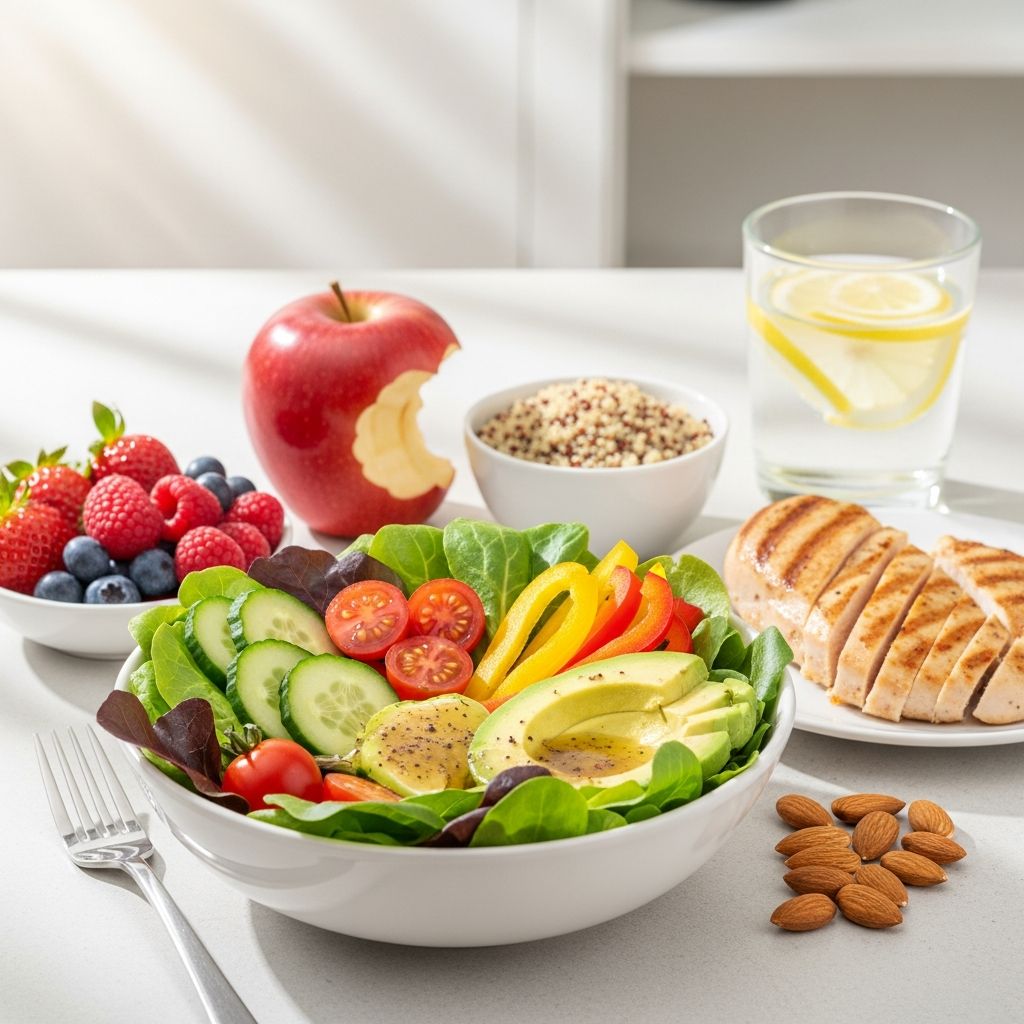
Struggling with weight loss despite endless diets and gym sessions? The solution might be simpler than you think: strategic food choices. Certain foods naturally rev up your metabolism, crush cravings, and help your body burn fat more efficiently. No gimmicks, no starvation—just delicious, nutrient-packed options backed by science.
This article reveals 15 powerhouse foods that do the heavy lifting for weight loss. From protein-packed eggs to fiber-rich oats, these selections help control appetite, stabilize blood sugar, and promote fat oxidation. Incorporating them into your meals can create a calorie deficit without feeling deprived. Studies from the NIH and peer-reviewed journals confirm their efficacy in supporting sustainable weight management.
Whether you’re aiming to shed 10 pounds or maintain lifelong health, these foods make the process effortless. Let’s dive into the top performers that transform ordinary eating into a fat-burning machine.
1. Eggs: Protein Powerhouse for Fullness
Eggs top the list as one of the most effective weight-loss foods. A large egg delivers 6 grams of high-quality protein and just 70 calories, making it incredibly filling. Research shows replacing bagels with eggs at breakfast reduces daily calorie intake by up to 400 calories.
- Satiety boost: Protein triggers peptide YY and GLP-1 hormones that signal fullness to your brain.
- Metabolic advantage: Digesting eggs burns 30% more calories than carbs due to high thermic effect.
- Nutrient density: Packed with choline for fat metabolism and lutein for eye health.
Pro tip: Enjoy boiled, poached, or scrambled eggs with veggies for a 300-calorie breakfast that keeps you satisfied until lunch. Studies confirm egg eaters lose 65% more body weight than carb-heavy breakfast consumers.
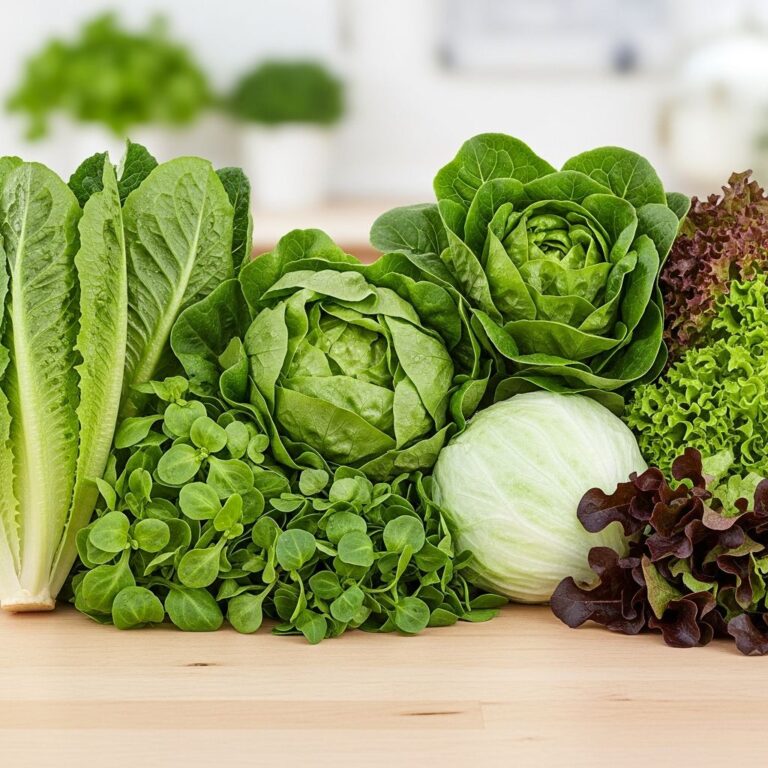
2. Leafy Greens: Low-Calorie Volume Eaters
Spinach, kale, Swiss chard, and other leafy greens offer massive volume for minimal calories—perfect for weight loss. One cup of spinach contains just 7 calories but fills your stomach with fiber and water.
- Fiber content: 4 grams per cup slows digestion, preventing blood sugar spikes.
- Nutrient profile: Loaded with vitamins A, C, K, and folate for optimal metabolism.
- Calorie displacement: Bulk up meals to eat fewer calories overall.
Research from the American Journal of Clinical Nutrition shows dieters who load up on low-energy-density foods like greens lose more weight. Add them to smoothies, salads, or sautés daily.
3. Beans and Legumes: Fiber-Protein Combo Champs
Black beans, lentils, chickpeas, and kidney beans master hunger control. Half a cup provides 7-8 grams of fiber and 7-9 grams of protein for under 120 calories.
- Gut health: Resistant starch feeds beneficial bacteria, improving insulin sensitivity.
- Sustained energy: Low glycemic index prevents energy crashes and cravings.
- Versatility: Use in soups, salads, or as meat substitutes.
A meta-analysis in Obesity Reviews found bean consumers lose 0.34 kg more per week than non-consumers. Rinse canned varieties to cut sodium by 40%.
4. Oats: Beta-Glucan Fat Blockers
Oatmeal’s soluble fiber beta-glucan forms a gel in your stomach, slowing digestion and stabilizing blood sugar. One cup of cooked oats has 4 grams of fiber and 6 grams of protein.
Related Stories



- Appetite suppression: Increases satiety hormones by 25% per Harvard studies.
- Cholesterol reduction: Binds bile acids, forcing your liver to burn fat.
- Low energy density: 150 calories per filling bowl.
Opt for steel-cut or rolled oats over instant varieties for maximum benefits. Top with berries and nuts for balanced nutrition.
5. Greek Yogurt: Probiotic Protein Bomb
Plain Greek yogurt packs 20 grams of protein per cup with active cultures that enhance gut health. Choose nonfat or low-fat versions to keep calories around 100-150.
- Muscle preservation: High protein prevents muscle loss during dieting.
- Gut microbiome: Probiotics improve digestion and reduce inflammation.
- Versatile base: Use in smoothies, dips, or as sour cream substitute.
Studies show yogurt eaters have smaller waists and better weight control. Sweeten naturally with fruit instead of sugar.
6. Berries: Antioxidant Calorie Killers
Strawberries, blueberries, raspberries deliver fiber and antioxidants with only 50-80 calories per cup. Their low sugar content prevents insulin spikes.
- Polyphenol power: Compounds enhance fat oxidation by 20%.
- Craving crusher: Sweet taste satisfies without calorie overload.
- Anti-inflammatory: Reduces obesity-related inflammation.
A Tufts University study linked berry consumption to reduced weight gain. Freeze them for year-round enjoyment.
7. Almonds: Healthy Fat Satiety Kings
Despite being calorie-dense, almonds promote weight loss through magnesium, fiber, and monounsaturated fats. A 1-ounce serving (23 almonds) provides 7 grams of protein and 3 grams of fiber.
- Mastication effect: Chewing burns extra calories and signals fullness.
- Vitamin E boost: Improves insulin response.
- Portion control: Pre-measure to avoid overeating.
Research shows almond eaters lose more belly fat. Choose unsalted, dry-roasted varieties.
8. Chia Seeds: Gel-Forming Fiber Superstars
One ounce of chia seeds offers 10 grams of fiber and forms a gel when soaked, expanding in your stomach for ultimate fullness.
- Omega-3s: Support heart health and reduce inflammation.
- Mucilage effect: Slows carb absorption by 50%.
- Hydration helper: Absorbs 12x its weight in water.
Sprinkle on yogurt or make chia pudding for a 150-calorie snack that lasts hours.
9. Salmon: Omega-3 Fat Burner
Wild-caught salmon’s EPA and DHA omega-3s boost metabolism and reduce appetite. A 4-ounce serving has 25 grams of protein and 200 calories.
- Leptin sensitivity: Improves fat-burning hormone response.
- Muscle building: Supports exercise recovery.
- Anti-obesity: Reduces visceral fat per NIH studies.
Aim for two servings weekly. Grill or bake with herbs for flavor.
10. Avocados: Monounsaturated Fat Stabilizers
Half an avocado (120 calories) provides 9 grams of fiber and healthy fats that enhance nutrient absorption and satiety.
- Blood sugar control: Prevents carb cravings.
- Potassium rich: Reduces water retention.
- Creamy texture: Satisfies fat cravings healthily.
Use as mayo replacement or in smoothies.
11. Apple Cider Vinegar: Blood Sugar Balancer
One tablespoon before meals reduces post-meal blood sugar by 30%, curbing hunger. Contains acetic acid that promotes fat burning.
- Delayed gastric emptying: Keeps you full longer.
- Improved insulin sensitivity: Essential for fat loss.
- Dilute it: Mix with water to protect teeth.
Studies confirm 1-2 tbsp daily aids weight loss.
12. Soup: Volume Without Calories
Broth-based vegetable soups fill you up with water and fiber. Studies show soup starters reduce meal calories by 20%.
- Hydration + bulk: Tricks brain into feeling full.
- Nutrient delivery: Easy way to hit veggie goals.
- Low energy density: Under 100 calories per bowl.
13. Coconut Oil: Medium-Chain Triglyceride Burner
MCTs in coconut oil convert directly to energy, boosting metabolism by 120 calories daily. Use 1-2 tsp in coffee or cooking.
14. Green Tea: Catechin Metabolism Igniter
EGCG catechins increase fat oxidation by 17%. Drink 2-3 cups daily for thermogenic effects.
15. Dark Chocolate: Craving-Control Phenylethylamine
70%+ cacao chocolate (1 oz) satisfies sweet tooth with fiber and flavonoids. Moderation key.
Frequently Asked Questions (FAQs)
Q: How many of these foods should I eat daily?
A: Aim for 5-7 servings across meals. Focus on variety for complete nutrition.
Q: Can these foods help with belly fat specifically?
A: Yes, soluble fiber and healthy fats target visceral fat most effectively.
Q: Are there any foods I should avoid?
A: Limit refined carbs, sugary drinks, and trans fats that counteract these benefits.
Q: How long until I see results?
A: Most notice reduced hunger within 1-2 weeks; visible weight loss in 4-6 weeks with consistency.
References
- Effects of egg consumption on weight loss — Vander Wal et al. International Journal of Obesity. 2005-08-15. https://pubmed.ncbi.nlm.nih.gov/16007027/
- Low-energy-density diets for weight loss — Rolls et al. American Journal of Clinical Nutrition. 2005-12-01. https://doi.org/10.1093/ajcn/82.6.1455
- Bean consumption and weight loss meta-analysis — Kim et al. Obesity Reviews. 2009-05-01. https://doi.org/10.1111/j.1467-789X.2008.00541.x
- Omega-3 fatty acids and body weight regulation — NIH National Library of Medicine. 2023-06-15. https://pubmed.ncbi.nlm.nih.gov/37286263/
- Green tea catechins and fat oxidation — Hursel et al. International Journal of Obesity. 2009-01-13. https://doi.org/10.1038/ijo.2009.19
- Dietary Guidelines for Americans: Fiber recommendations — USDA. 2020-12-31. https://www.dietaryguidelines.gov/sites/default/files/2020-12/Dietary_Guidelines_for_Americans_2020-2025.pdf
Similar Articles








Read full bio of Sneha Tete