Foods That Fight Inflammation: A Healthy Diet Guide
Discover powerful anti-inflammatory foods that reduce chronic disease risk and boost wellness.
Foods That Fight Inflammation: A Comprehensive Guide to Anti-Inflammatory Eating
Chronic inflammation is a silent contributor to many serious health conditions, including cardiovascular disease, type 2 diabetes, rheumatoid arthritis, and cognitive decline. While our bodies require inflammation as a natural immune response, persistent low-grade inflammation can damage tissues and accelerate disease development. The good news is that dietary choices play a significant role in managing inflammation levels. By incorporating anti-inflammatory foods into your daily diet, you can help reduce inflammatory markers and lower your risk of chronic diseases.
Understanding Anti-Inflammatory Foods
An anti-inflammatory diet emphasizes whole, minimally processed foods rich in antioxidants, fiber, and phytochemicals—plant compounds that help protect cells from damage. Unlike restrictive eating plans that focus on calories or portion control, an anti-inflammatory approach prioritizes food variety and quality. The Mediterranean diet, DASH diet, and vegetarian diets are popular dietary patterns that naturally incorporate many anti-inflammatory foods.
These foods work through multiple mechanisms to reduce inflammation. They provide essential nutrients that prevent cellular stress, inhibit inflammatory signals from the immune system, promote healthy gut bacteria, and stabilize blood sugar levels. Some compounds in these foods may work synergistically to enhance protective effects.
Top Anti-Inflammatory Foods to Include
Colorful Fruits and Vegetables
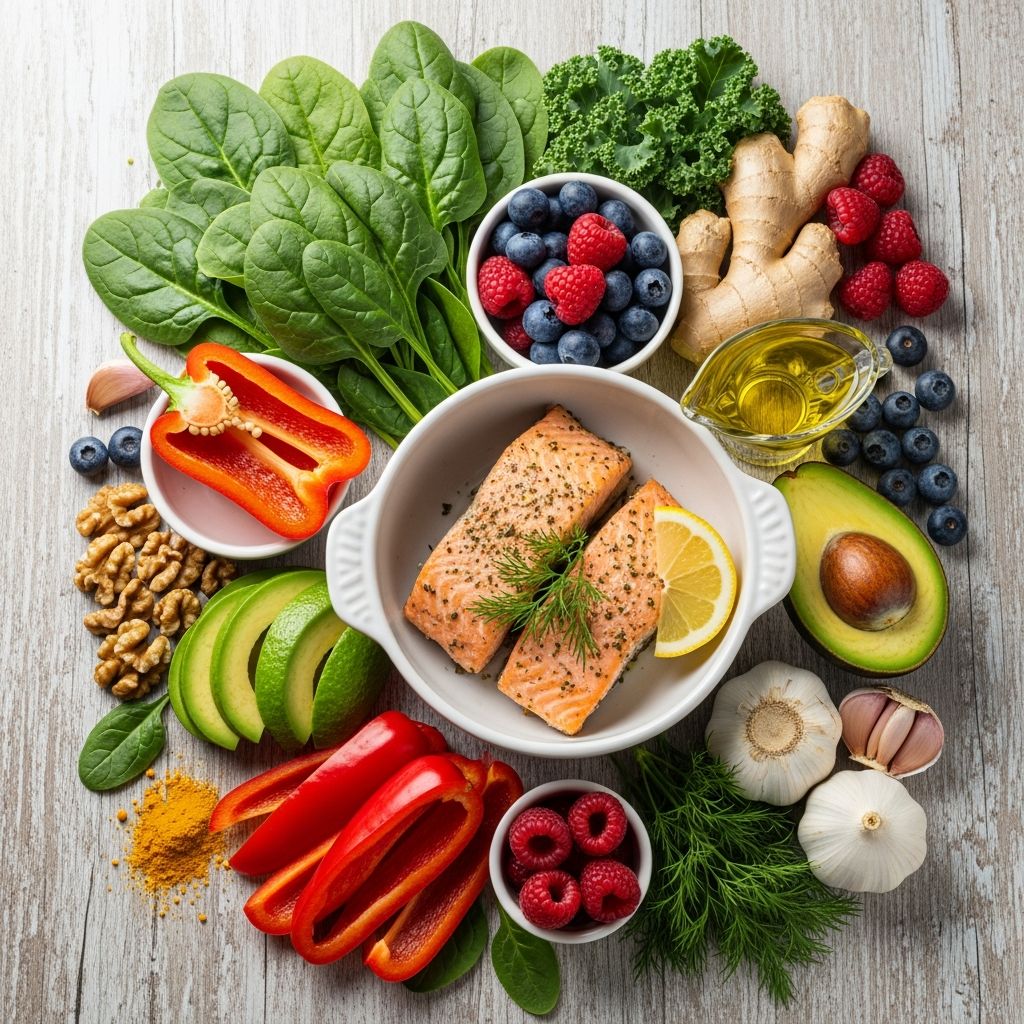
Fruits and vegetables are the foundation of any anti-inflammatory diet. The vibrant colors in produce indicate the presence of different antioxidants and phytochemicals. Leafy greens like spinach, kale, and broccoli, along with dark yellow vegetables such as carrots, peppers, and pumpkin, are particularly potent anti-inflammatory choices. Berries are especially beneficial, as they’re packed with antioxidants that combat free radicals contributing to chronic inflammation. These colorful vegetables and fruits should form the bulk of your meals.
Whole Grains and Legumes
High-fiber whole grains like brown rice, quinoa, and oats provide sustained energy without triggering rapid blood sugar spikes that promote inflammation. Legumes—including beans, lentils, and chickpeas—offer plant-based protein, fiber, and polyphenols with potent anti-inflammatory properties. These foods support diverse beneficial gut microbiota, which plays a crucial role in reducing low-grade inflammation and metabolic endotoxemia.
Healthy Fats
Not all fats are created equal. Monounsaturated fats found in avocados, olive oil, nuts, and seeds actively dampen inflammation. More importantly, omega-3 polyunsaturated fats exert powerful anti-inflammatory effects by reducing the production of prostaglandins—substances that amplify inflammation. Cold-water fish like salmon, sardines, mackerel, and herring are excellent omega-3 sources. Plant-based alternatives include ground flaxseed, flaxseed oil, walnuts, and chia seeds.
Beverages and Seasonings
Coffee and tea—particularly green tea—supply abundant antioxidants that combat free radicals. Dark chocolate containing at least 70 percent cocoa solids provides flavonoids with anti-inflammatory benefits. Culinary herbs and spices deserve special attention: turmeric and ginger have well-documented anti-inflammatory properties and should be incorporated into regular cooking. Moderate alcohol consumption, particularly wine and beer, may offer anti-inflammatory benefits when consumed responsibly.
Foods That Promote Inflammation
To successfully reduce inflammation, it’s equally important to limit or eliminate pro-inflammatory foods. Understanding what to avoid helps create a balanced anti-inflammatory lifestyle.
Unhealthy Fats
Trans fats found in hydrogenated oils, certain margarine brands, and fried foods are strongly pro-inflammatory. Research shows trans-fatty acids are linked to greater inflammation, particularly in overweight individuals. Saturated fats from red meat, full-fat dairy products, butter, and poultry skin also contribute to chronic inflammation when consumed in excess. Additionally, excessive omega-6 polyunsaturated fats from vegetable oils like corn, safflower, and cottonseed oil can promote inflammatory responses.
Related Stories



Refined Carbohydrates and Processed Foods
Refined carbohydrates, sugary foods, desserts, and ultra-processed foods trigger free-radical formation and rapid blood sugar spikes. These foods often contain saturated and trans fats while lacking protective antioxidants. Red and processed meats, refined grains, and sugary beverages like soda significantly increase inflammation markers and cardiovascular disease risk. Individuals with rheumatoid arthritis often report worsened symptoms after consuming red meat, alcohol, and soda.
Anti-Inflammatory Diet Patterns
Mediterranean Diet
The Mediterranean diet stands out as one of the most researched anti-inflammatory eating patterns. This approach emphasizes fresh fruits, vegetables, legumes, nuts, seafood, and olive oil. Research published in major medical journals demonstrates that this dietary pattern significantly decreases inflammation markers compared with low-fat diets, particularly benefiting those at risk for cardiovascular disease.
DASH Diet
The Dietary Approaches to Stop Hypertension (DASH) diet shares many anti-inflammatory principles with the Mediterranean diet. It emphasizes whole grains, fruits, vegetables, lean proteins, and healthy fats while limiting sodium and added sugars. The DASH diet effectively reduces blood pressure and inflammation markers associated with cardiovascular disease.
MIND Diet
The MIND diet combines elements of both DASH and Mediterranean diets, creating an anti-inflammatory eating plan specifically designed for brain health. This diet includes whole grains, vegetables (especially leafy greens), berries, olive oil, beans, nuts, fish, and poultry while limiting fried and fast foods, butter, cheese, sweets, and red meat. Research involving over 900 older adults found that adherence to the MIND diet significantly reduced Alzheimer’s disease incidence, a chronic pro-inflammatory condition.
Vegetarian and Vegan Diets
Plant-based diets centered on whole grains, fruits, vegetables, legumes, and nuts offer substantial anti-inflammatory benefits. A comprehensive meta-analysis of 17 studies found that following vegetarian diets—including vegan diets with no animal products and lacto-ovo-vegetarian diets including eggs and dairy—for at least two years was associated with significantly lower C-reactive protein levels, a key inflammatory marker, compared with omnivores without dietary restrictions.
Research Evidence Supporting Anti-Inflammatory Eating
Cardiovascular Disease Prevention
Research published by the National Heart, Lung, and Blood Institute demonstrates that anti-inflammatory diets rich in colorful vegetables, fruits, and whole grains reduce cardiovascular disease risk. Participants consuming high amounts of leafy greens, dark yellow vegetables, berries, and whole grains experienced fewer cardiac-related events. Conversely, those eating higher proportions of pro-inflammatory foods showed increased risk for heart attack, stroke, and coronary heart disease.
Type 2 Diabetes Management
Anti-inflammatory dietary patterns reduce inflammation markers associated with type 2 diabetes. Studies show that individuals with the highest inflammatory diet scores faced twice the risk of developing type 2 diabetes compared with those following anti-inflammatory patterns.
Rheumatoid Arthritis Symptom Management
While standardized dietary guidelines for rheumatoid arthritis don’t exist, emerging research shows promise. Vegan diets, Mediterranean diets, and elimination diets avoiding specific allergens have suppressed pro-inflammatory cells and improved symptoms in rheumatoid arthritis patients. Fish and berries are particularly beneficial for symptom improvement in autoimmune conditions.
Practical Tips for Implementing an Anti-Inflammatory Diet
Meal Planning Strategies
Start by filling half your plate with colorful vegetables and fruits. Include a lean protein source—ideally fatty fish several times weekly. Choose whole grains over refined alternatives, and use olive oil as your primary cooking fat. Stock your pantry with anti-inflammatory herbs and spices like turmeric, ginger, cinnamon, and oregano to enhance meals without adding sodium or calories.
Gradual Dietary Transitions
Rather than making drastic changes, gradually replace pro-inflammatory foods with anti-inflammatory alternatives. Swap sugary beverages for coffee or tea, choose whole grain bread instead of white bread, and introduce fish into your weekly meal plans. These incremental changes create sustainable long-term dietary habits.
Food Quality Matters
Prioritize whole, minimally processed foods over packaged alternatives. Fresh produce, dried legumes, nuts, seeds, and whole grains offer superior nutritional profiles compared with their processed counterparts. When purchasing pre-packaged foods, read labels carefully to identify hidden sugars, trans fats, and excessive sodium.
Beyond Diet: A Comprehensive Anti-Inflammatory Lifestyle
While dietary choices form the foundation of inflammation management, other lifestyle factors significantly impact inflammation levels. Avoiding smoking, maintaining healthy blood pressure, getting adequate sleep (typically 7-9 hours nightly), and engaging in regular physical activity all contribute to reducing chronic inflammation. Stress management through meditation, yoga, or other relaxation techniques further supports anti-inflammatory efforts.
Frequently Asked Questions
Q: How quickly will I see results from an anti-inflammatory diet?
A: Some individuals notice improvements in energy levels and symptoms within weeks, though inflammation markers typically require several months of consistent dietary adherence to show measurable changes. Patience and consistency are essential for achieving long-term benefits.
Q: Can I follow an anti-inflammatory diet while maintaining my current weight?
A: Yes. An anti-inflammatory diet focuses on food quality rather than strict calorie counting. However, whole foods naturally tend to be less calorie-dense than processed alternatives, which often supports healthy weight management.
Q: Is an anti-inflammatory diet expensive?
A: Not necessarily. Seasonal produce, frozen vegetables and fruits, dried legumes, and bulk whole grains offer affordable anti-inflammatory options. Planning meals strategically and buying generic brands can make this approach budget-friendly.
Q: Are supplements necessary for an anti-inflammatory diet?
A: Most individuals can obtain sufficient anti-inflammatory compounds from whole foods. However, some people may benefit from omega-3 fish oil supplements if they don’t regularly consume fatty fish. Consult healthcare providers before starting any supplement regimen.
Q: Can children follow an anti-inflammatory diet?
A: Yes, children benefit from the same anti-inflammatory foods as adults. Emphasizing colorful fruits and vegetables, whole grains, and healthy fats supports healthy development and establishes lifelong nutritious eating habits.
Bottom Line
An anti-inflammatory diet represents a powerful, evidence-based approach to reducing chronic inflammation and lowering disease risk. By emphasizing whole fruits, vegetables, legumes, whole grains, and healthy fats while limiting pro-inflammatory processed foods, you can support your body’s natural healing mechanisms. The Mediterranean, DASH, MIND, and vegetarian dietary patterns all demonstrate remarkable anti-inflammatory benefits supported by rigorous scientific research. Start implementing these changes today, and commit to this healthful eating approach as a long-term investment in your wellbeing and disease prevention.
References
- Diet Review: Anti-Inflammatory Diet — Harvard T.H. Chan School of Public Health, The Nutrition Source. 2024. https://nutritionsource.hsph.harvard.edu/healthy-weight/diet-reviews/anti-inflammatory-diet/
- Anti-inflammatory diets may reduce the risk of cardiovascular disease — National Heart, Lung, and Blood Institute. 2020. https://www.nhlbi.nih.gov/news/2020/anti-inflammatory-diets-may-reduce-risk-cardiovascular-disease
- Anti-Inflammation Lifestyle — Brigham and Women’s Hospital. 2024. https://www.brighamandwomens.org/patients-and-families/meals-and-nutrition/bwh-nutrition-and-wellness-hub/special-topics/anti-inflammatory-lifestyle
Similar Articles








Read full bio of medha deb