Foods That Have More Omega-3s Than Walnuts
Discover nutrient-packed foods surpassing walnuts in omega-3 content for heart, brain, and overall health benefits.
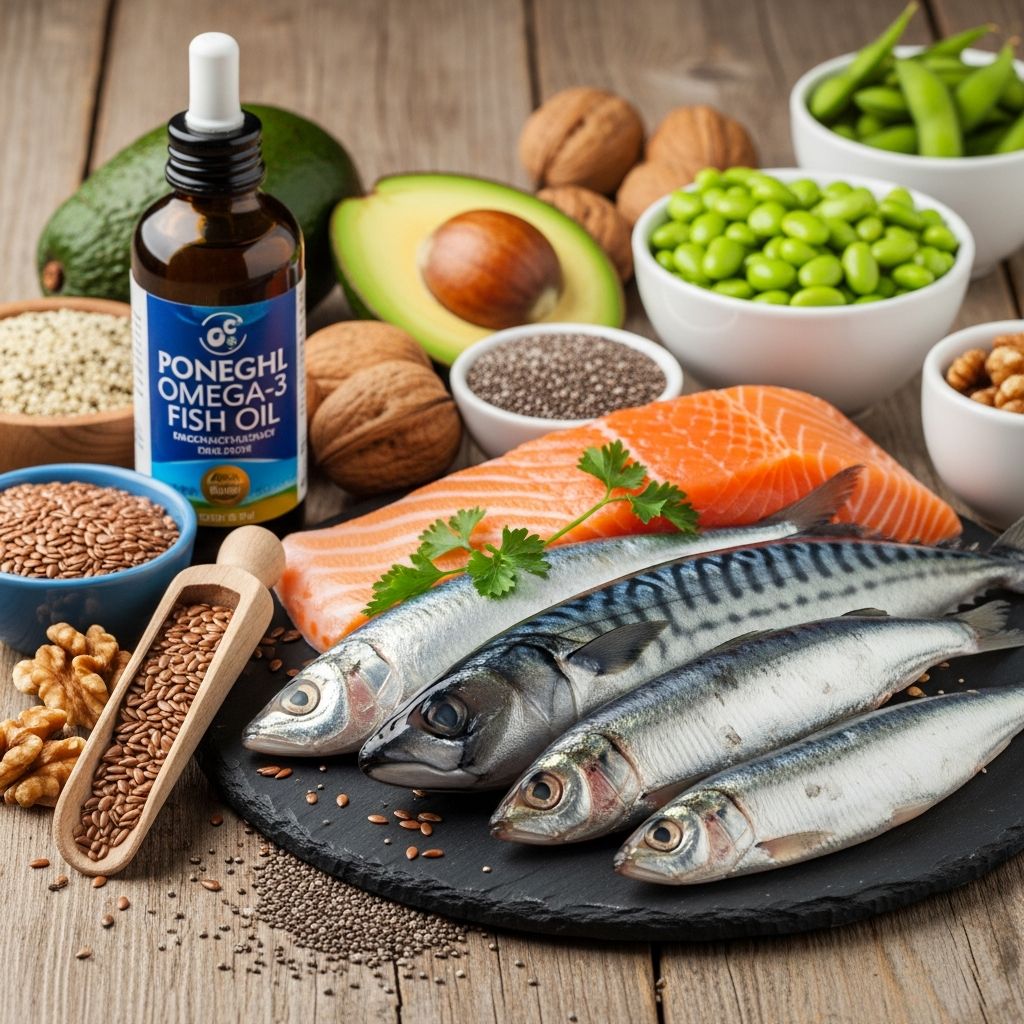
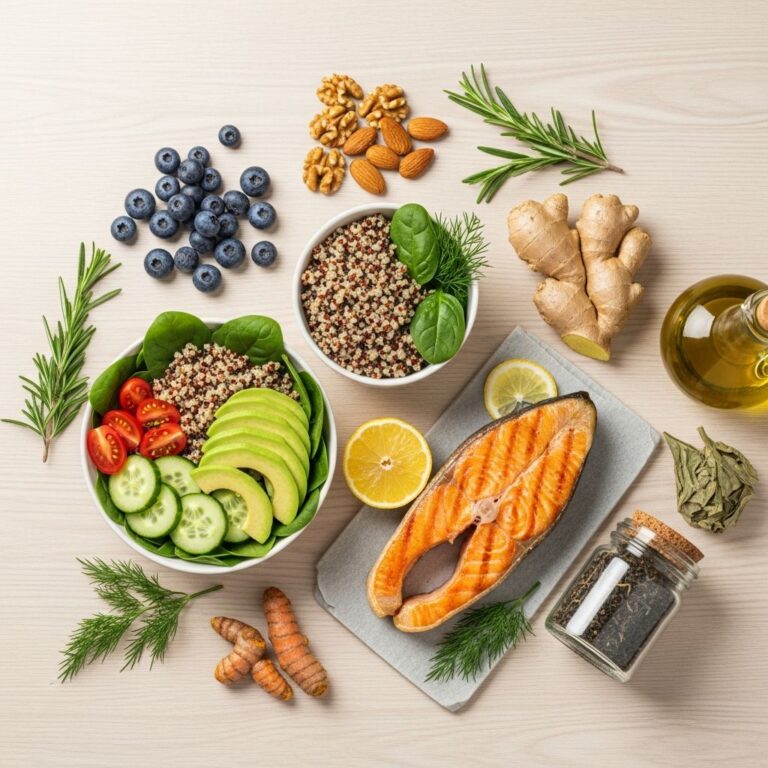
Walnuts are often praised for their omega-3 content, providing about 2.57 grams of ALA per ounce (28g, or roughly 14 halves), but several foods surpass this with higher levels of ALA or deliver bioavailable EPA and DHA forms. Omega-3 fatty acids are essential polyunsaturated fats crucial for heart health, reducing inflammation, supporting brain function, and more. While walnuts offer plant-based ALA, which the body converts inefficiently to EPA/DHA (at rates of 5-10% for EPA and 0.5-5% for DHA), animal sources like fatty fish provide direct EPA and DHA. This article highlights 12 superior options, backed by data from USDA FoodData Central and health authorities, to help you optimize your diet.
Why Omega-3s Matter More Than You Think
Omega-3s combat chronic diseases: EPA and DHA lower triglycerides, reduce blood pressure, and decrease heart disease risk, per NIH data. ALA supports cardiovascular health but is less potent. Adults need 1.1-1.6g ALA daily, plus 250-500mg EPA/DHA; many fall short, making food swaps vital. Unlike walnuts’ modest ALA boost, these foods pack more punch per serving.
Plant-Based Powerhouses: Seeds and Oils
Vegetarian options excel in ALA, often doubling walnuts’ content.
Chia Seeds
One tablespoon (about 10g) delivers 7.26g ALA, far exceeding walnuts’ per-ounce amount. Chia also provides 35% daily fiber from two tablespoons, aiding gut health by promoting beneficial bacteria and regularity. Rich in protein, calcium, and antioxidants, chia forms gels in liquids—perfect for puddings, smoothies, or overnight oats. Studies link chia to improved heart health via blood pressure reduction.
Flaxseeds and Flax Oil
One tablespoon flaxseeds offers 2.35g ALA; flax oil concentrates it to 7-8g per tablespoon, topping walnuts. Ground flax enhances absorption; add to baked goods, yogurt, or salads. Flax combats inflammation and supports hormone balance, though ALA conversion remains limited. UVA Health notes its versatility despite earthy taste.
Other Seeds and Soy
- Hemp Seeds: 1oz provides 3g ALA, plus complete protein and magnesium for muscle recovery.
- Soybeans/Edamame: ½ cup edamame yields 0.28g ALA, with protein and isoflavones for heart protection.
Fatty Fish: EPA and DHA Superstars
Marine sources shine with pre-formed EPA/DHA, ideal for brain and heart.
Mackerel
3.5oz (100g) Atlantic mackerel packs 4,580mg combined EPA/DHA—over 18x walnuts’ ALA equivalent. A 3oz serving gives 0.59g DHA + 0.43g EPA. Loaded with B12 (500% DV), selenium (133% DV), and protein, it’s low-mercury (avoid king variety). Grill, smoke, or eat canned for easy meals.
Salmon
3.5oz wild or farmed salmon delivers 2,150mg EPA/DHA; 3oz provides 1.24g DHA + 0.59g EPA. Packed with vitamin D, B vitamins, selenium, potassium, and astaxanthin antioxidant, salmon slashes heart disease and dementia risks. Bake, grill, or add to salads—aim for 2 servings weekly.
Herring
3oz herring offers 1.5g EPA/DHA, surpassing walnuts. Nutrient-dense with B12 and selenium, it’s sustainable and affordable smoked or pickled.
Sardines
3.5oz drained sardines: 1,463mg EPA/DHA; 3oz yields 2g. Whole fish provide calcium from edible bones, B12 (370% DV), and vitamin D (24% DV). Canned varieties are convenient, protein-rich snacks—toss in salads or eat straight.
Trout
3oz rainbow trout: 0.44g DHA + 0.40g EPA (0.84g total), plus 81% DV vitamin D for immunity and bone health. Freshwater-farmed, it’s milder than salmon; grill or bake.
Related Stories



Tuna (Light)
3oz canned light tuna: 0.54g DHA + 0.20g EPA. Affordable pantry staple with B6, B12, selenium; limit to 12oz weekly due to mercury.
Other Seafood Gems
- Shrimp: 3oz: 0.12g DHA + 0.12g EPA, plus astaxanthin and protein.
- Oysters: High in zinc and 6g+ EPA/DHA per 100g.
- Anchovies/Caviar: Potent, small servings pack 2g+ EPA/DHA.
Omega-3 Content Comparison Table
| Food | Serving Size | Omega-3 (g) | Type | Key Nutrients |
|---|---|---|---|---|
| Walnuts | 1oz (14 halves) | 2.57 | ALA | Fiber, copper, E |
| Chia Seeds | 1 Tbsp | 7.26 | ALA | Fiber, protein, Ca |
| Flax Oil | 1 Tbsp | 7-8 | ALA | Lignans |
| Mackerel | 3.5oz | 4.58 | EPA+DHA | B12, Se |
| Salmon | 3oz | 1.83 | EPA+DHA | D, astaxanthin |
| Sardines | 3oz | 2 | EPA+DHA | Ca, B12 |
| Herring | 3oz | 1.5 | EPA+DHA | B12, Se |
| Trout | 3oz | 0.84 | EPA+DHA | D (81% DV) |
Data synthesized from USDA, Healthline, UVA Health. Note: EPA/DHA values often exceed ALA gram-for-gram in bioavailability.
Easy Ways to Add These Foods to Your Diet
- Breakfast: Chia pudding with berries or flax in smoothies.
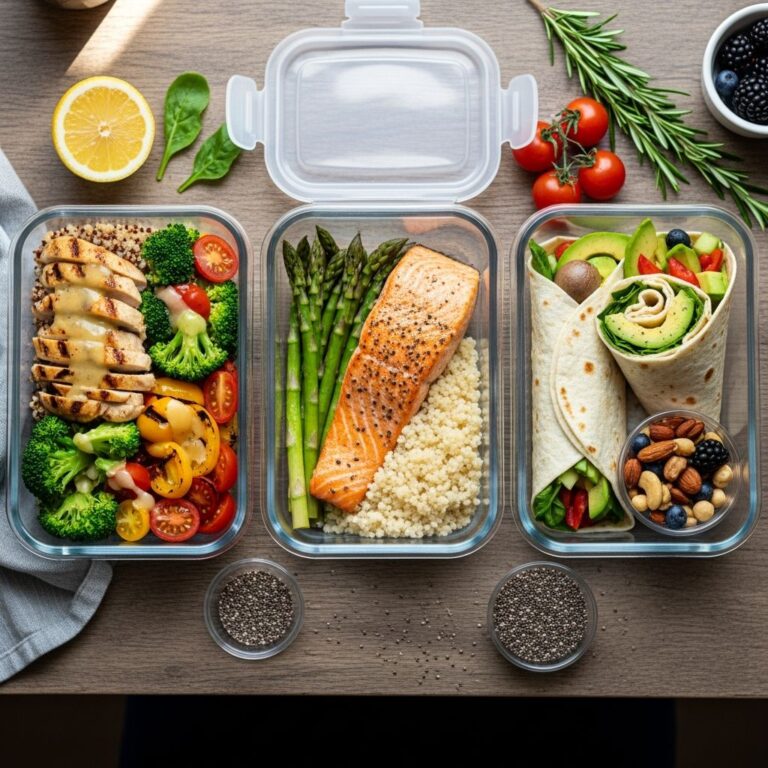
- Lunch: Salmon salad, sardine toast, or tuna wrap.
- Dinner: Grilled mackerel/trout, shrimp stir-fry.
- Snacks: Edamame, hemp seed trail mix.
- Pro tip: Choose wild-caught fish for max nutrients; grind seeds fresh.
Potential Risks and Considerations
Fish offers superior benefits but watch mercury in tuna/mackerel (stick to light/Atlantic). Vegetarians: algal oil supplements provide vegan DHA/EPA (0.5g/Tbsp). Consult doctors if pregnant or on blood thinners, as omega-3s may interact.
Frequently Asked Questions (FAQs)
What foods have more omega-3 than walnuts?
Chia seeds (7.26g ALA/Tbsp), flax oil, mackerel (4.58g EPA/DHA/3.5oz), salmon, sardines top the list.
Are plant omega-3s as good as fish?
No—ALA converts poorly to EPA/DHA; prioritize fish or algal oil for optimal benefits.
How much omega-3 do I need daily?
1.1-1.6g ALA for adults; 250-500mg EPA/DHA. Two fish servings weekly suffice.
Can I get enough from diet alone?
Yes, with fatty fish 2x/week and seeds daily—no supplements needed for most.
Is canned fish healthy for omega-3?
Absolutely—sardines/tuna retain nutrients; choose low-sodium, oil-packed.
References
- 10 foods with more Omega-3 than walnuts — Times of India. 2025-01-01. https://timesofindia.indiatimes.com/life-style/food-news/10-foods-with-more-omega-3-than-walnuts/articleshow/125978028.cms
- 12 Foods That Are Very High in Omega-3 — Healthline (Medically reviewed by Imashi Fernando, MS, RDN). 2025-05-12. https://www.healthline.com/nutrition/12-omega-3-rich-foods
- Foods Rich in Omega 3 You’ll Actually Like — UVA Health. 2024-01-01. https://www.uvahealth.com/healthy-balance/foods-rich-in-omega-3-youll-actually-like/
- 15 Foods High in Omega 3-6-9 Fatty Acids — AARP. 2024-01-01. https://www.aarp.org/health/healthy-living/foods-high-in-omega-fatty-acids/
- Omega-3 Fatty Acids – Health Professional Fact Sheet — NIH Office of Dietary Supplements (.gov). 2025-06-05. https://ods.od.nih.gov/factsheets/Omega3FattyAcids-HealthProfessional/
Similar Articles








Read full bio of Sneha Tete