Foods That Keep Blood Sugar Stable: Essential Guide
Discover nutrient-rich foods and smart eating strategies to maintain steady blood sugar levels and support overall health.
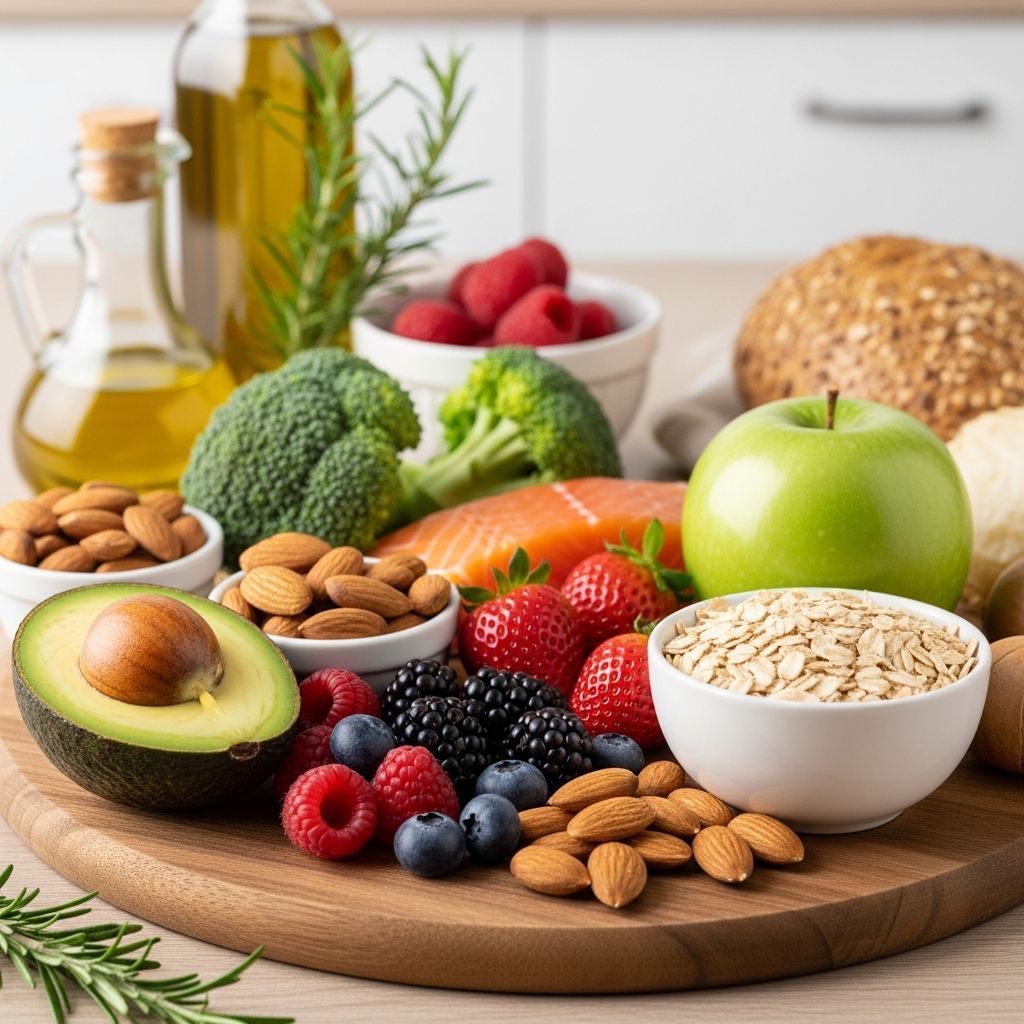
Maintaining stable blood sugar levels is crucial for energy, mood, and long-term health, especially for those managing diabetes or prediabetes. Foods rich in fiber, protein, and healthy fats slow glucose absorption, preventing spikes and crashes.
Why Stable Blood Sugar Matters
Blood sugar fluctuations can lead to fatigue, hunger, and increased risk of type 2 diabetes. A balanced diet with low-glycemic foods promotes gradual glucose release, supporting steady energy and metabolic health. Research shows diets high in whole grains and vegetables lower diabetes risk.
Non-Starchy Vegetables
Non-starchy vegetables are low in carbohydrates and high in fiber, making them ideal for blood sugar control. The American Diabetes Association (ADA) recommends 3–5 servings daily, such as 1/2 cup cooked or 1 cup raw.
- Broccoli: Packed with fiber and antioxidants, it slows carb digestion.
- Spinach and Kale: Leafy greens provide vitamins without raising glucose.
- Zucchini and Asparagus: Low-calorie, high-volume options for satiety.
- Cauliflower and Carrots: Versatile for meals, with minimal glycemic impact.
- Cucumber and Bell Peppers: Hydrating and crunchy, perfect for snacks.
Incorporate these into salads or sides to start meals, as fiber buffers glucose absorption.
Whole Grains
Whole grains retain their bran and germ, offering more fiber than refined grains, which leads to slower blood sugar rises. The USDA advises filling one-quarter of your plate with grains, at least half whole.
- Quinoa: Complete protein with a low glycemic index (GI).
- Brown Rice and Oats: Steady energy release; steel-cut oats are best for breakfast.
- Barley and Farro: High in soluble fiber for cholesterol and glucose control.
Studies link whole grain consumption to reduced type 2 diabetes risk, though moderation is key as they still contain carbs.
Legumes
Beans, lentils, and chickpeas combine protein, fiber, and complex carbs for excellent blood sugar stability. They have low glycemic loads (GL under 10).
- Lentils: Quick-cooking, versatile in soups and salads.
- Black Beans and Kidney Beans: Filling and nutrient-dense.
- Chickpeas: Great roasted or in hummus for snacks.
Research supports legumes for diabetes management due to their minimal impact on insulin.
Nuts and Seeds
Rich in healthy fats, protein, and fiber, nuts and seeds curb hunger and stabilize glucose without spiking it.
- Almonds and Walnuts: Portion-controlled handfuls for snacks.
- Chia and Flaxseeds: Omega-3s and gel-forming fiber slow digestion.
- Sunflower Seeds: Add to yogurt or salads.
Low GL foods like cashews and peanuts also fit here.
Healthy Fats
Unsaturated fats from avocados and oils slow carb digestion, promoting satiety. Pair with carbs for balance.
- Avocados: Monounsaturated fats for steady energy.
- Olive Oil: Drizzle on veggies; anti-inflammatory benefits.
- Fatty Fish like Salmon: Omega-3s support heart health alongside glucose control.
Lean Proteins
Protein has little direct effect on blood sugar but slows digestion when paired with carbs. Opt for low-saturated fat sources.
- Chicken, Turkey, Eggs: Versatile for any meal.
- Fish: Salmon, Tuna, Sardines: Anti-inflammatory and filling.
- Greek Yogurt (Unsweetened): Probiotic-rich for breakfast.
- Tofu and Tempeh: Plant-based options.
High-protein meals help maintain moderate weight and fullness.
Related Stories



Berries and Low-GI Fruits
Berries offer antioxidants and fiber with low sugar content, unlike high-GI fruits.
- Blueberries, Raspberries, Strawberries: Fresh or frozen for smoothies.
- Apples and Oranges: Low GL when whole.
Limit to small portions to avoid excess fructose.
Smart Eating Strategies
Beyond foods, meal composition matters for glucose control.
Balance Your Plate
Follow USDA guidelines: half non-starchy veggies, quarter protein, quarter whole grains.
Food Sequencing
Eat veggies and protein first, carbs last. Studies in Diabetes Care show this reduces post-meal spikes by up to 40%.
| Meal Order | Benefit | Example |
|---|---|---|
| 1. Veggies | Fiber buffer | Salad |
| 2. Protein/Fats | Slows digestion | Chicken + avocado |
| 3. Carbs | Controlled release | Quinoa |
Portion Control and Timing
Eat smaller, frequent meals to avoid overload. Include fiber-rich starts.
Foods to Limit or Avoid
Certain items cause rapid spikes; minimize them.
- Sugary drinks (soda, juices)
- Refined grains (white bread, rice)
- Processed foods with trans fats
- Sweetened yogurts and cereals
- Fried foods
Sample Meal Ideas
- Breakfast: Greek yogurt with berries, chia seeds, and oats.
- Lunch: Grilled chicken salad with leafy greens, quinoa, olive oil.
- Dinner: Baked salmon, broccoli, brown rice.
- Snack: Almonds with apple slices.
Frequently Asked Questions
What is the glycemic index?
The glycemic index (GI) ranks carbs from 0-100 based on blood sugar rise speed. Choose low-GI (under 55) foods like most listed here.
Can I eat fruit with diabetes?
Yes, low-GI fruits like berries in moderation; avoid juices.
How much fiber daily?
Aim for 25-30g from whole foods to stabilize glucose.
Does meal timing matter?
Yes, regular meals prevent dawn phenomenon spikes.
Are nuts safe for blood sugar?
Yes, in portions; they have low GL.
References
- Blood Sugar Spikes and Crashes: How to Keep Glucose Stable — Heart and Health. 2024. https://heartandhealth.com/blood-sugar-spikes-and-crashes-how-to-keep-glucose-stable/
- Foods for stabilizing insulin and blood sugar levels — Medical News Today. 2024. https://www.medicalnewstoday.com/articles/323529
- What are the Best and Worst Foods to Balance Blood Sugar — UnityPoint Health. 2024. https://www.unitypoint.org/news-and-articles/what-are-the-best-and-worst-foods-to-balance-blood-sugar
- How to Control Blood Sugar With Diet — Mass General Brigham. 2024. https://www.massgeneralbrigham.org/en/about/newsroom/articles/how-to-control-blood-sugar-with-diet
- Strategic Eating for Stable Blood Sugar Control — Allied Med Training. 2024. https://alliedmedtraining.com/optimize-your-plate-strategic-eating-for-stable-blood-sugar-control/
- Carbohydrates and Blood Sugar — Harvard T.H. Chan School of Public Health. 2024. https://nutritionsource.hsph.harvard.edu/carbohydrates/carbohydrates-and-blood-sugar/
Similar Articles








Read full bio of medha deb