Foods That Make You Gassy: Complete Guide
Discover which foods cause gas and bloating, and learn strategies to manage digestive discomfort effectively.
Understanding Gas and Bloating: A Complete Overview
Gas and bloating are common digestive complaints that affect millions of people worldwide. Bloating typically occurs when excess gas accumulates in the large intestine, or colon, creating a distended and uncomfortable abdomen. The colon has multiple bends and curves, and when air becomes trapped in these areas, it can cause bloating, cramping, or sharp abdominal pains. While gas is a normal part of digestion, excessive gas can lead to significant discomfort and social embarrassment. Understanding which foods trigger these symptoms is the first step toward managing your digestive health and improving your overall quality of life.
What Causes Bloating and Gas?
Bloating results from various factors related to digestion and intestinal function. When you eat, your digestive system breaks down food and produces gas as a byproduct. Certain foods are more prone to producing gas than others due to their chemical composition and how your body processes them. Additionally, the way you eat—such as eating too quickly or swallowing air while eating, drinking, or smoking—can contribute to gas buildup. Some underlying digestive conditions can also increase gas production and bloating symptoms.
Foods High in Fiber That Cause Gas
Dietary fiber is essential for digestive health, but it can also be a significant contributor to gas production. Fiber is a carbohydrate that cannot be fully digested in the small intestine and reaches the colon largely intact. In the colon, bacteria ferment fiber, producing gas as a natural byproduct. There are two main types of fiber:
- Soluble fiber dissolves in water and becomes a soft gel. Common sources include oat bran, beans, barley, nuts, seeds, lentils, peas, and most fruits. These foods are particularly prone to causing gas because bacteria easily ferment them.
- Insoluble fiber does not dissolve in water but absorbs liquid and adds bulk to stool. Examples include cellulose found in legumes, seeds, root vegetables, and vegetables in the cabbage family, as well as wheat bran and corn bran.
High-fiber foods containing both soluble and insoluble fibers, such as oat bran, psyllium, and soy fiber, combine the gas-producing properties of both types. The effect of identical fibers varies from person to person, so individual tolerance levels differ significantly.
Beans and Legumes: The Gas Producers
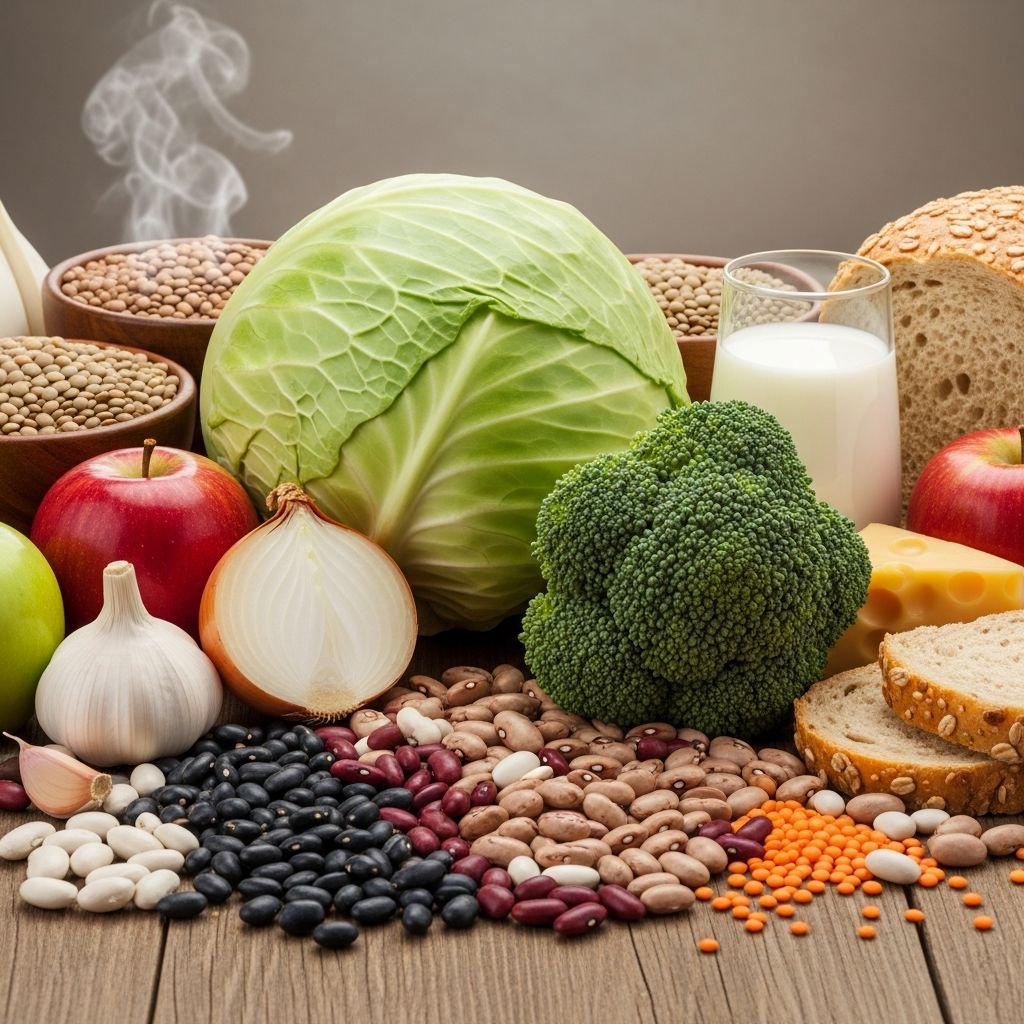
Beans and lentils are among the most notorious foods for causing gas. These legumes contain large amounts of raffinose, a complex sugar that the small intestine cannot fully break down. When raffinose reaches the colon, bacteria ferment it, producing significant amounts of gas. Common gas-producing legumes include:
- All varieties of beans (kidney, black, pinto, chickpeas)
- Lentils
- Peas
Despite their gas-producing properties, beans and legumes are excellent sources of protein, fiber, and essential nutrients. Rather than eliminating them from your diet, gradually increasing your intake while staying well-hydrated can help your digestive system adapt over time.
Vegetables That Trigger Gassiness
Many cruciferous and other vegetables are known for causing gas and bloating due to their complex carbohydrate content and fermentable fiber. These vegetables include:
- Broccoli
- Brussels sprouts
- Cabbage
- Cauliflower
- Artichokes
- Asparagus
- Corn
- Cucumbers
- Green peppers
- Onions
- Raw potatoes
- Radishes
These vegetables contain raffinose and other complex sugars that produce gas during fermentation. Cooking these vegetables can partially break down their cell walls and make them easier to digest, potentially reducing gas production. Additionally, eating them in smaller portions and chewing thoroughly can minimize digestive distress.
Related Stories



Fruits and Their Gas-Producing Properties
While fruits are nutritious and should be part of a healthy diet, certain fruits are more likely to cause gas than others. Fruits containing sorbitol, fructose, and other fermentable sugars can trigger bloating in susceptible individuals. Gas-producing fruits include:
- Raw apples
- Apricots
- Bananas
- Melons
- Peaches
- Pears
- Prunes
The ripeness of fruit affects its gas-producing potential. Overripe fruits tend to ferment more readily and may cause more gas than underripe varieties. Cooking fruits can also reduce their gassiness by breaking down cell structures and making sugars easier to digest.
Starches and Carbohydrates
Most starchy foods produce gas as they are broken down in the large intestine. The primary starchy foods that commonly cause gas include:
- Potatoes
- Corn
- Noodles
- Wheat and wheat products
Interestingly, rice is the only common starch that does not typically cause gas, making it an excellent alternative for those prone to bloating. The reason rice is well-tolerated is that it is more easily digested in the small intestine, leaving less material for colonic bacteria to ferment.
Dairy Products and Lactose Intolerance
Dairy products are significant contributors to gas and bloating in many people due to lactose content. Lactose is the natural sugar found in milk and is also present in cheese, ice cream, and many processed foods such as bread, cereal, and salad dressing. Many people, particularly those of African, Native American, or Asian descent, have lower levels of lactase, the enzyme needed to digest lactose. Additionally, as people age, lactase enzyme levels naturally decrease. This means that individuals may experience increasing gas after consuming lactose-containing foods over time. Even small amounts of lactose in processed foods can trigger symptoms in sensitive individuals.
Sugars and Sugar Substitutes
Multiple types of sugars can cause gas production. The primary culprits are:
- Raffinose: Found abundantly in beans, with smaller amounts in cabbage, Brussels sprouts, broccoli, asparagus, and whole grains.
- Lactose: The natural sugar in milk and dairy products, as discussed above.
- Fructose: Naturally present in onions, artichokes, pears, and wheat. It is also used as a sweetener in soft drinks and fruit drinks, making processed beverages a hidden source of gas.
- Sorbitol: A sugar found naturally in fruits including apples, pears, peaches, and prunes. It is also used as an artificial sweetener in dietetic foods, sugar-free candies, and chewing gums.
Sugar substitutes and artificial sweeteners can be particularly problematic for those with sensitive digestive systems, making label reading essential when choosing packaged foods.
Beverages That Cause Gas
Certain beverages contribute significantly to gas production and bloating. These include:
- Carbonated drinks: The carbonation introduces gas directly into your digestive system, causing immediate bloating.
- Fruit drinks: High sugar content, particularly fructose, promotes gas production.
- Beer: Contains carbonation and fermented carbohydrates that produce gas.
- Red wine: Contains compounds that some people find difficult to digest.
Non-carbonated, unsweetened beverages like water, herbal tea, and plain coffee are gentler on the digestive system and less likely to cause bloating.
Other Gassy Foods to Consider
Beyond the categories already discussed, several other foods can trigger gas and bloating:
- Eggs: Can cause gas in some individuals, particularly when fried or consumed in large quantities.
- Fried and fatty foods: Slow digestion increases fermentation time in the colon, producing more gas.
- Salty foods: High sodium can affect water retention and digestive processes.
- Processed foods: Many contain hidden sources of lactose, sugars, and sugar substitutes that trigger bloating.
Symptoms of Bloating and When to Seek Help
The main symptoms of bloating include abdominal distention and a feeling of fullness in the belly. Bloating may be accompanied by gas (flatulence) and belching. Most cases of mild bloating resolve on their own or with simple dietary changes. However, you should consult a healthcare provider if bloating is accompanied by:
- Fever
- Severe abdominal pain
- Vomiting
- Diarrhea
- Blood in stool
- Loss of appetite
- Unexplained weight loss
These symptoms may indicate an underlying digestive condition requiring medical evaluation and treatment.
Underlying Conditions Associated with Gas and Bloating
While certain foods cause gas in most people, underlying digestive conditions can significantly increase bloating and gas production. Common conditions include:
- Irritable Bowel Syndrome (IBS): A functional disorder affecting the colon that often causes gas, bloating, and irregular bowel movements.
- Small Intestinal Bacterial Overgrowth (SIBO): Excessive bacteria in the small intestine produce abnormal amounts of gas.
- Gastroparesis: Delayed stomach emptying slows digestion and increases fermentation time.
- Constipation: Slower intestinal transit allows more time for gas production and accumulation.
- Gynecological conditions: Certain women’s health issues can cause or worsen bloating.
- Premenstrual Syndrome (PMS): Hormonal changes can increase bloating before menstruation.
Practical Strategies to Reduce Gas and Bloating
Several approaches can help minimize gas and bloating:
- Eat more slowly: Taking time to chew food thoroughly reduces air swallowing and aids digestion.
- Dietary modifications: Gradually reducing or eliminating trigger foods while maintaining nutrition is key.
- Lactase supplements: Products like Lactaid help digest dairy products without bloating.
- Digestive enzymes: Over-the-counter supplements containing amylase, lipase, protease, or HCL can help break down foods and reduce bloating.
- Increase fiber gradually: Adding fiber slowly allows your digestive system to adapt without excessive gas production.
- Stay hydrated: Drinking adequate water aids digestion and reduces gas accumulation.
- Cooking methods: Cooking vegetables and fruits softens them, making them easier to digest.
When to Consider Medical Treatment
Over-the-counter medicines and prescription medications can address bloating when dietary changes alone are insufficient. Digestive enzyme supplements are particularly helpful for those with specific food sensitivities. If bloating persists despite dietary modifications, consulting with a registered dietitian or gastroenterologist is advisable to rule out underlying conditions and develop a personalized management plan.
Frequently Asked Questions
Q: Which foods cause the most gas?
A: Beans, lentils, cruciferous vegetables like broccoli and cabbage, and high-fiber foods typically cause the most gas. These foods contain complex sugars and fermentable fibers that produce gas when broken down by colonic bacteria.
Q: Is gas and bloating ever normal?
A: Yes, some gas production is completely normal and expected as part of digestion. However, excessive gas causing significant discomfort or bloating warrants dietary evaluation or medical assessment.
Q: Can I prevent bloating entirely by avoiding these foods?
A: While avoiding trigger foods reduces bloating, complete elimination isn’t necessary or recommended due to the nutritional value of these foods. Gradual introduction and dietary modifications typically provide better long-term solutions.
Q: Are there any gassy foods that are actually healthy to eat?
A: Absolutely. Many gas-producing foods like beans, vegetables, and fruits are nutritionally dense. Working with a registered dietitian can help you incorporate them into your diet in ways that minimize bloating while maintaining balanced nutrition.
Q: Does cooking vegetables reduce their gas-producing properties?
A: Yes, cooking vegetables breaks down their cell walls and makes sugars easier to digest, potentially reducing gas production compared to raw consumption.
Q: How long does bloating typically last after eating triggering foods?
A: Bloating duration varies by individual and depends on digestive transit time, typically ranging from a few hours to several hours after consuming trigger foods.
Q: Should I take digestive enzyme supplements?
A: Digestive enzyme supplements can be helpful for specific food sensitivities. Consulting a healthcare provider or registered dietitian can help determine whether they’re appropriate for your individual situation.
References
- Which Foods Cause Bloating? 34 Reasons Why You’re Gassy — eMedicineHealth. 2024. https://www.emedicinehealth.com/which_foods_cause_bloating/article_em.htm
- Foods Likely To Cause Gas — International Foundation for Functional Gastrointestinal Disorders (IFFGD). https://iffgd.org/gi-disorders/symptoms-causes/intestinal-gas/foods-that-may-cause-gas/
- Gas and Bloating: The Basics — UpToDate, Wolters Kluwer Health. https://www.uptodate.com/contents/gas-and-bloating-the-basics
- Bloating: Causes and Prevention Tips — Johns Hopkins Medicine. https://www.hopkinsmedicine.org/health/wellness-and-prevention/bloating-causes-and-prevention-tips
Similar Articles








Read full bio of Sneha Tete