Undefined: 12 Foods That Prevent Muscle Cramps
Discover electrolyte-rich foods like bananas, avocados, and salmon to stop cramps and support muscle health.
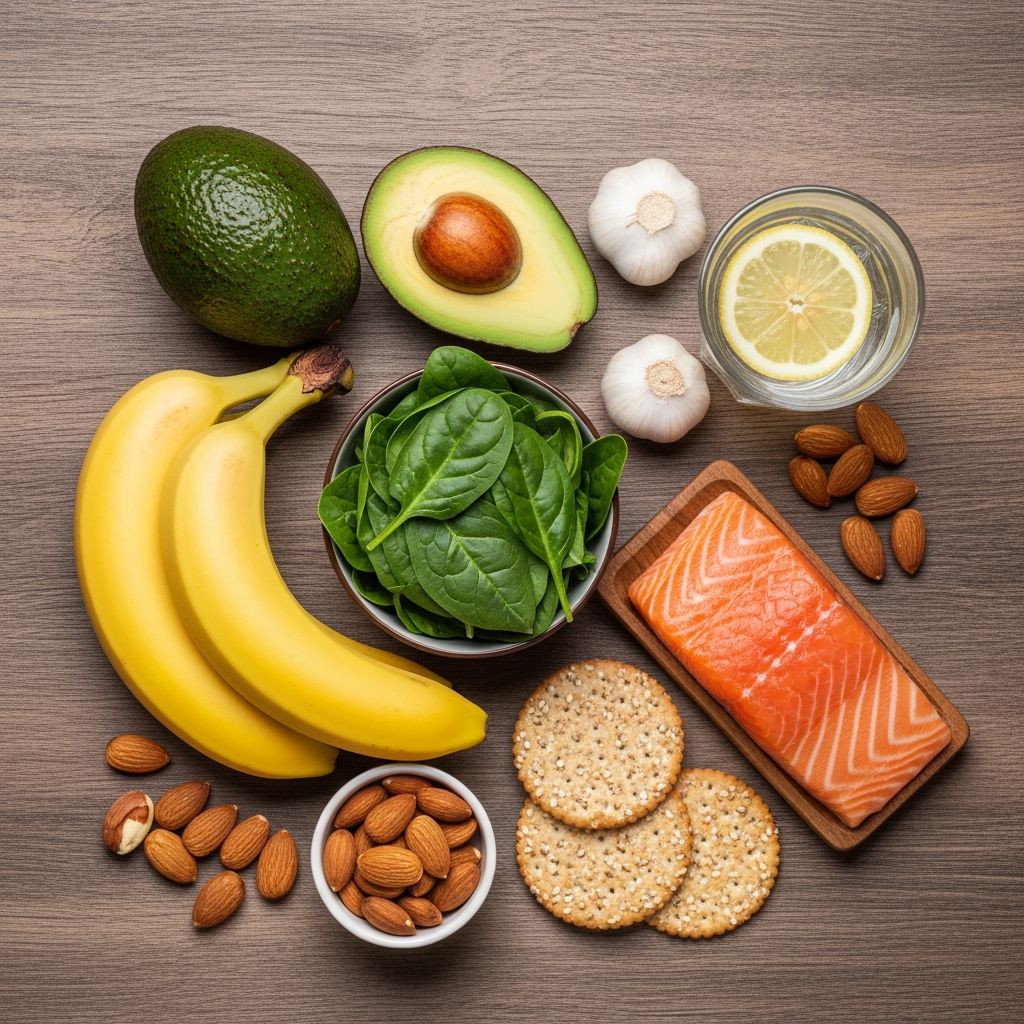
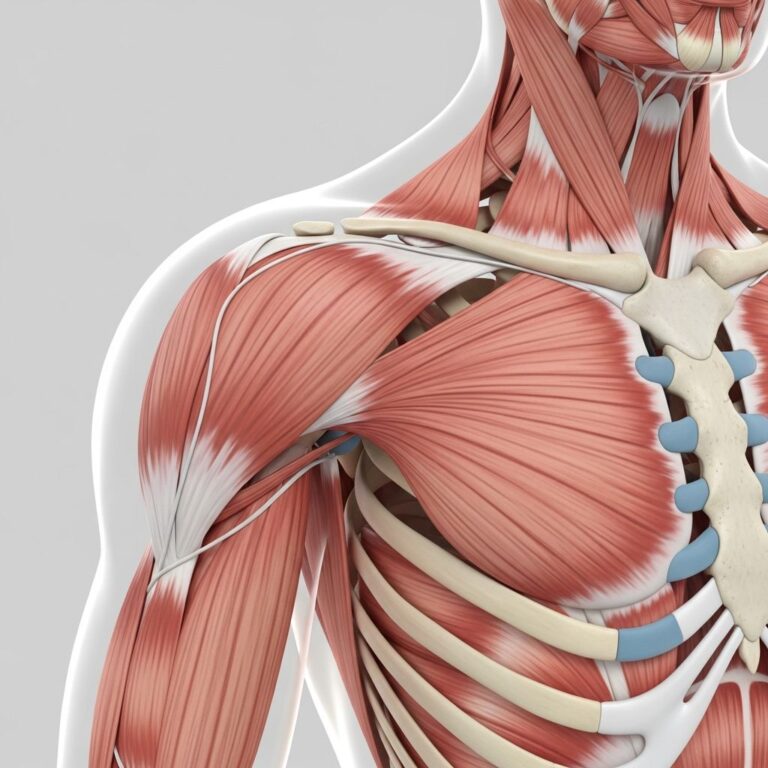
Muscle cramps are sudden, involuntary contractions that cause sharp pain and can disrupt daily activities or workouts. Often triggered by dehydration, electrolyte imbalances, or muscle fatigue, they affect athletes, older adults, and anyone under physical stress. Replenishing key nutrients like
potassium
,magnesium
,calcium
, andsodium
through diet can effectively prevent them. This article covers 12 top foods, their benefits, causes of cramps, prevention strategies, and FAQs.What Causes Muscle Cramps?
Muscle cramps result from muscle overuse, poor blood flow, nerve compression, or mineral deficiencies. Common triggers include:
- Dehydration: Water loss impairs muscle contraction and relaxation.
- Electrolyte depletion: Low levels of potassium, magnesium, calcium, or sodium disrupt nerve signals to muscles.
- Muscle fatigue or overexertion: Prolonged exercise without proper warm-up or recovery.
- Other factors: Inadequate stretching, heat exposure, certain medications, obesity, or age (infants, children, and those over 65 are at higher risk).
Research from the National Center for Biotechnology Information notes that cramps often occur due to altered neuromuscular control, exacerbated by low electrolytes during intense activity.
Foods That Help Prevent Muscle Cramps
Incorporating electrolyte-rich foods into your diet restores balance and supports muscle function. Below are 12 evidence-based options, each highlighted for their nutrient profiles and benefits.
1. Bananas
Bananas are a portable powerhouse, delivering about 422 mg of
potassium
per medium fruit—nearly 10% of the daily recommended intake. Potassium regulates fluid balance and muscle contractions. Their complex carbs provide sustained energy, preventing fatigue-related cramps. Eat one before or after workouts.2. Sweet Potatoes
One cup of mashed sweet potato offers over 20% of daily potassium and 13% of magnesium needs. These root veggies also provide calcium, fiber, and antioxidants that reduce inflammation. Bake, mash, or roast them for a cramp-fighting side dish.
3. Coconut Water
Nature’s sports drink, coconut water contains phosphorus, calcium, sodium, magnesium, and natural sugars for quick hydration. Studies suggest it reduces post-exercise cramping better than plain water due to its electrolyte mix. Sip it during endurance activities.
4. Watermelon
With 92% water content plus magnesium and potassium, watermelon combats dehydration—a top cramp cause. Its citrulline amino acid improves blood flow to muscles. Enjoy slices or juice for summer relief.
5. Spinach
This leafy green is loaded with magnesium, potassium, calcium, vitamins A, K, and folate. Magnesium deficiency links directly to cramps; one cup cooked spinach provides 157 mg. Add to salads, smoothies, or sautés.
6. Lentils
High in magnesium and fiber, lentils support steady blood sugar and muscle recovery. A cup cooked offers 71 mg magnesium. Use in soups, salads, or curries for plant-based electrolyte boosts.
7. Avocados
Creamy avocados pack potassium (975 mg per fruit) and magnesium, acting as electrolytes for muscle health. Their healthy fats aid nutrient absorption. Spread on toast or blend into guacamole.
8. Greek Yogurt
Rich in protein, calcium, phosphorus, and potassium, Greek yogurt repairs muscle tissue post-exercise. One cup strained yogurt has 200+ mg calcium. Choose plain, low-sugar varieties and top with fruits.
Related Stories



9. Bone Broth
This hydrating liquid brims with sodium, calcium, and magnesium from simmered bones. Ideal for restoring salts lost in sweat. Sip warm after workouts or use as a soup base.
10. Salmon
Salmon provides B vitamins, vitamin D, iron, potassium, magnesium, protein, and omega-3s. Vitamin D deficiency causes spasms; wild-caught offers the most. Grill or bake 3-4 oz servings weekly.
11. Papaya
Tropical papaya boasts high potassium and magnesium. A study of 230 women linked low potassium intake to cramps, making papaya a smart choice. Dice into fruit salads.
12. Sardines
Tiny sardines deliver calcium, iron, phosphorus, potassium, sodium, vitamin D, and magnesium in one can. Eat bones for extra calcium. Opt for water-packed varieties.
Other Muscle Cramp Prevention Tips
Beyond food, lifestyle changes minimize cramps:
- Hydrate proactively: Drink water before, during, and after exercise. Add electrolytes for sessions over 60 minutes.
- Warm-up and stretch: Gradually increase intensity; stretch major muscle groups.
- Balance carbs: Low glycogen causes cramps—eat carbs pre-workout.
- Pickle juice trick: High sodium reduces cramp duration by 37% per studies.
- Wear proper shoes: Avoid high heels; get regular massages.
| Electrolyte | Daily Need (Adults) | Top Foods |
|---|---|---|
| Potassium | 2,600-3,400 mg | Bananas, avocados, sweet potatoes |
| Magnesium | 310-420 mg | Spinach, lentils, salmon |
| Calcium | 1,000-1,200 mg | Greek yogurt, sardines, bone broth |
| Sodium | 1,500-2,300 mg | Coconut water, bone broth, pickles |
Frequently Asked Questions (FAQs)
What is the fastest way to stop a muscle cramp?
Gently stretch and massage the muscle, apply heat or ice, and hydrate. Cramps often resolve in seconds to minutes.
Do bananas really help with cramps?
Yes, their high potassium content helps restore electrolyte balance, a common cramp trigger.
Can dehydration cause cramps even if I drink water?
Yes, plain water dilutes electrolytes; opt for electrolyte-enhanced drinks during intense activity.
Are muscle cramps a sign of deficiency?
Often, yes—especially low magnesium or potassium. Consult a doctor for persistent issues.
How much water should I drink to prevent cramps?
Aim for half your body weight in ounces daily, more with exercise. Monitor urine color for hydration status.
References
- What Foods Stop Muscle Cramps? Symptoms, Causes, Remedies — eMedicineHealth. 2023. https://www.emedicinehealth.com/what_foods_stop_muscle_cramps/article_em.htm
- 12 Foods That May Help with Muscle Cramps — Healthline (Medically reviewed by Jared Meacham, PhD., RD, CSCS). 2025-08-05. https://www.healthline.com/nutrition/foods-that-help-with-muscle-cramps
- Nutrition Tips to Prevent Cramps — Mass General Brigham. 2023. https://www.massgeneralbrigham.org/en/about/newsroom/articles/nutrition-tips-to-prevent-cramps
- Muscle cramps — National Center for Biotechnology Information (Bordoni B, et al.). 2023. https://www.ncbi.nlm.nih.gov/books/NBK499895/
Similar Articles








Read full bio of Sneha Tete