Foods That Raise Cortisol Levels: 5 Worst Offenders And Swaps
Discover which everyday foods and drinks can spike your cortisol levels and learn smarter swaps to keep stress hormones in check.
Cortisol, often called the “stress hormone,” is produced by your adrenal glands in response to stress, helping regulate metabolism, immune response, and blood pressure. While short-term spikes are beneficial for the fight-or-flight response, chronically elevated levels from diet and lifestyle can lead to weight gain, anxiety, sleep issues, weakened immunity, high blood pressure, and increased risk of diabetes and heart disease. Surprisingly, certain foods and eating habits directly contribute to higher cortisol by disrupting blood sugar, stimulating the nervous system, or promoting inflammation.
This article breaks down the top cortisol-raising culprits, backed by research, explains the mechanisms, and offers evidence-based alternatives to stabilize your levels. Managing diet is a powerful, accessible way to combat stress without medication.
What Is Cortisol and Why Does It Matter?
Cortisol is a glucocorticoid hormone essential for survival. It rises naturally in response to stressors like exercise or danger, mobilizing energy by increasing blood sugar and suppressing non-essential functions like digestion. Cleveland Clinic notes that balanced cortisol follows a diurnal rhythm—peaking in the morning and dropping at night for restful sleep.
Problems arise with chronic elevation. Persistently high cortisol promotes abdominal fat storage, muscle breakdown, insulin resistance, and mood disorders. A study in Endocrine found high cortisol linked to poor food choices in type 2 diabetes patients, creating a vicious cycle where stress drives junk food cravings, further spiking cortisol. GoodRx reports symptoms including fatigue, irritability, frequent infections, and unexplained weight gain.
Diet plays a pivotal role: Foods causing blood sugar volatility, inflammation, or nervous system overstimulation directly elevate cortisol. Conversely, nutrient-dense choices support adrenal health.
Foods and Drinks That Increase Cortisol Levels
Not all calories are equal when it comes to stress hormones. Here are the primary offenders, with science explaining why they disrupt balance.
1. Foods High in Added Sugars
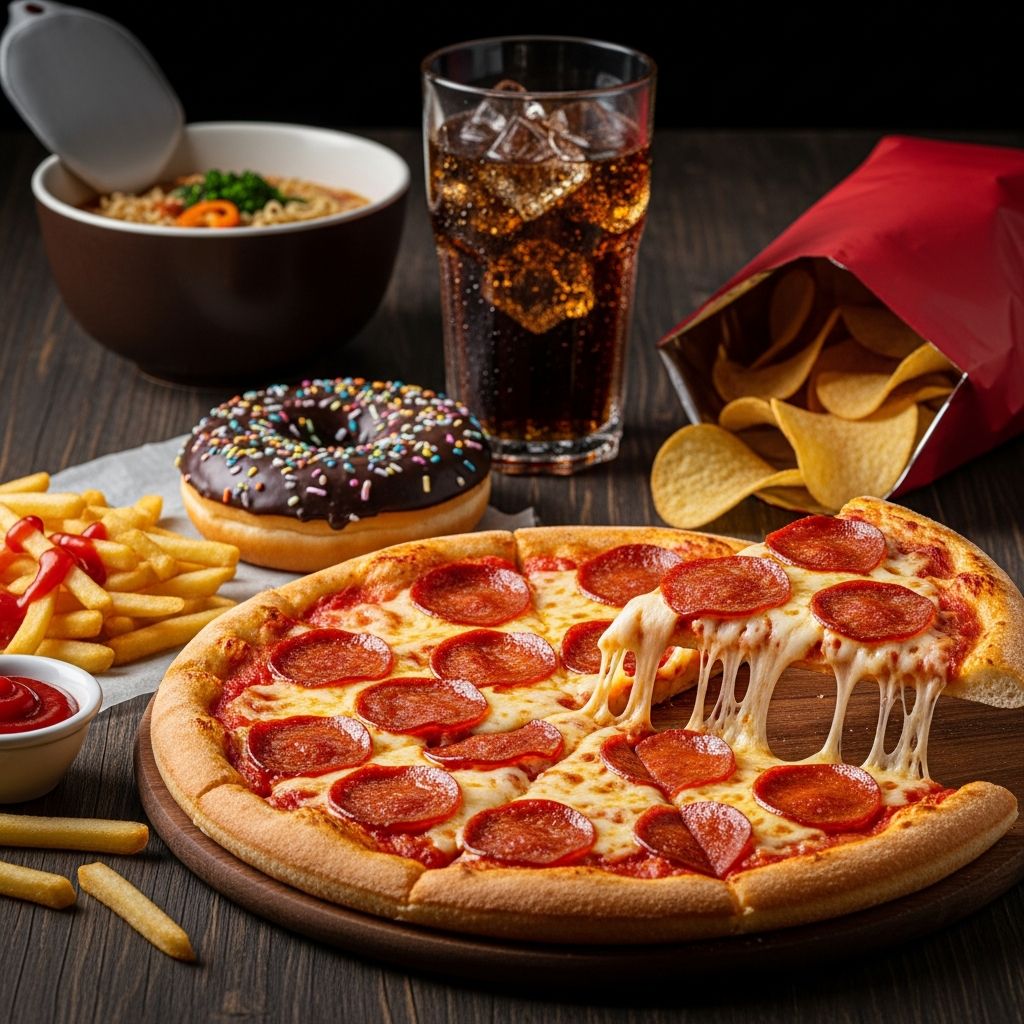
Added sugars in sodas, candies, baked goods, and processed snacks trigger sharp blood sugar spikes followed by crashes, prompting cortisol release to restore glucose levels. While sugar offers short-term stress relief by blunting acute cortisol response, chronic intake raises baseline levels and promotes inflammation.
A Nutrients study showed real-world added sugar intake reduced cortisol reactivity to stress but correlated with long-term elevations. Di Polito et al. (2023) confirmed this pattern. Health risks include obesity, diabetes, and heart disease. Natural fruit sugars, paired with fiber, don’t have this effect and may even lower cortisol.
- Avoid: Soda, candy, pastries, sweetened yogurt, sugary cereals.
- Daily impact: Even 1-2 sugary items can dysregulate hormones for hours.
2. Caffeinated Beverages
Coffee, energy drinks, and black tea stimulate the central nervous system, mimicking stress signals and boosting cortisol by 30% post-consumption, per research. Banner Health dietitians warn that caffeine worsens anxiety by elevating blood sugar and cortisol.
Sensitivity varies—genetics and tolerance play roles—but over 400mg daily (4 cups coffee) risks adrenal fatigue. Effects peak 1 hour after intake and linger, disrupting sleep.
- Avoid: Espresso, energy drinks, cola.
- Tip: Limit to 1 cup morning black coffee; switch to green tea for L-theanine’s calming effect.
3. Alcohol
Alcohol, especially binge drinking (4+ drinks for women, 5+ for men in 2 hours), sharply raises cortisol. One study found binge episodes increased levels more than moderate intake, with chronic use keeping them elevated. It dehydrates, disrupts sleep, and spikes blood sugar.
Related Stories



Midi Health notes heavy use interferes with deep sleep, where cortisol naturally dips. Even moderate evening drinks impair next-day regulation.
- Avoid: Beer, wine, cocktails, especially late-night.
- Swap: Herbal tea or sparkling water with lemon.
4. Ultra-Processed and Fried Foods
Chips, fast food, frozen meals high in trans/saturated fats and refined carbs inflame the body, signaling stress and elevating cortisol. A PMC study classified junk food, fried items, and simple carbs as “low-quality,” associating high cortisol with their overconsumption in diabetes.
These cause oxidative stress and gut dysbiosis, further taxing adrenals. Western diets rich in such foods impair hippocampal function, linked to stress.
- Avoid: French fries, donuts, packaged snacks, processed meats.
5. Other Triggers: Large Late-Night Meals and Undereating
Eating big meals near bedtime diverts energy to digestion, raising overnight cortisol. Skipping meals or undereating spikes it via perceived famine stress. Refined carbs without protein/fat cause similar issues.
How These Foods Affect Your Body
Beyond spikes, chronic intake creates cascades: Sugar and caffeine promote insulin resistance; alcohol fragments sleep; processed foods inflame via advanced glycation end-products. Collectively, they heighten risks for metabolic syndrome. High cortisol also drives cravings for more of these foods, per glucocorticoid research.
| Food Type | Cortisol Mechanism | Health Risks |
|---|---|---|
| Added Sugars | Blood sugar crashes | Weight gain, diabetes |
| Caffeine | Nervous system stimulation | Anxiety, insomnia |
| Alcohol | Binge elevates acutely; chronic sustains high | Sleep disruption, liver strain |
| Processed/Fried | Inflammation, oxidative stress | Heart disease, obesity |
Foods That Help Lower Cortisol Levels
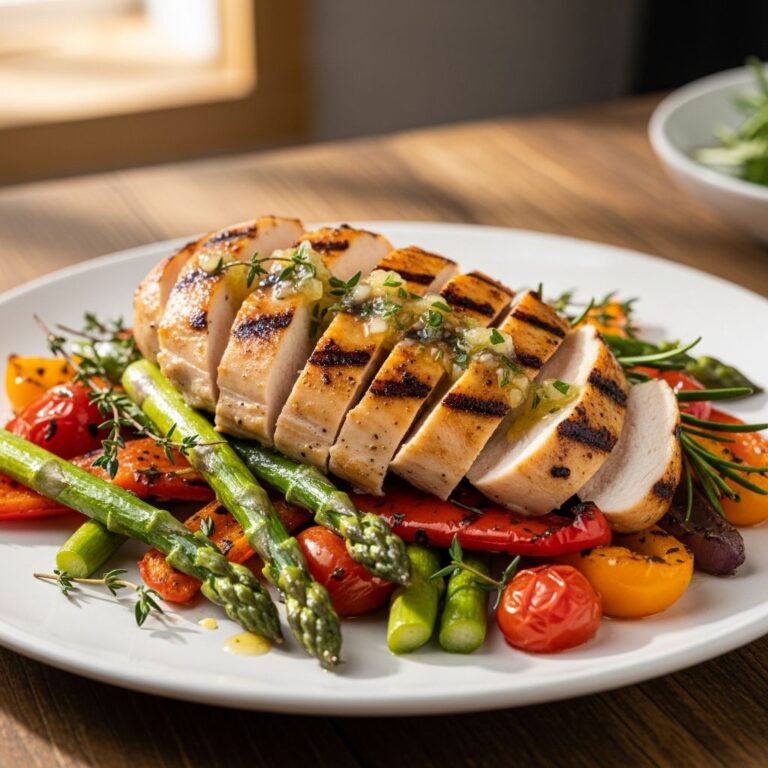
Counteract with nutrient powerhouses. Focus on balanced plates: ½ non-starchy veggies, ¼ lean protein, ¼ whole grains, plus healthy fats.
- Omega-3 Rich: Salmon, walnuts, flaxseeds reduce inflammation and cortisol.
- Magnesium-Packed: Spinach, almonds, dark chocolate (70%+ cocoa) calm nerves.
- Vitamin C: Oranges, bell peppers buffer stress response.
- Probiotics: Greek yogurt, kefir, sauerkraut support gut-brain axis.
- Adaptogens: Though not foods, pair with oats or holy basil tea.
- Eggs: Provide B5 for adrenals, omega-3s; no evidence they raise cortisol.
MD Anderson recommends fermented foods for gut health, indirectly lowering stress.
7-Day Meal Plan to Balance Cortisol
Sample plan emphasizing stability (1500-2000 calories; adjust as needed).
| Day | Breakfast | Lunch | Dinner | Snack |
|---|---|---|---|---|
| Mon | Greek yogurt parfait w/ berries, almonds | Grilled chicken salad w/ olive oil | Baked salmon, quinoa, broccoli | Apple w/ peanut butter |
| Tue | Oatmeal w/ banana, chia seeds | Tuna wrap w/ whole grain, veggies | Turkey stir-fry w/ brown rice | Carrots & hummus |
| Wed | Scrambled eggs w/ spinach, avocado | Lentil soup, side salad | Grilled tofu, sweet potato, greens | Handful nuts |
| Thu | Smoothie: Kefir, spinach, berries | Quinoa bowl w/ chickpeas, feta | Baked cod, asparagus, couscous | Cottage cheese w/ cucumber |
| Fri | Whole grain toast w/ avocado, egg | Turkey salad sandwich | Chicken veggie stir-fry | Dark chocolate square |
| Sat | Chia pudding w/ mango | Bean salad w/ feta | Shrimp tacos w/ cabbage slaw | Yogurt w/ seeds |
| Sun | Veggie omelet | Grilled fish w/ lentils | Vegetable curry w/ cauliflower rice | Pear |
Hydrate with 8+ glasses water; herbal teas OK. No screens 1hr pre-bed.
Lifestyle Tips to Reduce Cortisol
- Sleep: 7-9 hours; consistent schedule.
- Exercise: 30min moderate daily (yoga, walking).
- Mindfulness: 10min meditation.
- Eat Regularly: 3 meals + 1-2 snacks to avoid dips.
Frequently Asked Questions (FAQs)
What foods increase cortisol the most?
Added sugars, caffeine, alcohol, and ultra-processed foods top the list due to blood sugar disruption and stimulation.
Does coffee raise cortisol?
Yes, caffeine can increase cortisol by up to 30%, especially in sensitive individuals or high doses.
Can eggs raise cortisol?
No, eggs may help lower it via omega-3s, magnesium, and B5; they’re adrenal-supportive.
Does sugar lower or raise cortisol long-term?
Short-term relief, but chronic intake raises baseline levels and health risks.
How quickly can diet lower cortisol?
Noticeable changes in days with consistent swaps; full benefits in weeks alongside lifestyle tweaks.
Is alcohol bad for cortisol?
Yes, bingeing spikes it acutely; regular use sustains high levels and impairs sleep.
References
- 3 Foods That Can Increase Your Cortisol Levels — GoodRx. 2023. https://www.goodrx.com/well-being/diet-nutrition/foods-that-raise-cortisol-levels
- Cortisol-Triggering Foods: What to Know and What to Swap — Midi Health. 2023. https://www.joinmidi.com/post/cortisol-triggering-foods
- Can Certain Foods Increase Stress and Anxiety? — Banner Health. 2023. https://www.bannerhealth.com/healthcareblog/better-me/can-certain-foods-increase-stress-and-anxiety
- High cortisol levels are associated with low quality food choice in type 2 diabetes — PMC (Endocrine). 2013-06-04. https://pmc.ncbi.nlm.nih.gov/articles/PMC3253931/
- 8 foods that impact stress — MD Anderson Cancer Center. 2020. https://www.mdanderson.org/cancerwise/8-foods-that-impact-stress.h00-159459267.html
- Cortisol: What It Is, Function, Symptoms & Levels — Cleveland Clinic. 2023. https://my.clevelandclinic.org/health/articles/22187-cortisol
Similar Articles








Read full bio of medha deb