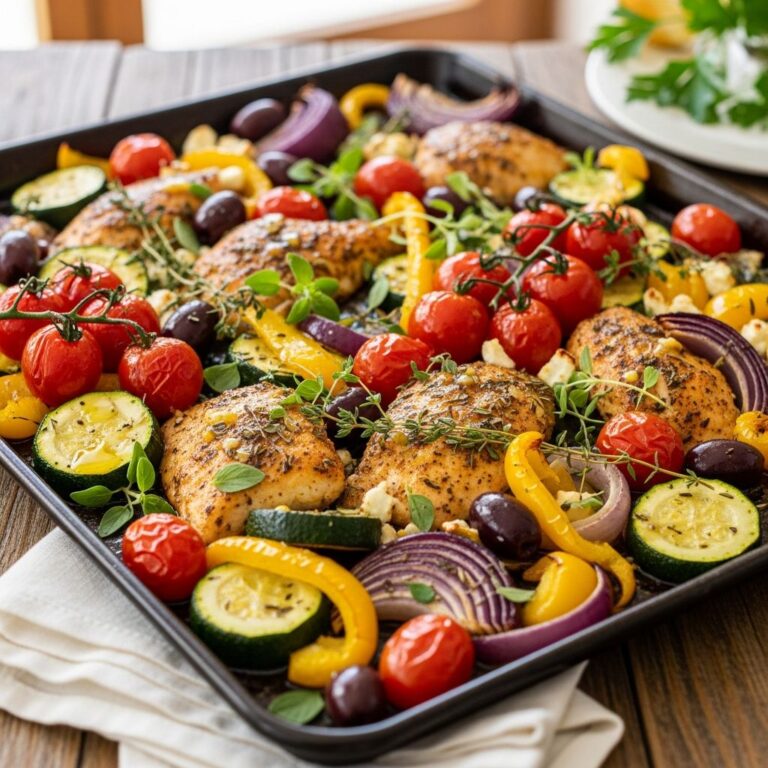
12 Foods That Reduce Stroke Risk: Try These Heart-Healthy Picks
Discover 12 evidence-based foods and dietary strategies to significantly lower your stroke risk through heart-healthy eating.
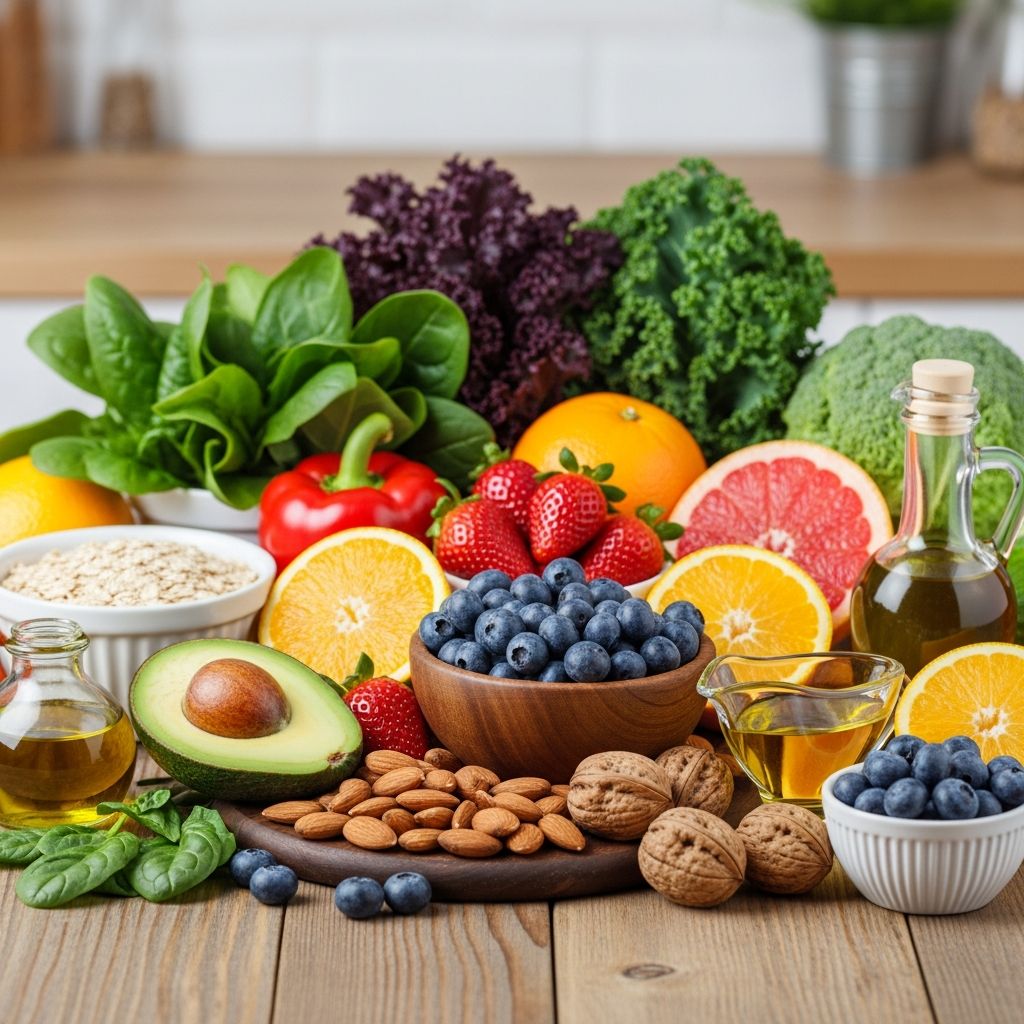
Stroke remains one of the leading causes of death and disability worldwide, but dietary choices can significantly lower your risk. Nutrient-dense foods rich in potassium, fiber, omega-3s, and antioxidants help control blood pressure, reduce inflammation, manage cholesterol, and promote vascular health—key factors in stroke prevention. Adopting patterns like the Mediterranean diet, which emphasizes whole foods, has been shown to cut stroke risk by up to 47% in clinical trials. This article covers 12 top foods, supported by expert recommendations and research, plus practical tips to incorporate them into your meals.
What Is Stroke and Why Does Diet Matter?
A stroke occurs when blood flow to the brain is interrupted, either by a clot (ischemic stroke) or bleed (hemorrhagic stroke), leading to potential brain damage. High blood pressure is the top risk factor, followed by high cholesterol, diabetes, and obesity—all influenced by diet. Foods low in sodium and saturated fats but high in protective nutrients like potassium and magnesium can lower blood pressure and improve endothelial function. The CDC emphasizes eating plenty of fruits, vegetables, and fiber-rich foods while limiting salt to prevent these risks. Studies from Geisinger and Mass General Brigham confirm that heart-healthy eating patterns directly translate to stroke protection.
12 Foods That Reduce Stroke Risk
Here are 12 powerhouse foods backed by science to help prevent stroke. Aim for variety and consistency for optimal benefits.
1. Leafy Greens (Spinach, Kale, Swiss Chard)
Leafy greens are magnesium powerhouses, linked to lower stroke risk by relaxing blood vessels and reducing blood pressure. Magnesium deficiency is common and associated with hypertension. One cup of cooked spinach provides over 150mg of magnesium—nearly half the daily recommendation. A large cohort study found higher magnesium intake from greens correlated with 7-12% reduced stroke risk. Add to salads, smoothies, or sautés daily.
2. Berries (Blueberries, Strawberries, Raspberries)
Berries burst with anthocyanins, antioxidants that combat oxidative stress and inflammation in arteries. Research shows regular berry consumption lowers stroke risk by improving vascular function. A serving (1 cup) delivers fiber and vitamin C, aiding cholesterol control. Frozen berries work year-round—blend into yogurt or oatmeal.
3. Fatty Fish (Salmon, Mackerel, Sardines)
Omega-3 fatty acids in fatty fish reduce triglycerides, prevent clots, and lower blood pressure. Eating 2-3 servings weekly, as recommended by Geisinger experts, promotes heart health and cuts stroke risk. The PREDIMED trial highlighted fish in Mediterranean diets for stroke reduction. Grill salmon with herbs for a simple meal.
4. Whole Grains (Oats, Brown Rice, Quinoa)
Whole grains provide soluble fiber like beta-glucan, which binds cholesterol in the gut and lowers LDL levels. Mass General Brigham notes oatmeal’s role in cholesterol management and stroke prevention. Choose whole over refined grains to retain B vitamins, magnesium, and fiber that support blood pressure control. Start your day with oatmeal topped with fruits.
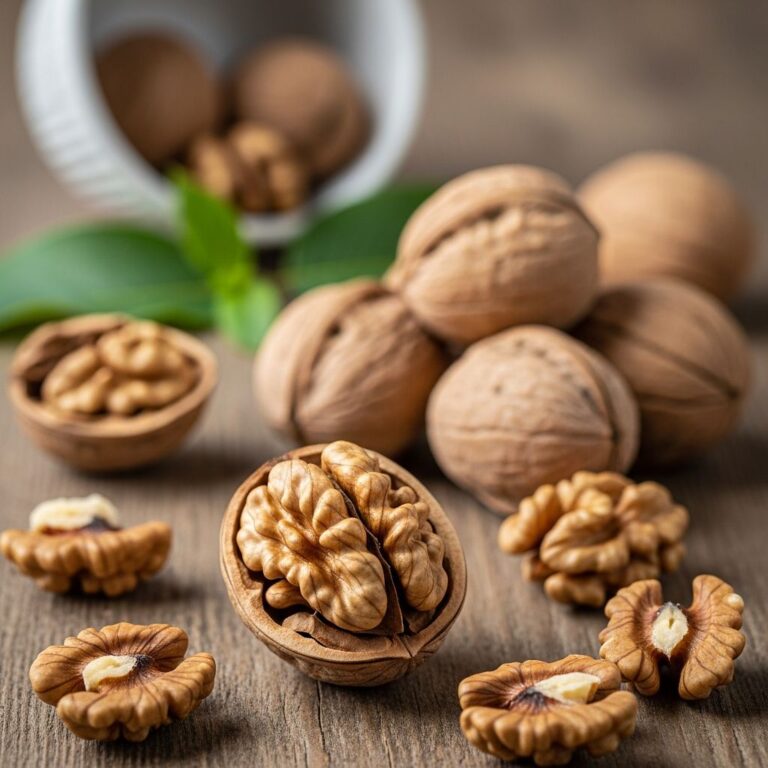
5. Nuts (Almonds, Walnuts, Pistachios)
Nuts offer healthy fats, vitamin E, and arginine, which dilates blood vessels. The PREDIMED study showed nut-enriched Mediterranean diets reduced stroke by 47%. A handful (1 oz) daily provides stroke-protective benefits without excess calories. Snack on mixed nuts or add to salads.
Related Stories



6. Legumes (Beans, Lentils, Chickpeas)
Rich in soluble fiber and plant protein, legumes stabilize blood sugar and lower cholesterol. Foods like black-eyed peas and kidney beans boost gut health and reduce hypertension risk. They’re affordable and versatile—try lentil soup or chickpea curry.
7. Avocados
Avocados deliver monounsaturated fats and potassium (more than bananas per serving), helping maintain healthy blood pressure. Their fiber content supports weight management, a key stroke preventer. Mash on whole-grain toast for breakfast.
8. Beets
High in nitrates, beets convert to nitric oxide, relaxing blood vessels and dropping blood pressure. Studies link nitrate-rich veggies to 20% lower stroke risk. Roast or juice beets for easy inclusion.
9. Garlic
Allicin in garlic thins blood and reduces plaque buildup. Regular intake is associated with lower stroke incidence in population studies. Crush fresh garlic into stir-fries or dressings.
10. Dark Chocolate (70%+ Cocoa)
Flavonoids in dark chocolate improve arterial flexibility and lower blood pressure. Moderate intake (1 oz daily) correlates with reduced stroke risk. Choose high-cocoa, low-sugar varieties.
11. Low-Fat Dairy (Yogurt, Skim Milk)
Provides calcium, potassium, and probiotics without saturated fats. Low-fat options support blood pressure control and diabetes prevention. Opt for Greek yogurt with berries.
12. Herbs and Spices (Turmeric, Ginger, Cinnamon)
Anti-inflammatory compounds like curcumin in turmeric reduce vascular inflammation. Mass General recommends them for flavor without salt. Use in cooking to enhance meals.
Key Nutrients for Stroke Prevention
- Potassium: Counters sodium; found in bananas, sweet potatoes, beans.
- Magnesium: Relaxes vessels; greens, nuts, grains.
- Omega-3s: Anti-inflammatory; fish, flaxseeds.
- Fiber: Lowers cholesterol; oats, fruits, legumes.
- Antioxidants: Fight inflammation; berries, dark chocolate.
Stroke-Preventive Diets: Mediterranean and DASH
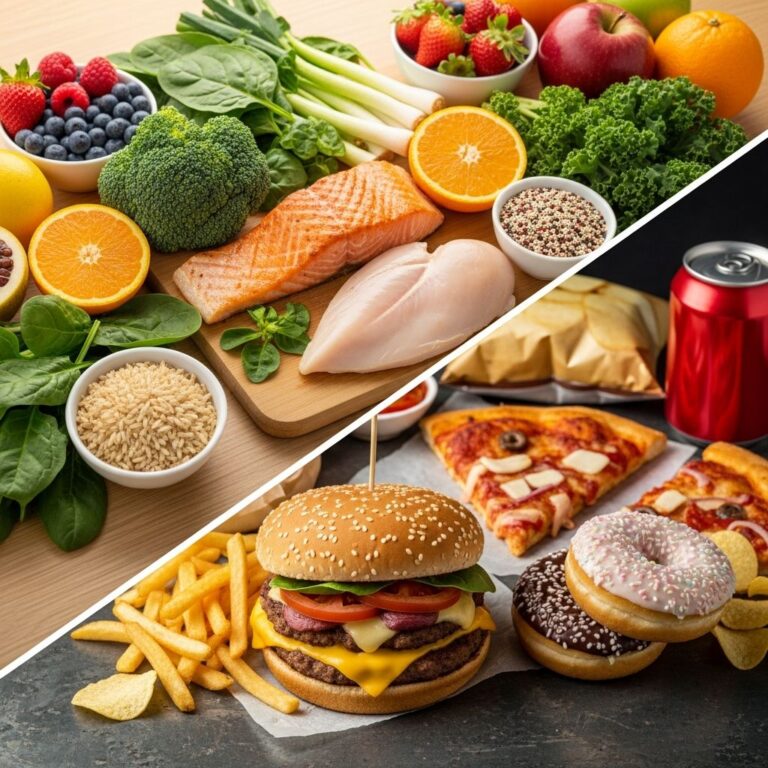
The Mediterranean diet—fruits, veggies, whole grains, fish, olive oil, nuts—has the strongest evidence, with PREDIMED showing major stroke reductions. The DASH diet emphasizes low-sodium, potassium-rich foods like those listed, proven to lower blood pressure. Both prioritize whole foods over processed ones.
| Diet | Key Foods | Stroke Benefit |
|---|---|---|
| Mediterranean | Fish, nuts, olive oil, veggies | 47% stroke reduction |
| DASH | Fruits, low-fat dairy, whole grains | Lowers BP significantly |
Practical Tips to Reduce Stroke Risk Through Diet
- Limit sodium to <2,300mg/day; avoid processed foods.
- Eat 4-5 servings fruits/veggies daily.
- Choose fish 2x/week; plant proteins otherwise.
- Read labels: Prioritize whole grains, low sat fat.
- Season with herbs/spices, not salt.
- Combine with exercise and no smoking for max effect.
Sample 1-Day Meal Plan
- Breakfast: Oatmeal with berries, walnuts, low-fat yogurt.
- Lunch: Spinach salad with salmon, avocado, beets, olive oil dressing.
- Snack: Apple with almonds, dark chocolate square.
- Dinner: Quinoa stir-fry with kale, chickpeas, garlic, turmeric.
Frequently Asked Questions (FAQs)
Q: How much fish should I eat to reduce stroke risk?
A: Aim for 2-3 servings (3-4 oz each) of fatty fish like salmon weekly to gain omega-3 benefits and lower risk.
Q: Can the Mediterranean diet reverse stroke risk factors?
A: Yes, PREDIMED showed it reduces stroke by 47% and improves cholesterol/BP.
Q: Are eggs safe for stroke prevention?
A: Limit yolks; egg whites are fine. Focus on plant proteins.
Q: How does potassium help prevent stroke?
A: It balances sodium, lowering blood pressure—the #1 stroke risk.
Q: What’s the fastest way to start?
A: Swap refined grains for whole, add a daily green smoothie, cut salt.
References
- These Brain Foods Could Cut Your Risk of Stroke — Geisinger. 2018-05-08. https://www.geisinger.org/health-and-wellness/wellness-articles/2018/05/08/13/47/these-brain-foods-could-cut-your-risk-of-stroke
- Foods That Help Prevent Stroke — Mass General Brigham. N/A. https://www.massgeneralbrigham.org/en/about/newsroom/articles/foods-that-help-prevent-stroke
- Healthy Diet to Reduce Risk of Heart Attack and Stroke — OakBend Medical Center. N/A. https://oakbendmedcenter.org/healthy-diet-to-reduce-risk-of-heart-attack-and-stroke/
- Diet for Stroke Prevention — PMC / NIH. 2018-07-25. https://pmc.ncbi.nlm.nih.gov/articles/PMC6047334/
- Preventing Stroke — CDC. N/A. https://www.cdc.gov/stroke/prevention/index.html
Similar Articles








Read full bio of medha deb