Foods To Avoid For Menopause Belly Fat: 5 Worst Culprits
Discover key foods to limit during menopause to reduce stubborn belly fat and improve overall health.
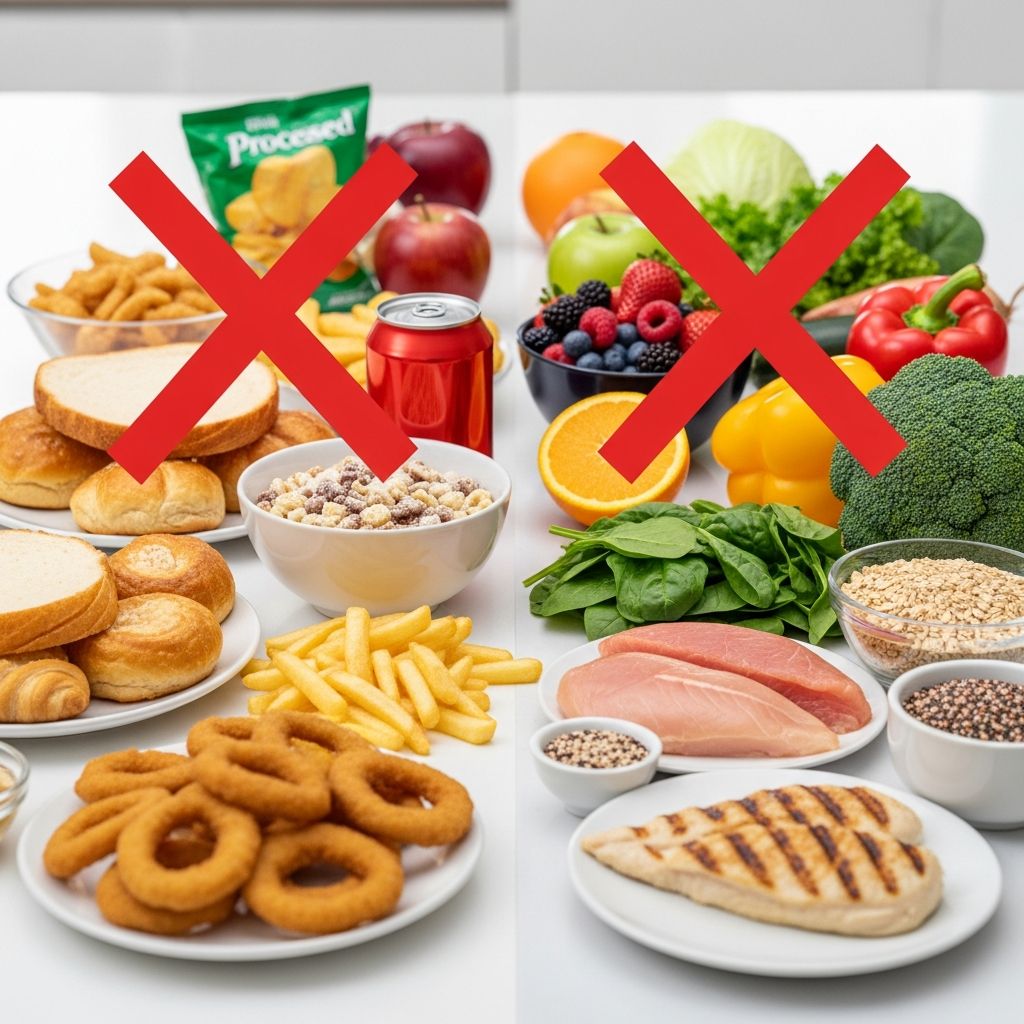
During menopause, hormonal changes like declining estrogen levels can lead to increased visceral fat around the abdomen, raising health risks such as heart disease and diabetes. Limiting certain foods helps manage this ‘menopause belly’ by stabilizing blood sugar, reducing inflammation, and supporting metabolism.
Why Menopause Leads to Belly Fat
Menopause triggers a shift in fat distribution from hips and thighs to the abdomen, where visceral fat accumulates. This fat is metabolically active and linked to insulin resistance, slower metabolism, and up to 44% increase in visceral fat if unaddressed. Factors include muscle mass loss, reduced insulin sensitivity, and estrogen decline, which promotes inflammation and fat storage. Mayo Clinic notes that women in menopause should focus on plant-based diets to counteract these changes.
Managing belly fat isn’t just cosmetic; visceral fat heightens stroke and cardiovascular risks. Adopting nutrient-dense eating patterns, like the Mediterranean diet, preserves muscle, boosts metabolism, and eases symptoms like hot flashes.
1. Refined Sugars and Carbohydrates
Foods high in
refined sugars
andcarbs
—such as sugary cereals, pastries, white bread, soda, and candy—cause rapid blood sugar spikes. This leads to insulin surges that promote abdominal fat storage, especially during menopause when insulin sensitivity drops. These empty calories contribute to type 2 diabetes and heart disease risks.- Soda and sweetened beverages: Up to 40g sugar per can, fueling cravings and fat gain.
- Cookies, cakes, and donuts: High glycemic index disrupts hormone balance.
- White rice and pasta: Quickly convert to sugar, worsening bloating.
Opt for high-fiber alternatives like oats, quinoa, and whole grains to stabilize blood sugar and stay full longer.
2. Alcohol
**Alcohol** is calorie-dense (7 kcal per gram) and impairs fat burning, prioritizing alcohol metabolism over fat. It contributes to ‘menopause belly’ by promoting central fat storage and disrupting sleep, which affects hunger hormones. Beer, sugary cocktails, and spirits exacerbate dehydration and bloating.
- Beer: High carbs and calories, linked to ‘beer belly’ effects.
- Sweet wines and mixers: Added sugars spike insulin.
- Excessive spirits: Slows liver function, hindering estrogen processing.
Limit to 1 drink per day or less; choose dry wines or spirits with soda water. Hydrate with water to mitigate effects.
3. Processed Foods
**Processed foods** like chips, frozen meals, and fast food are loaded with trans fats, additives, and empty calories. They promote inflammation and weight gain, amplifying menopause-related bloating. University Hospitals recommends low processed food intake during slowed metabolism.
- Packaged snacks: High in unhealthy fats that cling to the abdomen.
- Ready meals: Often exceed daily sodium and calorie needs.
- Fried items: Trans fats increase visceral fat.
Choose fresh, whole foods to reduce inflammation and support gut health.
4. High-Sodium Foods
Excess
sodium
causes water retention and bloating, making the belly appear larger. Common in menopause diets, it worsens abdominal distension. Sources include canned soups (800mg+ per serving), cured meats, and salty snacks.- Bacon, sausages, ham: Processed meats with 500-1000mg sodium per slice.
- Canned soups and sauces: Hidden sodium inflames tissues.
- Table salt overuse: Aim under 2300mg daily.
Season with herbs; read labels for low-sodium options to ease bloating.
5. Unhealthy Fats
**Saturated and trans fats** from butter, full-fat cheese, red meat, and margarine raise cholesterol and promote visceral fat. Mayo Clinic advises limiting these for heart health. They replace protective estrogen effects on fat distribution.
Related Stories



- Cheese and butter: High saturated fat slows metabolism.
- Fried foods and pastries: Trans fats linked to inflammation.
- Processed meats: Combine fats with sodium.
Swap for avocados, nuts, olive oil, and fatty fish to support hormone balance.
What to Eat Instead: Building a Menopause-Friendly Diet
Focus on nutrient-dense foods to combat belly fat. A plant-forward, high-fiber approach (35-40g daily) improves insulin sensitivity, gut health, and satiety.
| Category | Best Choices | Benefits |
|---|---|---|
| Lean Proteins | Chicken, turkey, tofu, beans, lentils, fish | Preserves muscle, boosts metabolism |
| High-Fiber Carbs | Oats, quinoa, whole grains, legumes | Stabilizes blood sugar, reduces cravings |
| Vegetables & Fruits | Leafy greens, berries, cruciferous veggies | Antioxidants fight inflammation |
| Healthy Fats | Avocados, olive oil, nuts, salmon | Supports heart health, eases hot flashes |
| Calcium & Vitamin D | Low-fat dairy, fortified milks, greens | Strengthens bones against osteoporosis |
Incorporate these via the Mediterranean diet for sustainable results.
Sample 5-Day Meal Plan
This plan emphasizes variety, flavor, and balance for menopause weight management. Adjust portions to needs; aim for 1500-1800 calories daily.
Day 1
- Breakfast: Greek yogurt with berries, walnuts, chia seeds.
- Lunch: Grilled chicken salad with spinach, tomatoes, olive oil dressing.
- Snack: Apple slices with almond butter.
- Dinner: Baked salmon, quinoa, steamed broccoli.
Day 2
- Breakfast: Oatmeal with flaxseeds, banana, cinnamon.
- Lunch: Lentil soup with whole-grain bread, side salad.
- Snack: Carrot sticks with hummus.
- Dinner: Turkey stir-fry with mixed veggies, brown rice.
Day 3
- Breakfast: Smoothie: spinach, berries, oat milk, protein powder.
- Lunch: Tuna salad wrap in wholemeal tortilla.
- Snack: Handful of unsalted nuts.
- Dinner: Veggie-packed turkey chili.
Day 4
- Breakfast: Whole-grain toast with avocado, poached egg.
- Lunch: Quinoa bowl with roasted veggies, chickpeas.
- Snack: Greek yogurt with cucumber.
- Dinner: Grilled cod, sweet potato, asparagus.
Day 5
- Breakfast: Chia pudding with kiwi, almonds.
- Lunch: Bean salad with feta, olives, greens.
- Snack: Pear and cheese stick (low-fat).
- Dinner: Tofu stir-fry with broccoli, brown rice.
Pair with 30 minutes daily exercise like walking or strength training for optimal fat loss.
Additional Tips for Success
- Track intake to avoid mindless snacking.
- Prioritize sleep and stress management; poor sleep worsens hunger hormones.
- Stay hydrated: 8-10 glasses water daily reduces bloating.
- Consult a doctor for personalized advice, especially if considering hormone therapy.
Frequently Asked Questions (FAQs)
Can menopause belly fat be reversed?
Yes, through diet, exercise, and lifestyle changes. High-fiber, plant-based eating reduces visceral fat effectively.
How much weight gain is normal in menopause?
Average 5-10 pounds, mostly abdominal, due to metabolic shifts.
Does alcohol directly cause belly fat?
It contributes by adding calories and halting fat burn; moderation is key.
Are carbs bad during menopause?
Refined carbs yes; high-fiber whole grains help control blood sugar.
What exercise targets menopause belly?
Strength training builds muscle; cardio burns fat. Aim for 150 minutes weekly.
References
- Belly fat in women: Taking — and keeping — it off — Mayo Clinic. 2023-08-01. https://www.mayoclinic.org/healthy-lifestyle/womens-health/in-depth/belly-fat/art-20045809
- Diet plan for menopause belly: nourishing recipes for weight loss — Health Loft Co. 2024-01-15. https://healthloftco.com/blog/best-diet-lose-menopause-belly-fat/
- Managing Menopause Belly Fat: Foods to Avoid — My Menopause Centre. 2023-11-20. https://www.mymenopausecentre.com/menopause-symptoms/menopause-weight-gain/foods-to-avoid-for-menopause-belly-fat/
- The Connection Between Menopause & Belly Fat — University Hospitals. 2023-08-15. https://www.uhhospitals.org/blog/articles/2023/08/the-connection-between-menopause-and-belly-fat
- The Menopause Belly Is Real – And It’s Not About Willpower — Dr. Mary Claire Haver. 2024-02-10. https://drmaryclairehaver.substack.com/p/the-menopause-belly-is-real-and-its
Similar Articles








Read full bio of Sneha Tete