Which Foods Don’t Belong in a Healthy Diet
Discover which foods to eliminate for better digestion, heart health, and overall wellness.
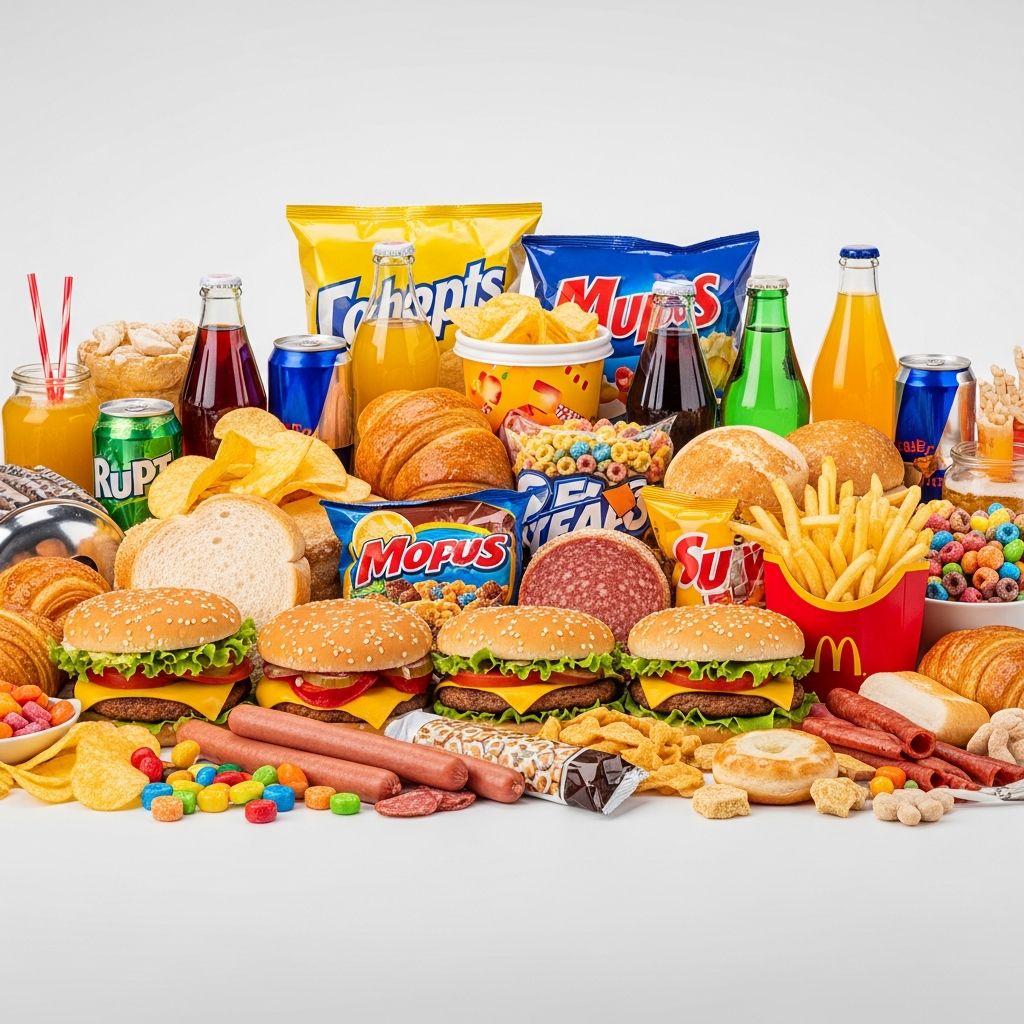
Making informed dietary choices is one of the most powerful steps you can take toward long-term health and wellness. While much attention focuses on what we should eat, understanding which foods to avoid is equally important. Leading nutritional experts, including those from Harvard Medical School, have identified specific food categories that can undermine digestive health, increase disease risk, and contribute to chronic health problems. By eliminating or significantly reducing these foods from your diet, you can improve your energy levels, reduce bloating and discomfort, and lower your risk of serious conditions including heart disease, type 2 diabetes, and obesity.
Understanding the Impact of Poor Food Choices
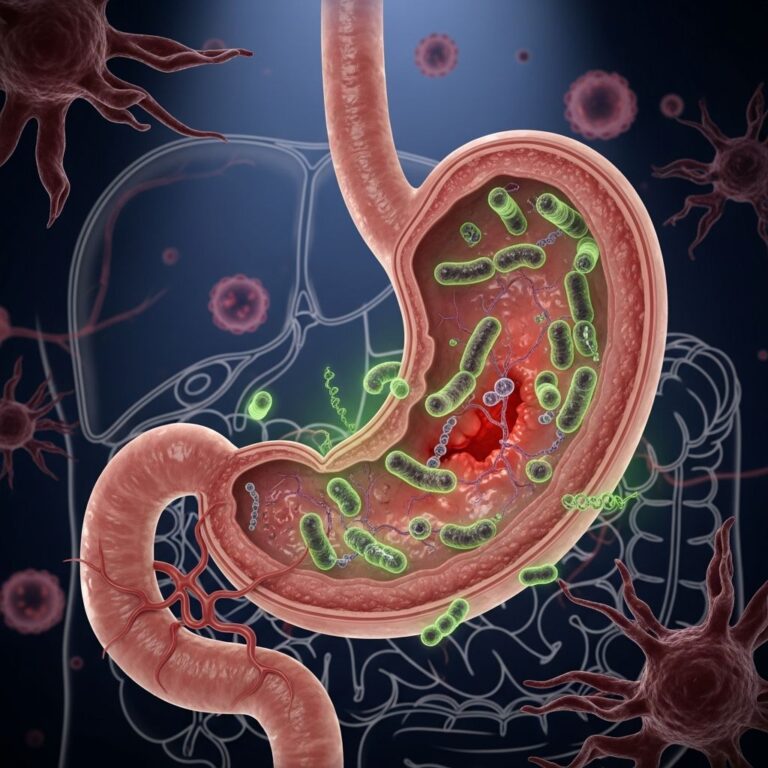
The foods we consume directly influence our body’s ability to maintain optimal function. When we regularly eat foods that are difficult to digest or laden with unhealthy ingredients, our digestive system becomes compromised, and nutrient absorption suffers. Dr. Jacqueline Wolf, MD, an associate professor of medicine at Harvard Medical School, along with colleague Dr. Judy Nee, MD, have extensively researched the connection between specific food categories and common gastrointestinal issues, including bloating, gas, and discomfort that affects millions of people worldwide.
Research demonstrates that approximately one in ten people experience significant digestive problems after eating, and often these issues trace back to intestinal difficulties in properly absorbing certain foods. The good news is that by identifying and eliminating problematic foods, many people experience dramatic improvements in their digestive comfort and overall health.
Eight Food Categories to Eliminate or Reduce
1. Sweetened Foods and Added Sugars
One of the most detrimental food categories in the modern diet consists of sweetened foods and beverages loaded with added sugars. This includes commercial pastries, sweetened yogurts, flavored drinks, soft drinks, candy, and many mass-produced bread products. The intestinal cells struggle to efficiently absorb foods with excessive sugar content, leading to digestive distress and metabolic complications.
A single 12-ounce can of sugar-sweetened soda delivers 8–10 teaspoons of sugar with approximately 120–150 empty calories that provide no nutritional value. Daily consumption of sugary beverages has been directly associated with weight gain, increased risk of type 2 diabetes, heart disease, and gout. Instead of sweetened products, choose whole foods and beverages with minimal added sugar and no carbonation.
2. High-Fructose Fruits
While fruits are generally considered healthy, certain varieties contain elevated levels of fructose that can trigger digestive problems in sensitive individuals. Fruits to minimize or avoid include apples, watermelon, grapes, peaches, and plums. People with fructose sensitivity should instead opt for lower-fructose alternatives such as blackberries, blueberries, pineapple, and tangerines that provide the same nutritional benefits with improved digestibility.
3. Vegetables Containing Fructans and Galactans
Certain vegetables contain complex carbohydrates called fructans and galactans that many people cannot efficiently digest. These problematic vegetables include asparagus, artichokes, leeks, zucchini, onions, and beets. For those experiencing digestive difficulties, replacing these with carrots, eggplants, avocados, and green beans provides similar nutritional value with better digestibility and reduced bloating.
4. Dairy Products and Lactose
Lactose intolerance affects nearly 70 percent of the global population to varying degrees. While complete dairy avoidance isn’t necessary for everyone, choosing the right dairy products makes a significant difference. Soft cheeses and regular milk are more difficult to digest, whereas aged hard cheeses and unsweetened yogurt contain less lactose and are generally better tolerated. For those with significant lactose sensitivity, plant-based alternatives offer excellent nutritional profiles without digestive complications.
Related Stories



5. Legumes and Raffinose
Beans and legumes, while excellent sources of protein and fiber, contain raffinose, a type of sugar that the human body struggles to break down efficiently. This leads to gas, bloating, and general digestive discomfort in many people. Fortunately, certain legumes are better tolerated, including black-eyed peas and green soybeans, which can be substituted for beans that cause more severe digestive issues.
6. Artificial Sugar Substitutes
Many people turn to artificial sweeteners as a healthier alternative to sugar, but sugar alcohols—identifiable by names ending in ‘-ol’—can trigger bloating and digestive distress. Products containing xylitol, sorbitol, and maltitol are particularly problematic for sensitive individuals. If sweetness is desired, stevia and monk fruit extract represent better natural alternatives that don’t trigger the same digestive complications as artificial sugar alcohols.
7. Gluten-Containing Grains
For individuals with gluten sensitivity or celiac disease, consuming wheat, barley, and rye triggers significant digestive difficulties and can damage the intestinal lining. Even those without diagnosed celiac disease or gluten sensitivity may experience improved digestion by reducing gluten intake. Healthier grain alternatives include rice, quinoa, and oats (certified gluten-free), which provide comparable nutritional benefits without the digestive complications.
8. Fermented Foods
While fermented foods like kimchi, kombucha, and sauerkraut are often promoted for digestive health, they can actually trigger bloating and discomfort in sensitive individuals. These foods contain high levels of histamines and beneficial bacteria that, while advantageous for many people, can cause problems for those with certain digestive sensitivities. Understanding your individual response to fermented foods is key to determining whether they belong in your diet.
The Broader Picture: Understanding Unhealthy Dietary Fats and Refined Carbohydrates
Trans Fats: The Primary Culprit
Beyond the eight specific food categories, Harvard nutrition experts emphasize the critical importance of eliminating trans fats from your diet completely. Trans fats, primarily found in commercially baked products, deep-fried restaurant foods, and certain processed items, have been definitively linked to cardiovascular disease, type 2 diabetes, gallstones, dementia, and weight gain. These artificial fats have no place in a health-conscious diet and should be strictly avoided.
Saturated Fats and Red Meat
While not as problematic as trans fats, excessive saturated fat consumption—primarily from red meat and full-fat dairy products—increases harmful LDL cholesterol levels. A moderate intake of saturated fat comprising under 8 percent of daily calories is compatible with a healthy diet, but consumption exceeding this threshold has been associated with cardiovascular disease. Replacing red meat with vegetable-based proteins and fish dramatically improves health outcomes.
Processed Grains and Refined Carbohydrates
The shift away from whole grains toward processed, refined carbohydrates represents one of the most harmful dietary trends in modern nutrition. Processing removes fiber, healthful fats, vitamins, minerals, and phytonutrients, leaving white flour and white rice nutritionally impoverished compared to their whole-grain counterparts. Consumption of highly processed grains is associated with increased triglycerides, reduced protective HDL cholesterol, elevated blood sugar, and increased risk of type 2 diabetes and coronary artery disease, particularly among women with insulin resistance. Choosing whole grains with lower glycemic indices protects against these serious health conditions.
Practical Dietary Guidelines for Optimal Health
Nutritional Recommendations
Harvard nutrition experts recommend following these evidence-based guidelines for optimal health:
- Avoid trans fats completely by reading food labels carefully and minimizing processed foods
- Include more unsaturated vegetable oils such as olive oil and canola oil in your diet
- Cut back on saturated fat from red meat and full-fat dairy products
- Eat more vegetable protein from beans and nuts instead of animal protein
- Choose whole grains and carbohydrate sources with lower glycemic indices
- Limit refined carbohydrates and highly processed grains
- Drink plenty of water and minimize sugary beverages
- Select seafood low in mercury including anchovies, catfish, flounder, mackerel, pollock, salmon, sardines, shrimp, and tilapia
Additional Digestive Health Practices
Beyond dietary modifications, Harvard experts recommend complementary practices to optimize digestion and prevent bloating:
- Eat slowly and deliberately while being mindful of chewing thoroughly to avoid swallowing excess air
- Drink plenty of still water throughout the day to support digestive processes
- Walk for 15-30 minutes after meals to facilitate proper digestion
- Practice gentle abdominal massage to support digestive comfort
- Allow adequate time between meals for proper digestion
Understanding Food Labels and Making Informed Choices
Successfully eliminating problematic foods requires understanding how to read and interpret food labels. Look for products with minimal added sugars, avoiding anything with more than 5-10 grams of added sugar per serving. Check ingredient lists for trans fats, which may be listed as “partially hydrogenated oils.” Prioritize products listing whole grains as the first ingredient rather than refined flour. For dairy products, choose full-fat versions for short-term satisfaction or aged cheeses for reduced lactose content. Becoming a mindful label reader empowers you to make choices aligned with your health goals.
Transitioning to a Healthier Diet
Eliminating problematic foods doesn’t require a drastic overnight transformation. Gradual transitions tend to be more sustainable. Begin by identifying which food categories trigger your digestive discomfort or energy crashes. Systematically replace one category at a time with healthier alternatives. For example, if sweetened foods cause bloating, gradually introduce whole foods and reduce sugar consumption over several weeks. This approach allows your body to adjust while building new eating habits that naturally support better health.
Long-Term Health Benefits of Dietary Changes
Research consistently demonstrates that eliminating or significantly reducing the eight problematic food categories leads to substantial health improvements. People report reduced bloating and digestive discomfort within days to weeks. Over months, improved digestion supports better nutrient absorption, leading to increased energy, clearer skin, improved mental clarity, and better sleep quality. Long-term benefits include reduced risk of chronic diseases, healthy weight management, improved cardiovascular health, and better blood sugar control. These changes represent an investment in your future health and quality of life.
Frequently Asked Questions
Q: Do I need to completely eliminate all eight food categories?
A: Not necessarily. Individual responses vary significantly. Some people tolerate certain foods well while others experience problems. Experiment with eliminating categories one at a time to identify your personal triggers, then focus on those causing you problems.
Q: Are whole grains really better than refined grains?
A: Yes, extensively. Whole grains retain fiber, vitamins, minerals, and phytonutrients removed during processing. Whole grains have lower glycemic indices, support better digestion, and reduce disease risk compared to refined alternatives.
Q: Can I still eat some fermented foods if I digest them well?
A: Absolutely. If you tolerate fermented foods without digestive discomfort, they can provide beneficial probiotics and nutrients. Individual tolerance varies considerably, so listen to your body’s response.
Q: How quickly will I notice improvements from dietary changes?
A: Many people notice reduced bloating and improved digestion within 3-7 days of eliminating problematic foods. More substantial changes in energy, weight, and disease markers typically appear within 2-4 weeks of consistent dietary adherence.
Q: Are natural sugars from fruit better than added sugars in processed foods?
A: Yes, fruit sugars come packaged with fiber, vitamins, and minerals, whereas added sugars in processed foods provide empty calories. However, high-fructose fruits may still trigger digestive issues in sensitive individuals.
Q: Should I take vitamin supplements if I’m eliminating many food categories?
A: Consider consulting with a healthcare provider. A multivitamin containing B vitamins and adequate iron can support nutritional adequacy. Ensure vitamin A comes primarily as beta-carotene rather than retinol to avoid excessive preformed vitamin A intake.
References
- Essentials of Healthy Eating: A Guide — National Center for Biotechnology Information, National Institutes of Health. 2012. https://www.ncbi.nlm.nih.gov/pmc/articles/PMC3471136/
- The eight foods that Harvard recommends eliminating from your diet — AS.com. 2023. https://en.as.com/latest_news/the-eight-foods-that-harvard-recommends-eliminating-from-your-diet-n/
- Dietary Guidelines for Americans — U.S. Department of Health and Human Services and U.S. Department of Agriculture. 2020-2025. https://www.dietaryguidelines.gov/
- Sugar-Sweetened Beverages and Risk of Metabolic Syndrome and Type 2 Diabetes — American Journal of Clinical Nutrition, American Society for Nutrition. 2023. https://academic.oup.com/ajcn
- Whole Grain Consumption and Risk of Cardiovascular Disease — Circulation Journal, American Heart Association. 2022. https://www.ahajournals.org/journal/circ
Similar Articles








Read full bio of Sneha Tete