4 Foods Not to Eat If You Have High Cholesterol
Learn which foods to eliminate from your diet to manage high cholesterol and reduce heart disease risk.
High cholesterol affects approximately 94 million American adults according to the Centers for Disease Control and Prevention, putting them at increased risk for heart disease and stroke. While cholesterol is essential for building hormones, cells, and vitamins, excessive levels in the bloodstream can lead to serious health complications. When cholesterol accumulates on artery walls—a condition called atherosclerosis—it restricts blood flow and increases the risk of heart attacks and strokes. Managing your cholesterol through dietary choices is one of the most effective ways to maintain cardiovascular health and prevent these life-threatening events.
Understanding which foods to avoid is just as important as knowing which ones to eat when managing high cholesterol. Certain foods contain compounds that directly raise cholesterol levels, increase inflammation, and contribute to plaque buildup in your arteries. By eliminating or significantly reducing these problematic foods from your diet, you can take control of your cholesterol levels and improve your overall heart health. This comprehensive guide explores the four main categories of foods you should avoid if you have been diagnosed with high cholesterol.
Understanding Cholesterol and Your Diet
Cholesterol is a waxy substance produced by your liver and found in animal-based foods. Your body needs some cholesterol to function properly, but when levels become too high, it poses a significant health risk. The foods you eat directly influence your blood cholesterol levels, particularly your intake of saturated fats and trans fats. These dietary fats increase LDL cholesterol (the “bad” cholesterol) while potentially lowering HDL cholesterol (the “good” cholesterol). By making strategic dietary changes and avoiding certain foods, you can significantly improve your cholesterol profile and reduce your cardiovascular disease risk.
1. Processed and Red Meats
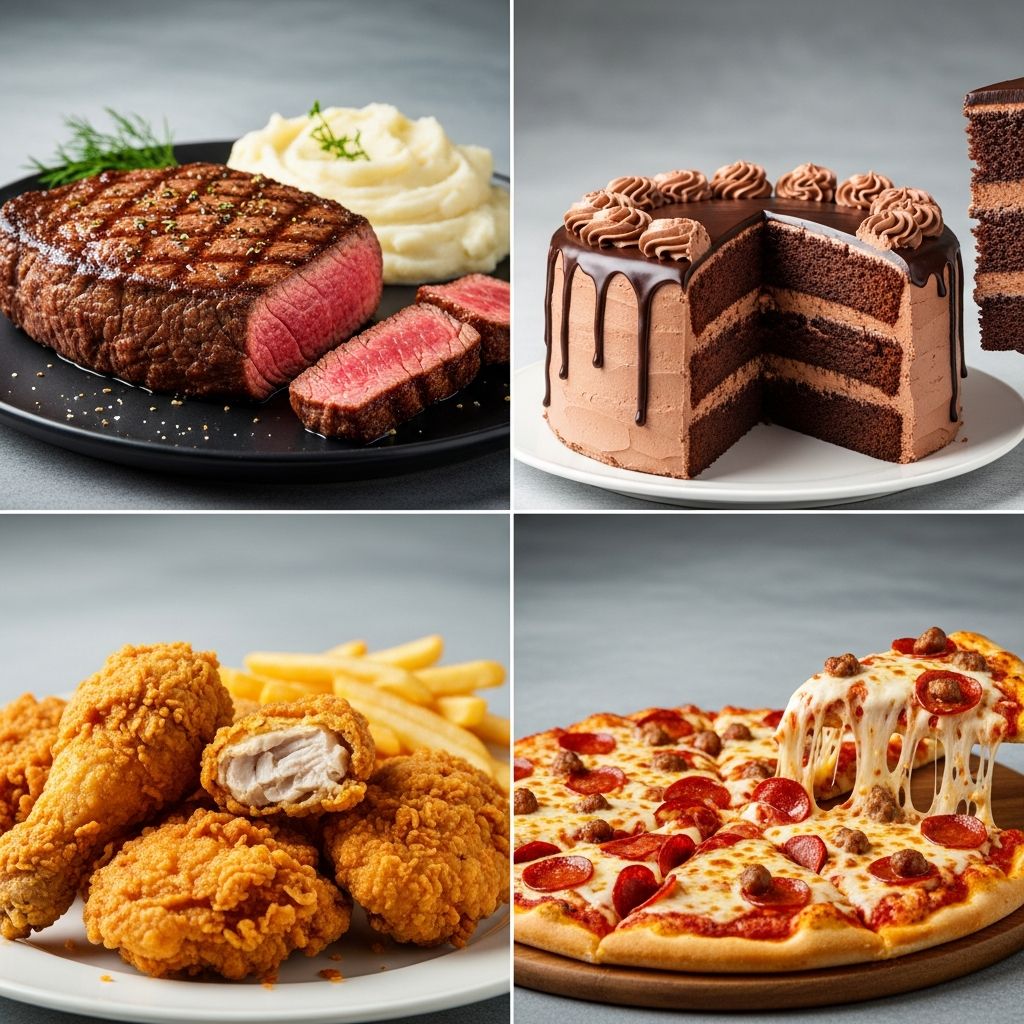
Processed meats are among the worst foods for people with high cholesterol. Foods such as bacon, hot dogs, sausages, deli meats, and cured meats are processed from the fattiest cuts of red meat, making them exceptionally high in saturated fat and dietary cholesterol. A single serving of processed meat can contain 20-30% of your daily saturated fat intake. Beyond their cholesterol-raising properties, processed meats have been linked to increased risk of colon cancer and other serious health conditions.
Red meats including beef, pork, and lamb are also problematic for people managing high cholesterol. These meats contain significant amounts of saturated fat, which directly raises your LDL cholesterol levels. The American Heart Association recommends limiting red meat consumption and choosing leaner alternatives when possible. If you do eat red meat, select the leanest cuts available, such as beef round, sirloin, or tenderloin that is labeled as at least 92% fat-free.
Better Alternatives: Replace processed and red meats with skinless poultry, especially chicken and turkey breasts, which are significantly leaner. Heart-healthy meat substitutes such as seitan, tempeh, and tofu provide protein without the saturated fat burden. Omega-3 rich fish including salmon, tuna, and trout are excellent choices that can actually help lower cholesterol while providing essential fatty acids your body needs.
2. Full-Fat Dairy Products
Full-fat dairy products are major contributors to high cholesterol levels due to their saturated fat content. Butter, whole milk, cream, full-fat yogurt, full-fat cheese, and ice cream all contain high concentrations of saturated fat and dietary cholesterol. A single tablespoon of butter contains 7 grams of saturated fat, nearly one-third of the recommended daily limit. Full-fat cheeses can be even more problematic, with some varieties containing 8-9 grams of saturated fat per ounce.
Related Stories



These dairy products not only raise your LDL cholesterol but also contribute to weight gain, which can further worsen your cholesterol profile. The fat in these products is absorbed into your bloodstream, directly increasing your cholesterol levels. Additionally, full-fat dairy products often contain added sugars and sodium, creating a triple threat to heart health.
Healthier Options: Switch to low-fat or fat-free versions of dairy products. Choose skim milk or 1% milk instead of whole milk, select low-fat yogurt instead of full-fat varieties, and opt for reduced-fat cheese options. If you enjoy cream-based products, look for non-dairy alternatives made from oat milk, almond milk, or other plant-based options. Whey protein, a component of dairy products, has been shown to help lower cholesterol when used as a supplement, making it a beneficial alternative for those seeking protein sources.
3. Refined Carbohydrates and Grains
Refined carbohydrates and white grains significantly impact cholesterol levels and overall cardiovascular health. White bread, white rice, regular pasta, and most commercial baked goods undergo processing that removes the fiber-rich bran and nutrient-dense germ, leaving behind simple starches that are quickly converted to sugar. This rapid sugar absorption causes blood sugar spikes, increases insulin levels, and triggers your liver to produce more cholesterol.
The refining process also removes important nutrients that help regulate cholesterol metabolism. Refined grains lack the soluble fiber necessary to bind cholesterol in your digestive system and remove it from your body. Studies have shown that people who consume high amounts of refined carbohydrates have higher triglyceride levels and lower HDL cholesterol, creating an unfavorable cholesterol profile.
Superior Alternatives: Replace refined grains with whole grains that retain all their beneficial components. Excellent choices include oats, quinoa, barley, wheat berries, flaxseed, couscous, polenta, millet, and bulgur. When purchasing bread, pasta, and cereals, choose products made with whole grains and verify that they contain at least 5 grams of dietary fiber per serving while containing fewer than 8 grams of sugar. Whole grains provide complex carbohydrates that are absorbed slowly, preventing blood sugar spikes and supporting stable cholesterol levels.
4. Foods High in Trans Fats and Added Sugars
Trans fats represent one of the most damaging types of fat for your cholesterol levels and overall heart health. Unlike saturated fat, which raises both LDL and HDL cholesterol, trans fats raise LDL cholesterol while simultaneously lowering beneficial HDL cholesterol. Trans fats are primarily found in packaged and processed foods, including pastries, cookies, crackers, commercial baked goods, doughnuts, and certain types of margarine. Many frozen foods, microwave popcorn, breakfast sandwiches, and fried fast foods also contain significant amounts of trans fats.
Foods high in added sugars create additional problems for cholesterol management. Excessive sugar consumption contributes to weight gain, increases triglyceride levels, raises LDL cholesterol, and lowers HDL cholesterol. Sugary foods and beverages also increase your risk of developing type 2 diabetes and obesity, both of which worsen cholesterol profiles. Common sources of added sugars include high-fructose corn syrup, fruit juice concentrates, brown sugar, corn sweeteners, and various syrups.
Reading Labels Matters: Always check nutrition facts labels to identify trans fats and added sugars. Look for “partially hydrogenated oils” in the ingredient list, as this indicates the presence of trans fats. The American Heart Association recommends limiting added sugars to no more than 6 teaspoons (25 grams) per day for women and 9 teaspoons (36 grams) per day for men. By avoiding these problematic foods and choosing whole, minimally processed alternatives, you can maintain healthier cholesterol levels and reduce your cardiovascular disease risk.
Additional Foods to Minimize
Beyond the four main categories, several other foods warrant reduction or elimination from a high-cholesterol diet. High-sodium foods, including canned soups, salty snacks, cold cuts, cured meats, and many frozen foods, can raise blood pressure and compound cardiovascular strain. Aim to consume no more than 2,300-2,400 milligrams of sodium per day. When purchasing packaged foods, always check sodium content and choose low-sodium alternatives whenever possible.
Fried foods prepared in unhealthy oils significantly raise cholesterol levels due to their trans fat and saturated fat content. Restaurant and fast-food fried items are particularly problematic. Creamy sauces, salad dressings, and condiments often contain hidden saturated fats and should be used sparingly or replaced with heart-healthy alternatives like balsamic vinegar, apple cider vinegar, or mustard-based dressings.
Building a Heart-Healthy Diet
While avoiding certain foods is important, focusing on positive dietary choices is equally valuable. Incorporating high-fiber foods such as oats, beans (lentils, black-eyed peas, kidney beans, navy beans, and garbanzo beans), okra, eggplant, spinach, and leafy greens helps lower cholesterol naturally. Fiber binds to cholesterol particles in your digestive system, allowing them to be removed from your body before they enter your bloodstream.
Include heart-healthy fats from avocados, nuts (peanuts, walnuts, almonds), and polyunsaturated oils such as vegetable, olive, canola, and safflower oil. These foods contain monounsaturated and polyunsaturated fatty acids that help lower LDL cholesterol while supporting HDL cholesterol. Fruits rich in pectin, including apples, grapes, oranges, and strawberries, provide additional cholesterol-lowering benefits.
Plant-based options like soybeans and tofu offer complete proteins without the saturated fat found in animal products. Foods enriched with plant sterols and stanols actively block cholesterol absorption in your intestines, providing additional cholesterol-management support. By consistently making these positive food choices 80% of the time, you can achieve meaningful improvements in your cholesterol levels and long-term cardiovascular health.
Creating a Sustainable Cholesterol Management Plan
Successfully managing high cholesterol requires more than short-term dietary changes. Fad diets may produce temporary results, but they often lead to rapid weight regain and cholesterol level increases. Instead, focus on developing consistent, sustainable dietary habits that you can maintain long-term. This might include meal planning, learning to read nutrition labels effectively, and gradually replacing problematic foods with healthier alternatives.
Work with your healthcare provider to develop a personalized cholesterol management plan. Your doctor can assess your individual risk factors, recommend appropriate dietary modifications, and determine whether additional interventions such as medication are necessary. Regular cholesterol screening allows you to monitor your progress and adjust your approach as needed. Remember that managing cholesterol is a collaborative process involving consistent dietary effort, regular physical activity, stress management, and appropriate medical supervision.
Frequently Asked Questions
Q: Can I ever eat foods with cholesterol if I have high cholesterol?
A: While dietary cholesterol has less impact on blood cholesterol than previously thought, it’s still wise to limit intake from foods like eggs and full-fat dairy. The primary focus should be reducing saturated and trans fats, which have a greater effect on raising blood cholesterol levels.
Q: How long does it take to see improvements in cholesterol levels after dietary changes?
A: Most people can see measurable improvements in their cholesterol levels within 2-4 weeks of making significant dietary changes. However, consistent effort over months typically produces the most substantial and lasting results.
Q: Are all fats bad for people with high cholesterol?
A: No, healthy fats from sources like olive oil, avocados, nuts, and fatty fish are beneficial and can actually help improve your cholesterol profile. The key is limiting saturated and trans fats while incorporating unsaturated fats in appropriate portions.
Q: Can I still enjoy restaurant meals while managing high cholesterol?
A: Yes, by making informed choices. Request grilled rather than fried preparations, ask for sauces on the side, choose lean protein options, and request steamed vegetables. Most restaurants are willing to accommodate dietary preferences when asked.
Q: Do I need to eliminate all red meat from my diet?
A: Complete elimination isn’t necessary, but limiting red meat to occasional consumption and selecting the leanest cuts available is recommended. Focus on making it an occasional choice rather than a dietary staple.
References
- Good and Bad Foods for High Cholesterol — WebMD. 2024-11-15. https://www.webmd.com/cholesterol-management/heart-health-foods-to-buy-foods-to-avoid
- Worst Foods for High Cholesterol — Mass General Brigham. 2024-10-20. https://www.massgeneralbrigham.org/en/about/newsroom/articles/worst-foods-for-high-cholesterol
- Key Facts about High Cholesterol — Centers for Disease Control and Prevention. 2024-09-10. https://www.cdc.gov/heartdisease/cholesterol.htm
- Dietary Guidelines for Americans 2020-2025 — U.S. Department of Agriculture & U.S. Department of Health and Human Services. 2021-01-01. https://www.dietaryguidelines.gov
- Heart Disease and Dietary Fat: Does the Evidence Support Causation? — American Journal of Clinical Nutrition. Oxford University Press. 2023-05-15. https://academic.oup.com/ajcn
Similar Articles








Read full bio of medha deb