Foods To Avoid When Your Stomach Hurts: Expert Guide
Discover which foods trigger stomach pain and digestive discomfort to feel better faster.
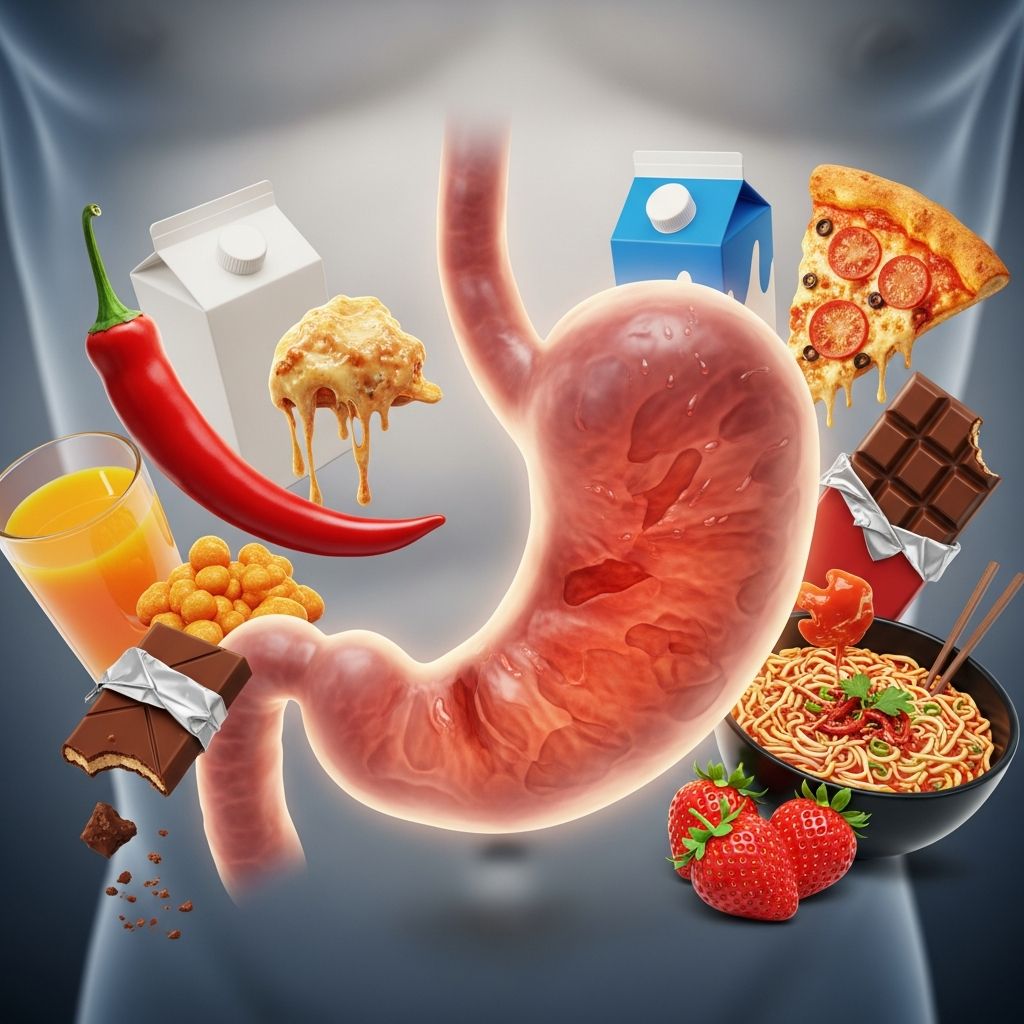
An upset stomach can significantly impact your quality of life, making even simple tasks uncomfortable. Whether you’re dealing with acute indigestion, heartburn, or chronic digestive issues, what you eat plays a crucial role in determining how your body feels. Understanding which foods to avoid when your stomach hurts is the first step toward relief and long-term digestive wellness.
When your digestive system is compromised, certain foods can exacerbate symptoms and prolong discomfort. By identifying and eliminating these trigger foods from your diet, you can support your body’s natural healing processes and reduce pain and bloating.
Why Certain Foods Trigger Stomach Pain
The stomach is a sensitive organ that requires specific conditions to function optimally. When you consume foods that are difficult to digest or contain compounds that irritate the stomach lining, your body’s digestive process becomes disrupted. This disruption can lead to increased stomach acid production, inflammation, and discomfort.
High-fat and fried foods are particularly problematic because they slow down gastric emptying—the process by which food moves from your stomach into the small intestine. This slowdown causes food to sit longer in your stomach, leading to bloating, cramping, and increased acid production that can trigger or worsen acid reflux.
Certain compounds in foods can also directly irritate your stomach lining. Acidic foods, spicy foods, and those containing caffeine all stimulate excess stomach acid production, creating an environment where inflammation flourishes.
High-Fat and Fried Foods: The Digestive Disruptors
Fried and fatty foods are among the worst offenders when you have an upset stomach. These foods include fried chicken, French fries, greasy burgers, donuts, and any food cooked in excessive oil or butter.
Why are they problematic? High-fat foods are challenging to digest and can significantly disrupt the digestive system. They slow the digestive process, resulting in symptoms like bloating, stomach pain, and discomfort. Additionally, fatty foods trigger increased production of stomach acid, exacerbating conditions such as acid reflux and GERD (gastroesophageal reflux disease).
Instead of frying, consider these healthier cooking methods:
- Grilling
- Baking
- Steaming
- Broiling
- Boiling
When you do use fats, incorporate healthier options like those found in avocados and nuts, which are easier on your digestive system than saturated fats.
Dairy Products and Lactose Concerns
Milk, cheese, and ice cream are significant triggers for many people with upset stomachs. The primary reason is that dairy products are high in fat, making them difficult for your body to digest. Additionally, many people experience lactose intolerance—the inability to properly digest lactose, a natural sugar found in milk—which leads to bloating, cramping, and diarrhea.
If you’re struggling with an upset stomach, it’s best to avoid or minimize dairy consumption until your symptoms resolve. When you’re ready to reintroduce dairy, consider lactose-free options or smaller portions.
Related Stories



Spicy Foods and Heat-Induced Irritation
Spicy foods can be particularly problematic for digestive health. While a moderate amount of spice can offer health benefits, eating spicy food may trigger heartburn, acid reflux, GERD symptoms, or indigestion in many people with digestive issues.
Capsaicin, the compound responsible for the heat in chili peppers and spicy foods, stimulates stomach acid production and can irritate the stomach lining. This is especially true if you already have an inflamed or sensitive stomach.
During recovery from stomach upset, avoid:
- Hot peppers and chili peppers
- Spicy curry dishes
- Hot sauces and spicy condiments
- Heavily seasoned foods
- Wasabi and horseradish
Acidic Foods: Direct Stomach Irritants
Acidic foods directly irritate the stomach lining and trigger heartburn and indigestion. High-acid foods include citrus fruits, tomatoes, pineapples, and orange juice.
The high acidity in these foods can contribute to heartburn and indigestion, particularly in people who suffer from gastritis, acid reflux, and GERD, as these foods irritate the lining of the stomach and lead to inflammation.
Foods to avoid include:
- Citrus fruits (oranges, lemons, limes, grapefruits)
- Citrus juices
- Tomatoes and tomato-based products
- Pineapple
- Vinegar-based dressings
- Wine and alcohol
Caffeine and Stimulating Beverages
Caffeine is a powerful stomach acid stimulant. Coffee, tea, energy drinks, and cola contain caffeine, which can aggravate an upset stomach and trigger heartburn and reflux symptoms.
Beyond caffeine, sugary sodas and carbonated beverages create additional problems. The carbonation produces gas in your digestive system, leading to bloating and discomfort. The high sugar content can also feed harmful bacteria in your gut.
Similarly, fruit juices—both acidic and high in natural sugars—can trigger digestive distress.
Processed Foods and Artificial Additives
Processed foods are a significant source of digestive distress. These foods typically contain artificial additives, preservatives, and excessive salt and sugar, all of which can disrupt your digestive system and worsen inflammation.
Artificial sweeteners deserve special mention. These sugar substitutes can irritate your digestive tract and contribute to bloating and discomfort. Common artificial sweeteners include aspartame, sucralose, and sorbitol.
Processed meats—including bacon, sausage, deli meats, and hot dogs—are particularly problematic because they’re high in fat, sodium, and additives. They’re difficult to digest and can trigger significant digestive upset.
High-Fiber Raw Vegetables
While vegetables are essential for long-term digestive health, certain raw vegetables can worsen symptoms when your stomach is already upset. Cruciferous vegetables such as broccoli, cauliflower, Brussels sprouts, and cabbage can lead to bloating and gas.
High-fiber raw vegetables are problematic because the fiber, while normally beneficial, becomes irritating when your digestive system is already inflamed. However, cooking, roasting, or steaming these vegetables makes them much easier to digest.
Additionally, avoid:
- Raw onions and garlic
- Raw carrots (cook them instead)
- Celery
- Beans and legumes
Whole Grains and High-Fiber Bread
When your stomach is healthy, whole grain bread and brown rice are nutritional powerhouses. However, when you have an upset stomach, these foods can make things worse.
Whole grain and seeded breads are higher in fiber, which can increase GI discomfort in some circumstances. During a flare or when you need an easier-to-digest option, white bread might be your best choice. Similarly, whole grain, brown, and black rice are generally healthy but are harder to digest, especially on an upset stomach.
Instead, opt for:
- Plain white bread or toast
- White rice
- Plain crackers
Red Meat and Protein Challenges
Red meat is high in fat and low in fiber, making it harder to digest. Eating too much red meat can also impact your gut bacteria negatively, further disrupting digestive balance.
Heavy cream, butter, and fatty meats such as bacon can be very hard to digest, resulting in cramps, bowel issues, and other digestive problems.
When you have an upset stomach and need protein, choose lean sources instead:
- Skinless chicken breast (baked or boiled)
- Fish (grilled or baked)
- Turkey
- Eggs (prepared gently)
Other Problematic Foods and Beverages
Chocolate contains both caffeine and fat, making it doubly problematic for an upset stomach. The fat slows digestion while the caffeine stimulates stomach acid.
Alcohol irritates the stomach lining and can trigger acid production. It’s best avoided entirely when experiencing digestive upset.
Corn and corn-based products are difficult to digest and can contribute to digestive discomfort.
Foods That Support Digestive Recovery
While avoiding problematic foods is essential, incorporating easily digestible options accelerates recovery. Bananas, white rice, crackers, and broth are common go-to foods when managing stomach troubles.
Other easily digestible options include:
- Plain crackers: Bland, lacking fiber, and soft, they’re ideal when unsure what you can tolerate.
- White bread or toast: Simple white-bread toast is better than fiber-rich whole grains when you have an upset stomach.
- White rice: Starchy, low-fiber foods like white rice help firm up your stool and stop diarrhea.
- Apples: Easy to digest with plenty of nutrients, including pectin—a fiber that dissolves in water and helps resolve diarrhea.
- Oatmeal: Research indicates that oats don’t generally cause GI symptoms and can be beneficial for the gut microbiome.
- Blueberries: Anti-inflammatory and high in fiber and water content, making them suitable for easy-to-digest diets.
- Melons: Soft with high water content, they aid hydration while maintaining vitamin and mineral intake.
- Cooked carrots: Contain antioxidant compounds called carotenoids, which may protect against digestive diseases.
Tips for Managing Your Digestive Health
Beyond avoiding trigger foods, several strategies support digestive wellness:
Practice Effective Meal Planning
Effective meal planning promotes better digestion by ensuring balanced intake of fiber-rich whole foods like fruits, vegetables, lean proteins, and whole grains. Preparing meals at home allows for healthier choices and avoidance of processed foods and unhealthy fats. Opt for gentle cooking methods like baking, steaming, or grilling to preserve nutrients. Portion control prevents overeating and discomfort.
Prioritize Hydration and Fiber
Fiber and hydration are crucial for digestive health. Dietary fiber in fruits, vegetables, whole grains, and legumes adds bulk to stool and prevents digestive issues like constipation and bloating. However, increase fiber intake gradually to allow your digestive system to adjust, and pair it with adequate hydration to enhance its effectiveness.
Identify Your Specific Triggers
A certain level of experimentation is warranted to find the specific foods that work best with your GI tract, rather than taking a one-size-fits-all approach. What’s easy for one person to digest may be different for the next person.
Seek Professional Guidance
Expert dietary advice from a GI specialist helps optimize digestive health through personalized guidance. Specialists often recommend fiber-rich diets with whole grains, fruits, and vegetables while moderating refined sugars and unhealthy fats. Probiotics or prebiotics may also be suggested to enhance gut flora. Regular consultations can identify food intolerances and support informed dietary changes, reducing discomfort and improving overall health.
Understanding Special Conditions: IBS and Heartburn
Irritable Bowel Syndrome (IBS) is an increasingly recognized cause of indigestion and bloating that can be partially managed through dietary changes. People with IBS are advised to follow a low FODMAP diet and avoid gas-producing foods including broccoli, cauliflower, cabbage, Brussels sprouts, beans, onions, celery, apricots, prunes, carrots, and raisins.
For heartburn specifically, the key to treatment is avoiding triggers including spicy foods, juices, soda, citrus fruits, caffeine, tomatoes, chocolate, fried and fatty foods, NSAIDs, and alcohol.
Frequently Asked Questions
Q: What should I eat when my stomach hurts?
A: Stick to easily digestible foods including bananas, white rice, plain crackers, toast, oatmeal, and baked skinless poultry. Avoid anything high in fat, fiber, or acid until symptoms resolve.
Q: How long should I avoid trigger foods?
A: Continue avoiding problematic foods while experiencing symptoms. Once you feel better, gradually reintroduce foods in small portions. If symptoms return, eliminate that food again.
Q: Can I eat vegetables when my stomach hurts?
A: Yes, but stick to cooked vegetables rather than raw ones. Cooking makes vegetables easier to digest. Start with small portions of cooked vegetables and juices.
Q: Is dairy always bad for an upset stomach?
A: Dairy high in fat (milk, cheese, ice cream) should be avoided when your stomach hurts. Some people tolerate dairy better than others, so experimentation is important once symptoms improve.
Q: When should I see a doctor about stomach pain?
A: If stomach pain persists beyond a few days, worsens, or is accompanied by severe symptoms, consult a healthcare provider to rule out serious conditions.
Conclusion: Taking Control of Your Digestive Health
An upset stomach doesn’t have to control your life. By understanding which foods trigger your symptoms and making informed dietary choices, you can significantly reduce discomfort and support your body’s natural healing processes. Remember that digestive health is highly individual—what bothers one person may not affect another. Pay attention to how different foods make you feel, keep a food diary if helpful, and don’t hesitate to consult with a healthcare provider or gastroenterologist for personalized guidance.
The path to digestive wellness begins with eliminating problematic foods and embracing gentle, nourishing alternatives that support your body’s recovery and long-term health.
References
- Foods to Avoid for a Happier Stomach: A Guide to Digestive Health — Colon & Digestive Health. https://colondigestive.com/foods-to-avoid-for-a-happier-stomach-a-guide-to-digestive-health/
- Foods to Eat (and Avoid) When Your Stomach Hurts — WebMD. https://www.webmd.com/digestive-disorders/ss/slideshow-food-stomach-upset
- Easy-to-digest foods that are gentle on your GI system — Oshi Health. https://oshihealth.com/easy-to-digest-foods/
- Digestive Upset: Could It Be the Food You Just Ate? — UH Hospitals. https://www.uhhospitals.org/blog/articles/2022/12/digestive-upset-could-it-be-the-food-you-ate
- Bad Foods that Affect Your Digestive Health — Austin Gastroenterology. https://www.austingastro.com/2022/07/29/bad-foods-that-affect-your-digestive-health/
- 10 Worst Foods for Digestive Health — Manhattan Gastroenterology. https://www.manhattangastroenterology.com/10-worst-foods-digestive-health/
- The Worst Foods for Your Gastrointestinal System — DDS Quebec. https://www.ddsqc.com/blog/the-worst-foods-for-your-gastrointestinal-system
- The Best (and Worst) Foods for Keeping Your Gut Moving — Hartford Healthcare. https://hartfordhealthcare.org/about-us/news-press/news-detail?articleId=62807
Similar Articles








Read full bio of medha deb