Foods to Avoid With Blood Pressure Medication
Certain foods and drinks can interfere with blood pressure medications, potentially causing dangerous side effects like low blood pressure or heart rhythm issues.
Managing high blood pressure often involves prescription medications, but certain foods can interfere with how these drugs work, leading to reduced effectiveness or serious side effects like dangerously low blood pressure, irregular heart rhythms, or excessive bleeding risk. Understanding these interactions is crucial for anyone on antihypertensive therapy.
Blood pressure medications, including ACE inhibitors, calcium channel blockers, diuretics, and anticoagulants commonly prescribed for heart health, can react with everyday foods. Pharmacists and cardiologists emphasize consulting your healthcare provider or pharmacist before making dietary changes, as individual needs vary based on specific medications and health conditions.
Why Food Interactions Matter
Food-drug interactions occur when components in food affect medication absorption, metabolism, or excretion. For blood pressure drugs, this can amplify effects (causing hypotension) or counteract them (raising blood pressure). Consistency in diet is key, especially for vitamin K-related interactions, and high-sodium or potassium-rich foods can disrupt electrolyte balance essential for heart function.
According to clinical experts, even seemingly healthy foods like leafy greens or fruits can pose risks if not managed properly. Always monitor intake and report symptoms like dizziness, fatigue, or palpitations to your doctor.
Grapefruit and Grapefruit Juice
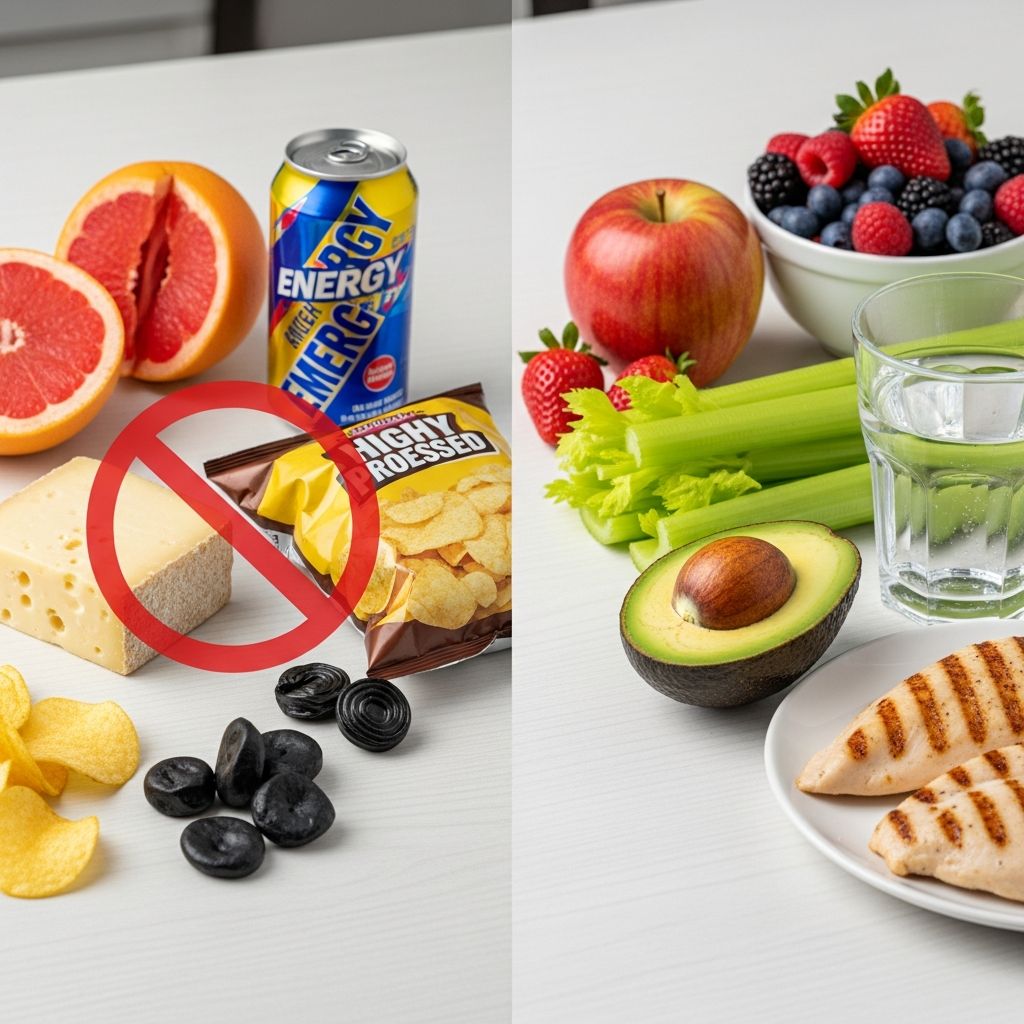
**Grapefruit** tops the list of foods to avoid due to compounds called furanocoumarins that inhibit the enzyme CYP3A4 in the liver and intestines. This enzyme breaks down many medications, so blocking it causes drug buildup in the bloodstream.
For blood pressure patients, this is particularly risky with
calcium channel blockers
(e.g., amlodipine, felodipine) andstatins
often co-prescribed for heart health. Elevated drug levels can lead to excessive blood pressure lowering, causing dizziness, fainting, or headaches. In severe cases, it contributes to muscle breakdown (rhabdomyolysis) from statins.- Avoid all forms: fresh grapefruit, juice, zest, or products containing grapefruit extract.
- Timing doesn’t help; effects last up to 24 hours or more.
- Safe alternatives: oranges, tangerines, or pomegranate juice (in moderation).
Even small amounts can interact, so complete avoidance is recommended for those on affected meds. Check with your pharmacist for a full list of interacting drugs.
High-Potassium Foods
Medications like
ACE inhibitors
(e.g., lisinopril),ARBs
(e.g., losartan),spironolactone
, orpotassium-sparing diuretics
reduce potassium excretion, risking hyperkalemia (high blood potassium). This can cause arrhythmias, muscle weakness, or cardiac arrest.Common high-potassium culprits include:
- Bananas, oranges, avocados, and dried fruits.
- Potatoes, sweet potatoes, tomatoes, and tomato products.
- Leafy greens like spinach (also high in vitamin K—see below).
- Protein shakes, meal replacements, or supplements boasting potassium for heart health.
Potassium is vital for blood pressure control via the DASH diet, but excess is dangerous on these meds. Regular blood tests monitor levels; symptoms include irregular heartbeat or numbness.
| High-Potassium Food | Potassium per Serving (mg) | Risk Level on Meds |
|---|---|---|
| Banana (medium) | 422 | High |
| Avocado (1/2) | 487 | High |
| Baked Potato (medium) | 925 | Very High |
| Spinach (1 cup cooked) | 839 | High |
Related Stories



Limit to low-potassium options like apples, berries, or rice. Your doctor may adjust meds or diet based on labs.
Leafy Greens and Vitamin K-Rich Foods
For patients on
warfarin
(Coumadin), a blood thinner often used with hypertension treatment, vitamin K antagonizes the drug’s effect. Leafy greens are packed with vitamin K, which promotes clotting and can make warfarin less effective, raising stroke risk.- Kale, spinach, collards, Swiss chard, broccoli, Brussels sprouts.
- Mayonnaise, canola oil, and green tea also contain notable amounts.
Don’t eliminate them entirely—aim for
consistency
. Sudden increases require dose adjustments and frequent INR monitoring (a blood clotting test). Track intake with a food diary and inform your provider of changes.Fun fact: Mayo’s vitamin K comes from soybean oil. Opt for low-vitamin K veggies like lettuce or cabbage in moderation.
High-Sodium Foods and Condiments
Sodium causes fluid retention, directly counteracting blood pressure meds by raising blood volume and pressure. Even on diuretics, excess salt undermines treatment.
Avoid or limit:
- Soy sauce, ketchup, mustard, pickles, olives, and canned soups.
- Processed meats, chips, fast food, and restaurant meals.
- Goal: Under 2,300 mg/day, ideally 1,500 mg for hypertension (per health guidelines).
Read labels—hidden sodium lurks in bread, cheese, and sauces. Flavor with herbs, lemon, or vinegar instead.
Alcohol
**Alcohol** amplifies blood pressure meds’ effects, causing excessive hypotension, dizziness, and fall risk. It also interacts with anticoagulants, increasing bleeding, and dehydrates, worsening diuretic side effects.
- Limit to 1 drink/day for women, 2 for men—or avoid entirely.
- Red wine’s resveratrol may benefit hearts but risks outweigh for med users.
Mixers like tonic water add sodium. Hydrate with water and monitor for lightheadedness.
Garlic Supplements and Concentrates
Fresh garlic is fine in cooking, but
garlic supplements, extracts, or oils
act as blood thinners, heightening bleeding risk with anticoagulants, aspirin, or antiplatelets common in heart patients.Effects include bruising, nosebleeds, or gastrointestinal bleeding. Stick to culinary use (under 1 clove/day) and avoid pills.
Black Licorice
Glycyrrhizin in
black licorice
(true licorice root, not anise-flavored candy) mimics aldosterone, causing sodium retention, potassium loss, and hypertension. The FDA warns against over 2 oz/day for those over 40 or with heart/kidney issues.It can induce arrhythmias or swelling. Check labels—avoid natural black licorice products.
Other Considerations
Beyond these, watch caffeine (temporary BP spikes), St. John’s wort (speeds drug metabolism), and herbal teas. The DASH diet promotes fruits/veggies but tailored for meds. Potassium from whole foods helps non-risk patients lower BP, but supplements are off-limits without prescription.
Frequently Asked Questions (FAQs)
What if I accidentally eat grapefruit on my meds?
Contact your doctor; monitor for symptoms like dizziness. Effects may last days—avoid more until cleared.
Can I eat bananas if not on potassium-sparing drugs?
Yes, in moderation as part of DASH, but confirm with your provider for personalized advice.
How do I maintain consistent vitamin K intake?
Use a food log app, eat similar amounts weekly, and get regular INR tests on warfarin.
Is all licorice dangerous?
Only true black licorice with glycyrrhizin; red or strawberry is safe.
Should I stop all supplements?
Discuss with your pharmacist—many interact, like fish oil or coQ10 with BP meds.
Practical Tips for Safe Eating
- Carry a med list and share with dietitians.
- Use apps like MyFitnessPal for nutrient tracking.
- Choose fresh over processed foods.
- Time meals away from doses if advised (e.g., some meds with food).
Empower yourself with knowledge—safe eating enhances med efficacy and heart health.
References
- Health Bites: 7 Foods to Avoid When Taking Heart Medications — Sentara Northern Virginia Medical Center / Lindsey Mileto. 2025-10-13. https://www.youtube.com/watch?v=pjXkqb2AwlQ
- The best and worst foods for high blood pressure — British Heart Foundation. Recent update (accessed 2026). https://www.bhf.org.uk/informationsupport/heart-matters-magazine/nutrition/foods-that-lower-blood-pressure
- Dietary Guidelines for Americans, 2020-2025: Sodium and Potassium Recommendations — U.S. Department of Health and Human Services / USDA. 2020-12-01 (authoritative ongoing standard). https://www.dietaryguidelines.gov/sites/default/files/2020-12/Dietary_Guidelines_for_Americans_2020-2025.pdf
- Drug Interactions with Grapefruit Juice — FDA. Updated 2023. https://www.fda.gov/consumers/consumer-updates/grapefruit-juice-and-some-drugs-dont-mix
- Black Licorice Warnings — FDA. 2017-10-31 (seminal warning, still current). https://www.fda.gov/food/alerts-advisory-recalls/fda-warns-about-black-licorice
Similar Articles








Read full bio of medha deb